If you're tired of mowing that same old grass and want to do something meaningful for local wildlife, backyard habitat certification might be your answer. I've been through the process myself, and let me tell you, it's more than just a fancy plaque—it's a way to transform your yard into a living ecosystem. In this guide, I'll walk you through everything, from the basics to the nitty-gritty details most guides miss.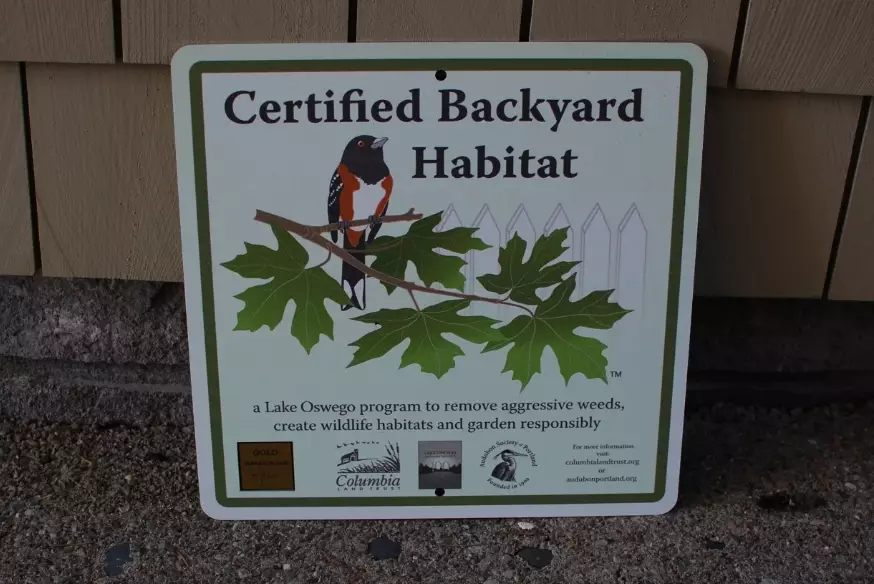
Jump to What Matters Most
What is Backyard Habitat Certification Really About?
Backyard habitat certification is a program where organizations like the National Wildlife Federation assess your yard to see if it provides essentials for wildlife—food, water, shelter, and places to raise young. If it does, you get a certificate and often a sign to show it off. It's not just for huge properties; even a small balcony can qualify in some cases. The goal is to create corridors for animals in urban areas, which is crucial as natural habitats shrink.
I first heard about it from a neighbor who had butterflies swarming her garden. She said it took her six months to get certified, but the process made her rethink how she used her space. It's not about perfection; it's about making intentional choices. For example, leaving some leaf litter instead of raking everything up can provide shelter for insects.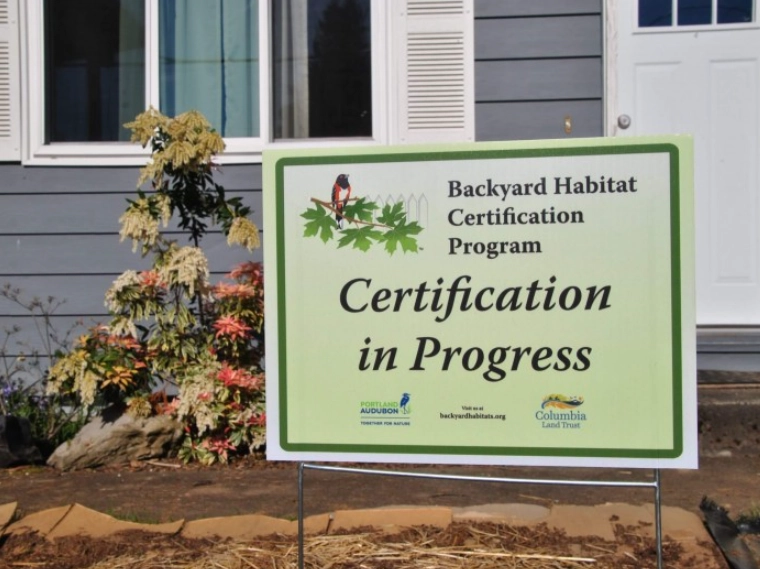
Why Bother? The Real Benefits You Might Not Know
Sure, helping wildlife feels good, but there are tangible perks. Certified yards often see more bird species, which means free pest control—birds eat mosquitoes and caterpillars. You might also boost your property value; eco-friendly features are a selling point these days. Plus, it's a hands-on way to teach kids about nature without leaving home.
One benefit nobody talks about? Reduced maintenance. Once you plant native species, they need less water and care than exotic lawns. I saved about 20% on my water bill after switching. But here's the catch: if you're expecting a pristine, magazine-worthy garden, this might not be for you. Certified habitats can look a bit wild, and that's okay.
The 5 Must-Have Elements for Certification
Most certification programs, like those from the National Wildlife Federation, require these five elements. I've seen people focus too much on one and neglect others, so here's a breakdown.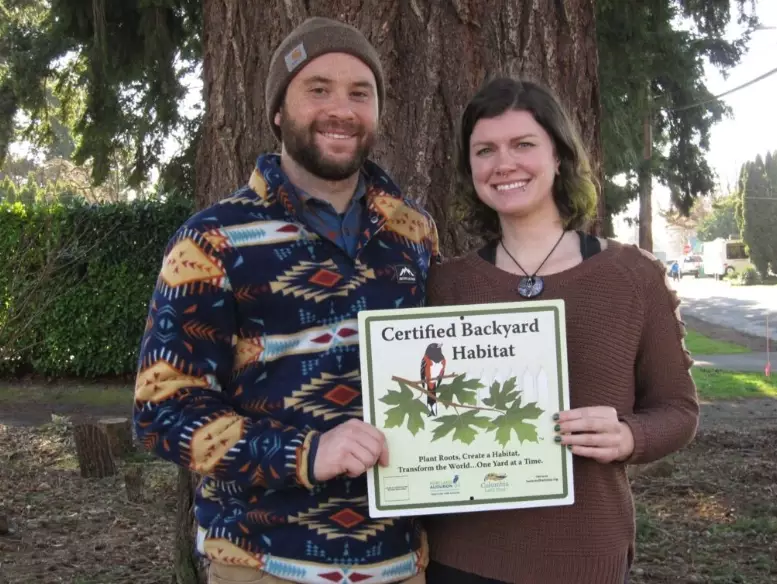
| Element | What It Means | Easy Examples |
|---|---|---|
| Food Sources | Provide natural food like nectar, seeds, or berries through plants. Supplemental feeders can help but aren't always required. | Plant sunflowers for birds, milkweed for monarch butterflies. |
| Water | A reliable water source for drinking and bathing. It doesn't have to be fancy. | A birdbath, a shallow dish, or even a dripping hose. |
| Shelter | Places where wildlife can hide from predators and weather. | Dense shrubs, rock piles, or a brush pile in a corner. |
| Places to Raise Young | Nesting sites or breeding areas. This is often overlooked. | Birdhouses, host plants for caterpillars, or undisturbed soil for ground-nesters. |
| Sustainable Practices | Managing your yard in an eco-friendly way to maintain soil and water health. | Using mulch, avoiding pesticides, and composting. |
When I certified my yard, I almost missed the "places to raise young" part. I had plenty of food and water, but it took adding a few native flowering plants to attract bees for nesting. Don't make that mistake—think of it as a checklist, not a wishlist.
How to Get Certified: A Step-by-Step Walkthrough
Let's walk through a real-life scenario. Say you're Jane, living in a suburban home with a 0.25-acre yard. Here's how she did it.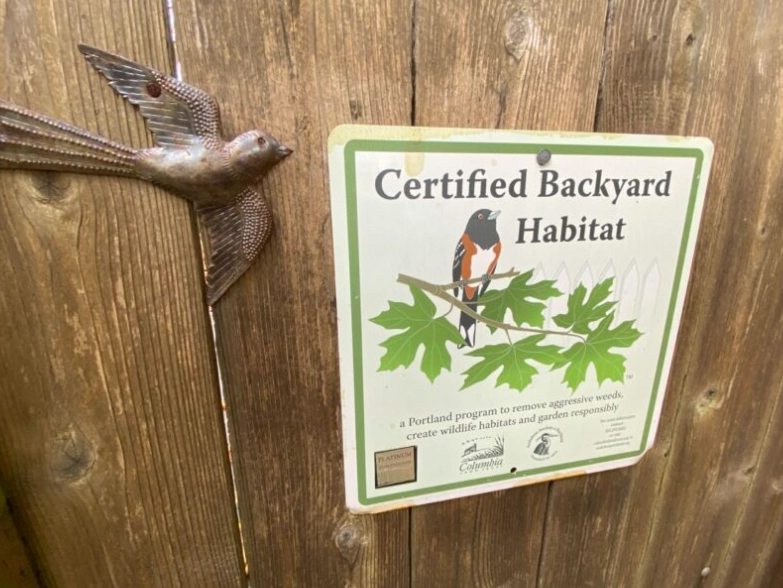
Step 1: Assess Your Current Yard
Jane started by taking photos of her yard from different angles. She noted what was already there: a maple tree, some grass, and a small pond. She realized she had water covered but needed more food sources. This step saves time later—you can't improve what you don't measure.
Step 2: Add the Missing Elements
Jane planted a mix of native perennials like coneflowers and black-eyed Susans for food. She also built a simple brush pile behind her shed for shelter. Cost-wise, she spent about $200 on plants from a local nursery, but you can start cheaper with seeds. The key is to phase it in; you don't need everything at once.
Step 3: Document Everything
Most programs require photos or a short description. Jane took pictures of her new plants, the pond, and the brush pile. She also wrote notes on her sustainable practices, like using rain barrels. I recommend keeping a digital folder—it makes the application smoother.
Step 4: Submit the Application
Jane applied through the National Wildlife Federation's website. The process took about 4 weeks, and she paid a $20 fee for the certification and sign. Some local programs might be free, so check around. If you're in an apartment, look for balcony certification options; organizations like Audubon sometimes offer them.
Step 5: Maintain and Enjoy
After certification, Jane noticed more birds within a month. She now spends less time mowing and more time watching wildlife. But maintenance is ongoing—she weeds occasionally and refreshes the water source weekly.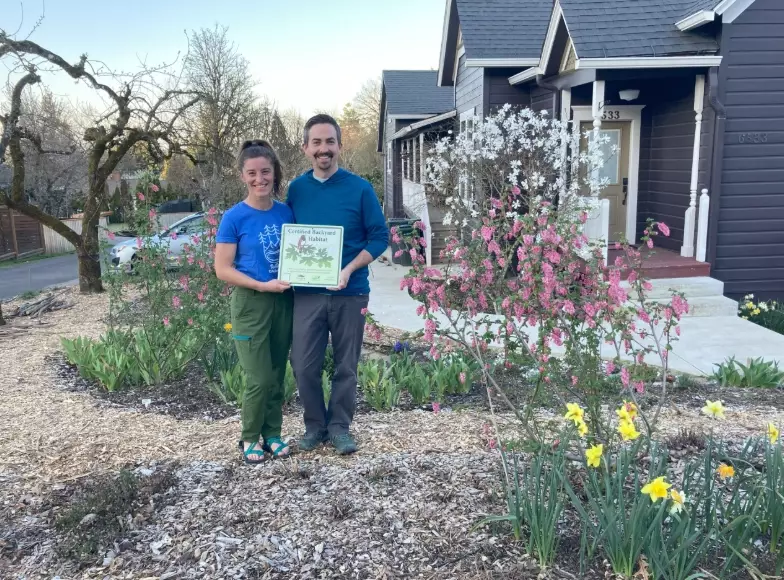
Pro tip: Don't wait for perfection. My first application was rejected because I overthought it. Start small, document as you go, and apply when you have the basics. The reviewers are looking for effort, not a botanical garden.
Common Mistakes I've Seen (and Made)
Here's where most people slip up, based on my experience and talking to other gardeners.
Over-relying on feeders. Bird feeders are great, but certification programs often emphasize natural food sources. I made this error—I had three feeders but few native plants. The reviewer pointed out that feeders can attract pests if not maintained. Balance is key.
Ignoring water quality. A stagnant birdbath can breed mosquitoes. I learned the hard way after getting complaints from neighbors. Now, I change the water every few days and add a small agitator. It's a simple fix that makes a big difference.
Going too tidy. Wildlife loves a bit of mess. I used to rake every leaf, but now I leave some in a corner for insects. It felt wrong at first, but it's now the most active part of my yard. If you're a neat freak, this might be a struggle, but try designating a "wild zone."
Not checking local regulations. In some areas, brush piles or certain plants might violate HOA rules. A friend of mine had to remove his certification sign after a complaint. Always review your local codes before starting—it saves headaches later.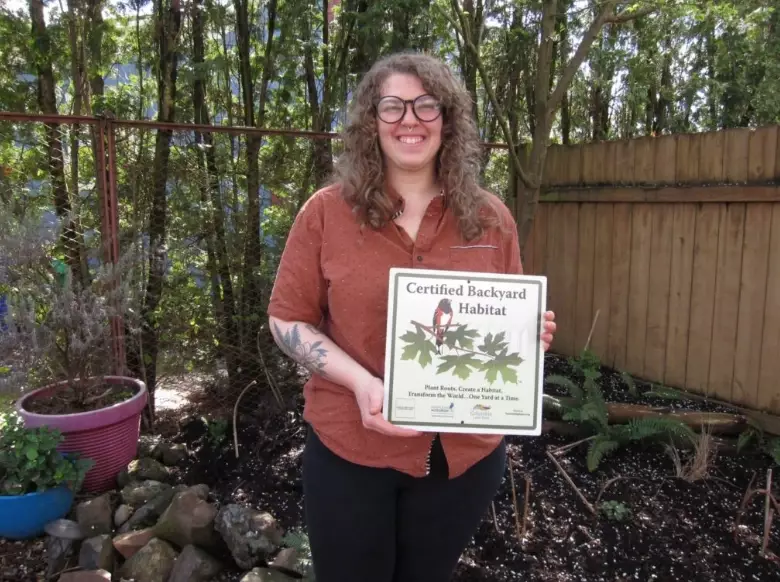
Your Burning Questions Answered
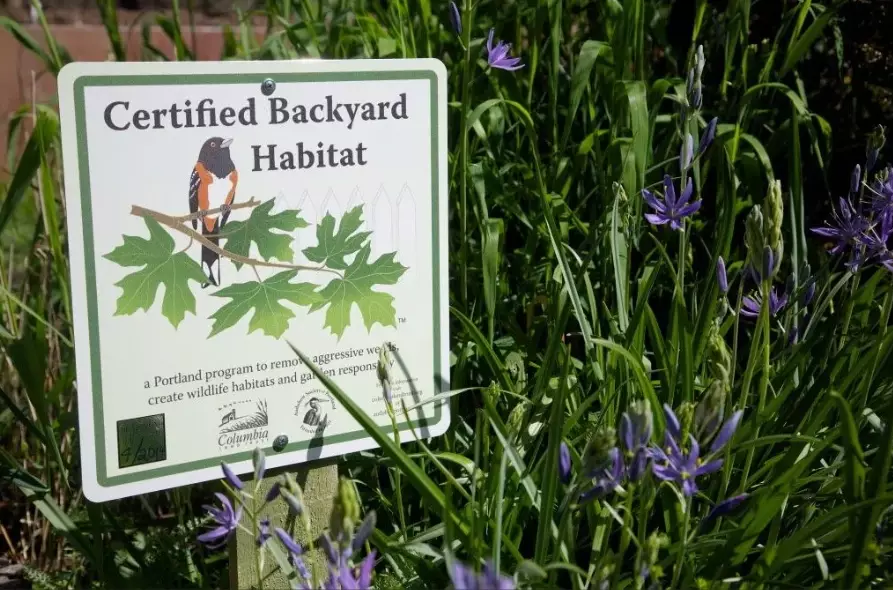 What's the biggest misconception about backyard habitat certification?
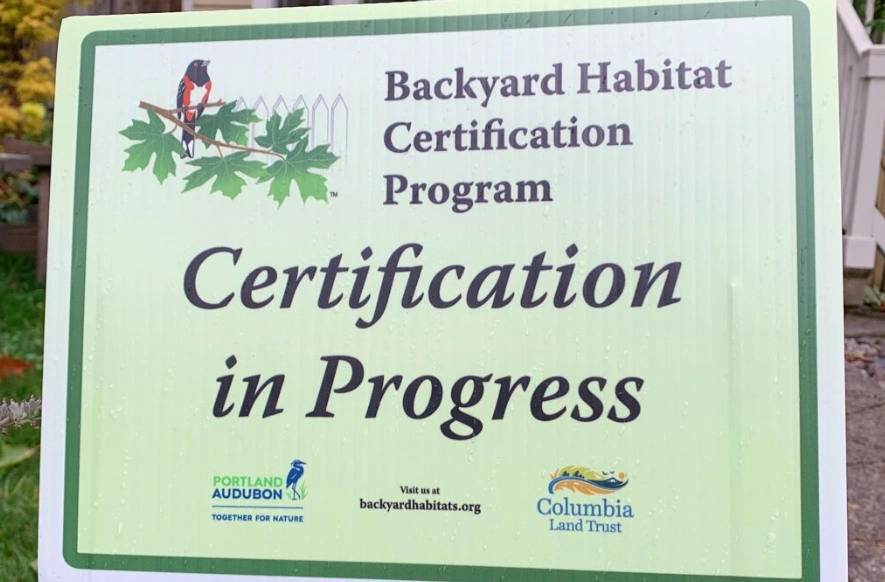 Backyard habitat certification isn't a one-size-fits-all deal. It's about adapting to your space and making incremental changes. I started with a messy lawn and now have chickadees nesting yearly. If you're on the fence, just pick one element to improve this week—maybe add a water source or plant a native shrub. The wildlife will thank you, and you'll get a front-row seat to nature's show.


Join the Conversation