So you've brought home a vibrant green parrot—maybe an Amazon, a Quaker, or an Eclectus. That initial excitement is real. But then the questions hit. What do I feed it? Is that cage big enough? Why is it screaming? I've been keeping parrots for over a decade, and I've made every mistake in the book so you don't have to. Green parrot care isn't just about keeping a bird alive; it's about helping a complex, emotional creature thrive. This guide cuts through the fluff and gets straight to what actually works.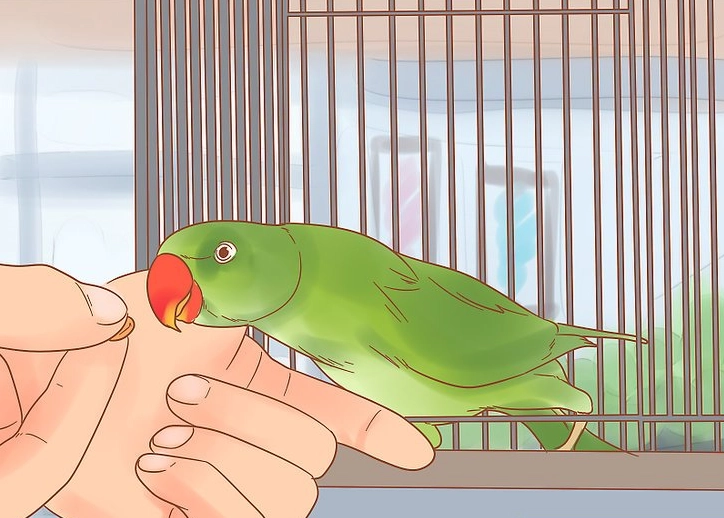
Your Quick Guide to Green Parrot Happiness
Fix the #1 Diet Mistake First
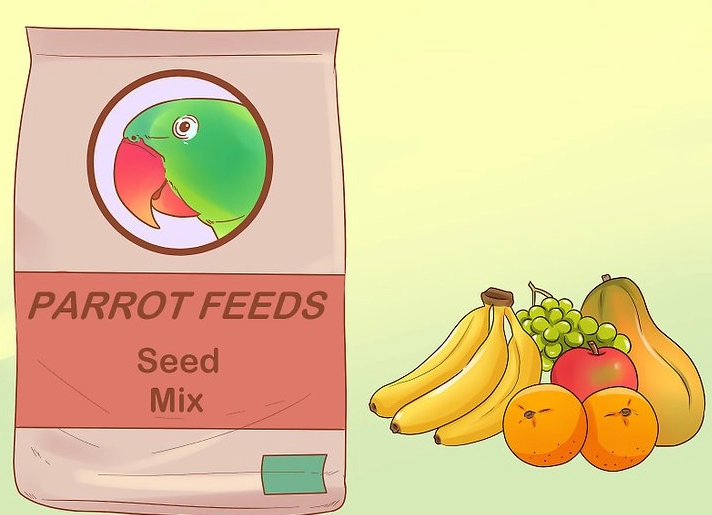
Most people think a bowl of seeds is a complete diet. It's not. It's like feeding a kid nothing but potato chips. Seeds are high in fat and low in nearly everything else a parrot needs. The foundation of green parrot care is a varied, nutrient-rich diet.
Here's the breakdown that changed everything for my birds:
A common pitfall? Introducing new foods. Parrots are neophobic—scared of new things. You can't just drop a broccoli floret in the bowl and expect cheers. I dice new veggies super fine and mix them with a favorite food, like a bit of cooked quinoa or whole wheat pasta. Sometimes, I have to eat the same food in front of them, making exaggerated "mmm" sounds. It feels silly, but it works.
Never, ever feed them avocado, chocolate, caffeine, or onions. These are toxic. Also, watch the salt. A single salty chip can mess with a small bird's kidneys.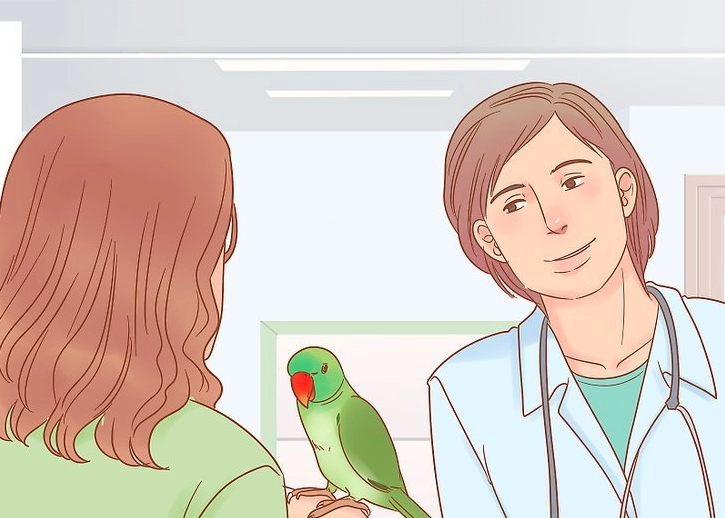
What a Weekly Food Prep Looks Like
Sunday evening, I chop a week's worth of veggies, mix them up, and store them in the fridge. Each morning, I take a handful, maybe add some thawed frozen peas or corn, and top it with a tablespoon of pellets. Fresh water, changed twice daily, is non-negotiable. A dirty water bowl is a bacteria party.
Building a Home, Not a Prison
The cage is where your parrot spends a lot of time. It should be a safe haven, not a boring box. The biggest cage you can afford and fit is the right answer. For a medium-sized green Amazon, I wouldn't go smaller than 36"W x 24"D x 48"H. Bar spacing is critical—too wide, and they can get their head stuck. For most parrots, 3/4" to 1" is safe.
Placement matters more than you think. A quiet corner is bad. Parrots are flock animals; they need to be where the action is—the living room or family room—but not in direct sunlight or drafts. Never put the cage in the kitchen. Fumes from non-stick pans (Teflon) can kill a bird in minutes.
Now, the interior design.
| Cage Element | What to Get | Why It Matters | Common Mistake |
|---|---|---|---|
| Perches | Natural wood of varying diameters (manzanita, dragonwood) | Prevents pressure sores (bumblefoot) and exercises feet. | Using only sandpaper perches or dowels of the same size. |
| Toys | Foraging toys, shreddable wood, leather, acrylic puzzles | Mental stimulation prevents boredom, screaming, and feather plucking. | Filling the cage with pretty but indestructible toys the bird ignores. |
| Food/Water Dishes | Stainless steel, secured to cage bars | Easy to clean, durable, and can't be chewed or tipped easily. | Plastic bowls that get scratched and harbor bacteria. |
| Sleeping | A cozy hut or a covered perch area (for some species) | Provides security and a dedicated dark, quiet place for 10-12 hours of sleep. | Keeping the cage uncovered in a bright room all night. |
Rotate toys every week or two. A "new" toy is exciting. I keep a toy box and swap them out. The goal is enrichment—giving them a job to do. A foraging toy that makes them work for a nut is worth ten toys that just sit there.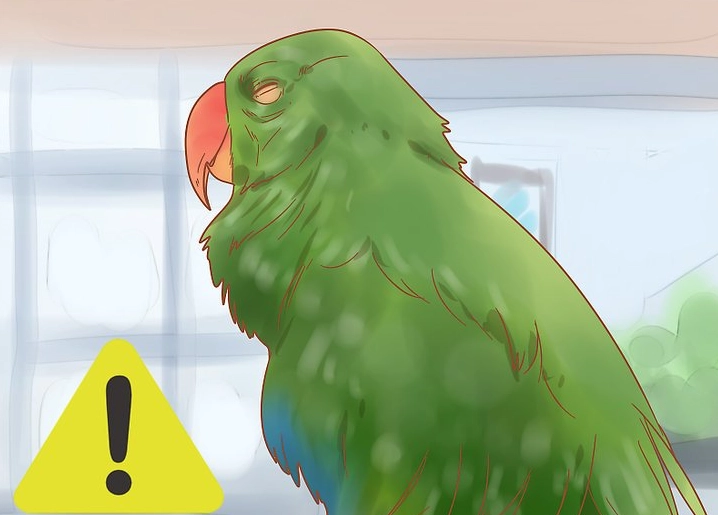
Training That Actually Works (Beyond "Step Up")
Everyone teaches "step up." That's basic. The real magic of green parrot care happens with positive reinforcement training. It builds trust and solves problems. Forget dominance theories; parrots don't understand them. They do understand cause and effect.
Use a clicker or a distinct word like "good!" followed immediately by a tiny, high-value treat (a piece of pine nut or safflower seed). Mark the exact moment they do something you like.
Let's tackle a big one: screaming. Parrots scream in the wild to communicate with the flock over long distances. Your parrot screams because it works—you come running. The trick isn't to punish the scream, but to reward quiet. When they're being calm and quiet, walk over and give a treat or attention. Ignore the screams (hard, I know). Over time, they learn quiet brings good things.
Another crucial skill: recall training. Teaching your parrot to fly to you on cue inside the house is not just cool; it's safety. Start short, with lots of rewards. This can save them if they get spooked and fly somewhere unsafe.
Biting. It happens. Never hit or yell. It usually means they're scared, overstimulated, or guarding something. Just put them down calmly and walk away for a minute. You're removing the thing they wanted (your interaction).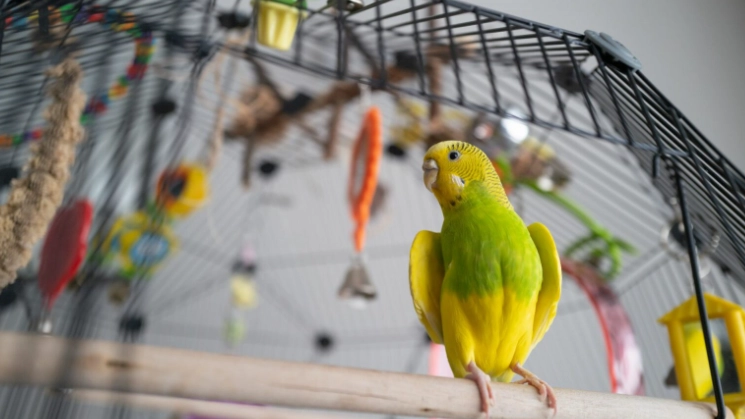
Spotting Sickness Before It's Serious
Parrots are masters at hiding illness. In the wild, a sick bird is a target. By the time they look obviously sick, they're often critically ill. You have to be a detective.
Daily check-ins are key. Know their normal poop. Is it suddenly all green and watery? Are they sitting fluffed up at the bottom of the cage when they're usually active? Is there a change in appetite or voice? Any sneezing or discharge from the nares (nostrils)?
Find an avian veterinarian before you have an emergency. Not all vets see birds. The Association of Avian Veterinarians website is a good place to start your search. Schedule yearly check-ups, just like for a dog or cat. A blood panel can catch liver or kidney issues early, often caused by those old seed-only diets.
Watch their feet and beak. Overgrown beak or nails can indicate liver disease or just a lack of proper chewing surfaces. A good array of wood perches and toys often keeps trims to a minimum.
Feather condition is a billboard for health. Dull, ragged feathers can point to nutritional deficiencies (common in seed-only diets) or underlying disease. Stress bars (lines across the feathers) indicate a traumatic event during feather growth, like an illness or scare.
If you see any of these red flags, don't wait. Call your avian vet. Having a carrier ready and knowing the clinic's emergency hours is part of responsible green parrot care.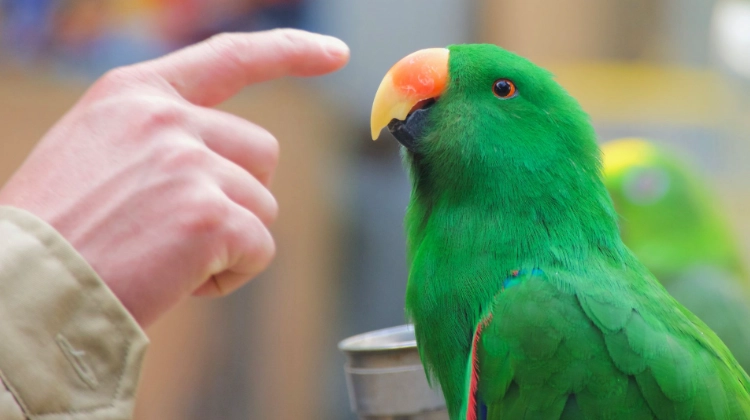
Your Top Parrot Care Questions Answered
 How much out-of-cage time does my parrot need daily?
Join the Conversation