Getting the feeding schedule right is one of the biggest worries for new and even experienced ball python owners. Feed too much, and you risk obesity. Feed too little, and growth stalls. The worst part? Most generic advice online is just plain wrong or too vague to be useful. After years of breeding and caring for these snakes, I've seen the confusion firsthand. This guide cuts through the noise. We'll break down a precise ball python feeding chart by age, explain the why behind each recommendation, and tackle the tricky situations charts alone can't solve.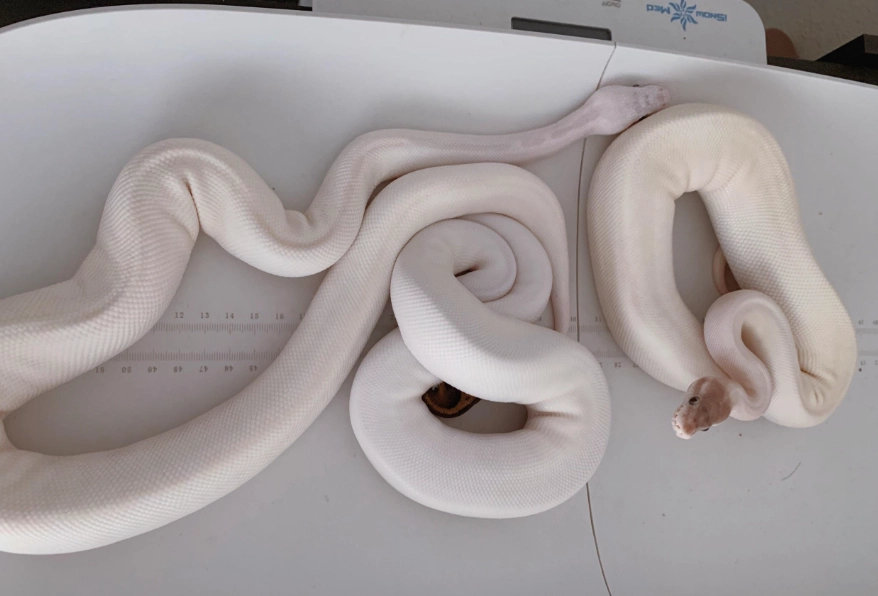
Quick Navigation
The Core Ball Python Feeding Chart by Age & Weight
Forget just going by age. Weight is the king. A six-month-old snake can vary wildly in size. This chart uses both age and weight ranges to give you a much more accurate starting point.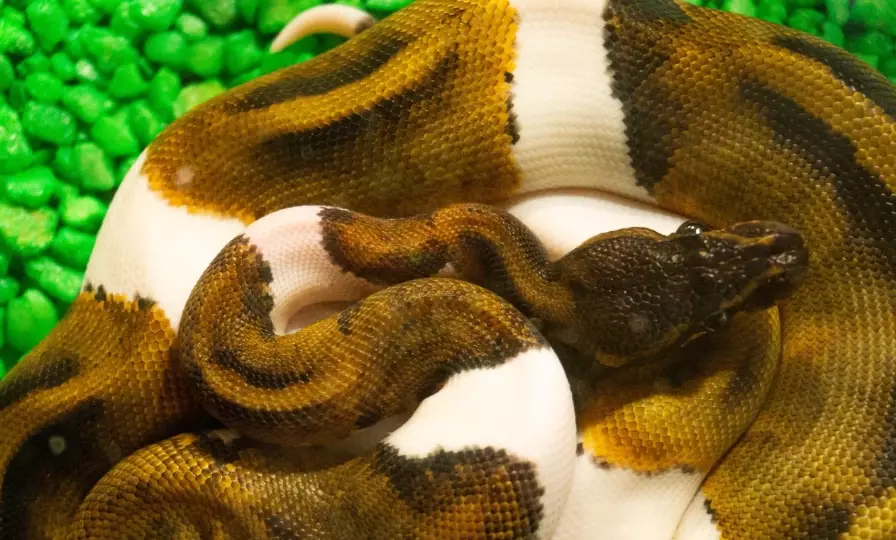
| Life Stage | Approximate Age | Typical Weight Range | Feeding Frequency | Prey Type |
|---|---|---|---|---|
| Hatchling | 0 - 6 months | 50g - 200g | Every 5 - 7 days | Hopper mice or fuzzy rats |
| Juvenile | 6 months - 1.5 years | 200g - 700g | Every 7 - 10 days | Small adult mice or weaned rats |
| Sub-Adult | 1.5 - 3 years | 700g - 1500g | Every 10 - 14 days | Medium rats or large mice |
| Adult | 3+ years | 1200g+ (Females larger) | Every 14 - 21 days | Medium/Large rats |
See that adult frequency? This is where most people mess up. A healthy adult ball python does not need to eat weekly. In fact, feeding a 1500g female a medium rat every two weeks is often too much. I've taken in "rescues" that were fed weekly and were morbidly obese, their scales stretched and their movement labored. It's a slow, unhealthy way to treat your pet.
Let me give you a real example. I have a male pastel named Kai. He hit 800 grams at about two years old. According to the chart, he's a sub-adult. I feed him one small rat (about 50-70g) every 12 days. He maintains perfect body condition—a softly rounded triangle shape, no spine visible, no fat rolls. If I fed him weekly, he'd be a sausage within six months.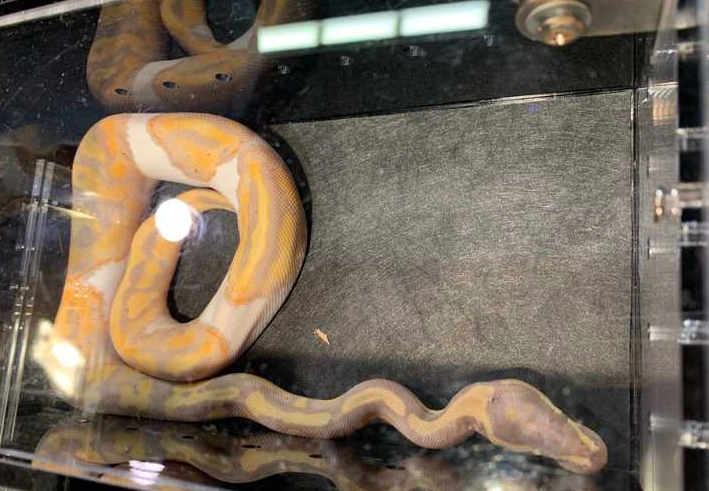
How to Determine the Right Prey Size (Beyond the Chart)
The chart gives prey types, but the golden rule is more precise: the prey item should be roughly the same width as the widest part of the snake's body, or slightly larger. A bulge after feeding is normal; a massive, distorted lump is not.
Pro Tip: Don't guess. Use a kitchen scale. Weigh your snake, then weigh the frozen rodent. For hatchlings and juveniles, the prey weight can be 10-15% of the snake's body weight. For adults, it drops to 5-7%. This math beats eyeballing it every time.
Another nuance nobody talks about: rat pups versus mice. For a 150g hatchling, you could offer a larger fuzzy mouse or a smaller rat pup. I strongly lean towards rats from the start if possible. They are more nutritious, and switching a mouse-eater to rats later can be a nightmare. I learned this the hard way with my first snake, who refused rats for a year after being raised on mice.
3 Common Feeding Mistakes You're Probably Making
Charts are static. Real-life feeding is dynamic. Here are the subtle errors I see constantly.
1. Feeding by the Clock, Not by the Snake. The schedule is a guide, not a commandment. If your snake is in deep blue (pre-shed), it will likely refuse food. Don't panic and try again the next day. Wait until after it sheds. Similarly, during cooler winter months, even without full brumation, an adult's metabolism may slow. It's okay to stretch that interval to 3 weeks if they seem disinterested.
2. Overreacting to a Fast. Ball pythons are famous for going off food, sometimes for months, with no apparent reason. A healthy adult can fast for 4-6 months without issue. The biggest mistake is desperately offering food every few days or switching prey types constantly. This stresses them more. Offer once every 2-3 weeks on the normal schedule, and if refused, remove the prey and try again later.
3. Ignoring Body Condition. This is critical. Your snake's shape tells you if the chart is working. A healthy ball python should have a rounded, loaf-of-bread shape, not a sharp, bony spine (underweight) and not a shape with a pronounced dip before the tail where fat rolls form (obese). Adjust frequency or prey size based on what you see, not just the calendar.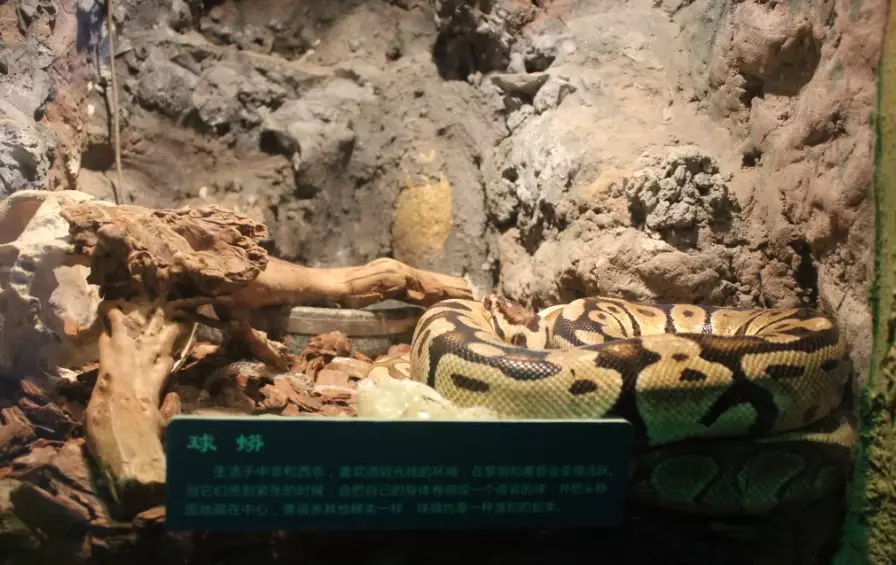
What to Do When Your Ball Python Refuses Food
This is the single biggest anxiety point for owners. Let's walk through a systematic approach, the one I use in my own collection.
First, check your husbandry. Is the temperature on the warm side 88-92°F? Is the cool side 75-80°F? Are there two snug, enclosed hides? Stress from incorrect temps or feeling exposed is the #1 cause of refusal. A source like Reptiles Magazine consistently highlights proper thermal gradients as fundamental.
Second, assess the situation. Is it a hatchling that's never eaten? Try a live pinky mouse (under strict supervision) or braining a frozen-thawed one. Is it an adult that just stopped? Consider season, recent handling, or a minor enclosure change.
My last resort trick, which works about 70% of the time for stubborn cases, is the late-night, pre-warmed offering. Thaw the rodent in hot water until it's very warm (102°F, test with a temp gun). At 10 or 11 PM, in near darkness, gently dangle it in the enclosure with long tongs. The combination of warmth, darkness, and their natural nocturnal activity peak often triggers a feeding response when daytime attempts fail.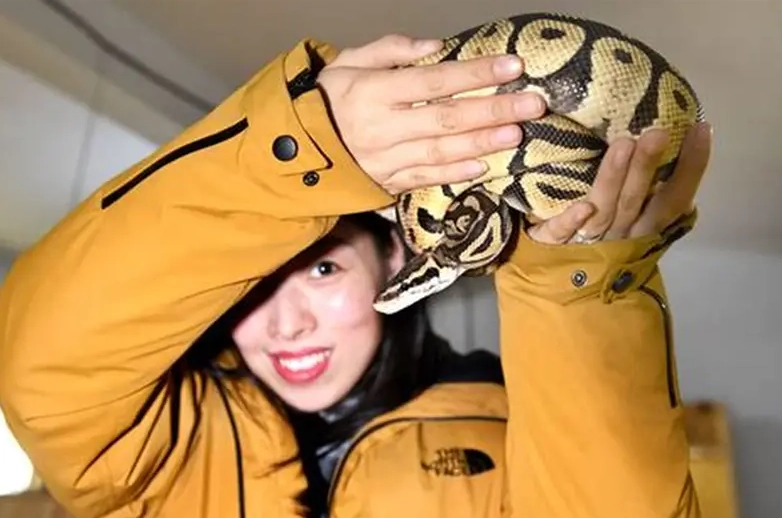
Your Ball Python Feeding Questions Answered
Probably not, especially if it's an adult and you've ruled out illness (no wheezing, no mites, clear mouth). This is frustratingly normal. Weigh him monthly. If he's losing more than 10% of his body weight or appears visibly thinner, a vet check is wise. Otherwise, maintain your routine. The constant offering and worrying often does more harm than the fast itself.
Frozen-thawed (F/T) is safer and recommended. Live rodents can inflict serious bites and scratches on your snake. F/T is also more convenient and humane. The transition can be tough for some snakes. If you're struggling, ensure the prey is heated thoroughly (using a hair dryer on the head can help), and try the late-night feeding method mentioned above. Never leave a live rodent unattended with your snake.
 How do I know if I'm underfeeding or overfeeding my ball python?
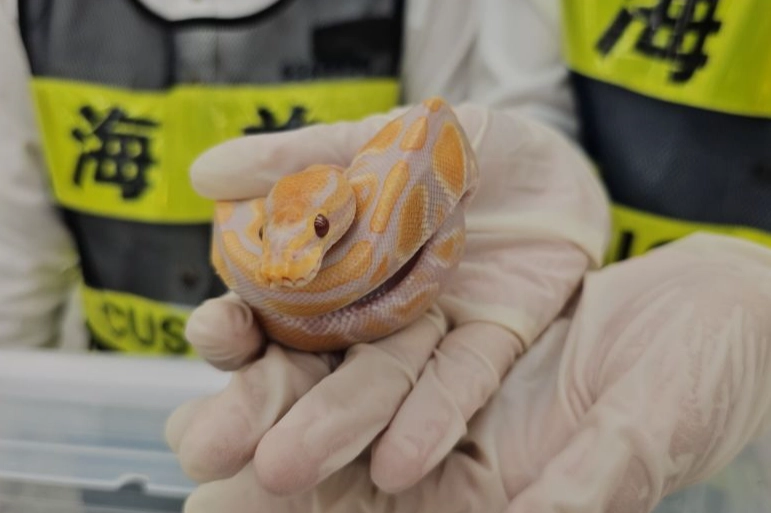
Your eyes and a scale are your best tools. Underfeeding: Prominent, sharp spine visible; body appears triangular or overly streamlined; skin may look loose. Overfeeding: Rounded, sausage-like body with fat rolls, especially near the tail; a distinct "cleavage" along the spine (fat pads on either side); scale spread where skin is visible between scales. Aim for the smooth, rounded loaf shape. A digital photo every few months helps track changes you might miss day-to-day.
Absolutely not. Metabolic rates vary dramatically. A corn snake of the same weight as a ball python will eat more frequently. A boa constrictor has a slower metabolism. This chart is specific to ball pythons. Using it for another species could lead to severe underfeeding or dangerous overfeeding.
Stick to the principles in this guide—weight-based prey sizing, longer intervals for adults, and reading your snake's body condition over blindly following any chart—and you'll avoid most feeding pitfalls. It's not about memorizing a schedule, but understanding the logic behind it. That's what turns a worried owner into a confident keeper.




Join the Conversation