You want a pet. The idea of a furry friend is appealing, but your life isn't a blank slate. You have a job, maybe kids, an apartment with limited space, or you just don't see yourself walking something in the rain at 6 AM. The good news? The world of small pets is packed with fantastic, easy-care options that fit into busy modern lives. Forget the high-maintenance stereotypes. We're talking about companions that offer affection, entertainment, and a touch of nature without demanding your entire schedule. This guide cuts through the noise and gives you the real, practical details on the top contenders for the title of best low-maintenance pet.
What’s Inside?
Why Choose a Small Pet? The Realistic Benefits
Let's be honest. A golden retriever puppy is magical, but it's also a full-time job. Small pets offer a different kind of pet ownership. It's more contained, more manageable, and for many people, far more sustainable.
Space is the obvious one. A proper hamster cage fits in a corner where a dog crate would dominate a room. Cost is another huge factor. Initial setup for a small mammal might run you $200-$400 for everything top-quality, whereas a dog's first year can easily hit $2000. Time commitment is the clincher. Daily care for a hamster might be 15 minutes of feeding and spot-cleaning. A weekly deep clean takes 30. Compare that to daily walks, training sessions, and constant engagement.
But it's not just about less work. There's a unique joy in creating a miniature ecosystem. Watching a gerbil engineer complex burrows in its bedding, or hearing the gentle “wheeking” of a guinea pig at dinner time, provides a specific, quiet kind of satisfaction. For kids, they teach responsibility without overwhelming them (though adult supervision is always key). For adults in apartments or with hectic jobs, they offer companionship without the guilt of leaving a social animal alone for a standard workday.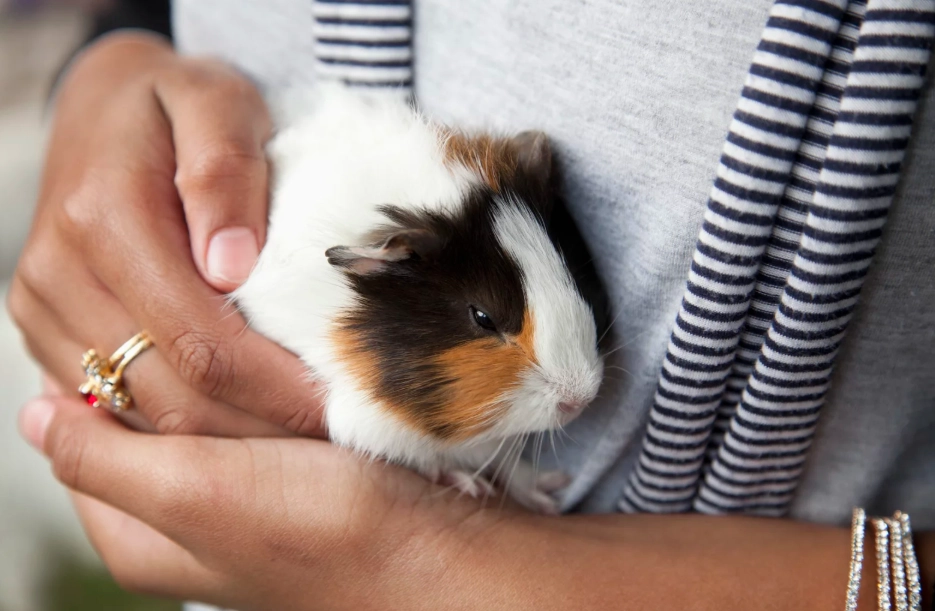
The Top 5 Easy-Care Small Pets, Ranked by Practicality
Based on a decade of keeping, observing, and yes, sometimes failing with small pets, here's my honest breakdown. I'm ranking these on a combined score of ease of care, upfront cost, space needs, and handling enjoyment.
| Pet | Key Personality & Care Trait | Ideal For | Initial Setup Cost (Approx.) | Weekly Time Commitment |
|---|---|---|---|---|
| 1. Syrian Hamster | Solitary, nocturnal, curious diggers. Need a large, deep cage for burrowing. | People who enjoy observing more than handling; night owls. | $250 - $350 | 1-2 hours |
| 2. Guinea Pig | Highly social, vocal, diurnal (active day/evening). MUST be kept in pairs/groups. | Families, those wanting a more interactive, daytime pet. | $400 - $600 (for pair) | 3-4 hours |
| 3. Gerbil | Highly social, active, ingenious burrowers. Must be kept in same-sex pairs. | Anyone fascinated by natural behaviors; needs a tank, not a wire cage. | $300 - $400 (for pair) | 1-2 hours |
| 4. Fancy Mouse | Social, intelligent, agile climbers. Best in small, same-sex groups. | Patient owners who appreciate fast, clever animals. | $200 - $300 (for trio) | 2-3 hours |
| 5. Fancy Rat | Exceptionally social, intelligent, affectionate. Must be kept in pairs. | Those wanting a dog-like companion in a small package. | $350 - $500 (for pair) | 4-5 hours |
Deep Dive: The #1 Pick & The Common Misstep
The Syrian Hamster tops my list for solo, first-time owners. Why? Their solitary nature means you don't have to navigate pair bonding or potential fights. Their care routine is straightforward: a quality seed mix, fresh veggies, a large wheel, and about 6+ inches of paper-based bedding to satisfy their intense burrowing instinct.
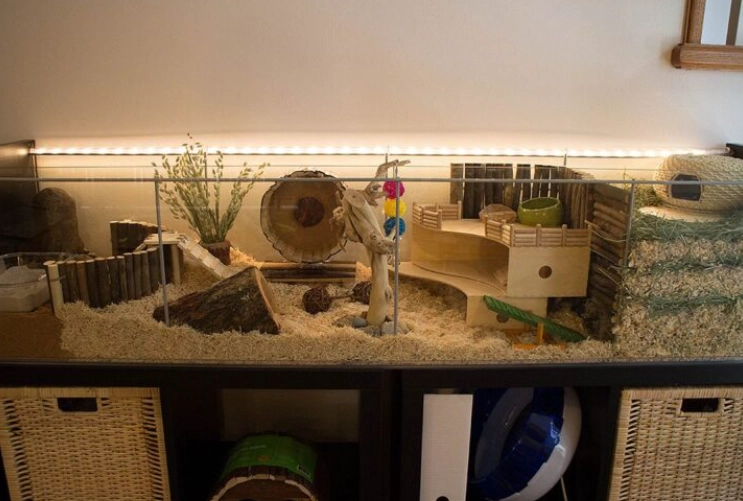
Here's the mistake almost everyone makes: buying a tiny, plastic "starter" cage. Pet stores sell them, but they are animal welfare nightmares. A proper Syrian hamster enclosure needs a minimum of 750 square inches of continuous floor space (like a large 40-gallon breeder tank or a DIY bin cage). The cage is your biggest upfront cost, but getting it right prevents a world of stress (for you and the hamster) later. A stressed hamster in a small cage will bite, bar-climb, and try to escape constantly.
The Social Butterfly Choice
If you want daytime interaction, the Guinea Pig is your best bet. Their cheerful wheeking when they hear the fridge open is pure joy. But you cannot have just one. They are herd animals and get profoundly depressed alone. You need at least two, which doubles food and vet costs. Their main work is providing unlimited hay (timothy hay is best), daily vitamin C-rich veggies, and a weekly cage clean-out. Their larger size means a bigger cage (aim for at least 8 square feet for a pair), and they produce more waste, so cleaning is a bit more involved.
How to Choose the Right Pet for YOUR Life
Look beyond the cute face. Ask yourself these questions:
- Your Schedule: Are you home in the evenings (good for guinea pigs) or do you work late and are up at night (might suit a hamster)?
- Your Space: Measure it. A guinea pig cage needs a real footprint. A hamster tank can go on a sturdy desk.
- Your Budget: Initial cost is one thing. Factor in monthly food/bedding ($20-$50) and, crucially, exotic pet vet funds. A simple infection can cost $150. Have a savings buffer.
- Your "Handling" Desire: Do you want to cuddle a rat for an hour, or are you happy to watch a gerbil tunnel from the outside?
- Allergies: Spend time around hay (for guinea pigs/rabbits) or the specific bedding before committing. Pet allergies are a common reason for rehoming.
My personal rule? If you're even slightly unsure between two species, choose the one with the simpler social needs. Managing a solitary pet is infinitely easier than managing group dynamics for a beginner.
The Essential Low-Maintenance Setup & Care Guide
Getting the habitat right from day one is 90% of achieving "easy-care." A good setup almost runs itself.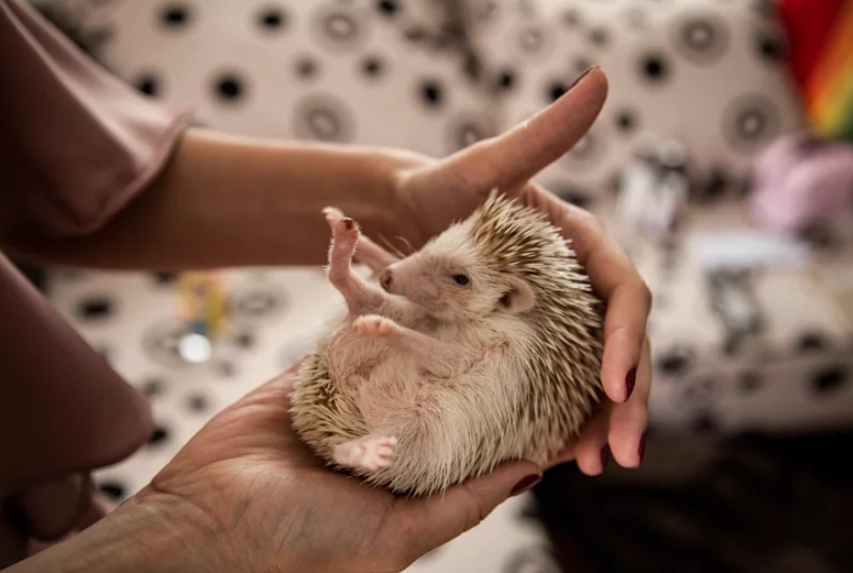
The Non-Negotiables for Any Small Pet:
- Large Enough Enclosure: Bigger is always better. It reduces odor, stress, and behavioral problems.
- Proper Bedding: Aspen shavings or paper-based bedding for most. Never use cedar or pine shavings—the fumes are toxic to small lungs.
- Hideouts: Multiple places to feel safe and sleep. Ceramic hides are great for chewing species.
- Species-Appropriate Food: Not just pet store seed mixes. Research. Guinea pigs need hay constantly. Rats thrive on lab blocks supplemented with fresh food.
- Water Source: A sturdy, tip-proof bowl or a bottle checked daily for clogs.
- Enrichment: A solid-surface wheel (for runners), tunnels, chew toys. Boredom is the enemy of an easy pet.
The cleaning routine is what makes it sustainable. I use a two-tier system:
- Daily/Every Other Day: Spot clean. Scoop out soiled bedding, especially in corners. Refresh food and water. This takes 5 minutes.
- Weekly/Bi-Weekly: Full clean. Remove everything, scrub the base with vinegar/water (never harsh chemicals), replace 1/2 to 2/3 of the bedding. Leave a bit of old, unsoiled bedding to retain familiar smells and reduce stress. This takes 20-45 minutes.
Common Beginner Mistakes (And How to Avoid Them)
I've made these, seen friends make them. Let's skip the hard lessons.
Mistake 1: Impulse Buying at the Pet Store. That tiny, trembling creature pulls your heartstrings. You buy it, a small cage, and a bag of food. You're set up for failure. The Fix: Research for at least a week. Have the entire habitat set up and running in your home before you bring the pet home.
Mistake 2: Ignoring Social Needs. Getting one guinea pig or one gerbil because "it's easier." It's cruel. They are social and need their own kind. The Fix: If the species is social, commit to a bonded pair from the start. Adopt from a rescue where they may already be paired.
Mistake 3: Overhandling Too Soon. Bringing a scared animal home and immediately trying to play with it. The Fix: Give them 3-7 days to settle in with minimal disturbance. Talk to them, offer treats from your hand, but let them initiate contact.
Mistake 4: Cheap, Sugary Diets. Those colorful seed mixes with dried fruit and yogurt drops? They're junk food. They lead to obesity and health issues. The Fix: Buy high-quality, plain seed/pellet mixes and supplement with fresh, safe vegetables. The nutrition guides from the House Rabbit Society (for rabbits) and American Fancy Rat and Mouse Association are excellent resources for other species too.
Your Questions, Answered Honestly
I have allergies. Is there a truly hypoallergenic small pet?
No mammal is 100% hypoallergenic. Allergies are usually to dander (skin flakes), saliva, or urine. Rodents like hamsters, gerbils, and mice can be problematic. Some people find they react less to guinea pigs, but their hay is a major allergen. Your best bet might be a reptile like a leopard gecko or a fish, which are in a completely different category. If set on a mammal, spend extended time in a small pet rescue center to test your reaction before adopting.
How do I keep a small pet cage from smelling in my apartment?
Odor is a sign of a problem, not an inevitability. The number one cause is a cage that's too small or cleaned too infrequently. A large enclosure with ample absorbent bedding (like paper-based or aspen) spreads out waste and dries it faster. Spot cleaning every other day is more effective than one big weekly stinky clean. For male mice and rats, litter training them in a corner box can centralize urine. Diet also matters; poor-quality food leads to smellier waste.
 What's the easiest small pet for a child who will eventually do most of the care?
Temperament is key here. A pair of gerbils is often a great choice. They are less prone to biting than hamsters when startled, are active during daytime hours, and their fascinating burrowing behavior is engaging. The parent must oversee all care and handling, especially at first, and be prepared to take over fully when the child's interest wanes (which is common). Avoid fragile pets like mice for young children.
Can I leave my small pet alone for a weekend trip?
For a single weekend (2-3 nights), most healthy adult small pets can be okay with preparation. The Friday before you leave, do a full cage clean. Provide multiple sources of fresh water (two bottles in case one fails) and fill food dishes to overflowing with their dry food. Avoid leaving perishable veggies. For social pets like guinea pigs, this is the maximum time alone. For any longer period, or for pets with medical needs, you must have a reliable pet sitter who can check in daily.
Hamster vs. Guinea Pig: Which is actually lower maintenance?
On a strict daily minutes-of-work basis, the solitary Syrian hamster wins. One animal, less waste, simpler dietary needs (no constant hay), and nocturnal so they don't demand attention during your busy day. However, "maintenance" includes emotional labor. A guinea pig's social needs are higher—they require a friend and more direct interaction—but that interaction is also more reliably rewarding during daylight hours. It's a trade-off: physical maintenance (hamster) vs. social/emotional maintenance (guinea pig). Choose based on what kind of care you prefer to give.



Join the Conversation