Quick Navigation
Let's be honest. You probably landed here because you've got a new furry potato, or you're thinking about getting one, and the sheer amount of information out there is overwhelming. One site says one thing, a forum says another, and your friend who had a guinea pig in third grade is giving you advice that sounds... questionable.
I've been there. I remember bringing my first guinea pig, Butterscotch, home and feeling that mix of excitement and pure panic. Was the cage big enough? Was that lettuce safe? Why was he making that weird noise?
This isn't just another generic list of facts. Think of this as the guinea pig care sheet I wish I had from day one. We're going to walk through everything, step by step, without the jargon. We'll cover the absolute essentials, bust some myths, and I'll even share a few things I learned the hard way so you don't have to.
Getting Started: The Foundation of Good Care
Before we dive into the nitty-gritty of veggies and vet visits, we need to get the basics right. A solid foundation makes everything else easier. The biggest mistake new owners make? Underestimating space and companionship.
Space: Your Guinea Pig's Castle
Forget the tiny, colorful pet store cages. Seriously. They are a major pet peeve of mine. A guinea pig is not a hamster; it's a larger, social animal that needs room to run, popcorning (that joyful little jump they do), and have separate areas for sleeping, eating, and pooping.
The absolute minimum recommended by experts, like the RSPCA and the Humane Society, is 7.5 square feet for one pig, but 10.5 square feet is better. For two, you're looking at at least 10.5 square feet, with more always being welcome. I personally aim for 12+ square feet for my pair. It makes a world of difference in their behavior.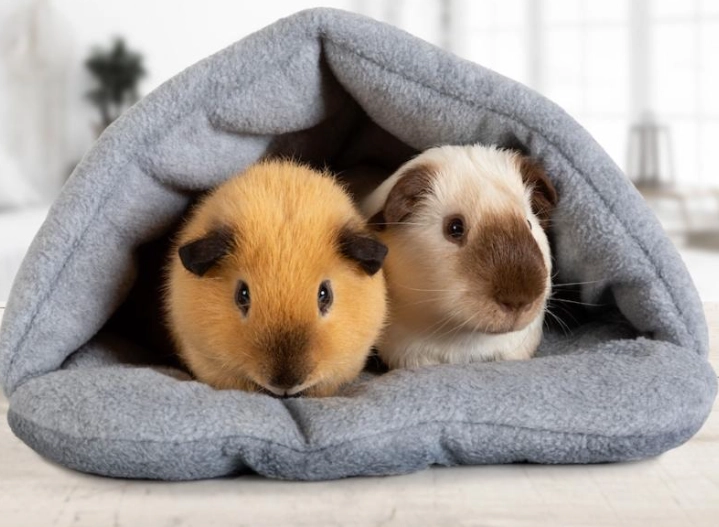
So, what are your main options?
- C&C Cages: The gold standard for many owners. Modular, customizable, and you can create a massive habitat for a reasonable price.
- MidWest Guinea Pig Habitat: A popular, well-sized commercial option that meets the minimum space requirements and can be connected to expand.
- Large Indoor Pens: Using large exercise pens on a protected floor area can create a fantastic, open living space.
The bottom line? Bigger is always, always better. A spacious cage is the single most important item on your guinea pig care sheet checklist.
The Non-Negotiable: Guinea Pig Friends
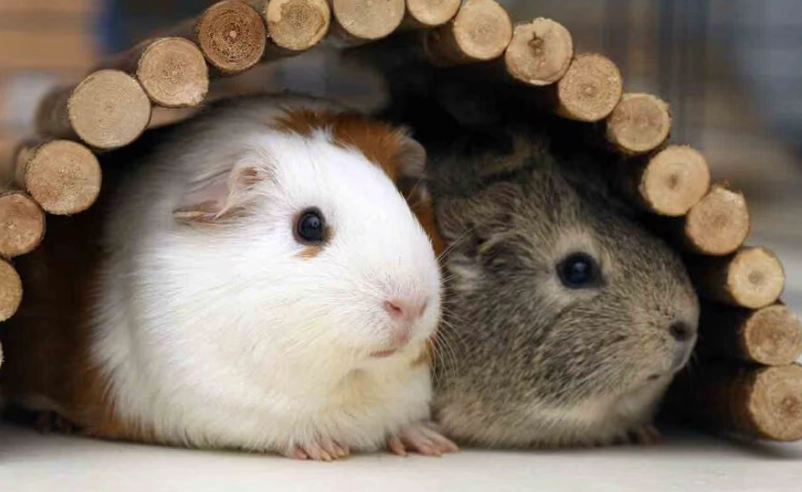
Here's a hard truth: guinea pigs should almost never live alone. They are profoundly social herd animals. In Switzerland, it's actually illegal to keep just one because it's considered inhumane. A lone guinea pig is often a bored, depressed, and less healthy guinea pig.
You need to plan for at least two. Same-sex pairs are easiest (two females or two neutered males). Introducing them takes patience—a process called "bonding"—but watching them interact, snuggle, and chatter to each other is one of the great joys of having them. The Guinea Pig Welfare organization has excellent resources on this if you're nervous about introductions.
The Daily Grind: Food, Water, and Cleanliness
Okay, home is set. Now, how do you keep these little guys thriving day-to-day? Their digestive systems are delicate and finely tuned, so getting their diet right is crucial.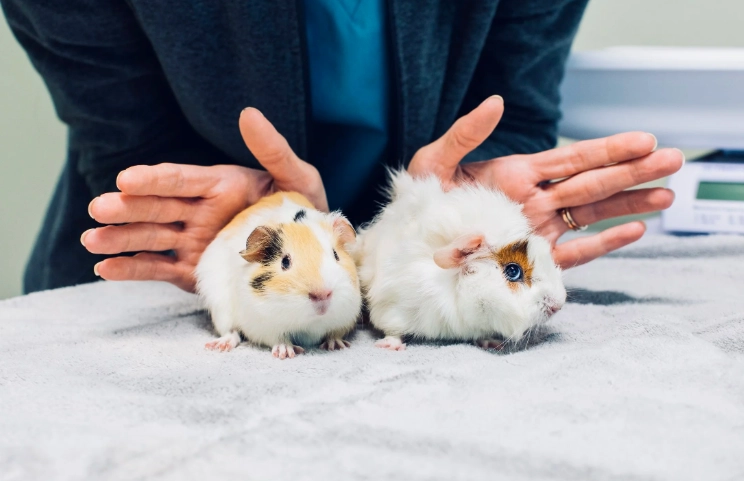
The Guinea Pig Diet: A Simple Formula
Their diet rests on three pillars, and getting the balance right prevents a lot of health issues.
| Food Type | What It Is | How Much & How Often | Key Purpose |
|---|---|---|---|
| Unlimited Hay | Timothy Hay, Orchard Grass, Meadow Hay. Avoid Alfalfa for adult pigs (too rich). | ALWAYS available. Refill constantly. | Wears down ever-growing teeth, provides essential fiber for gut health (80% of diet). |
| Fresh Vegetables | Leafy greens (romaine, cilantro, kale), bell peppers (for Vitamin C). | About 1 cup per pig per day, split into morning/evening feeds. | Provides vital Vitamin C (they can't make it themselves) and hydration. |
| High-Quality Pellets | Plain Timothy hay-based pellets, fortified with Vitamin C. | 1/8 cup per pig per day. Not a main food source! | Vitamin & mineral supplement. Avoid colorful mixes with nuts/seeds. |
| Fresh Water | Clean, filtered water. | Change daily, provide in a heavy ceramic bowl (better for posture) or bottle. | Hydration. Check bottles for clogs daily. |
Vitamin C is the big one. Without it, they get scurvy—yes, like pirates. It's awful. A slice of bell pepper (any color) daily is a perfect, low-sugar source.
Spot Cleaning and Deep Cleaning
Guinea pigs poop. A lot. Like, impressively so. A clean cage is a healthy cage.
- Spot Clean: Every single day. Scoop out wet patches of bedding and piles of poops. I use a small dustpan and brush. It takes 5 minutes and keeps smells down.
- Full Cage Clean: Once a week. Remove everything, scrub the base with a 50/50 white vinegar/water solution (safe and effective), replace all bedding. Wash hideys and food bowls.
For bedding, fleece liners are popular (reusable, soft) but require washing. Paper-based bedding is highly absorbent. Avoid cedar or pine shavings—the phenols in the wood can harm their respiratory systems.
Really, sticking to a simple cleaning routine makes life with guinea pigs pleasant. Letting it slide is a fast track to ammonia smells and potential health risks like bumblefoot (a nasty foot infection).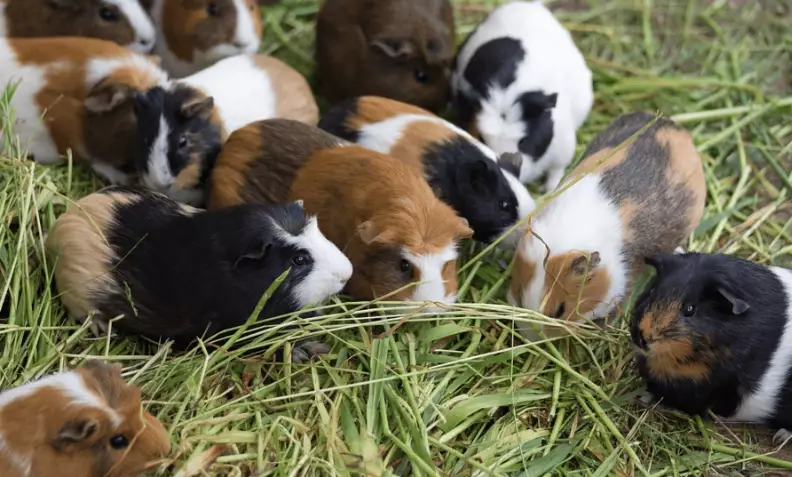
Health and Wellbeing: Knowing What's Normal
This is the part that worries people the most. Guinea pigs are prey animals, so they hide illness brilliantly. You have to be a detective.
Weekly Health Check You Can Do at Home
Once a week during cuddle time, give them a gentle once-over. It builds trust and helps you catch issues early.
- Eyes & Nose: Should be clear and dry. No crustiness or discharge.
- Ears: Clean, no foul smell or excessive wax.
- Teeth: Hard to see, but check that they aren't drooling or having difficulty eating. Unlimited hay is the best tooth-care plan.
- Fur & Skin: Part the fur. Look for flaky skin, bald patches, or parasites (little black specks or scurrying).
- Weight: Weigh them weekly with a kitchen scale. A sudden weight loss is often the first and only sign of serious illness.
- Feet & Nails: Check pads for redness. Nails will need trimming every 3-6 weeks.
When to Call the Vet (Not "If")
You will need an exotic vet at some point. Find one before you have an emergency. Regular vets often don't have the specific knowledge.
Red flags that need a vet immediately:
- Not eating or drinking (this is an emergency within hours).
- Lethargy, sitting puffed up in a corner.
- Labored, noisy, or clicking breathing.
- Diarrhea or no poop at all.
- Head tilt or loss of balance.
I learned this the hard way with my second pig, Nugget. He stopped eating one afternoon. By evening, he was just sitting still. We got him to the emergency exotic vet, and it was GI stasis—his gut had stopped moving. He pulled through, but it was touch and go. That experience taught me that with guinea pigs, hesitation can be costly.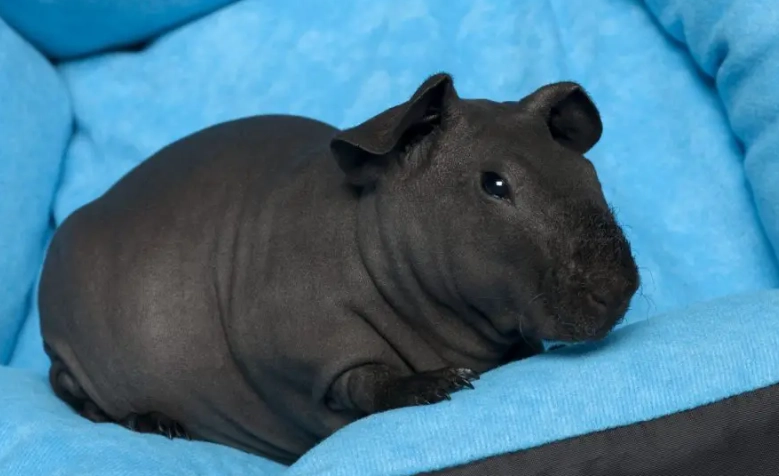
Behavior, Enrichment, and Handling
A bored guinea pig is a sad guinea pig. Mental stimulation is part of care too.
Understanding Their Language
They talk! Well, not with words, but with sounds and body language.
- Wheeking: That loud, excited whistle when they hear the fridge or a bag crinkle. It means "FOOD!"
- Purring: A deep, vibrating sound. Can mean contentment (if relaxed) or annoyance (if body is tense). Context is key.
- Rumbling/Rumblestrutting: A lower purr often made by males during courtship or to show dominance.
- Popcorning: The best! Sudden, joyful leaps in the air. Pure happiness.
- Freezing: They go completely still. Usually means they're scared and trying to be invisible.
Making Life Fun
Beyond the basics, add things to explore.
Hideys: Every pig needs at least two hideouts (so one can't get trapped). Simple cardboard boxes (with two doors cut out) are perfect and cheap.
Tunnels & Bridges: Paper-based tunnels, willow bridges.
Foraging: Scatter their pellets in the hay instead of using a bowl. Hide veggie pieces in a rolled-up paper towel. Makes them work for it.
Floor Time: Daily supervised playtime in a secure, pig-proofed area outside the cage. More space to run is the best enrichment of all.
Handling takes patience. Start by hand-feeding veggies. Then support their entire body—one hand under the chest, the other supporting the bum and back legs. Never let them dangle. Hold them close to your body or on your lap on a towel. Start with short sessions and build up.
Your Guinea Pig Care Sheet Questions, Answered
Pulling It All Together
Look, caring for a guinea pig isn't rocket science, but it does require consistent, informed effort. It's about committing to that spacious cage, the unlimited hay, the daily veggies, and being observant.
The most comprehensive guinea pig care sheet in the world is useless if it's not practical. So, here's the boiled-down, take-action version:
- I will provide a cage larger than the minimum, because space is happiness.
- I will never let the hay rack run empty—it's their food, toothbrush, and toy.
- I will give fresh veggies daily for Vitamin C, with bell pepper as a staple.
- I will find a qualified exotic vet and weigh my pigs weekly.
- I will get my guinea pig a friend, because no one should eat lunch alone.
Stick to those five things, and you'll be ahead of 90% of owners. You'll have happy, healthy pigs that popcorn when they see you.
It's work, sure. Cleaning, shopping for greens, vet bills. But then you're sitting on the floor during floor time, and one of them climbs into your lap to nap, making those soft, contented purrs. Or you hear the frantic wheeking chorus when you open the veggie drawer. That connection, that little burst of joy they bring—that's the real payoff. It makes every bit of the care worth it.
Use this guide as your living reference. Bookmark it. Come back when you have a question. And most importantly, enjoy your wonderful, wheeking, popcorning companions. You've got this.



Join the Conversation