Key Points
I still remember the sinking feeling when I found my cat, Luna, peeing on the couch for the third time that week. She’d been perfect for years, and then—bam—nothing worked. I tried every litter, moved boxes around, cleaned like a maniac. It felt like I was failing her. If you’re here, you probably know that desperation. You’ve typed “cat won’t use litter box tried everything” into Google more times than you can count, and you’re tired of the same old advice. Well, take a breath. This isn’t another list of quick fixes. It’s a deep dive from someone who’s been there, messed up, and finally found a way through.
Let’s get real. When your cat won’t use the litter box, it’s not just annoying—it’s stressful. You worry about your home, your cat’s health, and your sanity. But here’s the thing: most advice out there is too generic. It assumes every cat is the same, and that’s just not true. So, if you’ve tried everything and your cat still won’t use the litter box, this guide is for you. We’ll break it down step by step, with real-life insights and no fluff.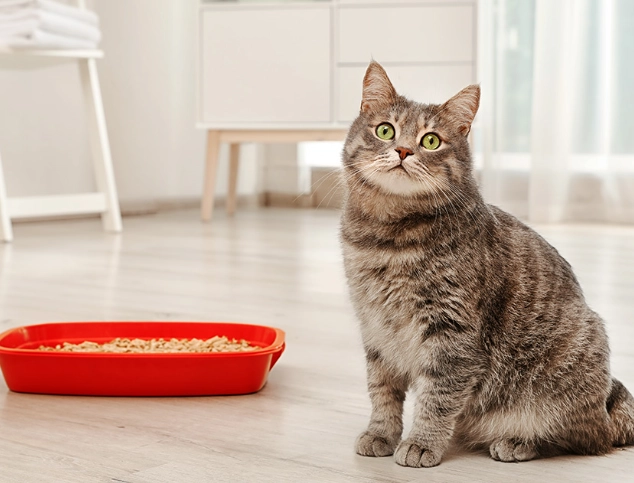
First off, stop blaming yourself. I did that for months, and it only made things worse. Cats are complex, and their bathroom habits are a window into their world. When a cat won’t use the litter box, it’s usually a cry for help—not a personal attack.
Why Is Your Cat Avoiding the Litter Box? The Hidden Reasons
You can’t fix a problem you don’t understand. Jumping from solution to solution without diagnosing the cause is like throwing darts in the dark. You might hit something, but it’s pure luck. So, let’s explore why your cat might be giving the litter box a hard pass.
Medical Issues: The Non-Negotiables
This is where I messed up initially. I assumed Luna was just being stubborn, but turns out she had a urinary tract infection. Painful conditions make cats associate the litter box with agony, so they avoid it. Common medical reasons include:
- Urinary Tract Infections (UTIs): These cause burning and urgency. Your cat might pee outside the box because they can’t hold it.
- Bladder Stones or Crystals: Like UTIs, but often more severe. They can block urine flow, which is an emergency.
- Arthritis: Older cats might struggle to climb into a high-sided box. Imagine having joint pain and being expected to jump into a tiny space.
- Diabetes or Kidney Disease: These increase thirst and urination, sometimes leading to accidents.
The American Veterinary Medical Association (AVMA) notes that urinary issues are a top reason for litter box problems. A vet visit isn’t optional—it’s essential. Even if your cat seems fine, pain can be subtle.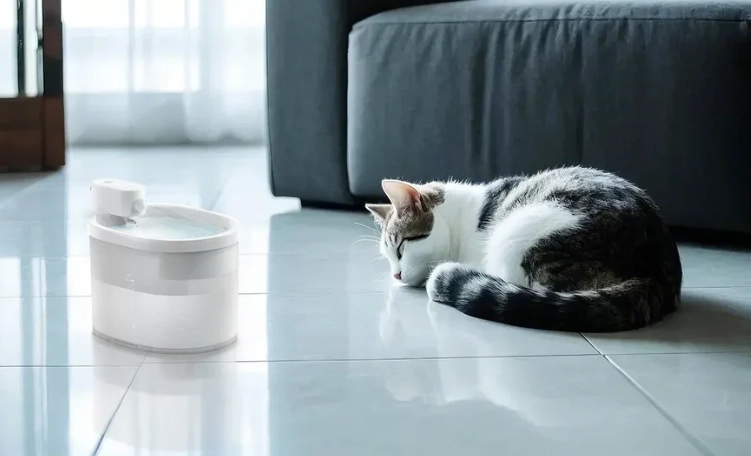
Personal take: I delayed the vet because Luna showed no other symptoms. Big mistake. A simple urine test revealed the infection. If your cat won’t use the litter box, rule out health issues first. It saved me weeks of frustration.
Behavioral and Environmental Triggers
If the vet gives a clean bill of health, then it’s time to look at behavior and environment. Cats are sensitive creatures. A change you barely notice can throw them off. Here’s a table breaking down common non-medical reasons—because sometimes, seeing it laid out helps.
| Cause | Signs to Watch For | Why It Matters |
|---|---|---|
| Dirty Litter Box | Cat sniffs box and walks away, goes nearby instead | Cats are clean freaks. A dirty box is like a filthy toilet to us. |
| Wrong Litter Type | Paws at litter, shakes paws, avoids digging | Texture or scent might be offensive. Some cats hate perfumes. |
| Poor Box Location | Avoids box in noisy, high-traffic, or dark areas | Privacy matters. Would you use a bathroom in a busy hallway? |
| Multi-Cat Tension | One cat guards the box, others seem anxious | Bullying or competition can make the box a no-go zone. |
| Stress or Anxiety | Changes like new pets, moving, or schedule shifts | Cats thrive on routine. Disruption can trigger avoidance. |
I learned this the hard way. I thought a covered litter box would help with smell, but Luna hated it. She felt trapped, and the enclosed space amplified odors for her. So much for that “brilliant” idea.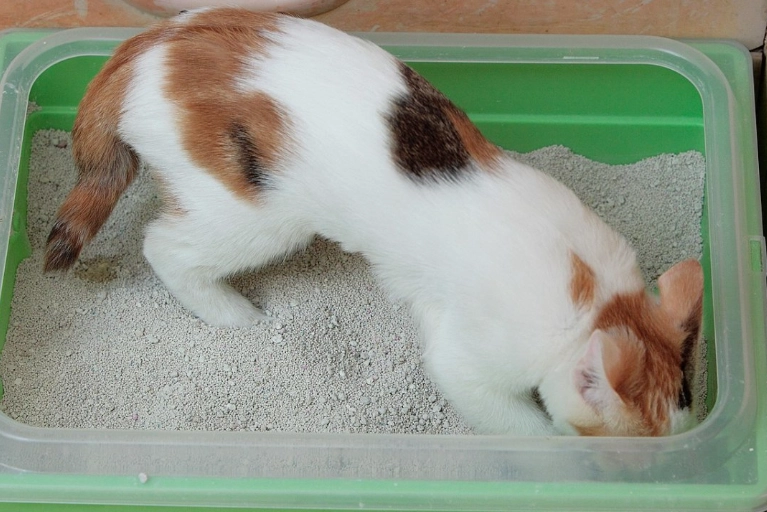
“Cats don’t spite pee. They communicate through behavior. When a cat won’t use the litter box, they’re telling you something’s wrong.” — That’s from my vet, and it changed my perspective.
You’ve Tried Everything—Now What? A Step-by-Step Reset Plan
Okay, so you’ve scoured the internet, tried new litters, moved boxes, and maybe even bought fancy products. Nothing stuck. Let’s reset. This plan isn’t about magic; it’s about methodical troubleshooting. If your cat won’t use the litter box and you’ve tried everything, this is your roadmap.
Golden Rule: Patience. Changes take time. Your cat needs to rebuild positive associations, and that won’t happen overnight. I rushed things with Luna, and it backfired.
Step 1: The Veterinary Check-Up (Do Not Skip This)
Even if you’re convinced it’s behavioral, rule out health issues. Schedule a vet visit and be thorough. Mention everything—your cat’s habits, any changes, and that you’ve tried everything with the litter box. Vets hear this all the time. They might run tests like urinalysis or blood work. According to the Cornell Feline Health Center, urinary diseases are common and often misunderstood. A clean bill of health gives you peace of mind to focus on behavior.
Step 2: Audit Your Litter Box Setup Like a Pro
Here’s where most owners go wrong. The basics matter more than you think. Follow these guidelines:
- Number of Boxes: One per cat, plus one extra. For one cat, that’s two boxes. It reduces competition and gives options.
- Location: Quiet, low-traffic areas. Avoid laundry rooms with loud machines or corners where they might feel trapped. I moved Luna’s box from the basement to a spare room, and she started using it more.
- Cleanliness: Scoop daily. Deep-clean weekly with mild soap—no harsh chemicals. Cats have sensitive noses.
- Box Type: I’m not a fan of covered boxes for most cats. They trap odors and can feel claustrophobic. Large, open boxes are usually better. For older cats, low-entry boxes are a must.
After trying everything to get your cat to use the litter box, sometimes going back to basics is the answer. It was for me.
Step 3: Experiment with Litter—The “Litter Buffet” Approach
If your cat won’t use the litter box, the litter itself might be the culprit. Cats have strong preferences. Here’s a simple experiment: set up three small boxes with different litters—unscented clumping clay, pine pellets, and recycled paper. Let your cat choose. I did this with Luna, and she preferred the unscented clay. It was eye-opening.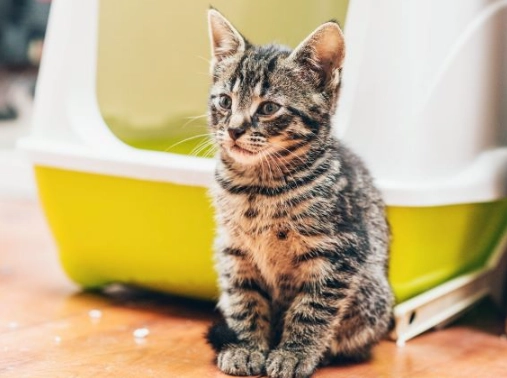
Common litters to try:
- Unscented Clumping Clay: Most widely accepted. Avoid scented versions—they can irritate.
- Silica Gel Crystals: Good for odor control, but some cats dislike the texture.
- Natural Options: Pine, wheat, or corn-based litters. Eco-friendly, but not all cats like them.
Pro tip: If your cat has used a specific litter before, stick with it. Sudden changes can cause avoidance. Transition slowly if you need to switch.
Step 4: Address Stress and Behavior Head-On
Environmental stressors are huge. Cats are creatures of habit. A new piece of furniture, a visitor, or even a change in your work schedule can throw them off. Here’s what worked for me:
- Provide Hiding Spots and Vertical Space: Cat trees, shelves, or cozy beds. It gives them security.
- Maintain Routine: Feed, play, and clean at consistent times. Predictability reduces anxiety.
- Use Pheromone Diffusers: Products like Feliway can calm nerves. I was skeptical, but it helped Luna during a move.
- Positive Reinforcement: When your cat uses the box, offer a treat or gentle praise. Never punish accidents—it increases fear.
If you’ve tried everything and your cat still won’t use the litter box, stress might be the hidden factor. I overlooked this until a behaviorist pointed it out.
Common Questions from Owners Who’ve Tried Everything
Q: My cat uses the litter box for pee but not for poop. Why?
A: This is super common. It could be a preference for separate locations, or it might indicate constipation or other issues. Try adding a second box in a different spot. Ensure both are spotless. If it persists, consult your vet.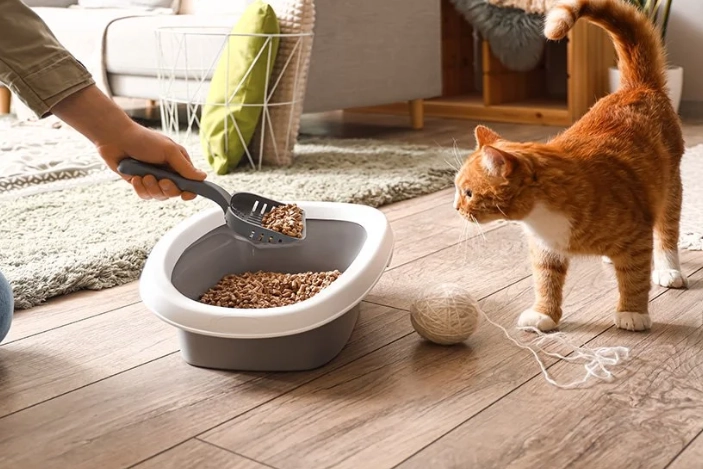
Q: I’ve tried every litter on the market. What now?
A: Go back to basics. Unscented, clumping clay litter is the most accepted. If that fails, consider if your cat has a sensitivity. Some cats develop allergies. A vet can advise.
Q: My cat was fine, then suddenly stopped. No changes at home.
A: “Suddenly” often points to health. Even with no visible changes, pain or illness can develop quickly. Vet first, always. It could be a silent issue like early kidney disease.
Q: Is it too late to retrain an older cat?
A: Never. Cats can learn at any age. It might take more patience, but the principles are the same. Adjust for mobility issues if needed.
Q: How long should I wait before seeing results?
A: Give it at least two weeks. Changes won’t happen overnight. Consistency is key. If after a month, your cat still won’t use the litter box, consider professional help.
Q: Can diet affect litter box use?
A: Absolutely. Poor diet can lead to urinary or digestive issues. Ensure your cat has access to fresh water and a balanced diet. The International Cat Care website has great resources on feline nutrition.
When to Call in the Professionals
If you’ve genuinely tried everything—vet visits, environmental tweaks, litter trials—and your cat still won’t use the litter box, it might be time for a behaviorist. Organizations like the International Association of Animal Behavior Consultants (IAABC) can connect you with certified professionals. Sometimes, an outside perspective spots what you’ve missed.
I eventually worked with a behaviorist for Luna. She noticed that a neighbor’s dog barking at certain times made the litter box location stressful. We moved it, and things improved. It wasn’t a magic fix, but it helped.
Don’t be afraid to ask for help. It’s not a failure; it’s smart problem-solving.
Wrapping Up: You’re Not Alone in This
Dealing with a cat who won’t use the litter box is frustrating, but it’s solvable. Start with health, then methodically adjust the environment and routine. Avoid the trap of jumping from one fix to another without a plan.
Remember, the phrase “cat won’t use litter box tried everything” is a common search because so many owners struggle. You’re not failing; you’re learning. And with patience and the right approach, you and your cat can get back to harmony.
Got more questions? Feel free to reach out in the comments. I’m not a vet, but I’ve been through the wringer with this, and I’m happy to share what worked for me.




Join the Conversation