So you're thinking about getting a ferret. You've seen the videos—the playful weasel war dance, the curious sniffing, the adorable sleeping piles. It's tempting. But let's be honest, most online ferret care guides skim the surface. They list the basics: cage, food, water. What they often miss are the gritty, daily realities that separate a stressed owner from a happy ferret household. I've had ferrets for over a decade, and I've made every mistake in the book so you don't have to. This isn't just a checklist; it's a deep dive into creating a life where your ferret thrives, not just survives.
Your Quick Ferret Care Checklist
Getting the Cage & Habitat Right (The First Mistake)
The cage is your ferret's base camp. A common error is buying a small, single-level cage meant for a hamster. Ferrets are vertical climbers and need layers.
A friend of mine bought a fancy-looking rabbit cage. Big mistake. The bar spacing was just wide enough for a determined kit (baby ferret) to squeeze its head through and get stuck. Panic ensued. The minimum cage size for one or two ferrets should be at least 24" x 24" x 18" high, but bigger is always better. Look for multi-level ferret or chinchilla cages with solid flooring—wire floors hurt their feet.
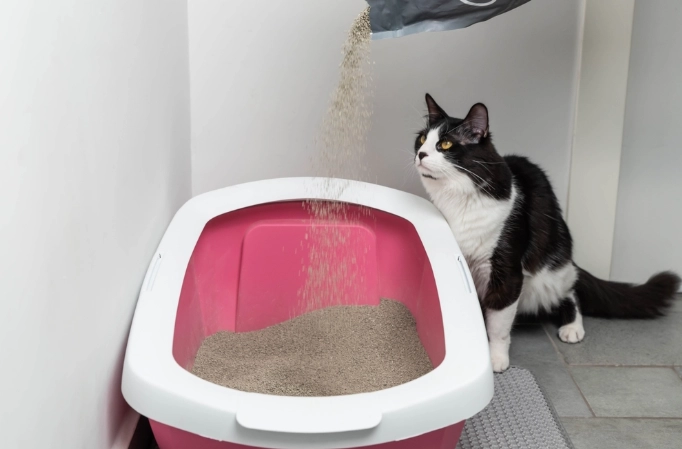
Inside the Cage Essentials: You need more than just a food bowl. Start with a sleeping sack or hammock (they love to burrow). Add a litter pan in the corner they naturally choose as a bathroom—they're surprisingly tidy. Use a dust-free, absorbent litter like paper pellets or recycled paper; avoid clumping clay or wood shavings. Don't forget a heavy ceramic water bowl (bottles aren't enough) and toys they can stash, like small balls or crinkle tunnels.
Ferret-Proofing Your Home: The Real Challenge
Supervised playtime outside the cage is non-negotiable, at least 4 hours a day. This is where ferret-proofing becomes an art form. It's not just about locking cabinets.
They will find gaps behind the dishwasher, under the kitchen kickboards, and inside your couch. I lost a ferret for six hours once—she had found a hole inside the box spring of my bed and was sleeping soundly. Seal every gap wider than an inch. Remove or block access to recliner mechanisms (a known killer), secure trash cans, and hide all rubber, foam, or silicone items (earbuds, remote buttons, rubber bands). Ingestion means an immediate, expensive vet trip for a blockage.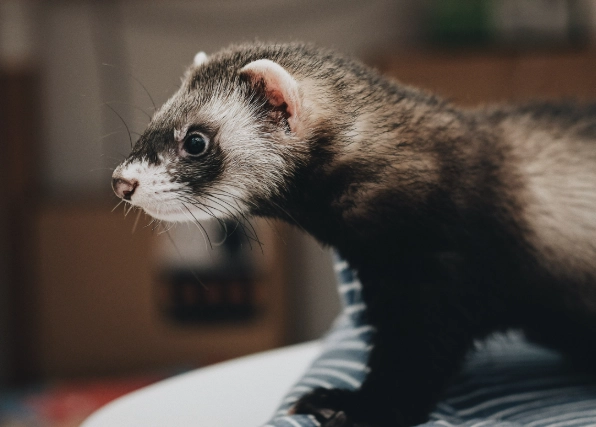
Ferret Diet & Nutrition: It's Not Cat Food
This is the hill I will die on. Feeding your ferret incorrectly is the fastest way to health problems. They are obligate carnivores. Their digestive system is short and simple, designed to process meat, organs, and bone. They cannot digest carbohydrates or fiber well.
The biggest misconception? That high-quality cat food is an acceptable substitute. While better than low-grade food, most cat foods still contain plant-based proteins (pea protein, potato) and fillers that ferrets don't need. Over time, this can contribute to insulinoma, a common and devastating pancreatic tumor.
| Food Type | What to Look For | What to Avoid |
|---|---|---|
| Commercial Ferret/Kitten Food | First 3 ingredients are meat (e.g., chicken, lamb). Protein >35%, Fat >18%, Fiber | Corn, wheat, soy, unnamed meat by-products, sugar, artificial colors. |
| Raw Diet (Prey Model) | Balanced mix of muscle meat, organs (like liver), bone, and occasional whole prey. Requires research. | Feeding only muscle meat (causes deficiencies). Improper bone sizes. |
| Treats | Freeze-dried meat treats (chicken, liver), egg yolk, salmon oil. | Fruits, vegetables, dairy, sugary treats, raisins/grapes (toxic). |
Fresh water should always be available. I use a bowl because it's more natural and allows for bigger drinks, but be prepared to refill it often—they love to dig and tip bowls.
Health & Vet Care: Preventing Common Ferret Problems
Find a vet before you get a ferret. Not all small animal vets are experienced with them. Ask specifically about their ferret patient load. Regular check-ups (yearly for adults, more for seniors) are crucial.
Watch For These Signs: Lethargy that lasts more than a day, difficulty breathing, hair loss (especially starting at the tail), straining to urinate or defecate, black, tarry stools, vomiting, or any sudden change in behavior. Ferrets hide illness well, so when they show it, it's often serious.
Non-Negotiable Medical Needs
Vaccinations: They need yearly canine distemper and rabies vaccines. Distemper is 100% fatal in ferrets. Use only vaccines approved for ferrets; dog vaccines can cause reactions.
Desexing: If your ferret is not from a breeder who has already done this, it's essential. Unspayed females will die from aplastic anemia if they go into heat and aren't bred. Intact males can be aggressive and smellier. Most pet store ferrets are already spayed/neutered and descented (anal scent glands removed).
Common Ailments: Be aware of adrenal disease (hair loss, itching, enlarged vulva in females), insulinoma (weakness, drooling, "stargazing"), and intestinal blockages. A high-protein, low-carb diet is your best preventative measure for the first two.
Bonding, Play & Daily Interaction
Ferrets are social but not necessarily cuddly like a cat. Bonding is built through play and trust. Let them come to you. Use a towel to scoop up a nippy kit and gently scruff them (grasp the loose skin on the neck) if they bite too hard—it's how their mother disciplined them.
Playtime is about engaging their hunter instincts. Drag a towel for them to chase, hide treats in a crumpled paper bag, or use interactive cat wands. They sleep 18-20 hours a day, but when they're up, they're explosive balls of energy.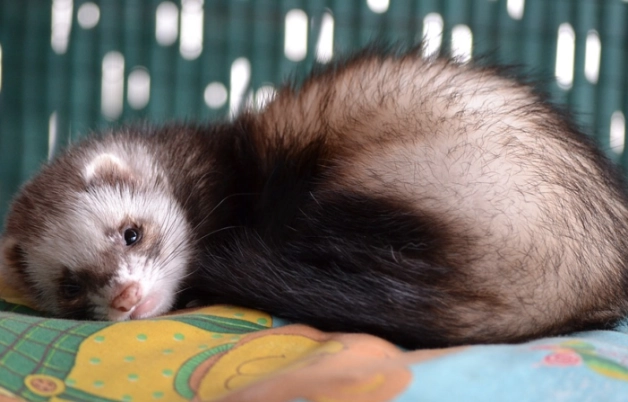
Consider getting a pair. They entertain each other, reducing boredom when you're not home. Introduce them slowly and neutrally.
Your Ferret Care Questions Answered


Join the Conversation