Quick Guide
- The Core Principles of a Wild Rabbit's Foraging Life
- What's Actually on the Menu? A Seasonal Breakdown
- The Nitty-Gritty: Nutritional Needs Behind the Bites
- From Wild to Home: Mimicking the Natural Diet for Your Pet Rabbit
- Common Questions (The Stuff You're Actually Searching For)
- A Few Parting Thoughts
Let's be honest, most of us picture a rabbit munching on a carrot, thanks to a certain famous cartoon. I used to think that too. But after spending years observing rabbits in my backyard and diving into the research, I realized how wrong that image is. The actual wild rabbit diet is a complex, fascinating, and highly specific menu that changes with the seasons. It's about survival, not just snacking.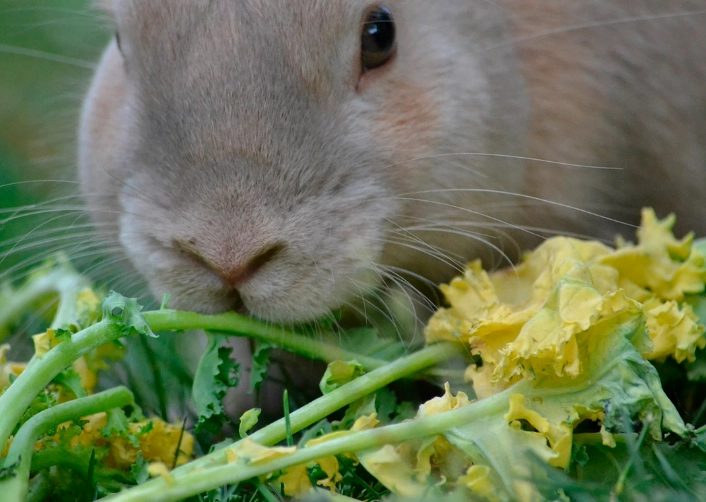
If you're here, you're probably like me – either curious about the wildlife hopping around your garden, or a pet rabbit owner wanting to give your bunny the best, most natural life possible. Maybe you've seen wild rabbits nibbling on your lawn and wondered, "Is that all they eat?" Or perhaps you've worried that the pellets from the pet store aren't quite right. You're asking the right questions.
The Core Principles of a Wild Rabbit's Foraging Life
Wild rabbits, like the Eastern Cottontail common in North America, aren't sitting down to planned meals. They are opportunistic foragers, and their entire digestive system is a finely tuned machine built for one type of fuel: fiber. Lots and lots of fiber.
Their survival hinges on a few key principles that shape their wild rabbit diet:
- High-Fiber is King (or Queen): Over 80% of their intake is fibrous material. This isn't optional. Their gut needs constant roughage to keep everything moving. A slow gut is a dead rabbit in the wild.
- Diversity as a Safety Net: They don't rely on one or two foods. By eating a wide variety of grasses, weeds, leaves, and bark, they ensure they get a range of nutrients and protect themselves—if one plant is scarce or toxic one year, they have alternatives.
- Seasonal Intelligence: Their menu isn't static. It's a rotating calendar of what's available and nutritious at that precise moment. Spring offers tender shoots, while winter forces a shift to woody, durable foods.
- Coprophagy – The "Second Meal": This is the big one that often surprises people. Rabbits produce two types of droppings. The hard, round pellets you see are waste. But they also produce soft, nutrient-rich cecotropes, usually at night, which they re-ingest directly from their anus. It sounds gross to us, but it's a vital process that allows them to absorb essential proteins and B vitamins produced by gut bacteria during the first pass. Without this, their wild rabbit diet would be insufficient.
What's Actually on the Menu? A Seasonal Breakdown
So, what does this high-fiber, diverse, seasonal diet look like on the ground? Let's break it down. I've watched cottontails in my own field for hours, and their choices are deliberate, not random.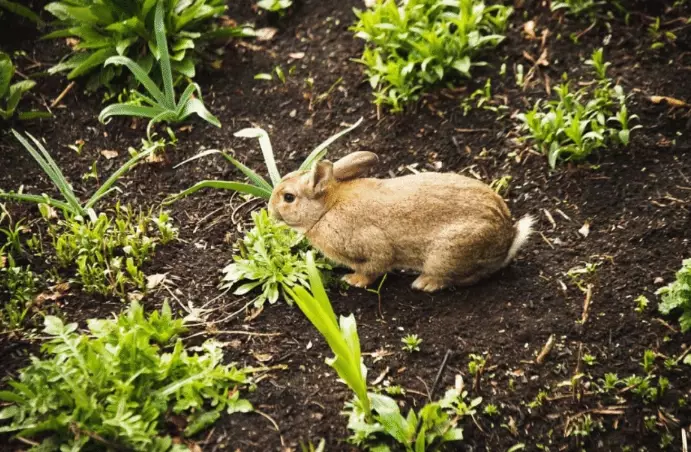
Spring and Summer: The Salad Days
This is the time of abundance. The primary staples are various grasses (timothy, brome, meadow fescue) and broadleaf weeds (often called "herbs" in rabbit nutrition). These are low in calories but packed with the necessary fiber and micronutrients.
You'll see them targeting:
- Grasses: The foundation. They eat the green blades, not the seed heads.
- Weeds & Leafy Greens: Dandelion leaves and flowers (a favorite!), plantain, chickweed, clover (in moderation), shepherd's purse, and sow thistle. These add variety and different nutrients.
- Young Shoots & Bark: In early spring, they'll nibble the tender bark and buds from saplings like willow, apple, and maple. Willow, in particular, contains salicin, a natural anti-inflammatory and pain reliever – nature's medicine cabinet.
- Garden Raids: If they can get it, they love young bean plants, lettuce, and carrot tops. The actual carrot root? Hardly ever accessed in the wild.
Fall and Winter: The Tough Stuff
As the greenery dies back, the wild rabbit diet undergoes a dramatic shift. This is where their ability to eat woody, rough foods becomes critical for survival.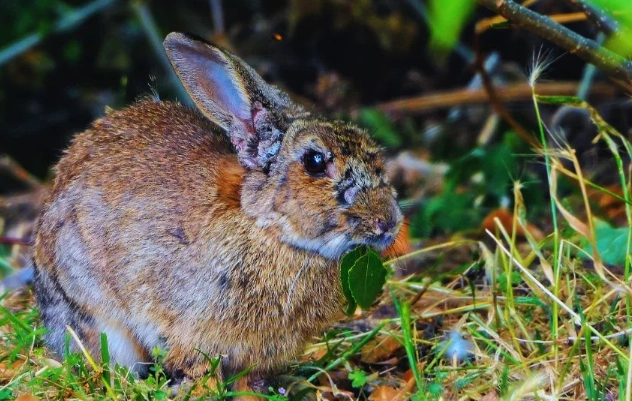
Their focus turns to:
- Dried Grasses and Hay: The standing dead grass (which is essentially natural hay) becomes a primary food source.
- Bark, Twigs, and Buds: This becomes a major component. They'll strip bark from deciduous trees and shrubs like raspberry, blackberry, willow, and dogwood. Evergreen needles from pines or firs are sometimes consumed in small amounts.
- Remaining Seed Heads and Forbs: Any dried plant matter left standing.
- Evergreen Plants: In some areas, they may browse on plants that stay green year-round.
It's a stark, tough menu. The nutritional quality is lower, and the fiber is even more extreme. This is why winter is a time of high mortality—not just from predators, but from sheer scarcity of adequate food.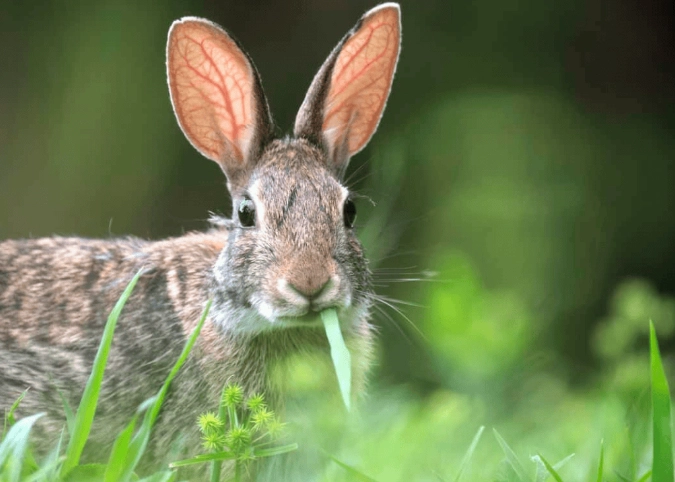
| Season | Primary Foods | Key Nutritional Focus | Notes & Observations |
|---|---|---|---|
| Spring | Tender grasses, new weed growth (dandelion, clover), young shoots, tree buds/bark | High moisture, rapid growth nutrients, protein for breeding | Most nutritious and diverse period. Rabbits are actively breeding. |
| Summer | Mature grasses, flowering weeds, leafy garden plants | Maintenance, fiber for gut health | Food is abundant but less tender. Water intake from plants is crucial. |
| Fall | Drying grasses, seed heads, fallen leaves, increased bark | Building reserves, transitioning to roughage | Diet begins to coarsen significantly in preparation for winter. |
| Winter | Bark, twigs, buds, dried grasses/hay, any remaining greenery | Pure survival, gut motility, wearing teeth | The most challenging season. Diet is extremely high in indigestible fiber. |
The Nitty-Gritty: Nutritional Needs Behind the Bites
It's not just about filling the belly. Every bite in the wild rabbit diet serves a physiological purpose. Let's talk brass tacks about what their bodies are actually pulling from those plants.
Crude Fiber (The Engine Driver): This is the non-digestible structural part of plants (cellulose, lignin). Wild rabbits need fiber levels well above 20-25%. This does three critical things: 1) It keeps the gut muscles toned and moving, preventing deadly stasis. 2) It provides a slow, steady fermentation substrate for their cecal bacteria. 3) It grinds down their ever-growing teeth. Without constant grinding, their teeth overgrow, leading to starvation.
Protein (For Growth & Repair): Wild rabbits need moderate protein, especially does raising young. But it's not from pellets or meat—it's from young leafy plants and, crucially, from the microbial protein in the cecotropes they re-ingest. This is why the fiber-first system is so elegant: the fiber feeds the microbes, and the microbes become the protein.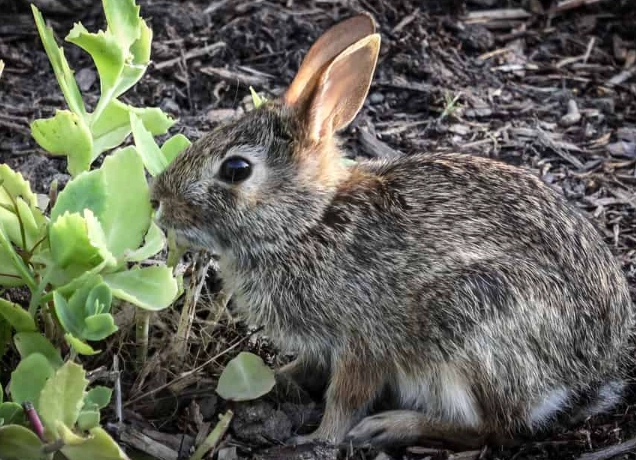
Calcium & Phosphorus Balance: Leafy greens like dandelion provide a good, bioavailable source of calcium. The wild diet naturally maintains a healthy calcium-to-phosphorus ratio (ideally around 1.5-2:1), which is vital for strong bones and preventing urinary issues. This is a place where many commercial diets, especially those high in seeds or grains, fail miserably.
What's NOT on the Menu: This is crucial. Wild rabbits do not naturally seek out high-starch or high-sugar foods. They don't dig up root vegetables (carrots, potatoes). They don't find bags of bread or cereal. They don't eat nuts, seeds, or grains in any significant quantity. These foods disrupt the delicate bacterial balance in their cecum, leading to gas, pain, and bacterial overgrowths that can be fatal. The modern pet rabbit's love for sugary treats is a learned behavior, not a natural one.
From Wild to Home: Mimicking the Natural Diet for Your Pet Rabbit
Okay, so we can't let our pet rabbits roam free to forage (and we shouldn't—they're vulnerable and can damage ecosystems). But we can use the wild rabbit diet as the ultimate blueprint. The goal isn't replication, but emulation of the nutritional principles.
Here’s how to translate those wild principles into a domestic setting:
Unlimited Grass Hay: Your #1 Priority
This is the non-negotiable cornerstone, representing the dried grasses and roughage of the wild diet. It should make up 80-90% of what your rabbit eats. Not just any hay—the best choices are:
- Timothy Hay: The gold standard for adult rabbits. Perfect fiber, moderate protein and calcium.
- Orchard Grass or Meadow Hay: Great alternatives, similar profile to Timothy.
- Oat Hay: Good for variety, often has tasty seed heads that provide enrichment.
Avoid Alfalfa hay for adult rabbits. It's a legume, too rich in protein and calcium (great for growing kits, but like feeding rich cake to an adult).
Fresh Foods: The "Weeds and Greens" Portion
This is where you can get creative and mimic the diversity of the wild. Offer a rotating mix of 3-5 different greens daily, about one packed cup per 2 lbs of body weight.
Staple Greens (Can be fed daily): Romaine lettuce, green/red leaf lettuce, cilantro, parsley, carrot tops, bok choy, watercress.
"Wild" Greens (Forage or grow): Dandelion greens & flowers (from pesticide-free areas!), plantain, raspberry leaves, strawberry leaves, mint, basil. I grow plantain and dandelion in pots on my patio just for my bunny.
Greens to Feed in Moderation (2-3 times a week): Kale, spinach, Swiss chard (higher in oxalates or goitrogens).
Woody Branches: The Tooth and Gut Grinder
Don't forget this critical part of the wild rabbit diet! Providing fresh, untreated branches satisfies their need to gnaw, wears down teeth, and provides phytonutrients.
Safe Trees: Apple, willow, pear, hazel, aspen, maple. Ensure they are from areas not sprayed with chemicals.
My rabbit goes nuts for apple branches. He'll strip the bark off first (the best part) and then gnaw the wood. It keeps him busy for hours and is far better than any store-bought chew toy.
What About Pellets?
Pellets are a modern invention, not part of any natural diet. Think of them as a vitamin supplement, not food. If you feed a high-quality, high-fiber (18%+), timothy-based pellet, limit it severely. A tablespoon per day for a small rabbit is often plenty. Many healthy rabbits don't need pellets at all if their hay and greens are excellent. I slowly weaned my older rabbit off them completely, and his digestion improved noticeably.
Common Questions (The Stuff You're Actually Searching For)
A Few Parting Thoughts
Looking at the wild rabbit diet isn't just an academic exercise. It's a window into an animal perfectly adapted to its niche. For pet owners, it's the ultimate guidebook we ignored for too long, opting for convenience over biology.
Switching my own rabbit to a diet based on these principles—mountains of timothy hay, a rotating salad bar of greens, and fresh branches to destroy—was the single best thing I ever did for his health. His coat got softer, his energy levels balanced out, and those worrying bouts of soft stools vanished. It's more work than dumping a bowl of pellets, sure. But watching him thrive, engaging in natural behaviors like foraging and gnawing, is deeply satisfying.
The wild diet is austere, varied, and relentlessly fibrous. It's not glamorous. But it's what built the rabbit, from its teeth to its tail. By bringing those core principles into our homes, we're not just feeding a pet. We're honoring the essence of the animal itself.



Join the Conversation