Let's be honest. If you're searching for "what careers involve the care of animals," you're probably already hooked. You're the person who stops to pet every dog, who feels a pang watching wildlife documentaries, or who volunteers at the local shelter on weekends. The good news? That passion can absolutely pay the bills. But the world of animal care is way bigger than just becoming a vet. It's a diverse field with paths ranging from high-stakes medicine to quiet companionship, from bustling clinics to remote wilderness outposts.
I've spent over a decade in and around this field, first as a kennel assistant, then in shelter management, and now writing about it. I've seen the burnout from those who romanticized the work, and the deep satisfaction from those who found their niche. This guide isn't just a list of jobs. It's a reality check and a roadmap, designed to help you match your specific strengths and tolerance for... well, mess, with a career that actually fits.
Your Quick Path to Animal Care Jobs
Clinical & Medical Animal Careers
This is what most people picture first. It's hands-on, science-based, and often requires significant education. The emotional rewards are high, but so can be the stress and debt.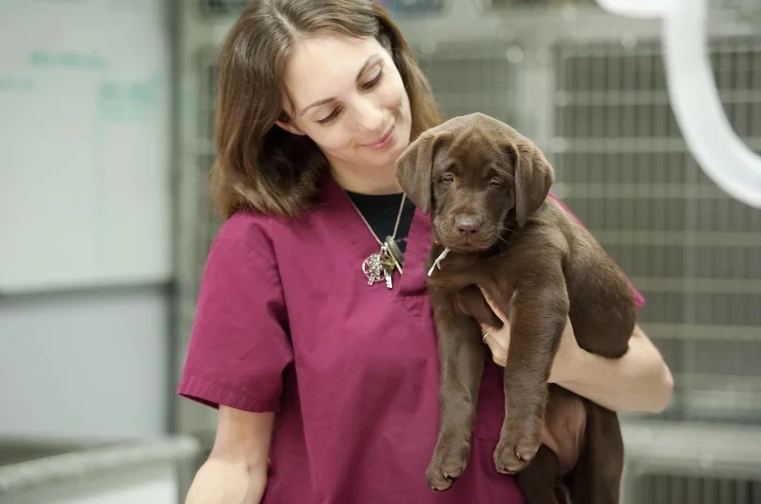
Veterinarian
The cornerstone. But "vet" is an umbrella. You could be in general practice, which is like a family doctor for pets—vaccines, check-ups, surgeries. Or you could specialize in surgery, dermatology, or oncology. Equine vets travel to farms. Food animal vets work with livestock. The path is long: a bachelor's degree (often in a science), then four years of veterinary school, leading to a Doctor of Veterinary Medicine (DVM) degree and passing a licensing exam. According to the American Veterinary Medical Association, the median salary is solid, but student loan debt can be daunting. A huge, often unspoken part of the job is client communication and managing pet owner anxiety.
Veterinary Technician/Nurse
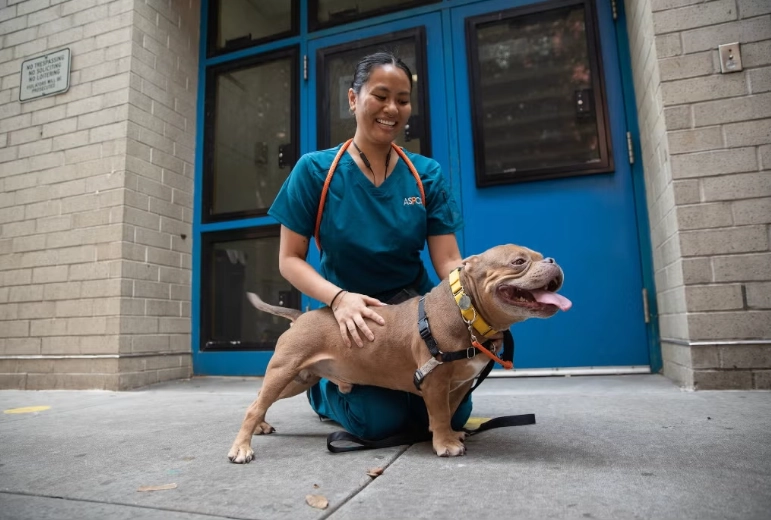
These are the nurses of the animal world. They take X-rays, draw blood, administer anesthesia, monitor patients, and provide nursing care. They're the vet's right hand. This role requires a 2-year associate degree from an AVMA-accredited program and passing a credentialing exam (becoming a Licensed Veterinary Technician, LVT, or Certified Veterinary Technician, CVT, depending on the state). It's physically demanding, emotionally intense, and frequently undervalued in terms of pay, but it's pure, hands-on animal care.
Veterinary Assistant
This is a fantastic entry point. Duties include restraining animals for exams, cleaning kennels, feeding, walking, and basic clinic upkeep. Formal education isn't always required—many learn on the job. Certification programs exist and can boost your hireability. It's the best way to test your mettle. Can you handle the smells, the noise, the occasional aggressive animal, and the heartbreak? This job will show you.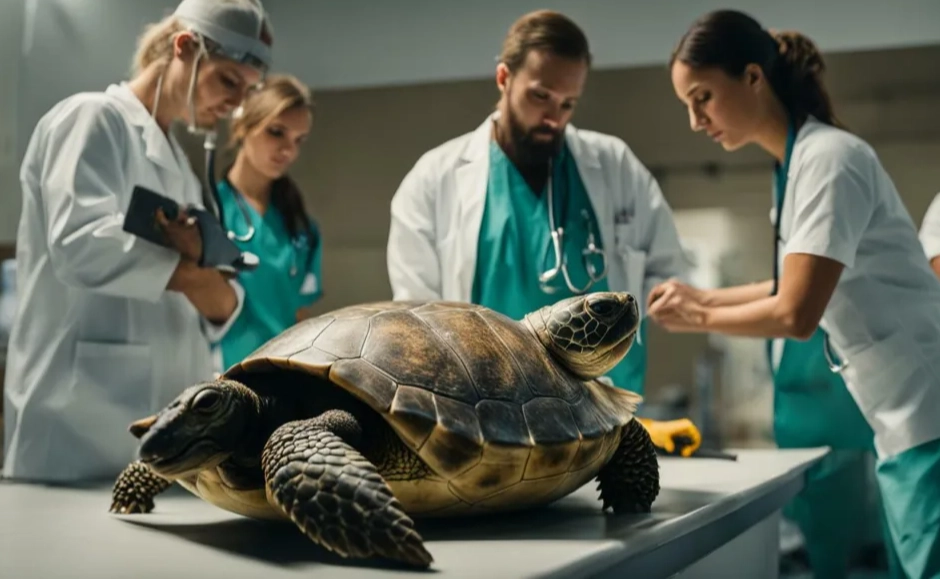
Common Mistake: Thinking love for animals is enough for clinical roles.
It's not. You need a strong stomach for blood, surgery, and euthanasia. You need exceptional fine motor skills. You need to be able to follow complex medical protocols to the letter. And critically, you need people skills. The animal is the patient, but the human is the client paying the bill and making decisions. If you hate customer service, private practice will grind you down.
Shelter, Rescue & Welfare Careers
This sector is driven by mission. The work is about animal welfare on a population level—saving lives, managing overpopulation, and finding homes. It's often lower pay than the clinical side, but the focus is on rescue and rehabilitation.
Animal Shelter Manager/Director
This is a CEO role for an animal welfare organization. It blends animal knowledge with hardcore business skills: budgeting, fundraising, human resources, public relations, and facility management. You'll set policies, manage a team of keepers and vets, and be the public face. You might start as a kennel worker, move to adoption counselor, then supervisor. A degree in non-profit management or business is a huge plus. The burnout rate is high due to constant ethical dilemmas and limited resources.
Animal Control Officer
This is law enforcement for animals. It's not just picking up strays. Officers investigate cruelty and neglect cases, enforce licensing laws, handle dangerous dog complaints, and educate the public. It requires a unique blend of compassion and toughness. You see the worst of humanity but have the authority to intervene. Training is usually provided by the municipality or agency, and a background in criminal justice can be helpful.
Adoption Counselor
This is a matchmaking and counseling role. You assess animals' personalities, interview potential adopters, and ensure a good fit to prevent returns. It requires deep animal behavior knowledge and superb interpersonal skills. You're part therapist, part salesperson. A bad day is when a perfect match falls through or an animal you've grown attached to is returned.
Wildlife & Conservation Careers
This path is for those drawn to wild animals and ecosystems. Jobs are often competitive, may be seasonal or grant-funded, and can involve remote, rugged work.
Wildlife Rehabilitator
You're the emergency room for wild animals—orphaned fawns, birds with broken wings, oil-covered otters. The goal is always release back to the wild. This work typically requires state and federal permits. You can volunteer at a licensed rehabilitation center (like those affiliated with the National Wildlife Rehabilitators Association) to start. Formal biology or zoology education helps, but hands-on apprenticeship is key. It's emotionally volatile—jubilant releases followed by patients that don't make it.
Zookeeper/Aquarist
This is about daily husbandry: preparing diets, cleaning enclosures, providing enrichment, and monitoring health for a specific group of animals. Specialization is common—someone might work only with primates, big cats, or reptiles. A bachelor's in biology, animal science, or a related field is typical. You'll start with internships, often unpaid. The pay is modest, but the chance to form bonds with incredible species is the draw. The field is shifting heavily towards conservation education and captive breeding programs for endangered species.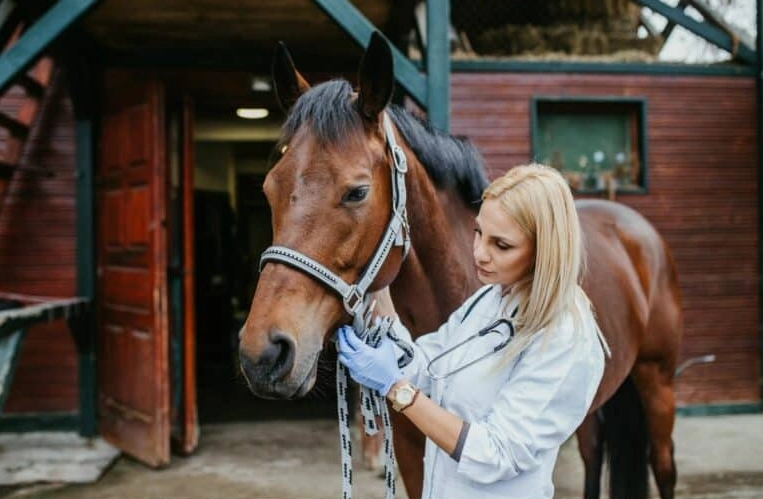
Conservation Biologist/Field Researcher
This is more science and data than direct daily care. You might track animal populations via camera traps, collect scat samples for DNA analysis, or study the impact of habitat loss. This almost always requires at least a bachelor's, and often a master's degree in biology, ecology, or wildlife science. Jobs are with government agencies (like the U.S. Fish and Wildlife Service), universities, or NGOs like The Nature Conservancy.
Specialized & Niche Animal Careers
These paths combine animal care with another skill set, creating unique opportunities.
| Career | Primary Focus | Typical Education/Path | Key Consideration |
|---|---|---|---|
| Animal Trainer | Behavior modification for pets, service dogs, film/TV, or marine mammals. | Apprenticeships, certifications from orgs like CCPDT. Degree in psychology or animal science helps. | Heavily based on positive reinforcement science. Requires immense patience. |
| Pet Groomer | Hygiene, styling, and maintenance for pets, primarily dogs. | Vocational school or apprenticeship. Licensing required in some states. | Physically tough (lifting, bending). Need skill with sharp tools on moving animals. |
| Animal Behaviorist | Solving severe behavioral problems (aggression, anxiety). Often works with vets. | Advanced degree (Masters or PhD) in animal behavior or psychology. Board certification available. | Deals with "last resort" cases. Success depends heavily on owner compliance. |
| Equine Massage Therapist | Providing bodywork to improve performance and recovery in horses. | Completion of a specialized certification program in equine massage/modalities. | Must understand equine anatomy deeply. Builds a clientele of horse owners/trainers. |
Getting Your Foot in the Door (With Zero Experience)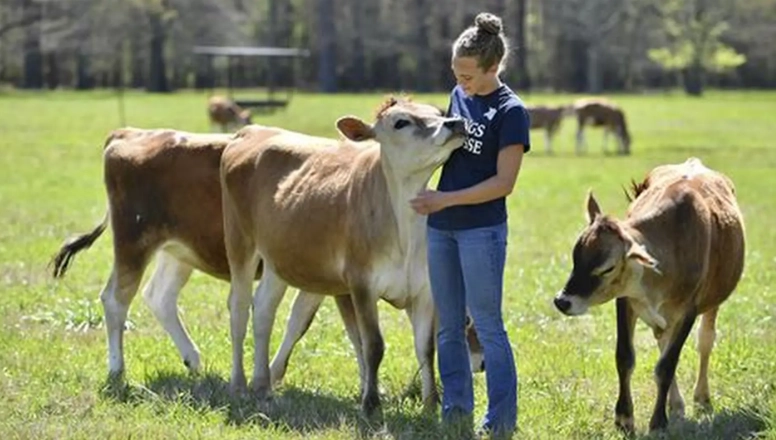
Everyone starts somewhere. Here’s your action plan if your resume is currently animal-free.
Volunteer. This is non-negotiable. Shelters, rescues, wildlife rehab centers, and even stables need help. You'll clean, you'll feed, you'll socialize. It's the ultimate test of your commitment and exposes you to the environment.
Shadow. Call a local veterinary clinic and ask if you can shadow a vet or vet tech for a day. Most professionals are happy to talk to someone genuinely interested.
Get a kennel assistant or dog walker/pet sitter job. This is foundational experience. It teaches you about animal behavior, body language, and basic care under commercial pressure.
I started by cleaning kennels at a boarding facility. The pay was terrible, the work was filthy, but within six months I was assisting with basic grooming and training. That experience got me my first shelter job.
Consider a low-cost certification to boost your resume. The Fear Free certification program, for example, is widely recognized and shows you understand stress-reduction handling.
Your Animal Career Questions Answered
 Is a biology degree necessary for most animal careers?


Join the Conversation