Quick Guide
- Before You Even Get the Brush Out: The Beginner's Toolkit
- The Step-by-Step: Your First Successful Home Grooming Session
- Tackling the Tricky Bits: Nails, Ears, and That Wiggly Dog
- Coat-Specific Advice: Because One Size Does NOT Fit All
- Answers to the Questions You're Probably Asking
- Building a Routine That Actually Sticks
Let's be honest, the first time you think about grooming your dog yourself, it can feel a bit like staring at a complicated IKEA manual. You know it's probably good for you (and your wallet), but where on earth do you even start? Should you just dive in with the hose and some human shampoo? I made that mistake years ago with my first dog, a Labrador named Max, and let's just say the dry, itchy skin he got afterwards was a lesson learned the hard way.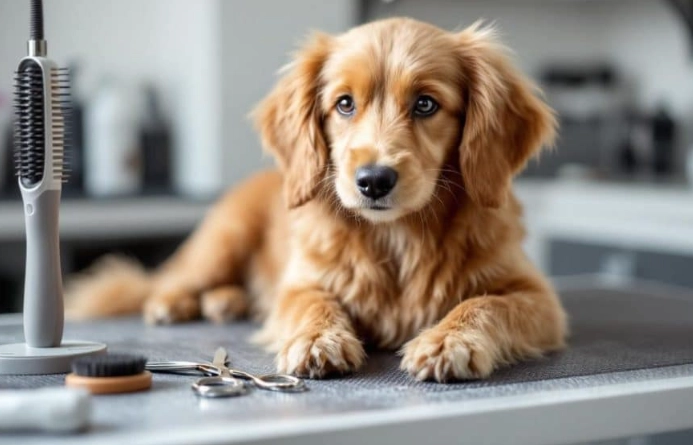
That's exactly why I'm writing this. I want to save you from those early blunders. This isn't about turning you into a professional pet stylist overnight. It's about giving you a solid, safe, and surprisingly simple foundation. Think of these dog grooming tips and tricks for beginners as your friendly roadmap. We're going to cover everything from the basic tools you actually need (not the 50-piece set the internet tries to sell you) to the step-by-step of a stress-free bath. You'll learn how to handle the brush, the nail clippers, and even those sensitive areas like ears and eyes, all while keeping your dog calm and building a better bond in the process.
Trust me, once you get the hang of it, it stops being a chore and starts feeling like just another way to hang out with your best friend.
Before You Even Get the Brush Out: The Beginner's Toolkit
Jumping straight in is a recipe for frustration. Getting your supplies sorted is half the battle. You don't need a salon's worth of gear, but having the right few items makes all the difference. Here’s the no-fluff list of essentials for your first grooming kit.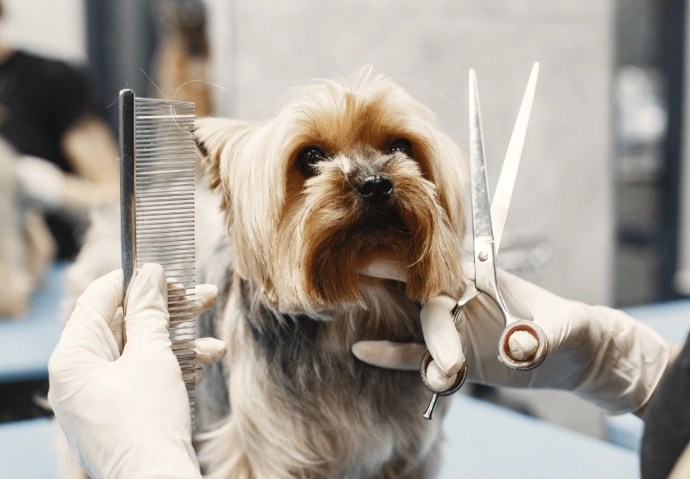
The Non-Negotiable Basics
First up, brushes. This is where most beginners get confused. The right brush depends entirely on your dog's coat type. Using the wrong one is ineffective at best and painful at worst.
- For short-haired dogs (like Boxers, Beagles, Dobermans): A rubber curry brush or a grooming mitt is your best friend. It grabs loose hair and gives a great massage. Follow up with a fine-bristled brush or a hound glove for a sleek finish.
- For long-haired or silky coats (like Yorkies, Maltese, Setters): You'll need a slicker brush to tackle mats and tangles gently, and a wide-toothed comb for finishing and checking your work. Start from the ends and work up to the skin.
- For double-coated dogs (like Huskies, German Shepherds, Golden Retrievers): An undercoat rake is a lifesaver during shedding season. It pulls out the dense, dead undercoat without harming the topcoat. A slicker brush works well for general maintenance.
Next, nail clippers. The guillotine style is simple for beginners, but many prefer the scissor-style clippers for more control. Whichever you choose, get one with a safety guard. And have styptic powder on hand. Every single dog owner has nicked the quick at least once (I certainly have), and that powder stops the bleeding instantly. It's a small thing that gives you huge peace of mind.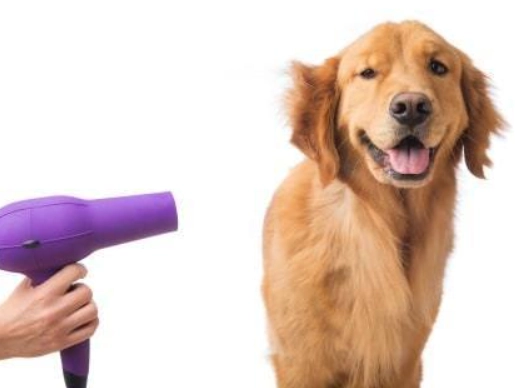
Shampoo and conditioner. This is crucial: Use dog-specific formulas. Human shampoo has a different pH level that can strip your dog's skin of its natural oils, leading to irritation and dryness. For most dogs, a gentle oatmeal-based shampoo is a safe bet. If your dog has specific skin issues, talk to your vet.
Nice-to-Haves That Make Life Easier
Once you've got the basics down, a few extra tools can really smooth out the process.
- Detangling Spray: A spritz of this on damp hair before brushing makes dealing with minor knots much simpler.
- Ear Cleaner & Cotton Balls: A gentle, vet-recommended ear cleaning solution is key for floppy-eared breeds prone to infections.
- Toothbrush & Dog Toothpaste: Dental care is part of grooming too! Never use human toothpaste.
- A Non-Slip Mat: For the tub or sink. This gives your dog secure footing and reduces their anxiety.
Here’s a quick-reference table to help you match tools to your dog’s main needs: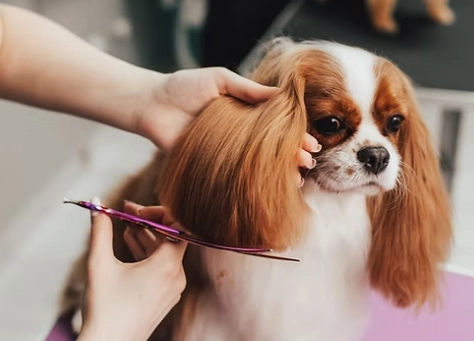
| Primary Task | Essential Tool(s) | Beginner-Friendly Tip |
|---|---|---|
| Removing Loose Hair & Dander | Brush suited to coat type (Slicker, Curry, Undercoat Rake) | Brush *before* the bath to loosen dirt and prevent drain-clogging mats. |
| Bathing | Dog Shampoo, Towels, Non-Slip Mat | Use lukewarm water, not hot. Test it on your inner wrist. |
| Nail Trimming | Clippers with Safety Guard, Styptic Powder | Trim tiny amounts frequently rather than one big clip. Look for the "quick" (pink inner part). |
| Drying | Absorbent Towels, Blower (for thick coats) | Don't rub vigorously with a towel; press and squeeze to absorb water. |
| Ear & Eye Care | Ear Cleaning Solution, Cotton Balls, Soft Cloth | Never use Q-tips inside the ear canal. Just clean the outer flap you can see. |
The Step-by-Step: Your First Successful Home Grooming Session
Okay, you've got your tools. Now, let's walk through the actual process. The key is patience and breaking it into manageable chunks. You don't have to do everything in one go, especially at first.
Pre-Game: Brushing and Prep
Always, always brush thoroughly before the bath. Bathing a matted coat will only tighten the mats into impossible felt-like clumps. Brush in the direction of hair growth, section by section. Pay extra attention behind the ears, under the legs, and around the collar—common matting spots.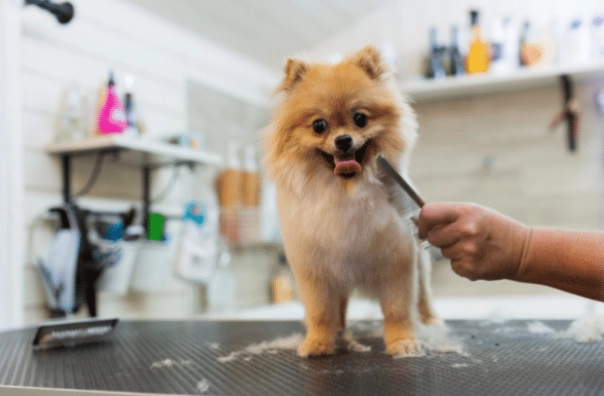
This is also the time to place cotton balls gently in your dog's ear canals (not shoved in deep!) to keep water out. Put down your non-slip mat in the tub. Have your shampoo, conditioner, and towels within arm's reach. Getting everything ready beforehand means you won't be fumbling with a wet, squirmy dog.
Bath Time: Keeping It Calm
Use lukewarm water. Thoroughly wet your dog's coat all the way down to the skin. Apply shampoo from the neck down, lathering as you go. Avoid the head for now. Massage it in—most dogs love this part! Rinse completely. Incomplete rinsing is a major cause of itchy skin. I mean, rinse until the water runs absolutely clear. Then rinse once more for good measure.
Now, for the face. Use a damp, soapy washcloth to gently wipe the face, avoiding the eyes and inside the ears. Apply conditioner if needed, rinse thoroughly again.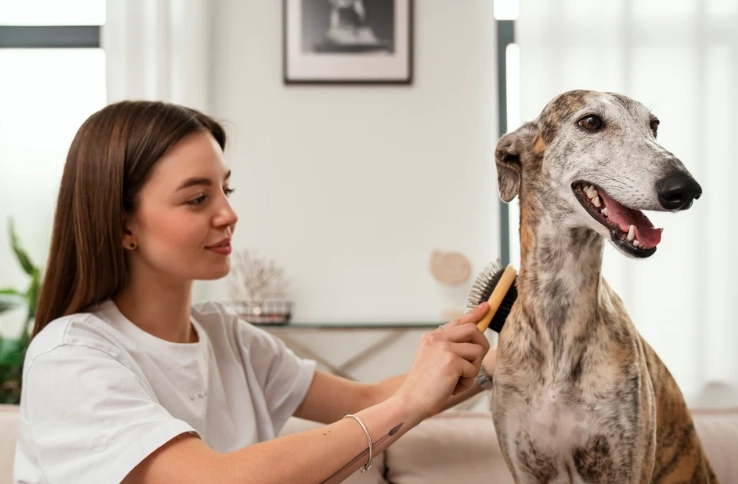
The Dry-Down and Final Touches
Gently squeeze excess water from the coat. Wrap your dog in a towel and give a big, comforting squeeze. Use a second dry towel to press and absorb more moisture. If you're using a dryer, keep it on a low, cool setting and keep it moving constantly to avoid burning the skin.
Once mostly dry, give another light brush-through. This is the perfect time to trim nails, as they are softer after a bath. Clean the ears with a vet-approved solution on a cotton ball. Wipe the corners of the eyes with a soft, damp cloth.
Tackling the Tricky Bits: Nails, Ears, and That Wiggly Dog
These are the parts that make most new groomers break out in a cold sweat. Let's demystify them.
Nail Trimming Without the Drama
The fear is real, mostly because we're scared of hurting them. For light-colored nails, you can see the pink "quick"—the blood vessel. Cut at least 2mm away from it. For black nails, it's trickier. Trim tiny slivers at a 45-degree angle until you see a black dot in the center of the newly cut surface; that's the start of the quick, so stop.
If your dog is super anxious, just do one paw a day. Pair each tiny clip with a high-value treat. The American Kennel Club (AKC) has excellent visual guides on nail trimming that can boost your confidence.
Ear Cleaning Made Simple
For routine care, you're only cleaning the external ear flap. Soak a cotton ball with cleaner, lift the ear flap, and wipe the visible part of the inner flap and the entrance to the canal. Discard the cotton ball, get a fresh one, and repeat until it comes back clean. If you see redness, swelling, or a bad smell, stop and call your vet. The American Veterinary Medical Association (AVMA) notes that regular checking is key for prevention.
What If My Dog Hates This?
This is where those dog grooming tips and tricks for beginners turn into philosophy. It's not a battle of wills. Start young if you can, but for older dogs, go slow. Desensitize them. Let them sniff the clippers for a week before you even try to use them. Touch their paws frequently while giving treats. Keep sessions short and positive. Sometimes, just getting the brush out for 30 seconds of happy brushing is a win. Forcing it will only make it harder next time.
Coat-Specific Advice: Because One Size Does NOT Fit All
General advice is fine, but your dog's specific coat type dictates your routine. Here’s a deeper dive.
- Short, Smooth Coats: Easy mode! A weekly brush with a curry brush removes dead hair and distributes oils. They often need fewer baths.
- Long, Flowing Coats: This is a commitment. Daily brushing is ideal to prevent mats. Pay special attention to the "feathers" on legs and belly. Regular trims around the paws and sanitary area are a must for hygiene.
- Double Coats (The Shedders): Never, ever shave a double-coated breed. It ruins their insulation. Your job is management with an undercoat rake and slicker brush, especially during the "blow" of their undercoat twice a year. It's a lot of fur, but it's necessary.
- Curly/Wiry Coats (Poodles, Terriers): These coats don't shed much but mat easily. They require frequent, meticulous brushing right down to the skin and often benefit from professional clipping every 4-8 weeks. You can learn to do a simple "puppy cut" at home with clippers and a guide comb.
Honestly, if you have a Poodle or a Sheepdog and want to maintain a full coat, be prepared for a steep learning curve. There's no shame in doing the basic care at home and leaving the fancy haircut to a pro.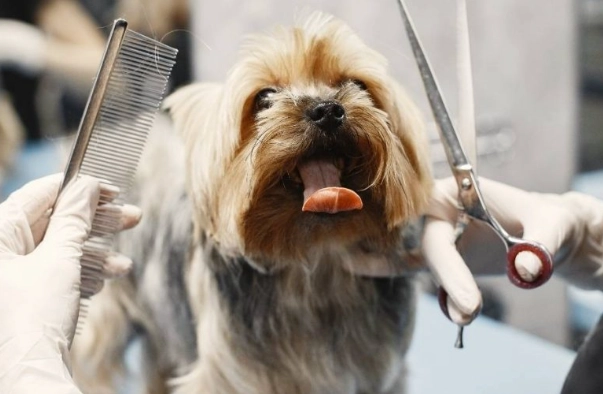
Answers to the Questions You're Probably Asking
Building a Routine That Actually Sticks
The magic isn't in one perfect grooming session. It's in the little bits you do consistently. Make brushing a part of your evening TV time. Get your dog used to having their paws handled when they're sleepy and relaxed. Check ears once a week when you're already giving them belly rubs.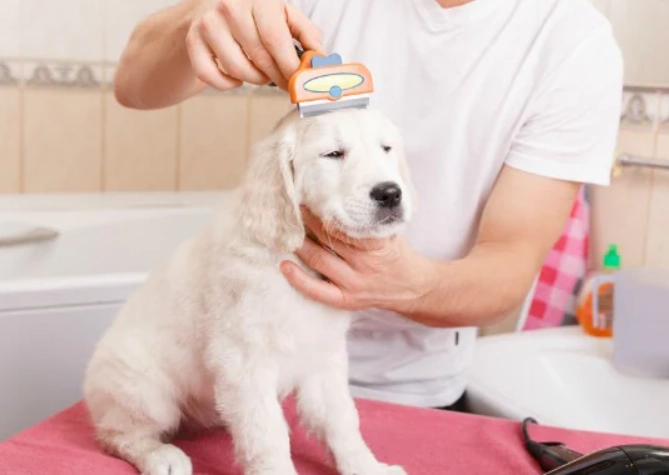
By integrating these dog grooming tips and tricks for beginners into your normal life, it stops being a big, scary event. It becomes just another way you care for your pal. You'll catch potential issues early, like a small sore or a tick, and you'll strengthen your bond through all that positive, gentle handling.
Look, you're going to have off days. The nail trim might go sideways, or your dog might shake soapy water all over your bathroom. That's normal. The point is that you're trying, you're learning, and you're taking an active role in your dog's wellbeing. That alone makes you a great owner. So grab that brush, take a deep breath, and get started. Your dog will thank you for it, probably with a big, slobbery kiss.
Join the Conversation