Quick Navigation
- Before the Paw Hits the Floor: Your Pre-Arrival Checklist
- The First 48 Hours: Welcome Home, Little One
- Food & Nutrition: Fueling the Zoomies
- Health & Vet Care: Prevention is Everything
- Behavior & Training: Yes, You Can Train a Cat
- Socialization & Play: Building a Confident Cat
- The Not-So-Fun Stuff: Common Kitten Health Issues to Watch For
- Bringing It All Together: The Kitten Care Mindset
Let's be honest for a second. Scrolling through endless pictures of kittens online is one thing. Actually having a tiny, needle-clawed, meowing tornado zoom around your living room at 3 AM is a whole different ball game. It's amazing, don't get me wrong. But it's also a huge responsibility.
I remember bringing my first cat, Mochi, home. I had a cardboard box, a bag of the cheapest food I could find, and absolutely zero clue. I made every mistake in the book. Too many treats? Check. Letting him play with my hands? Big check. I thought kitten care basics were just food and a litter box. Boy, was I wrong.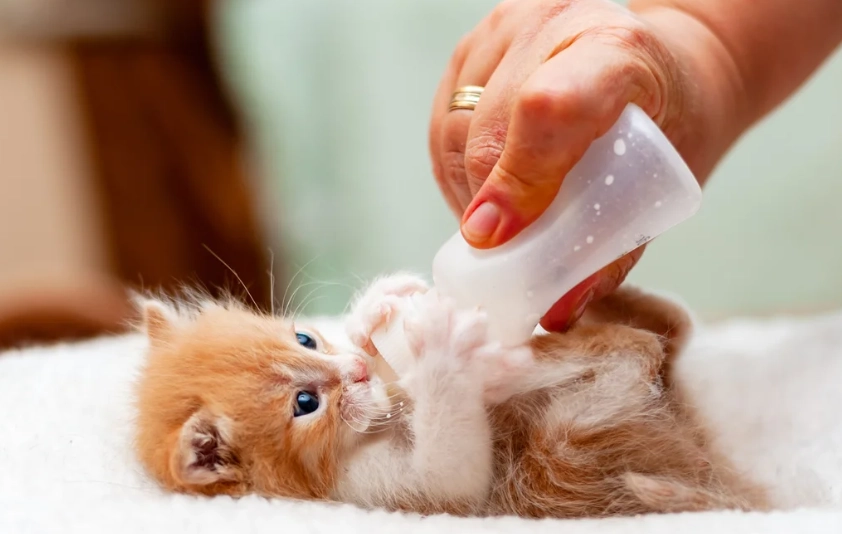
This guide is what I wish I had. It's not a sterile manual. It's the collective wisdom from vets, cat behaviorists, and a lot of trial and error (mostly error, on my part). We're going to cover everything, from the stuff you absolutely must do before you even bring the kitten home, to the weird little behaviors you'll need to understand. Consider this your roadmap.
Before the Paw Hits the Floor: Your Pre-Arrival Checklist
You wouldn't bring a baby home without a crib, right? Same logic applies. Getting things ready before your kitten arrives reduces stress for everyone—especially the kitten. Here’s your non-negotiable shopping and prep list.
The Essential Gear You Can't Skip
You'll see a million products marketed for kittens. You don't need most of them. Focus on these core items first.
- Food & Water Bowls: Go for shallow, wide ceramic or stainless-steel bowls. Plastic can harbor bacteria and cause feline acne (yes, that's a thing). Have at least two sets for water placed in different rooms.
- The Litter Box: This is critical. Get a large, low-sided box so a tiny kitten can easily climb in and out. I made the mistake of getting one with a hood for Mochi, and it freaked him out. Start simple. You'll need unscented, clumping litter—kittens have sensitive noses.
- Scratching Posts (Yes, Multiple): Not a luxury. A necessity. If you don't provide an approved scratching surface, your couch becomes one. Get at least two different types (sisal rope, cardboard, carpet) and place them near where they sleep and in common areas.
- A Cozy Bed: They'll sleep anywhere, but having a dedicated, soft bed in a quiet corner gives them a safe space. A simple padded bed or even a cardboard box with a soft blanket works wonders.
- A Secure Carrier: This is for the ride home and all future vet visits. Get a sturdy one that opens from the top and front. Make it a happy place by leaving it out with a blanket inside.
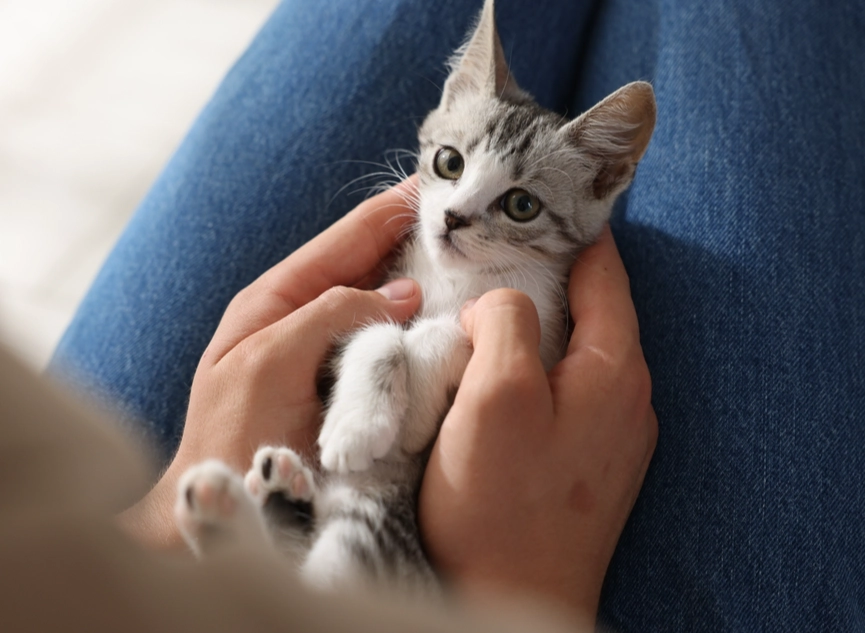
Kitten-Proofing Your Home: It's Like Baby-Proofing, But for Ninjas
Kittens are curious, clumsy, and can fit into spaces that defy physics. A big part of early kitten care basics is making your home safe.
Toxic Hazards Top List:
- Plants: Lilies are extremely toxic and can cause kidney failure. Peace lilies, pothos, sago palms are also dangerous. Check the ASPCA's toxic plant list before you bring any greenery home.
- Foods: Onions, garlic, chocolate, xylitol (common in sugar-free gum), alcohol, caffeine, grapes, and raisins.
- Medications: Keep all human meds locked away. Even a dropped ibuprofen can be fatal.
- Small Objects: Hair ties, rubber bands, string, yarn, toy parts. These are ingestion hazards that can cause life-threatening intestinal blockages.
Also, secure loose wires, check for spaces behind appliances, and make sure window screens are sturdy. It's a bit of work, but it lets you relax when they're exploring.
The First 48 Hours: Welcome Home, Little One
This period sets the tone. The goal is low-stress introduction, not a big party.
When you get home, take the carrier to a small, quiet room you've prepared (like a bathroom or spare bedroom). Have the litter box, food, water, and bed already set up. Open the carrier door and let them come out on their own. Don't pull them out. They might hide for hours or even a day. That's perfectly normal. Just sit quietly in the room, talk softly, and let them observe you.
Resist the urge to overwhelm them with cuddles. Let them initiate contact. Offer a little food and use play (like a feather wand) to build positive associations. The key to these initial kitten care basics is patience. Let them explore this one safe room for a few days before gradually opening up the rest of the house.
Food & Nutrition: Fueling the Zoomies
What you feed your kitten lays the foundation for their lifelong health. It's confusing with all the brands and claims out there.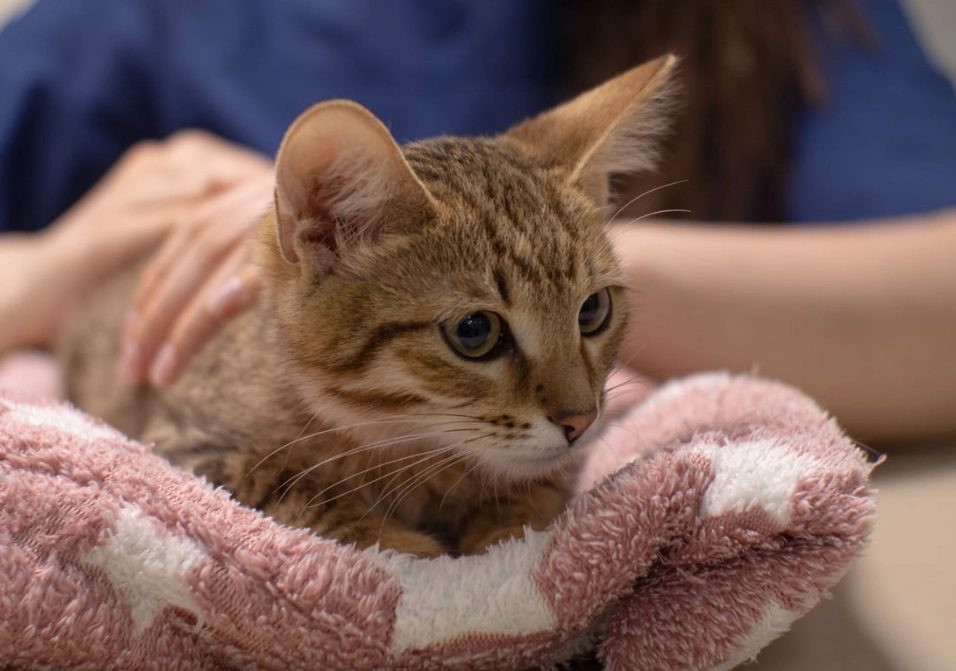
Wet Food vs. Dry Food: The Great Debate
Honestly, I'm team wet food for kittens, and here's why. Kittens have a naturally low thirst drive, having evolved from desert animals. Wet food is about 70-80% water, which helps keep them hydrated and supports urinary tract health. Dry food is convenient and good for dental health, but it's very low in moisture.
My vet recommended a mix: scheduled wet food meals (twice a day) and a small portion of high-quality dry kitten food left out for free-feeding. This works because kittens need to eat little and often—their stomachs are tiny. Always look for food labeled "complete and balanced for growth" or "for all life stages." The Association of American Feed Control Officials (AAFCO) sets these standards, so that statement on the bag is crucial.
Kitten Feeding Schedule (A Rough Guide)
| Age | Meal Frequency | Food Type | Notes |
|---|---|---|---|
| 6-12 weeks | 4 times a day | Wet kitten food / moistened dry kibble | At weaning, they're transitioning from mother's milk. |
| 3-6 months | 3 times a day | Wet/Dry kitten food combo | Major growth phase. Don't restrict calories. |
| 6-12 months | 2 times a day | Transition to adult food near 12 months | Growth slows. Start measuring portions. |
Fresh water should be available 24/7 in a clean bowl, away from the litter box. And please, no cow's milk. Most kittens are lactose intolerant, and it will give them diarrhea.
Health & Vet Care: Prevention is Everything
This is where you build a relationship with a vet you trust. Don't wait for an emergency.
The First Vet Visit: What to Expect
Schedule this within the first week. The vet will do a full physical exam, check for parasites (like fleas, ticks, and worms—super common in kittens), and discuss a vaccination schedule. Bring a fresh stool sample if you can. This visit is your chance to ask all the “silly” questions.
Core Vaccinations for Kittens
Vaccines protect against serious, often fatal diseases. The core vaccines, as defined by the American Animal Hospital Association (AAHA), are non-negotiable. They typically protect against:
- FVRCP: Often called the "distemper" shot, it's actually a combo for Feline Viral Rhinotracheitis, Calicivirus, and Panleukopenia.
- Rabies: Required by law in most places. Usually given around 12-16 weeks.
Your vet may recommend others (like FeLV) based on your kitten's lifestyle (indoor/outdoor risk).
Parasite Prevention: Fleas, Worms, and More
Even indoor-only kittens can get parasites. A monthly preventative for fleas, ticks, heartworm, and intestinal worms is smart. Your vet will recommend a safe product based on your kitten's age and weight. Never use dog products on cats—some are highly toxic.
Spaying or Neutering: Why It's a Must
This isn't just about preventing unwanted litters. It has major health and behavioral benefits. For females, it prevents uterine infections and breast cancer. For males, it reduces spraying, roaming, and aggression. Most shelters and vets recommend doing this around 4-6 months of age. It's one of the most responsible acts of kitten care.
Behavior & Training: Yes, You Can Train a Cat
Kittens aren't born knowing the rules of your house. You have to teach them, and the key is positive reinforcement. Punishment doesn't work and only makes them scared of you.
Litter Box 101: Avoiding Common Problems
Most kittens instinctively use a litter box. If there's an accident, it's usually our fault, not theirs. The golden rules:
- One box per cat, plus one extra. So for one kitten, have two boxes. Place them in quiet, low-traffic areas.
- Scoop at least once, ideally twice, a day. Cats are clean creatures. A dirty box is the #1 reason they go elsewhere.
- Use unscented litter. Their sense of smell is way stronger than ours.
- If they stop using the box, it's a red flag. The first step is always a vet visit to rule out a urinary tract infection (UTI).
Scratching: Redirect, Don't Punish
Scratching is natural. It conditions their claws, marks territory, and stretches their bodies. When you catch them scratching the furniture, calmly pick them up and place them at their scratching post. Gently move their paws on it to show the motion. Praise them or give a treat when they use it. You can also make the furniture less appealing temporarily with double-sided tape.
Biting and Play Aggression
Those little nips hurt! When kittens play with their littermates, they learn bite inhibition. With you, you need to teach it. If teeth or claws make contact with skin, let out a high-pitched "Ouch!" or "Yeow!", immediately stop playing, and walk away for a minute. This mimics how a sibling would react. Never use your hands as toys—always use a wand toy to keep the “prey” at a distance.
Socialization & Play: Building a Confident Cat
The prime socialization window is between 2 and 7 weeks, but you continue this work when you get them. Socialization isn't just about people; it's about positive exposure to all sorts of experiences: different sounds (vacuum, doorbell), surfaces, gentle handling of paws and mouth (for future nail trims and teeth brushing), and meeting calm, vaccinated friends.
Play is their job. It teaches them coordination, satisfies their prey drive, and prevents boredom (which leads to mischief). Have a variety of toys: wand toys for interactive play, balls for chasing, and puzzle feeders for mental stimulation. Schedule 2-3 intense 15-minute play sessions a day, especially before meals and bedtime to tire them out.
Kitten Care Basics: Your Questions Answered
Q: My kitten is biting my ankles and attacking me out of nowhere! Is this normal?
A: Completely normal. It's called "the zoomies" or frenetic random activity periods (FRAPs). They have bursts of insane energy. It often happens in the evening. The best thing to do is not react (hard, I know) and redirect with a toy they can chase. It's not aggression; it's just pent-up kitten energy.
Q: How do I trim my kitten's nails without it being a bloodbath?
A: Start by just handling their paws gently every day while giving treats. Get them used to the feel. Then, introduce the clippers, let them sniff. Clip just the very sharp tip of one nail, give a treat, and stop. Do one or two nails a session. Make it positive and never force it. If you're nervous, ask your vet or groomer to show you.
Q: My kitten cries all night. What do I do?
A: First, make sure all their needs are met: a late-night play session to tire them out, a final small meal, and a clean litter box. If they still cry, they might be lonely or adjusting. It's tough, but try not to reward the crying by getting up. A consistent bedtime routine helps. They usually grow out of it within a few weeks.
The Not-So-Fun Stuff: Common Kitten Health Issues to Watch For
Knowing the signs can help you act fast.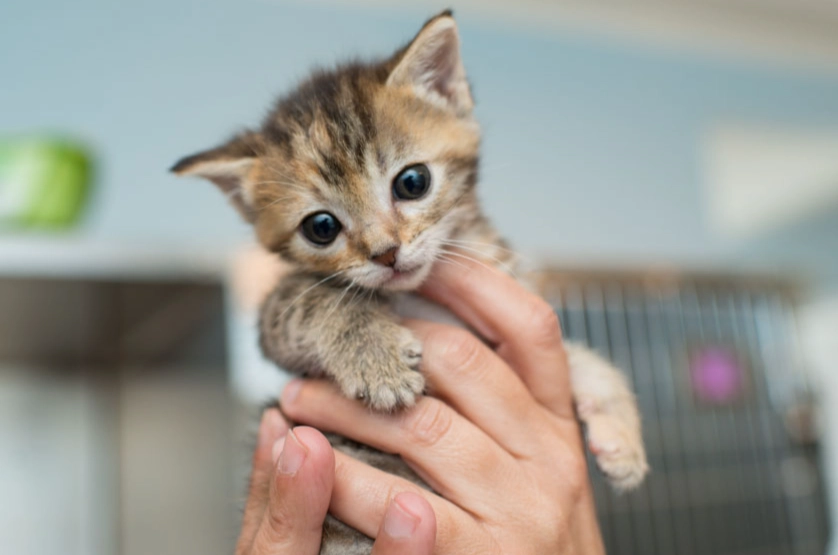
- Upper Respiratory Infection (URI): Like a kitty cold. Symptoms: sneezing, runny nose/eyes, lethargy. Very common in shelters. Usually requires vet care.
- Diarrhea: Can be caused by diet change, parasites, or infection. If it lasts more than 24 hours or is accompanied by lethargy, call the vet.
- Fleas: Look for "flea dirt" (black specks that turn red when wet) or excessive scratching. Treat all pets in the house.
- Ear Mites: Looks like dark, crumbly coffee grounds inside the ear. Very itchy. Needs prescription medication.
When in doubt, call your vet. It's always better to be safe.
Bringing It All Together: The Kitten Care Mindset
Mastering kitten care basics isn't about being perfect. It's about being prepared, observant, and patient. You're going to make mistakes. I certainly did. You'll buy a toy they ignore and watch them play with the box instead. You'll get scratched. You'll lose sleep.
But you'll also experience the purr that vibrates through your chest when they finally fall asleep on you. You'll watch their personality blossom. You'll have a tiny creature who chooses to love you, on their own terms.
It's a journey. Stock up on the essentials, find a good vet, use positive reinforcement, and shower them with love (and appropriate play). Do that, and you'll be well on your way to raising a wonderful, well-adjusted cat. The investment you make in these first few months pays off for a lifetime of companionship.
Got a specific worry I didn't cover? Drop it in the comments below. Between all of us cat people, we've probably been through it!



Join the Conversation