You notice your parrot is fluffed up in the corner of its cage. Your canary hasn't sung in two days. Your chicken is sneezing. Your first instinct is to search for a "bird diseases list" – and you're right to do so. But most lists stop at scary names and vague symptoms. They don't tell you what to actually look for or what to do in those critical hours before you can get to an avian vet. Having worked with birds for over a decade, I've seen the panic that sets in when a pet gets sick. This guide is different. We'll go through a practical list of common avian diseases, but we'll focus on the subtle signs you might miss, the immediate home care steps that can buy time, and the common mistakes well-meaning owners make that can make things worse.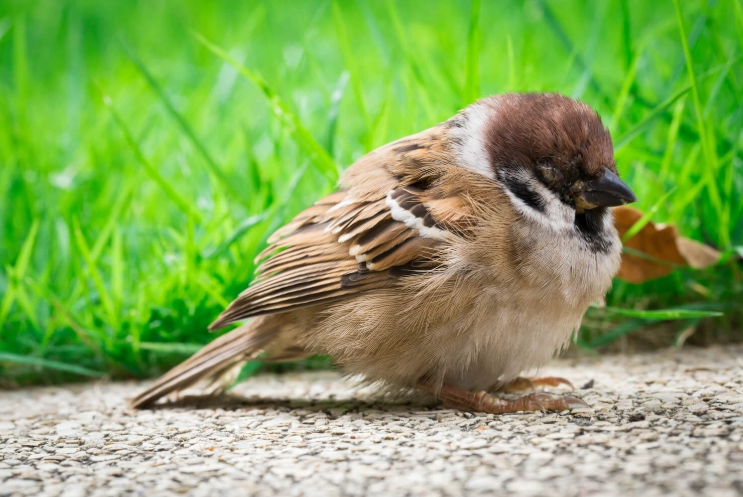
What's Inside: Your Quick Action Map
Why a Generic Bird Diseases List Isn't Enough
Looking up "bird sick" online is overwhelming. You'll find lists with dozens of diseases, from Aspergillosis to Zoonotic viruses. The problem? It's like reading a dictionary of car problems when you just hear a weird noise. You need context. Is your bird a budgie or an Amazon parrot? Is it a pet or part of a backyard flock? The disease risks and presentations differ wildly.
A more useful approach is to think in terms of symptom clusters and risk factors. Is the primary issue respiratory (sneezing, tail bobbing), digestive (color change in droppings, vomiting), or neurological (head tilting, seizures)? Does your bird have contact with wild birds? Did you recently introduce a new bird? This targeted thinking is what separates a helpful resource from a scary list. According to the Association of Avian Veterinarians (AAV), early symptom recognition is the single biggest factor in improving outcomes for sick birds, as they are masters at hiding illness until they are very unwell.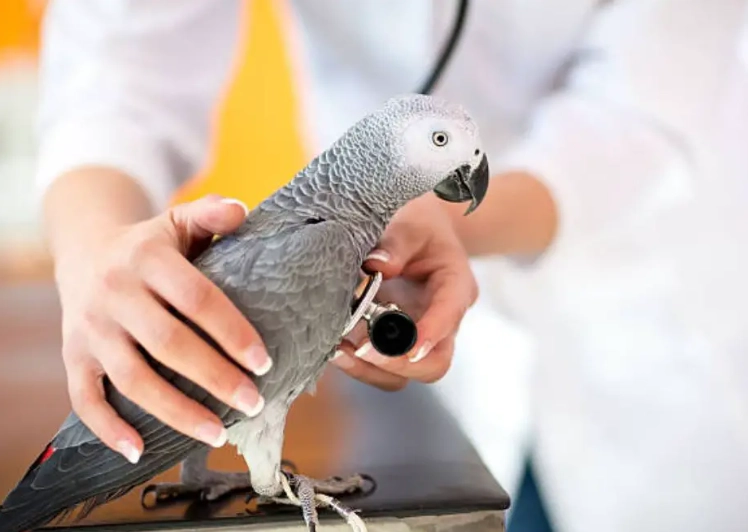
Common Bird Diseases: A Symptom-Focused Breakdown
Let's move beyond just names. Here’s a breakdown of five major disease categories, focusing on what you'll see and what it likely means. I've included a specific, often-overlooked tip for each one based on hard-earned experience.
| Disease (Technical Name) | Primary Symptoms YOU Can See | Key Risk Factor / Bird Type | Critical Home Action |
|---|---|---|---|
| Avian Psittacosis (Parrot Fever) | Greenish/yellow droppings, fluffed feathers, eye/nose discharge, lethargy. Can look like a bad cold. | Newly acquired parrots (cockatiels, budgies, macaws), birds in pet stores. It's zoonotic (humans can catch it). | Isolate immediately. Wear gloves/mask when cleaning cage. Do not administer human antibiotics. |
| Avian Influenza (Bird Flu) | Sudden death, purple discoloration of wattles/combs, swelling of head/eyes, coughing, lack of coordination. | Backyard poultry, waterfowl, any bird with outdoor exposure to wild birds. | Report suspected cases to your state veterinarian IMMEDIATELY. This is a reportable disease. Isolate and avoid contact. |
| Aspergillosis (Fungal Infection) | Weight loss despite eating, labored breathing (tail bobbing), voice change, lethargy. Symptoms come on slowly. | Birds kept in damp, moldy environments (check your basement!), or with compromised immune systems. | Increase ambient temperature slightly (85-90°F/29-32°C) to help breathing. Ensure excellent ventilation away from drafts. |
| Polyomavirus | In chicks: sudden death, swollen abdomen, feather abnormalities. In adults: often no symptoms until acute illness. | Very young parrots (especially macaws, conures), birds from breeders with poor biosecurity. | For survivors, focus on supreme nutrition and stress reduction. They may be carriers. |
| Macaw Wasting Disease (Proventricular Dilatation Disease - PDD) | Passing whole seeds in droppings, chronic weight loss, vomiting/regurgitation, weakness. | Macaws, African Greys, cockatoos. Can affect any parrot. | Offer easily digestible foods like soaked pellets, cooked sweet potato. Keep bird warm and quiet. |
Avian Psittacosis: The Silent Household Threat
Parrot Fever is the disease I see owners misunderstand most. They treat it like a human cold. The biggest mistake? Not realizing how contagious it is between birds and to people. A bird can be a carrier for months without symptoms, then stress (like a new home) triggers illness. If one bird in a multi-bird household gets diagnosed, assume all are exposed. The World Organisation for Animal Health (WOAH) lists it as a significant zoonosis. My personal protocol involves treating the entire flock if one tests positive, a step not all vets initially recommend but one that has stopped reinfection cycles in my experience.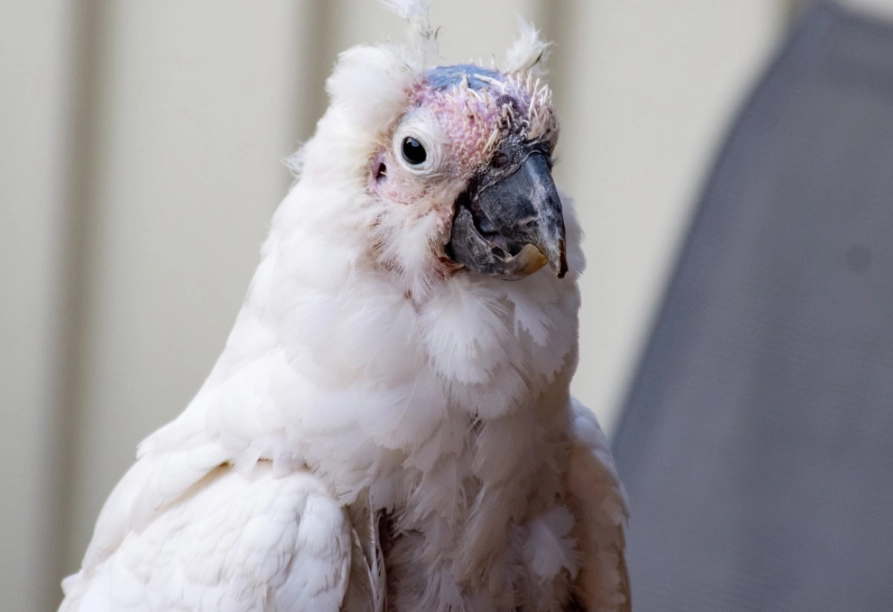
Bird Flu in Backyard Flocks: Beyond the Headlines
Avian Influenza isn't just a news story for commercial farms. If you keep chickens or ducks, you need a plan. The symptom that's most telling isn't just sneezing—it's the purple comb and wattles. It indicates circulatory collapse. Prevention is 90% of the battle: keep wild birds away from your feeders and waterers. I advise clients to use covered feeders and to have a "lockdown" coop ready—a fully enclosed space—to bring birds into if there's an outbreak in your county.
How to Figure Out What's Wrong (Before the Vet)
When you call the vet, they'll ask specific questions. Being prepared speeds everything up. Here’s your pre-vet checklist:
1. The Dropping Check: This is the most overlooked diagnostic tool. Lay a white paper towel on the cage bottom. A healthy dropping has three parts: a dark solid (feces), a white chalky part (urates), and clear liquid (urine). Look for: all liquid (polyuria), all green or yellow (liver issue/psittacosis), blood, or undigested seed. Take a photo with your phone.
2. The Weight Log: Birds hide weight loss under feathers. A digital kitchen scale that measures in grams is essential. Weigh your bird weekly when healthy to know its baseline. A 10% weight loss is a major red flag, even if the bird seems okay.
3. Behavior Bingo: Is the bird sleeping on two feet (normal) or slumped on the cage floor (serious)? Is it at the top perch or the bottom? Is it interacting or ignoring favorite treats? Note any changes in vocalization or breathing pattern (listen for clicks or wheezes).
Gather this info before you panic-search. It turns you from a worried owner into an effective partner for your vet.
Sick Bird Home Care: The Do's and Don'ts
You've identified symptoms and have a vet appointment tomorrow. What do you do tonight? This is where most lists fail.
DO: Create a Hospital Cage. This isn't optional. Take a small cage or carrier. Line it with towels (no grate). Provide a low, flat perch or just towels on the bottom. Place a heat source on one side—a heating pad set on low under HALF the cage, or a ceramic heat lamp above. This creates a thermal gradient so the bird can choose its temperature. Aim for 85-90°F (29-32°C) on the warm side. Dehydrated, sick birds cannot regulate their body heat.
DO: Offer Hydration and Easy Food. Place shallow dishes of water right next to the bird. Offer familiar, high-energy, easy-to-eat foods: millet spray for small birds, cooked pasta or mashed sweet potato for larger ones. Soak their pellets in water to make a soft mash.
DON'T: Force-Feed or Give Human Medication. Aspirin is toxic to birds. Human antibiotics are the wrong type and dose. Force-feeding can cause aspiration pneumonia—a death sentence. If the bird isn't eating at all, the vet may need to tube-feed. Your job is to make eating and drinking as easy as possible.
DON'T: Stress Them Further. Move the hospital cage to a quiet, dimly lit room. No loud noises, other pets, or excessive handling. Let them rest.
Building Daily Habits to Prevent Disease
Prevention is cheaper and easier than cure. It's not complicated, it's consistent.
Quarantine ANY New Bird for 45 Days. I don't care if it's from your best friend. House the new bird in a separate room, with separate cleaning tools. Attend to your existing birds first, then the new one. This simple habit would prevent 80% of the multi-bird outbreaks I've seen.
Master Cage Hygiene. It's not about sterile, it's about dry. Daily spot-cleaning of droppings and wet food. Weekly deep-clean with a bird-safe disinfectant (like F10SC or diluted white vinegar). Rinse thoroughly and dry completely before returning the bird. Fungi and bacteria thrive in damp litter.
Diet is Everything. A seed-only diet is a recipe for fatty liver disease and a weak immune system. Transition to a high-quality pelleted diet as a base, supplemented with fresh veggies (dark leafy greens, carrots, peppers) and a limited amount of fruit. A well-nourished bird fights off pathogens better.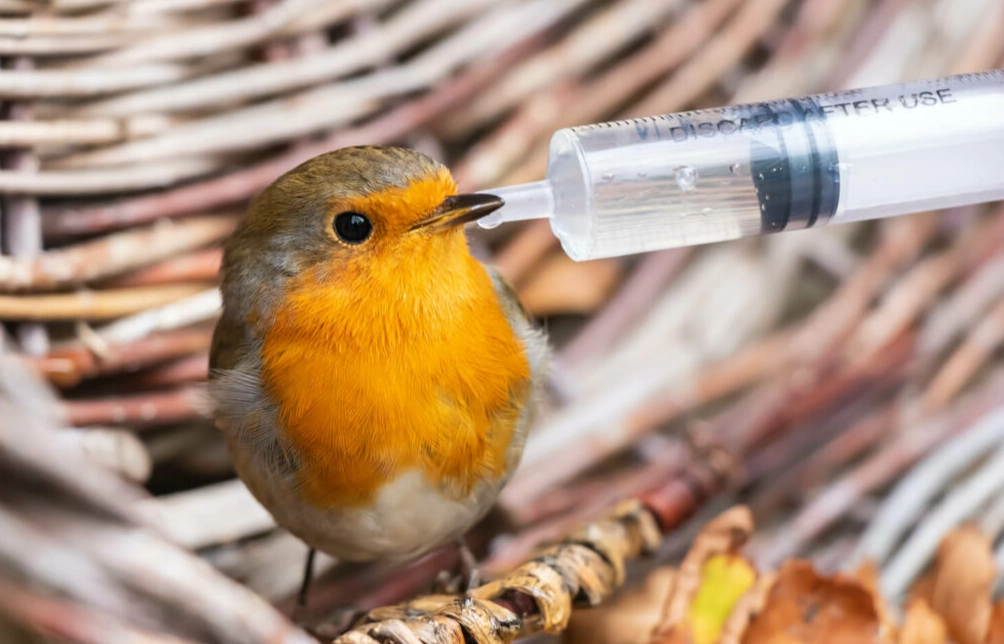
Your Urgent Questions Answered
 How long should I quarantine a new bird, and what does that actually involve?

Join the Conversation