Let's be honest. Cleaning the bird cage is nobody's favorite chore. It's sticky, it's dusty, and just when you think you're done, you find another splatter of fruit on the cage bars. I've kept parrots for over a decade, and I've made every mistake in the book—from using the wrong cleaner that made my cockatiel sneeze, to setting up a cleaning routine that had me wiping down perches daily. It was exhausting.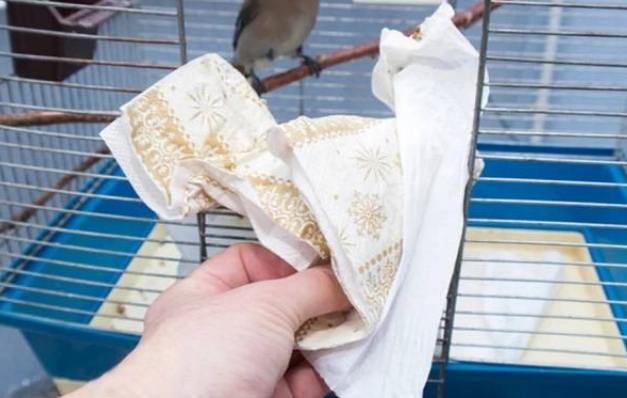
But here's the thing I learned: a clean cage isn't just about aesthetics. It's the single biggest factor in preventing respiratory infections, parasite infestations, and behavioral issues in your bird. The good news? You don't need to sacrifice your Saturday to it. By using a few strategic hacks, you can cut your cleaning time dramatically and create a healthier habitat. This guide isn't a rehash of "use vinegar and water." It's a deep dive into the systems, tools, and mindset shifts that make cage maintenance manageable, based on hard-won experience.
In This Guide: Your Cleaning Game Plan
- Hack #1: The 5-Minute Daily Wipe-Down
- Hack #2: The Liner Layering System
- Hack #3: Ditch the Sponge, Use These Tools
- Hack #4: Turn Cleaning Into a Bird Bath
- Hack #5: The Monthly Deep Clean Without Tears
- Hack #6: Neutralize Odors Naturally
- Hack #7: Prevent Messes Before They Happen
- Your Bird Cage Cleaning Questions, Answered
Hack #1: The 5-Minute Daily Wipe-Down (The Most Overlooked Step)
Most guides jump straight to the weekly deep clean. That's a mistake. Letting food debris and droppings bake onto surfaces for a week is what makes the big clean so brutal. The real hack is a micro-cleaning habit.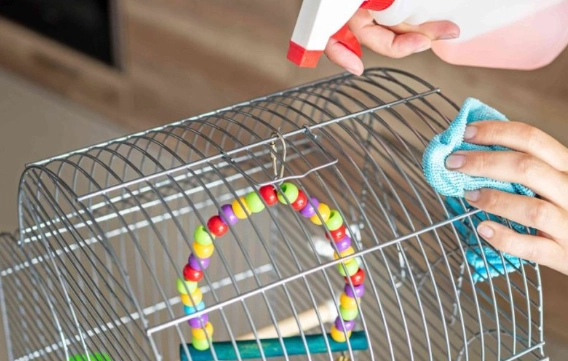
Every evening when you cover the cage, take a damp microfiber cloth (I keep a stack dedicated to this) and do a quick pass.
- Wipe the worst of the poop off perches and cage bars. Don't aim for sterile, just remove the major clumps.
- Check the food and water bowls. Dump old water, flick out any soggy pellets or seed husks stuck to the dish. This alone prevents bacterial slime.
- Do a visual check for hazards. Is a toy fraying? Is there a huge pile of discarded food under a favorite perch?
This takes literal minutes. The payoff? Your weekly clean becomes a 20-minute refresh instead of a 60-minute archaeological dig. You're also monitoring your bird's health daily—changes in droppings are often the first sign of illness.
Hack #2: The Liner Layering System (A Game-Changer)
The cage bottom is ground zero for mess. Here's a pro tip you won't see everywhere: layer your liners.
Start with a sheet of plain newspaper or a paper-based liner. On top of that, place a thin, biodegradable puppy pad or a sheet of shelf liner with a fun pattern. The bottom layer absorbs, the top layer provides a easy-to-roll-up surface for daily waste removal.
In the morning, you simply roll up the top layer with all the discarded food, feathers, and droppings and toss it. The bottom layer stays, protecting the tray. Once or twice a week, replace both. This system contains dust better than loose substrates like corn cob (which can grow mold) and is cheaper than pre-cut cage liners.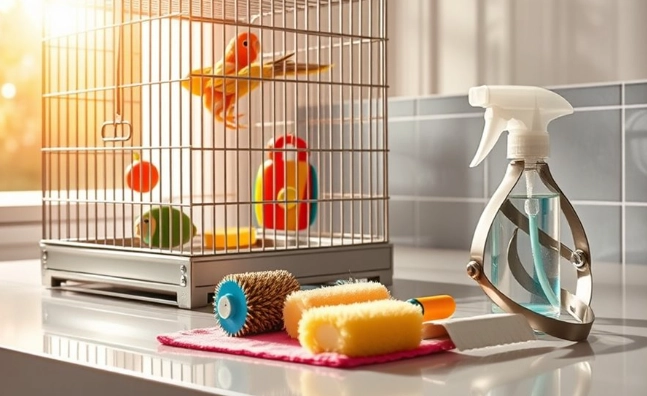
Hack #3: Ditch the Sponge, Use These 3 Tools Instead
Your cleaning toolkit determines your effort level. Throw away that gross, bacteria-harboring sponge.
1. The Dedicated Scrub Brush
Get a stiff-bristled brush with a handle, like a nail brush or a vegetable brush. This is for grating off dried food from grate bars and corners. A sponge just smears it.
2. A Pack of Microfiber Cloths
These are magic for dust and light grime without chemicals. Use one damp with water for daily wipes. Use a dry one to polish after cleaning.
3. A Handheld Steam Cleaner (The Ultimate Hack)
This is my secret weapon for the monthly deep clean. A burst of steam loosens baked-on droppings and sanitizes without any chemicals. It's particularly brilliant for disinfecting wooden perches and intricate toys that can't be soaked. The RSPCA notes that heat is an effective method for disinfecting animal enclosures when used correctly.
Pair these with a spray bottle of 50/50 white vinegar and water for general cleaning, and a separate bottle of plain water for rinsing.
Hack #4: Turn Cage Cleaning Into a Bird Bath
Timing is everything. The best time to do a thorough cage wipe-down is right after your bird takes a bath.
Most birds bathe in the morning. Once they're done and are preening happily on a play stand, the cage is empty and wet. The moisture has already loosened debris. Wiping down the bars and perches at this moment requires half the elbow grease. Your bird gets a clean cage to dry off in, and you get an easier job. It's a simple synchronization that most people miss.
Hack #5: The Monthly Deep Clean Without the Dread
Once a month, you need to strip the cage down. Here's a stress-free sequence:
- Move your bird to a safe play area in another room, away from cleaning fumes.
- Disassemble. Remove all perches, toys, and dishes.
- Soak, don't scrub. Take the removable grate and tray to the shower or tub. Sprinkle with baking soda, spray with vinegar, and let it fizz for 10 minutes. The grime will wipe right off. For perches and plastic toys, soak them in a bucket of hot water and vinegar.
- Clean the cage body. Use your vinegar spray and scrub brush on the bars. For stubborn spots, make a paste of baking soda and water.
- Rinse everything thoroughly with hot water. Residue is the enemy.
- Sun-dry. If possible, let the cage and parts air dry in the sun. Sunlight is a natural disinfectant.
- Reassemble with fresh liners.
Put on a podcast. This whole process takes 45 minutes if you're not fighting dried-on messes (thanks to your daily wipes!).
Hack #6: Neutralize Odors, Don't Mask Them
Air fresheners, scented candles, and plug-ins are toxic to birds. Their respiratory systems are incredibly sensitive. If there's an odor, masking it is dangerous and ignores the root cause.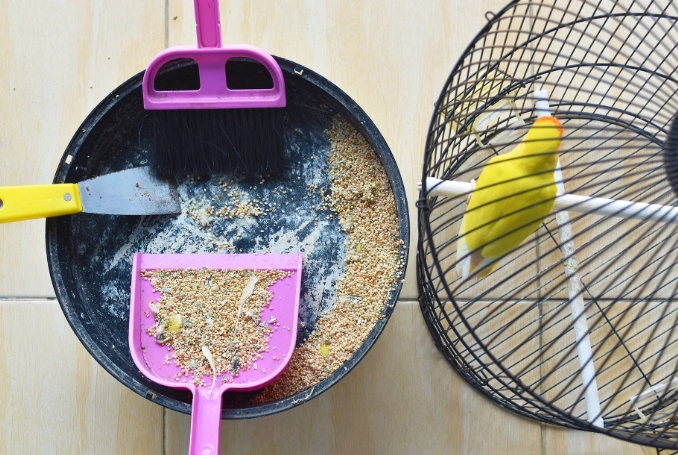
To tackle smells:
- Baking soda is your friend. Sprinkle a thin layer under the cage liner to absorb odors.
- Improve air circulation. Use an air purifier with a HEPA filter in the room. It captures dander and dust, the real sources of "bird smell."
- Find the source. A persistent foul odor often comes from a hidden food stash rotting behind a toy or in a corner. Investigate during your deep clean.
Hack #7: Smart Setup = Less Cleaning (Prevention Hacks)
The smartest cleaning hack is preventing the mess in the first place.
Placement of Food Bowls: Put them directly over a solid part of the cage floor or a tray, not over the grate. This catches 80% of food-throwing mess.
Perch Positioning: Don't put perches directly over food or water bowls. It's a poop-in-soup waiting to happen.
The "Dirty Zone": Designate one corner of the cage with fewer toys and a easily cleanable surface as the likely bathroom area. Birds often pick a spot. Place a scrap of liner or a flat stone there for easy cleanup.
Ditch the Happy Hut/ Fabric Tents: This is my non-consensus opinion. Those cozy fabric huts are impossible to clean properly, harbor bacteria and mites, and can cause hormonal and entanglement issues. A clean, chewable wooden hut or no hut at all is safer and cleaner.
Your Bird Cage Cleaning Questions, Answered
The goal isn't a spotless show cage every second of the day. It's a consistently hygienic environment that supports your bird's health without dominating your free time. Start with the daily wipe-down and the liner system. Those two changes alone will transform the chore. Your bird will breathe easier, and you'll get your weekends back. Now that's a hack worth knowing.

Join the Conversation