Quick Navigation
- Why Kittens "Get It" So Quickly (It's All Instinct)
- Step 1: The Perfect Litter Box Setup (Get This Wrong & Nothing Else Matters)
- Step 2: The Training Process - It's More "Guiding" Than "Training"
- Step 3: Troubleshooting - When Things Go Off the Rails
- Your Top Questions, Answered
- Advanced Tips for the Determined Pet Parent
Let's be honest. Bringing a new kitten home is pure joy... until you step in a little surprise behind the couch. That feeling? Not so joyful. I remember when I brought my little tabby, Mochi, home. The excitement lasted about three hours before I found her first "gift" on the bathroom rug. I panicked. Was she broken? Was I a terrible cat parent already?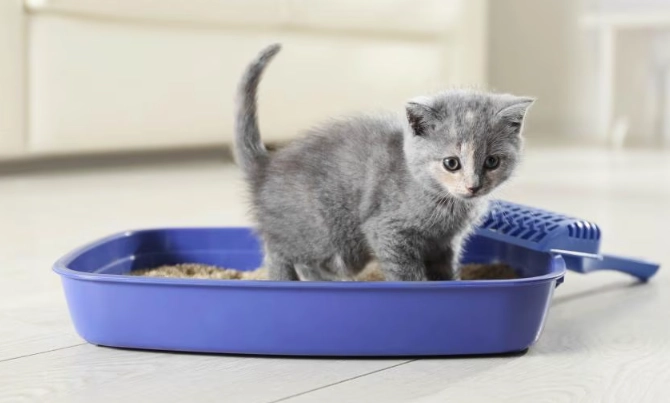
Turns out, neither. Kittens aren't born knowing how to use a litter box. It's a skill we have to teach them. And the good news? It's one of the easiest things you'll ever train a pet to do. Their instincts are already on your side. You just need to guide them.
This guide is all about how to litter train a kitten fast with a litter box. We're talking days, not weeks. I'll walk you through the exact setup that works, the timing tricks vets swear by, and how to troubleshoot the common hiccups. Forget the frustration. Let's get your kitten using that box like a pro.
Why Kittens "Get It" So Quickly (It's All Instinct)
Before we dive into the how-to, let's understand the why. This is what makes litter box training a kitten different from, say, house-training a puppy. Cats have a deep, hardwired desire to bury their waste. It's an evolutionary thing—hiding scent from predators and rivals. Your kitten already has the software installed; you're just providing the right hardware (the box) and showing her where it is.
So when we talk about how to litter train a kitten fast, we're really talking about working with nature, not against it. If your kitten isn't using the box, it's almost never stubbornness. It's usually one of three things: the box is wrong, the litter is wrong, or the location is wrong. We'll fix all of that.
Step 1: The Perfect Litter Box Setup (Get This Wrong & Nothing Else Matters)
This is your foundation. Skimp here, and you'll be cleaning up messes for months. I made this mistake early on—I bought a fancy, covered litter box because I thought it looked nicer. Mochi wanted absolutely nothing to do with it. Lesson learned.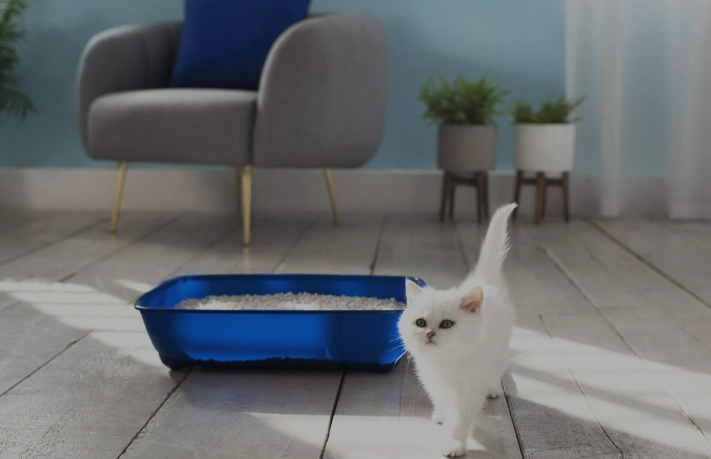
The Box Itself: Keep It Simple, Stupid
For a tiny kitten, think simple and accessible.
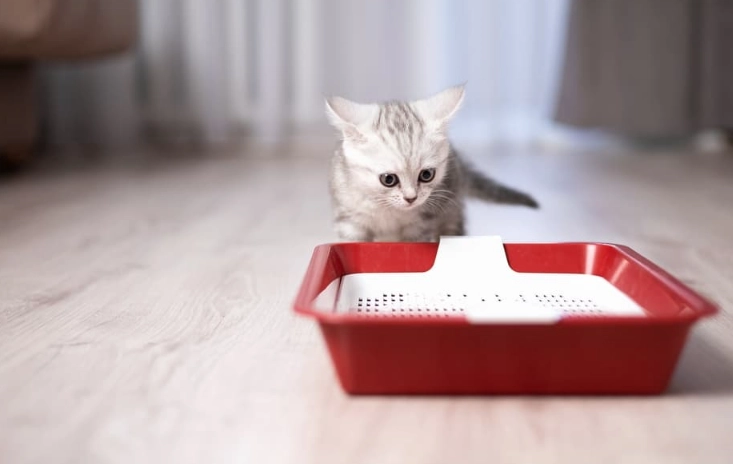
- Low Sides: The entry must be low enough for a wobbly 8-week-old kitten to climb in easily. A standard plastic storage box lid (the shallow kind) can even work as a starter box. No high walls.
- Size Matters, But Bigger Isn't Better Yet: It should be big enough for her to turn around and dig, but not so vast it's intimidating. A small, basic rectangle is perfect.
- Skip the Covers and Liners (For Now): Covered boxes can trap odors inside, which is gross for a sensitive cat nose. Liners can get caught in tiny claws and scare them. Go bare-bones. You can upgrade later when she's a pro.
How many boxes? The old cat rule is "one per cat, plus one." For a single kitten, start with two. It increases the chances she'll find an acceptable spot in time. Place them in quiet, low-traffic areas.
The Litter: The Great Debate
Walk down the pet store aisle and you'll be overwhelmed. Clumping, non-clumping, silica, pine, corn, newspaper... what's best for training? Let's simplify.
Most experts, including the American Veterinary Medical Association (AVMA), recommend starting with a fine-grained, unscented clumping litter. Why? It feels most like the soft dirt or sand their instincts expect. Scented litters can be overpowering and off-putting to their superior sense of smell. I tried a lavender-scented one once. Mochi looked at me like I'd insulted her and promptly used the floor next to the box. Message received.
Here’s a quick comparison to clear the confusion:
| Litter Type | Best For Training Because... | Potential Drawback |
|---|---|---|
| Unscented Clumping Clay | Feels natural, easy to dig, clearly shows waste for easy cleaning. | Can be dusty. Some cats may ingest it (use a non-clumping version if yours is a curious eater). |
| Non-Clumping Clay | Safer if ingested, often less dusty. | Requires more frequent full changes, can track more. |
| Paper Pellets | Very safe if eaten, dust-free, good for post-surgery or sensitive paws. | Texture is unfamiliar, doesn't clump, some cats dislike the feel. |
| Natural Wood/Corn | Biodegradable, often low dust. | Texture and smell can be strange to some kittens. Clumping varies. |
The bottom line? Start with the unscented clumping kind. It's the most universally accepted. You can experiment later once the habit is rock solid.
Location, Location, Location
You wouldn't put your dinner table in a dark, noisy basement. Don't put the litter box in a scary place.
- Quiet & Private: A low-traffic corner of a bathroom, laundry room, or spare bedroom. Not next to the blaring washing machine or the barking dog's crate.
- Easy Access 24/7: Never block access with a closed door. For a tiny kitten in a big house, consider a box on each level.
- Away from Food & Water: Cats don't like to eat where they eliminate. Keep bowls in a separate area.
Step 2: The Training Process - It's More "Guiding" Than "Training"
Now for the action. If you've set up correctly, this part is surprisingly straightforward. The core of how to litter train a kitten fast with a litter box is about creating positive associations and leveraging natural rhythms.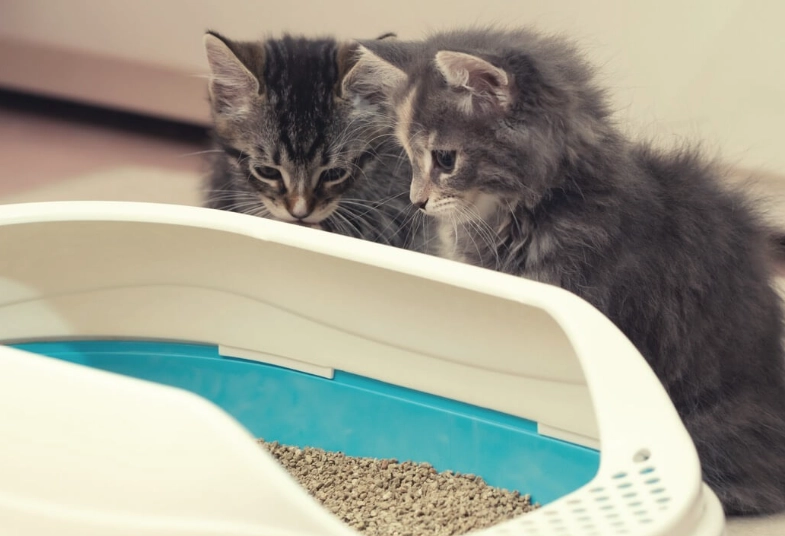
The First Introduction (The Most Important One)
As soon as you bring your kitten home, before play or extensive cuddles, gently place her in the litter box. Let her sniff around, feel the litter under her paws. Don't force her. Just let her explore. You might even take her front paw and make a gentle scratching motion in the litter to trigger that burying instinct.
Do this multiple times a day, especially after these key events:
- Immediately after she wakes up from a nap.
- Right after she finishes a meal.
- Following a vigorous play session.
These are the times she's most likely to need to go. Placing her in the box at these moments connects the location with the urge.
Positive Reinforcement Only
When she uses the box correctly? That's a party. Gentle praise, a quiet "good girl," maybe a tiny treat. You want her to think "Using this box makes good things happen."
The Power of Cleanliness
Cats are clean creatures. A dirty, smelly box is a last-resort toilet. Scoop solid waste out at least once a day, preferably twice. For clumping litter, scoop urine clumps daily. Think of it like this: would you use a filthy, unflushed public toilet? Your kitten feels the same.
Completely change the litter and wash the box with mild soap and water every 1-2 weeks. Avoid harsh chemicals like bleach or ammonia (which, ironically, is in urine—using it can attract them back to the spot).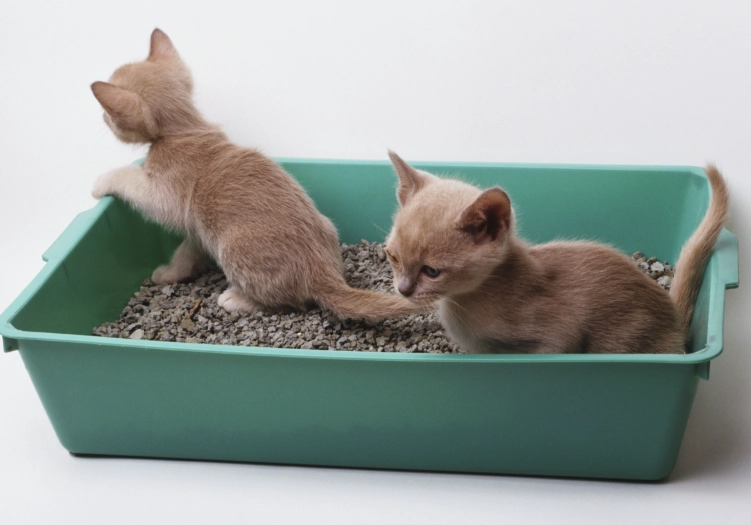
Step 3: Troubleshooting - When Things Go Off the Rails
Even with perfect setup and timing, you might hit a snag. Here's how to decode common problems. This is where most guides stop, but it's where the real questions begin.
Problem: My kitten plays in the litter box but doesn't go.
This is common! She's exploring her new sandbox. It's a good sign she's comfortable there. Just be patient. When she needs to go, she'll remember the spot. Ensure playtime happens elsewhere with her real toys to draw the distinction.
Problem: She uses it for pee but not for poop (or vice versa).
This often points to a box cleanliness issue or a location anxiety. Some cats are oddly specific. Try adding that second box in a slightly different location. Scoop even more frequently. Is the box too small for her to position herself comfortably for both actions?
Problem: She was using it perfectly, then suddenly stopped.
This is a red flag. Sudden changes in litter box habits warrant a call to your vet. It could be a sign of a urinary tract infection (UTI), crystals, or other medical issues that cause pain during elimination. The Cornell Feline Health Center stresses that medical causes must always be ruled out first. Don't assume it's behavioral until a vet checks.
Problem: She goes right next to the box.
She's trying! This usually means she dislikes something inside the box. It could be:
- The litter type (too perfumed, too rough).
- The box itself (a hood added, too dirty, too small).
- Pain (see above—vet time!).
Try going back to basics: a larger, open box with a different, unscented litter.
Your Top Questions, Answered
Advanced Tips for the Determined Pet Parent
Want to go from good to great? These nuances make a world of difference.
The Substrate Test: If your kitten consistently avoids the litter, try putting a very thin layer on the bottom of a box, then putting a piece of sod (clean, chemical-free grass) or even a paper towel on top. Sometimes the transition from outdoors (or a previous bedding material) needs a middle step. Gradually mix in more litter over days.
The Confinement Method (For Stubborn Cases or Tiny Babies): This is the secret weapon for how to litter train a kitten fast with a litter box when nothing else sticks. Confine your kitten to a small, easy-to-clean room (like a bathroom) with her bed, food/water, and the litter box on the opposite side. Cats naturally avoid soiling their eating/sleeping area. In this limited space, the box becomes the obvious choice. After 24-48 hours of consistent use, you can gradually give her more freedom.
Stress is the Enemy: A new home is stressful. Stress can cause avoidance. Ensure she has safe hiding spots, vertical space (a cat tree), and plenty of gentle interaction. Resources from the Indoor Pet Initiative at Ohio State University highlight how environmental management reduces stress-related behavior issues, including litter box problems.
Remember Mochi?
After the lavender litter fiasco and the basement box failure, I reset. I got a cheap, low-sided plastic tray. I filled it with plain, unscented, fine clumping litter. I put it in a quiet corner of my home office, where she spent most of her time. I placed her in it after her first nap. She sniffed, scratched a bit, and used it. Just like that. I praised her softly. She's used it flawlessly for three years now. The fancy covered box? It's in the garage, storing rags.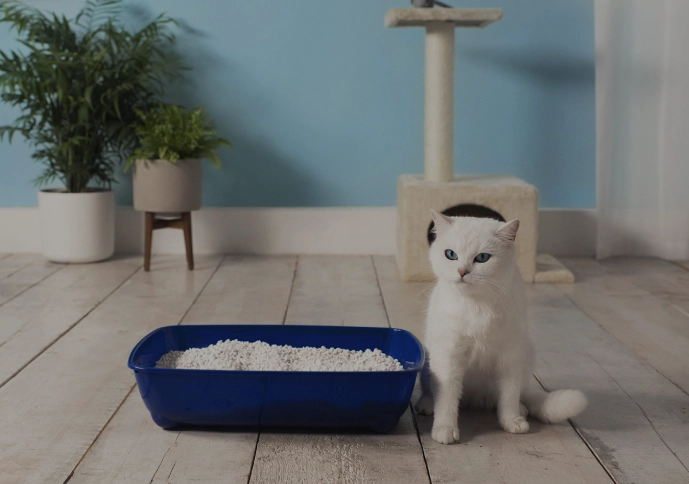
The takeaway isn't that my kitten was smart (though she is). It's that when you align your setup with their natural instincts, litter box training a kitten isn't a training challenge at all. It's just good communication. You provide the right sandbox in the right place, and their biology does the rest.
Start with the right box. Choose the right litter. Pick the right spot. Be patient and consistent. Clean it relentlessly. That's truly how to litter train a kitten fast with a litter box. Now go enjoy your new kitten without worrying about the mess.



Join the Conversation