Winter changes everything for your canary. The drop in temperature, dry air from heating, and shorter days aren't just inconveniences; they're a direct challenge to your bird's health and happiness. I've kept canaries for over a decade, and every November I see the same questions pop up in online forums. Most advice stops at "keep them warm," but that's just the starting line. True winter care for canaries is about managing a delicate balance of temperature, humidity, light, and nutrition. Get it wrong, and you might not just have a quiet bird—you could be dealing with respiratory infections, poor feather condition, or a serious lack of energy. Let's dive into what you really need to know.
What's Inside This Winter Care Guide
Why Winter is a Critical Time for Canaries
Think about where canaries come from—the Canary Islands. Their native climate is mild. They don't experience the drastic, dry cold that many of our homes do. In winter, three main factors converge to stress them.
First, they might be finishing their annual molt. Growing new feathers is energetically expensive and demands top-notch nutrition. A cold draft or nutrient-poor diet during this time can lead to weak, poor-quality plumage. Second, their immune system can take a hit. Studies referenced by avian veterinarians, like those from the Association of Avian Veterinarians, suggest that the stress of colder temperatures can make birds more susceptible to bacterial and fungal infections. Third, the lack of natural sunlight messes with their internal clock, affecting everything from singing to feeding patterns.
The biggest mistake I see? Owners assuming a heated room is enough. Temperature isn't uniform. That spot by the window might be 22°C (72°F) at noon but drop to 16°C (60°F) at night, and that glass is a cold sink. Your canary feels every degree of that change.
How to Create the Perfect Winter Cage Setup
This is where most winter care for canaries succeeds or fails. It's not about blasting heat; it's about consistency and avoiding invisible threats.
The Goldilocks Zone: Cage Placement
Forget the sunny window in winter. It's a trap. During the day, the sun might warm the spot, but at night, the glass radiates cold, creating a drafty microclimate. The ideal place is an interior wall, away from:
- Windows and exterior doors.
- Direct blasts from air vents, radiators, or space heaters (which can overheat and dry out the air).
- Kitchens (fumes from non-stick cookware are deadly to birds).
- High-traffic areas that cause stressful drafts every time a door opens.
I learned this the hard way. I once had a cage on a lovely, wide windowsill. My canary, Sunny, stopped singing. It took me a week to realize that even though the room thermostat read 70°F, my infrared thermometer showed his perch near the glass was a chilly 62°F at night. Moving him to an interior wall made a world of difference.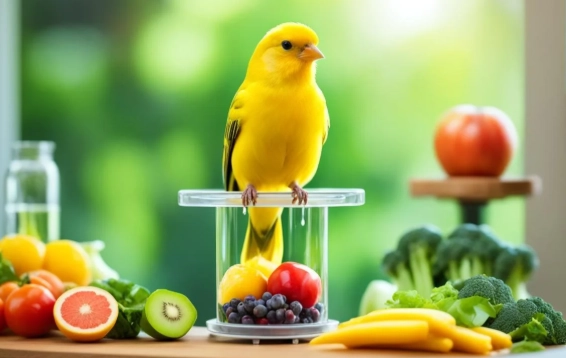
Mastering Temperature and Humidity
Aim for a stable temperature between 18-24°C (65-75°F). Fluctuations are the enemy. A digital thermometer/hygrometer combo placed near the cage (not on it) is your best friend.
| Method | How to Use It | Pros | Cons & Expert Caveats |
|---|---|---|---|
| Ceramic Heat Emitter | Clip a reptile-style ceramic heat lamp (no light) onto a stand outside the cage, pointing at one section. | Provides radiant heat without light. Very safe if set up correctly with a thermostat. | Must be used with a thermostat to prevent overheating. Never place inside the cage. Creates a warm zone, not whole-room heat. |
| Room Space Heater | Use a modern, tip-over protected heater to gently warm the entire room. | Creates a stable ambient temperature for the whole room. | Dries the air significantly. Mandatory: Run a humidifier in tandem and keep the heater far from the cage. |
| Thermal Cage Cover | Use a breathable fabric cover over part of the cage at night. | Inexpensive, helps trap body heat and block drafts. | Never cover the entire cage—airflow is crucial. Ensure it's a material your bird can't pull in and chew. |
Humidity is the silent partner to temperature. Our winter heating can drop indoor humidity to desert-like levels (below 30%), which dries out a canary's sensitive respiratory system. Aim for 40-50%. You can achieve this with a room humidifier (cool mist is best) or by placing a wide, shallow bowl of water near a heat source (safely out of reach of the bird). A daily light misting of the room air (not directly spraying the bird) can also help.
Adjusting Your Canary's Diet for Cold Weather
Your canary may burn more calories just staying warm. This doesn't mean dumping more seed in the bowl. It means strategic, nutrient-dense additions.
Seeds & Pellets: A high-quality seed mix or pellet should still be the base. In winter, ensure it's fresh and stored properly to prevent rancidity. A slight increase in portion size is okay if you see your bird finishing all its food and maintaining weight.
The Real Game-Changers:
- Dark, Leafy Greens: Kale, Swiss chard, and broccoli florets are packed with vitamins A and C, which support immune function. Offer a small piece daily.
- Cooked Complex Carbs: A teaspoon of cooked, plain quinoa, brown rice, or whole wheat pasta a couple of times a week provides slow-release energy for warmth.
- Healthy Fats: A tiny bit of flaxseed (sprinkled on food) or a small piece of walnut once a week supports skin and feather health against dry air.
- Cuttlebone & Mineral Grit: Always available. Calcium is vital, especially if egg-laying is a possibility due to artificial light.
The Importance of Light and Mental Stimulation
Short, gloomy days affect canaries deeply. They're photoperiodic—their hormones and behavior are triggered by daylight length. Less light often means less singing and more lethargy.
Consider a full-spectrum avian light placed about 3-4 feet from the cage, turned on for 10-12 hours a day on a timer to simulate a natural day cycle. This encourages natural activity and can help prevent winter blues. Never use it as a night light—canaries need absolute darkness for proper sleep.
A bored canary is a stressed canary. With fewer hours of natural light and less time out of the cage (if it's too cold in the room), enrichment is key. Rotate new, bird-safe toys. Hide treats in foraging toys. Play gentle music or nature sounds. I sometimes move my birds' cages to different safe rooms for a "change of scenery" during the warmest part of the day.
Recognizing Signs of Trouble: When to Call the Vet
Birds hide illness until they're very sick. In winter, you need to be a detective. Here are subtle and not-so-subtle signs that your winter care for canaries needs professional backup:
- Fluffed-up Feathers All Day: Brief fluffing is normal for warmth. If your bird looks like a little puffball constantly, even in a warm spot, it's conserving energy because it's unwell.
- Changes in Droppings: Watery feces, unusual color (very green or yellow), or a decrease in waste output.
- Loss of Appetite or Voice: A canary that stops eating or singing is a major red flag.
- Wheezing, Clicking, or Tail Bobbing: Any audible breathing noise or a pronounced up-and-down motion of the tail with each breath indicates respiratory distress—an emergency.
- Sleeping on Two Feet: Healthy canaries often sleep on one foot. A bird that sleeps on two feet, especially at the bottom of the cage, is extremely ill.
If you see any of these, don't wait. Contact an avian veterinarian immediately. Have a plan before winter hits—know where your nearest avian vet is and their emergency hours.


Join the Conversation