What’s Inside
- Why "24 Hours" is Often a Bad Rule of Thumb
- A Realistic Handling Timeline: It's Not One-Size-Fits-All
- How to Actually Tell If Your Snake is Ready for Handling
- What's the Big Deal Anyway? Understanding Regurgitation
- Frequently Asked Questions (The Stuff You're Really Thinking)
- The Bottom Line: A Simple Keeper's Checklist
You just fed your scaly buddy a nice meal. It was a good feeding, maybe even a great one. Now you're sitting there, looking at the enclosure, and you really want to take them out for some handling time. That question pops into your head, the same one that's brought you here: can I hold my snake 24 hours after feeding? I get it. I've been there, staring at my own snakes, itching to interact. The short, honest answer? Usually, no. A full 24 hours is often not enough, and handling them too soon is one of the quickest ways to stress your pet and potentially cause a serious health issue called regurgitation.
Think of it this way: your snake isn't just napping after a big Thanksgiving dinner. Its body is in full-blown, all-systems-go digestion mode. Messing with that process is asking for trouble.
This isn't just some old wives' tale passed down by reptile keepers. There's solid biology behind it. When a snake eats, its metabolism skyrockets. Its heart rate increases significantly to pump blood and digestive enzymes to the stomach. Its internal organs are working overtime. Picking it up, moving it around, changing its temperature, or even just the stress of being handled can literally shut down this delicate process. The snake's body might decide that digesting this meal is too much work while under stress, and it will... well, give the meal back. And regurgitation is bad news. It's incredibly stressful, causes the loss of vital nutrients and gut flora, and can lead to a cycle of feeding problems if not handled carefully.
Why "24 Hours" is Often a Bad Rule of Thumb
I see this advice floating around forums sometimes: "Just wait a day." It's tempting because it's a simple, round number. But in my experience, it's a bit too simplistic and can set you up for failure. The time needed isn't just a countdown on a clock; it depends on a whole bunch of factors. Relying solely on asking "can I hold my snake 24 hours after feeding" misses the bigger picture. You need to become a bit of a snake digestion detective.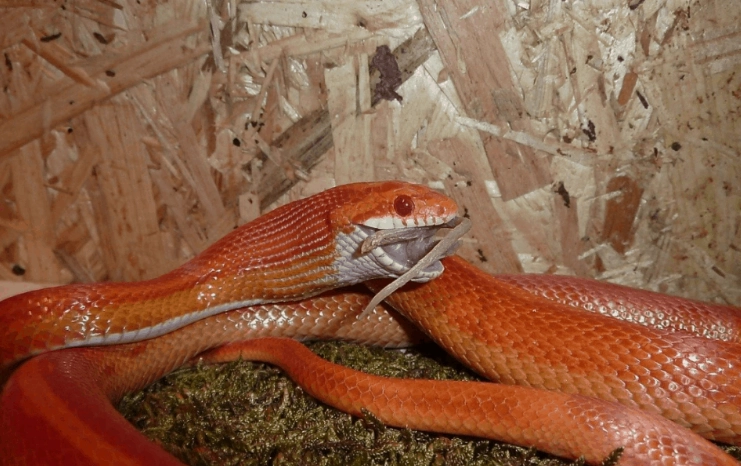
Here’s what actually determines how long you should wait:
- The Size of the Meal: A pinky mouse is a different story than a large rat. A bigger, heavier meal takes exponentially longer to process.
- The Species of Your Snake: This is a huge one. A speedy metabolizer like a garter snake or a corn snake might process food faster than a heavy-bodied, slower-moving ball python or boa constrictor.
- The Temperature in the Enclosure: Digestion is fueled by heat. If your hot spot is at the perfect temperature (say, 88-90°F for a ball python), digestion hums along. If it's a few degrees cooler, everything slows down. A lot.
- The Age and Health of the Snake: A robust, healthy adult digests more efficiently than a juvenile, a senior, or a snake recovering from illness.
I learned this the hard way years ago with my first ball python, Charlie. I fed him a rat that was maybe on the larger side of appropriate, waited what I thought was a decent amount of time—probably right around that 24-hour mark—and took him out. He seemed fine, a bit slow, but fine. The next morning, I found a horribly smelly, partially digested rat in his enclosure. He had regurgitated. I felt awful. It was my fault for not reading his needs and just following a generic number. The cleanup was nasty, but the guilt was worse. It took careful husbandry and several small, successful meals to get him back on track. So when I talk about this, I'm talking from a place of having messed up.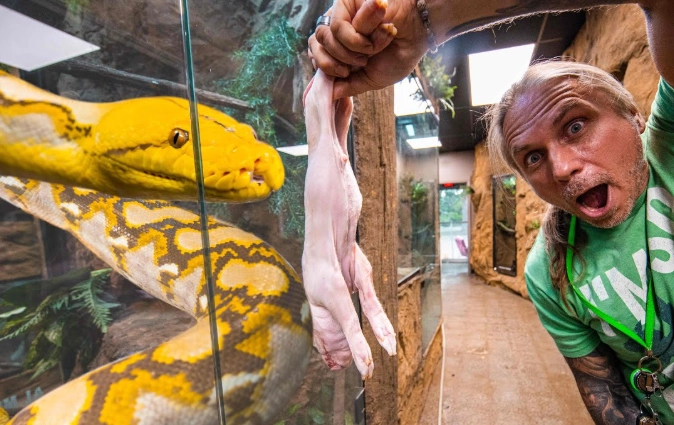
A Realistic Handling Timeline: It's Not One-Size-Fits-All
Okay, so if 24 hours is often too soon, what's the real timeline? Let's get specific. Forget the single number; think in ranges and learn to read your snake's body language. The most common advice from experienced breeders and vets is to wait at least 48-72 hours after a typical meal. For larger meals, you might be looking at a full 3-4 days, sometimes even longer for giant species.
| Snake Species / Type | Typical Meal Size | Recommended Minimum Wait Time | Key Consideration |
|---|---|---|---|
| Corn Snake, Kingsnake, Milk Snake | Adult mouse / small rat | 48 hours | Faster metabolisms, but still need full processing time. |
| Ball Python | Small-Medium Rat | 72 hours (3 days) | Notoriously slow digesters. When in doubt, wait longer. |
| Boa Constrictor (Common BCI) | Medium-Large Rat | 4-5 days | Large meals require extended, undisturbed rest. |
| Burmese Python, Reticulated Python (Juvenile) | Large Rat / Rabbit | 5-7 days | Massive meals demand massive patience. Handling is a major stressor. |
See what I mean? Asking "can I hold my ball python 24 hours after feeding" is almost always going to get you a resounding "no" from anyone who's kept them for a while. Their systems are just slower. That 72-hour mark is a much safer bet. For more detailed, species-specific care sheets that discuss digestion and stress, resources like the USDA's Animal and Plant Health Inspection Service site, while not about pets directly, underscores the importance of proper husbandry for animal welfare, and established reptile societies provide excellent frameworks.
How to Actually Tell If Your Snake is Ready for Handling
Instead of watching the clock, watch your snake. This is the most reliable method. After feeding, your snake will retreat to its warm hide and form a very noticeable lump in its midsection. This lump is the meal. Your job is to watch that lump disappear.
- The Obvious Lump Phase: For the first 24-48 hours, the lump is prominent. Do not disturb. At all.
- The Lump Reduction Phase: The lump starts to get smaller and less defined. It might look more spread out. You're getting closer, but still not time.
- The "Is It Gone?" Phase: This is the crucial one. The lump should be completely gone. But don't just look—wait for the next sign.
- The Poop Phase: This is your green light. Once your snake has passed its waste (urate and feces), it's a very strong indicator that the digestive cycle is complete. The meal has been processed, nutrients absorbed, and waste expelled. This is the most biologically clear "all done" signal you can get.
- The Active Phase: Finally, your snake will likely become active again, coming out of its hide, cruising the enclosure, and showing interest in its surroundings. This behavioral cue, combined with the passed waste, is your definitive sign that it's safe to handle.
So, if you're wondering can I hold my snake 24 hours after feeding, the process above shows you why that usually falls in the middle of Phase 1 or 2. The snake is still very much in the thick of it.
A great rule I follow: No lump, plus a fresh poop, plus active behavior = handling is probably okay. Missing any one of these? Give it more time.
What's the Big Deal Anyway? Understanding Regurgitation
I've mentioned regurgitation a few times. Let's be blunt about why it's so terrible and why the question "can I hold my snake 24 hours after feeding" is so important to get right. It's not just vomit. When a snake regurgitates, it brings up the entire meal, often semi-digested, along with a ton of stomach acids and crucial digestive enzymes.
- It Burns: The stomach acid can damage the snake's esophagus and mouth.
- It Depletes: The snake loses those enzymes and beneficial gut bacteria. Replenishing them takes time.
- It Creates a Cycle: Because the gut is now out of whack, the next meal is harder to digest, making another regurgitation more likely. Breaking this cycle is tough.
- It's Stressful and Debilitating: It weakens the snake immensely, making it susceptible to other illnesses like respiratory infections.
According to veterinary resources, like those found on Veterinary Partner, regurgitation is a serious clinical sign that requires identifying and removing the stressor (like premature handling) and often a period of supportive care. It's not something to just clean up and ignore.
Honestly, it's a nightmare scenario. The smell alone is something you'll never forget—a sour, deeply foul odor that seems to stick to everything. The risk of causing this for a few minutes of handling time is just not worth it. Patience is the absolute core of good snake keeping.
Frequently Asked Questions (The Stuff You're Really Thinking)
The Bottom Line: A Simple Keeper's Checklist
Let's cut through all the detail and make this actionable. Print this out or save it.
Before You Even Think About Handling...
- ✅ Has it been at least 48-72 hours (longer for big meals/boas/pythons)?
- ✅ Is the visible food lump completely gone from their body?
- ✅ Have they passed feces/urate since the meal?
- ✅ Are they actively moving in their enclosure, not hiding lethargically?
If you can check all four boxes, then—and only then—is it likely safe to proceed with a short, gentle handling session. Start with 5-10 minutes.
Look, I know waiting is hard. You love your snake and want to spend time with it. That's awesome. But loving them means putting their biological needs first. The question "can I hold my snake 24 hours after feeding" has a clear answer for the vast majority of situations: it's pushing your luck. Pushing that luck can lead to a sick, stressed animal.
Embrace the waiting period as part of the rhythm of keeping snakes. It teaches patience. It lets you become a better observer. And when you do finally take them out, knowing they are fully digested, comfortable, and ready, the interaction is so much better for both of you. Your snake will be more alert and curious, not a sluggish, stressed bundle of digestion. Trust me, it's worth the wait.
Join the Conversation