So you've decided a snake might be the perfect pet. The idea is appealing: quiet, clean, low-maintenance compared to a dog. I remember standing in the reptile store over a decade ago, staring at a tiny ball python, feeling a mix of excitement and sheer terror. What if I messed up? The internet was full of conflicting advice. This guide is what I wish I'd had back then—a straight-talk, no-fluff roadmap that skips the theory and gets into the nitty-gritty of what you actually need to do, buy, and avoid.
What's Inside This Guide?
Choosing Your First Snake: A Reality Check
Forget the flashy, rare morphs you see on social media. Your first snake isn't about looks; it's about survivability—both yours and the snake's. You want a species known for a docile temperament, hardy constitution, and straightforward care requirements.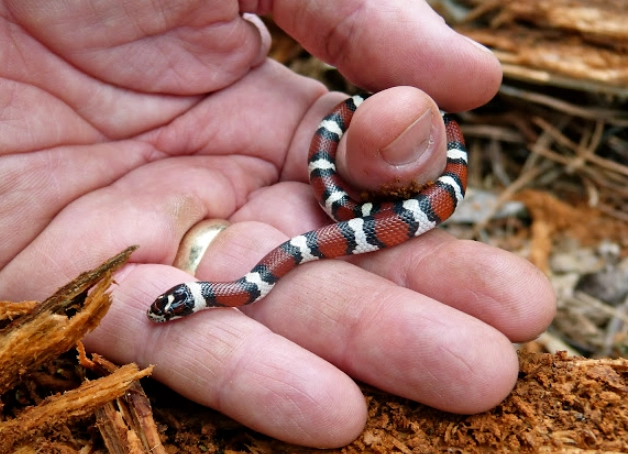
The top two recommendations from virtually every experienced keeper are the Corn Snake and the Ball Python. But they're not the same, and picking the wrong one for your lifestyle is mistake number one.
| Species | Best For... | Potential Challenges | Adult Size & Lifespan |
|---|---|---|---|
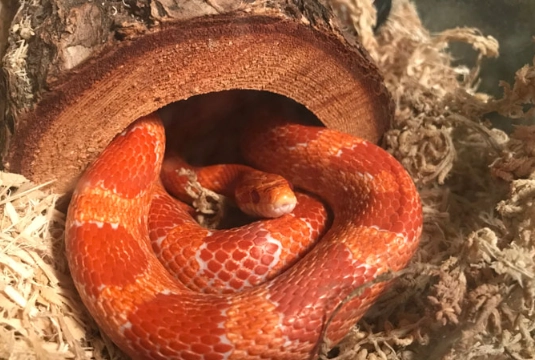
| Corn Snake | The absolute beginner. They almost never refuse food, are active and curious, and thrive in a wide range of humidity. | They are escape artists. You must have a very secure lid. Can be a bit flighty when young. | 4-5.5 feet. 15-20+ years. |
| Ball Python | Someone who wants a calmer, heavier-bodied snake and is prepared for occasional fasting periods. | Famous for going off food for months, especially during winter. Requires higher, more consistent humidity (60-70%). | 3-5 feet. 20-30+ years. |
Here's a non-consensus point: many guides say Rosy Boas or Kenyan Sand Boas are great starters. They can be, but their secret challenge is their incredibly slow metabolism. A missed feeding or a slight overfeed has a bigger impact. For your very first snake, stick with the tried-and-true Corn or Ball.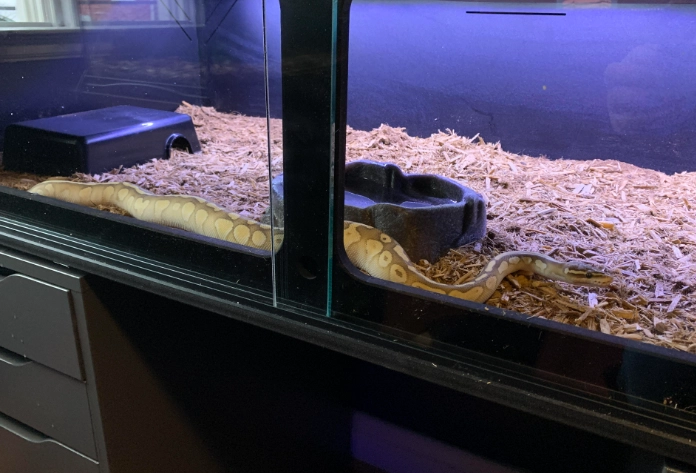
Where to Buy: Avoid chain pet stores for the animal itself. Their snakes are often stressed, may have parasites, and the staff rarely knows their history. Seek out a reputable breeder (found at reptile expos or through online forums) or a specialty reptile shop. A good breeder will know the hatch date, feeding history, and temperament of your specific snake.
The Non-Negotiable Shopping List for Your Snake's Home
This isn't a "get this eventually" list. You need all of this set up and running for at least 48 hours before your snake arrives. This stabilizes temperatures and humidity.
The Enclosure Itself
For a juvenile, a 20-gallon long tank (30" x 12" x 12") is a good start. But think long-term. An adult corn or ball python will need a minimum of a 4x2x2 foot enclosure (120 gallons). PVC or modified plastic tubs are often better than glass aquariums because they hold heat and humidity more efficiently. The lid must lock securely. Snakes are stronger than you think.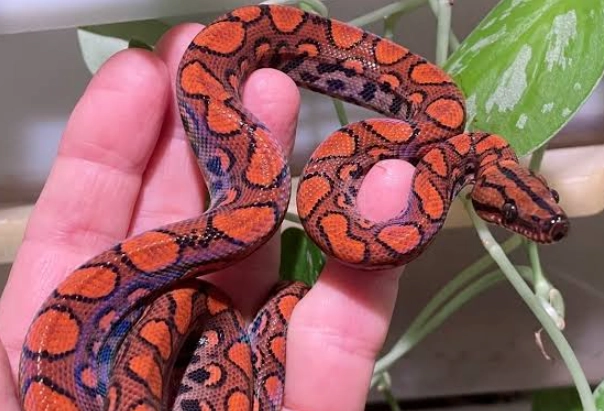
Heating & Thermostat (The Most Important Purchase)
This is where I see the most catastrophic errors. You must have a temperature gradient: a warm side and a cool side.
- Heat Source: An under-tank heating pad (UTH) or a ceramic heat emitter (CHE) from above. Overhead heating is often more natural.
- The Critical Device: A thermostat. This plugs into the wall, your heat source plugs into it, and a probe measures the temperature, turning the heat on/off to maintain your set point. Without one, you risk cooking your snake or having it too cold. A basic on/off thermostat is fine to start. Set the warm side to 88-90°F (31-32°C) and the cool side to 75-78°F (24-26°C).
Hides, Substrate & Humidity
Snakes need to feel hidden to feel safe.
- Hides: You need at least two identical hides—one on the warm side, one on the cool side. If the hide on the warm side is "better," your snake will choose security over thermoregulation and overheat.
- Substrate: For beginners, simple paper towel is safest for the first month. It's easy to spot clean and monitor health. Later, switch to coconut husk (holds humidity well for balls) or aspen shavings (good for corns, bad for high humidity).
- Humidity & Water: A large, heavy water bowl big enough for the snake to soak in. For ball pythons, you'll need to monitor humidity with a digital hygrometer (not the cheap analog ones). Misting the enclosure or moving the water bowl over the heat pad can help raise it.
Setting Up the Perfect Enclosure (Before You Bring the Snake Home)
Set everything up in a quiet room, away from direct sunlight and drafts. A common, rarely mentioned mistake is placing the tank near a window. The sun can turn it into an oven in minutes, even with a thermostat, because it's measuring floor temperature, not ambient air temperature.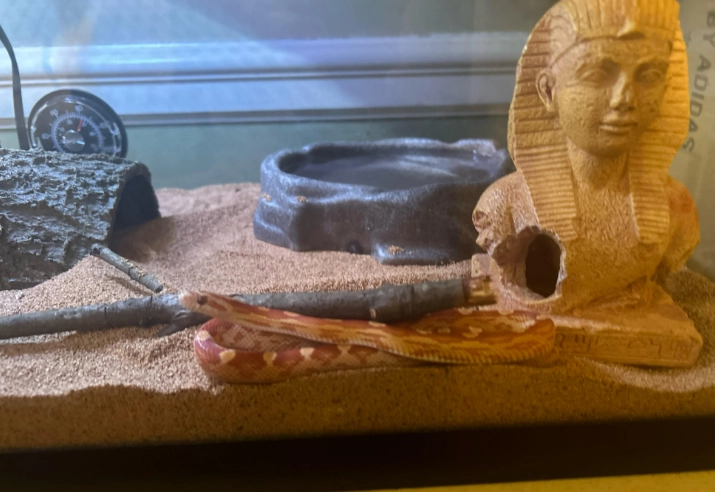
Place the heat source on one side. Attach the thermostat probe directly over the heat source on the inside bottom of the tank (secure it with hot glue or silicone). Let it run for two full days. Use your digital thermometer (a temp gun is best) to check the warm hide floor, the cool hide floor, and the air in the middle. Adjust the thermostat until it's perfect.
Only then do you add the substrate, the hides, the water bowl, and maybe some fake plants for clutter. Clutter makes a snake feel more secure when moving between hides.
Bringing Your Snake Home: The First 72 Hours
The snake arrives. Your instinct will be to hold it, show it its new home, watch it explore. Don't.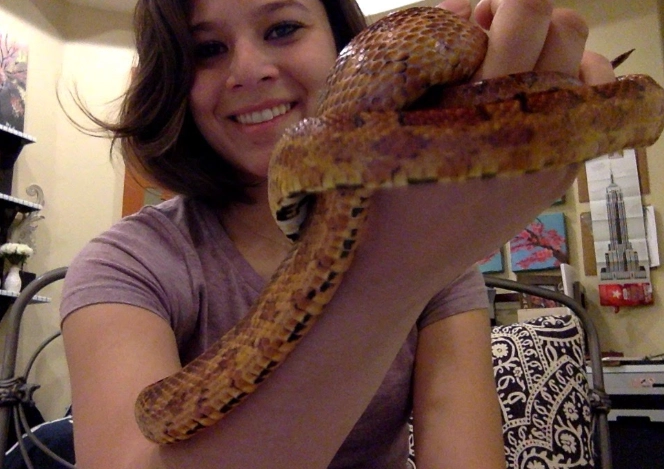
Gently place the snake (in its travel deli cup or bag) into the enclosure and let it slither out on its own. Close the lid. Walk away. For at least one week, do not handle it. Do not attempt to feed it. Just top up the water and observe from a distance.
This settling-in period is non-negotiable. The snake is stressed from the move. Handling it now can lead to refusal to eat for weeks. I learned this the hard way with my first king snake.
After a week, offer its first meal. Use frozen-thawed rodents of the appropriate size (no wider than the snake's widest part). Thaw in warm water, dry it, and offer it with tongs in the evening. If it refuses, don't panic. Remove the rodent after a few hours and try again in 5-7 days.
Ongoing Care, Feeding, and Handling
Once eating regularly, you can start brief handling sessions—5-10 minutes, a few times a week. Always support its body. Move confidently but gently. Never handle for 48 hours after feeding or when the snake is in blue (its eyes look milky before a shed).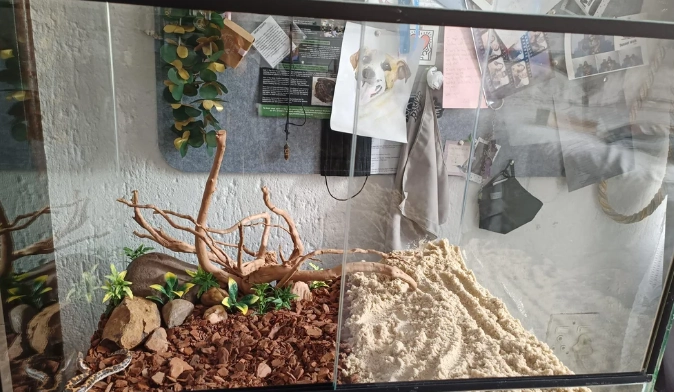
Spot clean waste daily. Do a full substrate change and enclosure clean every 4-8 weeks. The biggest ongoing task is vigilance: checking temperatures daily, ensuring the water is clean, and watching for signs of illness like lethargy, wheezing, or persistent mites.
Remember, these are long-term commitments. That corn snake will likely be with you through college, a first job, maybe even a first home.

Join the Conversation