At a Glance
Let's talk about something that keeps me up at night, and probably you too if you're a dog owner. It's the fear of the unknown, the illnesses that creep up without a sound. You know your dog isn't his usual bouncy self, but you can't put your finger on it. Nothing obvious, just... off. That's the terrifying reality of silent killers in dogs. Their symptoms are masters of disguise, often written off as "just getting older" or "having a lazy day." By the time the signs are clear, the disease might have a significant head start. So, what is a silent killer in dogs symptoms, really? It's not one dramatic thing. It's a collection of tiny changes that most people miss.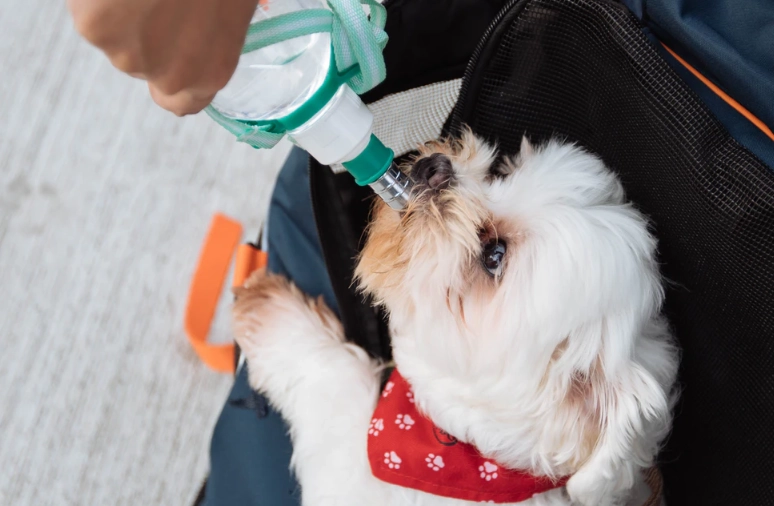
I remember with my old Labrador, Baxter. He started drinking a bit more water. I thought, "Good for him, staying hydrated!" And he seemed a little less interested in his evening walk. "He's just tired from playing," I told myself. Months later, a routine blood test revealed advanced kidney disease. The vet called it a classic silent killer. The increased thirst was his body trying to flush out toxins his kidneys couldn't handle anymore. The lethargy wasn't laziness; it was systemic poisoning. The guilt was immense. I missed it. I wrote this guide so you don't have to feel that way. We're going to break down exactly what to look for, beyond the obvious.
The Usual Suspects: Top Silent Killers in Canines
While several conditions can be stealthy, a few are notorious for their quiet, destructive paths. Knowing which diseases tend to hide helps you know where to focus your observational skills.
Chronic Kidney Disease (CKD)
This is arguably the poster child for silent killers. The kidneys have a massive functional reserve. They can lose up to 75% of their function before showing clear, dramatic signs of failure. The early symptoms are so vague. The Merck Veterinary Manual outlines the progression, and it starts with polyuria and polydipsia (fancy terms for drinking and peeing more). Your dog might ask to go out more often at night or have accidents. You might notice their water bowl empties faster. Weight loss and a dull coat come later, along with bad breath that smells chemical-like (uremic breath). By the time vomiting and severe lethargy set in, the disease is often in its late stages.
Heart Disease (Especially Mitral Valve Disease in small breeds)
A failing heart doesn't always mean a dog collapses. In the early stages, the body compensates. The first sign is often just a slight decrease in stamina. Your dog might sit down on a walk they used to love, or take longer to recover after playing. You might hear a cough, especially at night or in the morning when they get up. People often think it's kennel cough or just "clearing their throat." This cough happens because an enlarged heart presses on the airways. As it progresses, you might see difficulty breathing, a distended belly from fluid buildup (ascites), or even fainting spells. The American College of Veterinary Internal Medicine (ACVIM) has great resources on cardiac issues, emphasizing that early detection through a vet's stethoscope is key.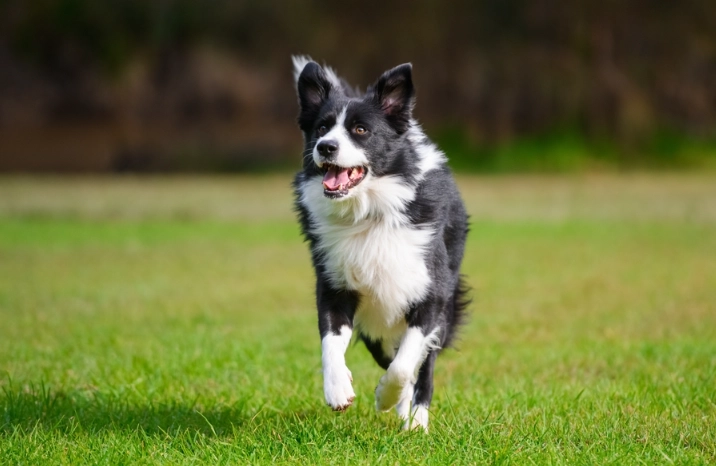
Certain Cancers (Like Hemangiosarcoma or Lymphoma)
Cancer is a broad category, but some types are brutally silent. Hemangiosarcoma, a cancer of the blood vessels, often grows on the spleen or heart. It can cause no symptoms until the tumor ruptures, leading to sudden, life-threatening internal bleeding. A dog might seem perfectly fine one minute and be in collapse the next. Earlier, subtler signs could include intermittent weakness, pale gums, or a slightly swollen abdomen. Lymphoma might first show as mildly enlarged, firm lymph nodes you can feel under the jaw or behind the knees, often mistaken for a minor infection. General signs like subtle weight loss or a decreased appetite can be the only clues for many internal cancers.
Endocrine Diseases: Cushing's and Hypothyroidism
These are masters of the slow change. Cushing's disease (hyperadrenocorticism) causes the body to produce too much cortisol. The symptoms develop so gradually you might not notice: increased thirst and urination, a pot-bellied appearance, thinning skin, and excessive panting. You might just think your dog is getting a bit fat and lazy with age. Hypothyroidism (low thyroid hormone) does the opposite—it slows everything down. Weight gain despite normal eating, lethargy, cold intolerance, and skin/coat changes (like dry skin, hair loss) are hallmarks. Both are treatable, but often go undiagnosed for years because the signs mimic normal aging.
The Master Checklist: Symptoms You Must Not Ignore
Forget waiting for dramatic collapse. Your job is to be a detective of the mundane. Track the little things. Here’s a breakdown of symptoms, categorized by how sneaky they are.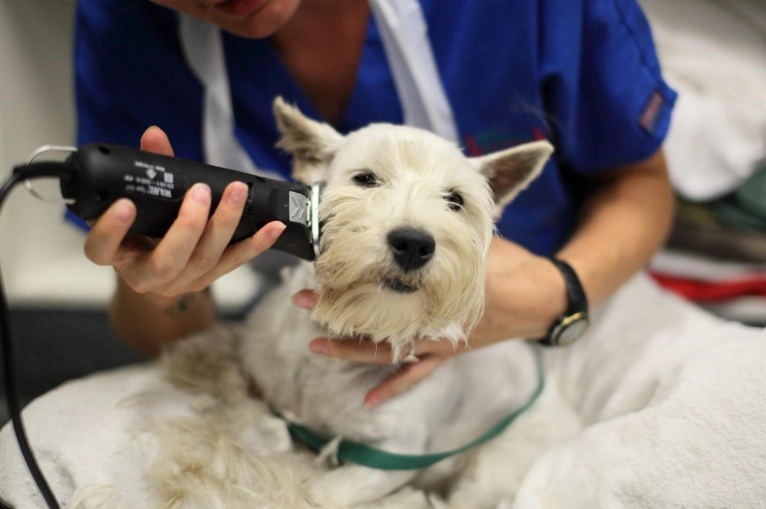
| Symptom Category | What It Looks Like in Real Life | Possible Silent Killer Link | Action Level |
|---|---|---|---|
| Water & Bathroom Habits | Water bowl is constantly empty; needing to go out at 3 AM; having "accidents" after being house-trained for years. | Kidney disease, Diabetes, Cushing's, Pyometra (in intact females) | Schedule a vet visit within a week. |
| Energy & Behavior | Not greeting you at the door like they used to; quitting halfway through the usual walk; sleeping more but seeming less rested. | Heart disease, Cancer, Hypothyroidism, Early organ failure | Monitor for 3-5 days. If persistent, vet visit. |
| Eating & Weight | Picking at food but still gaining weight; losing weight but eating normally; sudden fussiness about food they loved. | Hypothyroidism (gain), Cancer/Diabetes/Kidney disease (loss), Dental pain (fussiness) | Weight loss is a red flag. Vet within a few days. |
| Physical Changes | A mild cough that comes and goes; a dull, dry coat; a slightly swollen belly; pale or slightly yellowish gums. | Heart disease (cough), Systemic illness (coat), Internal bleeding/Cushing's (belly), Anemia/Liver issues (gums) | These are concrete signs. Vet visit recommended. |
| The "Just Not Right" Feeling | This is the most important one. You know your dog. If your gut says something is off, even if you can't list a specific symptom, listen. | Any of the above, in very early stages. | Trust yourself. A vet check-up is never wasted. |
That last row is crucial. Veterinarians often say the owner's intuition is a powerful diagnostic tool. You live with your dog. You notice the micro-expressions, the slight hesitation before jumping on the couch, the different sound of their bark. Don't dismiss that feeling.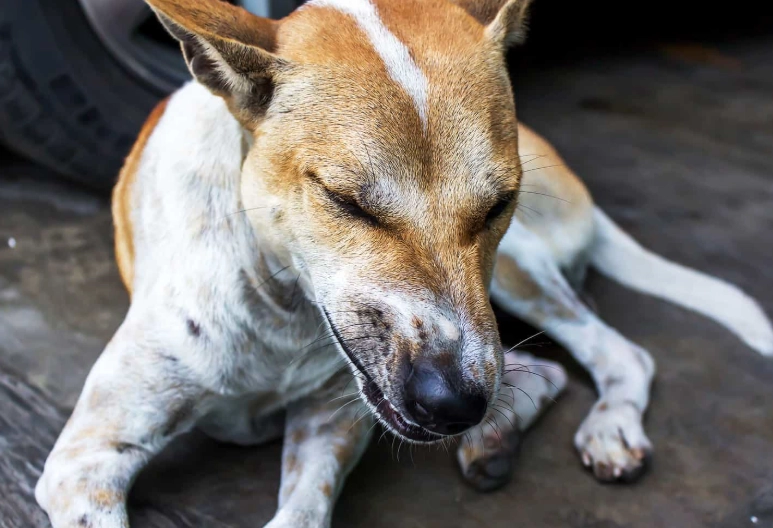
How to Actually Catch These Silent Killers Early
Knowing what is a silent killer in dogs symptoms is half the battle. The other half is having a system to catch them. You can't rely on memory alone.
Become a Data-Driven Pet Parent
Keep a simple log. It doesn't have to be fancy. A note on your phone or a calendar will do.
- Weekly Weight: Use a bathroom scale. Weigh yourself, then weigh yourself holding your dog. Track it. Unexplained loss or gain of even a pound in a small dog is significant.
- Water Intake: For one day a month, measure how much water you put in the bowl and how much is left 24 hours later. A sudden increase is a major clue.
- Energy Journal: Note good days and bad days. "Super playful today" vs. "Seemed tired after short walk." Patterns emerge.
Master the Home Physical Exam
Turn grooming time into check-up time. Get your dog used to you touching them all over.
- Gums: Lift the lip. Gums should be pink and moist. Press briefly; color should return in under 2 seconds. Pale, white, yellow, or blue gums need immediate vet attention.
- Skin & Coat: Part the fur. Look for dryness, flakes, oiliness, or bald spots. The coat should be relatively shiny, not straw-like.
- Body Condition: Can you easily feel (but not see) their ribs? Does their waist tuck up behind the ribs? A pot belly or a bony spine are signs.
- Lumps & Bumps: Feel all over, especially mammary chains, under legs, and neck. Note the size, location, and if it's attached or movable.
- Eyes & Nose: Eyes should be clear with little discharge. Nose can be wet or dry, but crusting or unusual discharge is a note for the vet.
Do this monthly. You'll learn what's normal for your dog, making changes instantly apparent.
The Non-Negotiable: Senior Wellness Screenings
This is the single most effective tool. For dogs over 7 years old (or 5 for giant breeds), an annual exam is not enough. You need a senior wellness panel. This is a blood and urine test done while your dog is still healthy, or seemingly healthy. It establishes a baseline. Then, when tested the next year, the vet can see trends—a creeping increase in kidney values, a slight drop in thyroid hormone. This catches diseases in Stage 1 or 2, not Stage 4. Yes, it costs money. But treating end-stage disease is far more expensive, both financially and emotionally.
Answering Your Burning Questions
Probably, yes. Increased thirst (polydipsia) is rarely normal. The most common causes are kidney disease, diabetes, Cushing's disease, or a uterine infection (pyometra) in unspayed females. The "seems fine" part is the trap. They often do seem fine until they aren't. Measure their intake and call your vet.
This is the million-dollar question. My rule of thumb: Aging is a slow, gentle slope. Disease is a staircase. Aging might mean they sleep a bit more and can't run as far. But they should still want to go for the walk, enjoy their food, and engage with the family. Disease causes sharper declines or plateaus in ability. If your dog suddenly refuses stairs they managed last week, that's not just aging. If they've lost interest in food for more than a day or two, that's not just aging. When in doubt, get a vet check. Attribating symptoms of a silent killer in dogs to "old age" is the most common diagnostic delay.
Be prepared for a process. It starts with you giving a detailed history (your log is gold here!). Then the vet will do a physical exam, listening to the heart and lungs, palpating the abdomen. From there, they'll likely recommend:
- Complete Blood Count (CBC) & Chemistry Panel: Checks organ function, blood cells, electrolytes.
- Urinalysis: Crucial for evaluating kidney function and detecting infection.
- Thyroid Test (T4): Especially if symptoms point to lethargy/weight gain.
- Imaging: X-rays to check heart/lungs size, look for masses. Ultrasound is fantastic for seeing organ texture and finding tumors not visible on X-ray.
It's like putting together a puzzle. No single test has all the answers.
Turning Knowledge into Action: Your Dog's Defense Plan
Alright, we've covered the scary stuff. Let's end with empowerment. What can you do, starting today?
First, schedule that vet appointment if anything in this article rings a bell. Seriously, stop reading and book it if you have a concern. It's the most important step.
Second, embrace routine. Consistent, high-quality nutrition matters. Regular, appropriate exercise keeps their body and mind sharp. Mental stimulation is just as important as physical. A bored, sedentary dog is harder to assess because lethargy from boredom can mask lethargy from illness.
Third, build a relationship with your vet. Find one you trust and can talk to. Ask questions. If they dismiss your concerns about subtle symptoms, consider a second opinion. You are the client and your dog's voice.
Finally, adjust your perspective. Don't view a vet visit as a failure or an overreaction. View it as a strategic wellness check. Catching a silent killer early isn't a tragedy; it's a victory. It turns a fatal prognosis into a manageable condition. It gives you more good years together.
Understanding what is a silent killer in dogs symptoms ultimately comes down to this: it's a shift from passive ownership to active stewardship. It's committing to knowing the normal so you can spot the abnormal, no matter how small. Your dog depends on you for everything, including seeing the threats they can't tell you about. With this knowledge, you're no longer in the dark. You have a flashlight. Now go give your dog a good scratch behind the ears—and maybe feel their gums while you're at it.





Join the Conversation