Quick Guide
Let's be honest. You're probably thinking about getting a snake but you're worried it's going to be too complicated. You've seen those elaborate jungle-themed terrariums online and heard stories about finicky eaters, and it all seems like a lot. I get it. I was in the same spot years ago.
The good news? Some snakes are genuinely low-maintenance, forgiving of beginner mistakes, and perfectly happy in a simple, straightforward setup. They're the couch potatoes of the reptile world. So, what is the easiest snake to care for? If I had to give you one answer to take home, I'd point you straight at the Corn Snake. But that's just the winner's podium. The real story is in the comparison, because "easy" can mean different things to different people.
Maybe you care most about handling. Maybe your biggest concern is feeding. Or perhaps you just want something that won't break the bank. We'll break all that down.
Breaking Down "Easy": What Does Low-Maintenance Really Mean?
Before we dive into the species, let's define our terms. When reptile keepers say a snake is "easy" or "good for beginners," they're usually talking about a combination of these factors:
- Hardiness: Can it tolerate slight fluctuations in temperature or humidity without immediately getting sick? This is huge for beginners who are still learning to fine-tune their equipment.
- Feeding Response: Does it reliably eat pre-killed frozen/thawed rodents? A snake that refuses food is a major source of stress.
- Temperament: Is it generally docile and tolerant of handling? Frequent, defensive striking or a perpetually nervous snake isn't fun for anyone.
- Size & Space: Does it stay a manageable size (typically 3-5 feet) that doesn't require a room-sized enclosure?
- Availability & Cost: Are they commonly bred in captivity, affordable to purchase, and easy to find supplies for?
A perfect snake would ace all these categories. No snake is perfect, but some come remarkably close. Figuring out what is the easiest snake to care for for you means looking at which of these factors you value most, and where you're willing to compromise.
Head-to-Head: The Top 3 Contenders Compared
Here’s a quick snapshot. This table isn't the whole story, but it gives you the lay of the land before we get into the nitty-gritty details of each species.
| Species | Adult Size | Temperament | Feeding (Key Consideration) | Humidity Needs | My Personal "Easy" Rating |
|---|---|---|---|---|---|
| Corn Snake | 4-5.5 feet | Curious, active, very docile | EXCELLENT. Rarely refuses meals. | Low to moderate (40-50%) | 10/10. The gold standard for beginners. |
| Ball Python | 3-5 feet | Calm, shy, "balls up" when scared | CAN BE FINICKY. Known for hunger strikes. | Moderate to high (50-60%) | 7/10. Wonderful pet, but feeding can be a hurdle. |
| California Kingsnake | 3-4 feet | Active, bold, sometimes food-enthusiastic | EXCELLENT. Voracious appetite. | Low (30-50%) | 8.5/10. Super easy care, but handle with focus. |
See what I mean? The "easiest" crown depends on your priorities. Now, let's meet each snake properly.
In-Depth Look: The Top 3 Easiest Snakes to Care For
1. The Corn Snake: The All-Around Champion
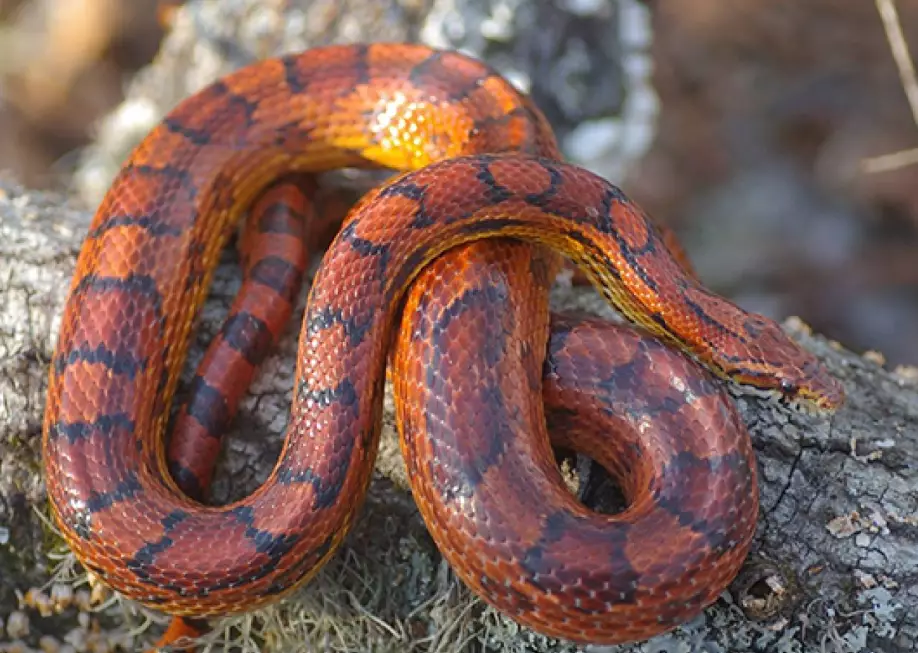
If you polled a hundred reptile hobbyists on what is the easiest snake to care for, the Corn Snake (Pantherophis guttatus) would win in a landslide. It's the textbook beginner snake for a reason. I started with one, and it was the best decision I could have made.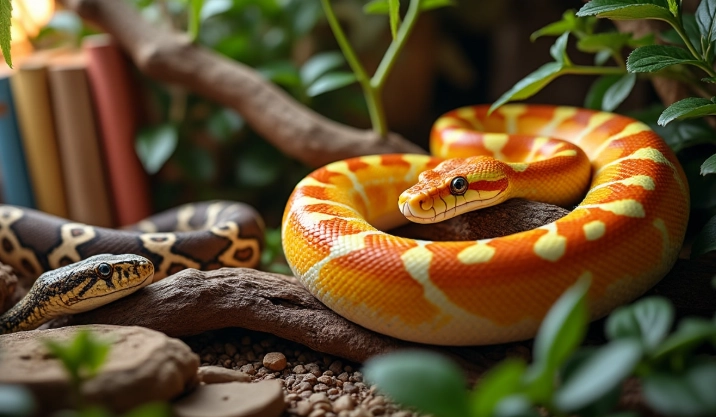
They come in a mind-boggling array of colors and patterns—from classic orange and red to ghost, lavender, and snow—so you can find one that truly appeals to you. More importantly, they are incredibly forgiving.
Why Corn Snakes Are So Easy:
- Ironclad Stomachs: They almost never refuse a meal. Switching them to frozen/thawed mice is typically straightforward. This alone removes about 70% of beginner anxiety.
- Simple Housing: A 20-gallon long tank works for a juvenile, and a 40-gallon breeder or 4x2x2ft enclosure is great for an adult. They don't need towering jungle gyms; a couple of hides, a water bowl, and something to climb on are perfect.
- Easy Climate: Their temperature gradient is simple: a warm side around 85°F (29°C) and a cool side around 75°F (24°C). Humidity is easy to maintain at 40-50%, often achievable with just a large water bowl.
- Fantastic Temperament: They are curious and rarely bite. When handled regularly, they become calm and explorative. My first corn snake would calmly wrap around my wrist while I did homework.
The Small Catch:
- They are escape artists. Houdini has nothing on a determined corn snake. You must have a securely locking lid. I learned this the hard way with a five-hour bedroom search mission.
- They are more active than ball pythons, which some people prefer and others find a bit frantic.
For a comprehensive care guide that aligns with modern reptile welfare standards, the Reptifiles Corn Snake Care Guide is an excellent, detailed resource.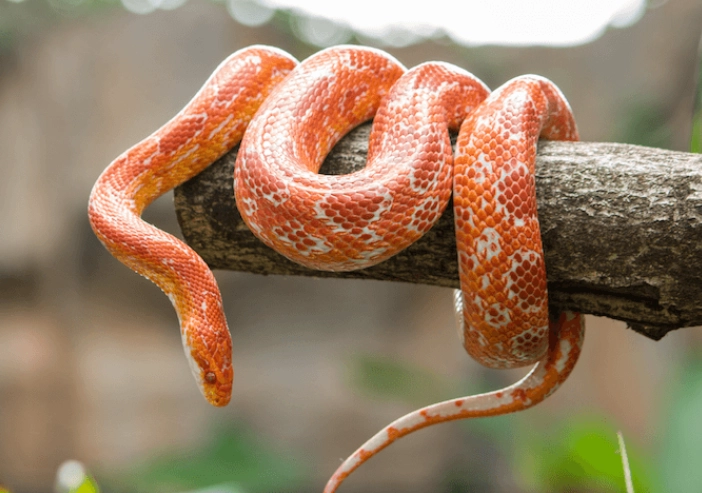
2. The Ball Python: The Gentle Giant (With a Caveat)
Ball Pythons (Python regius) are arguably the most popular pet snake in the world. And it's easy to see why. They have adorable, puppy-like faces, a calm, slow-moving demeanor, and they stay a thick, substantial but manageable size. When scared, they curl into a tight ball—hence the name.
For handling and temperament, they are often at the top of the list. They are content to be a lap snake, slowly moving across your hands. But here's the big "but" that everyone in the hobby knows: their feeding reputation.
Their care is also slightly more nuanced. They need higher humidity (50-60%) to shed properly, which sometimes requires more attention than a corn snake's setup. A humid hide—a simple plastic box with damp moss—solves 90% of these issues, but it's an extra step.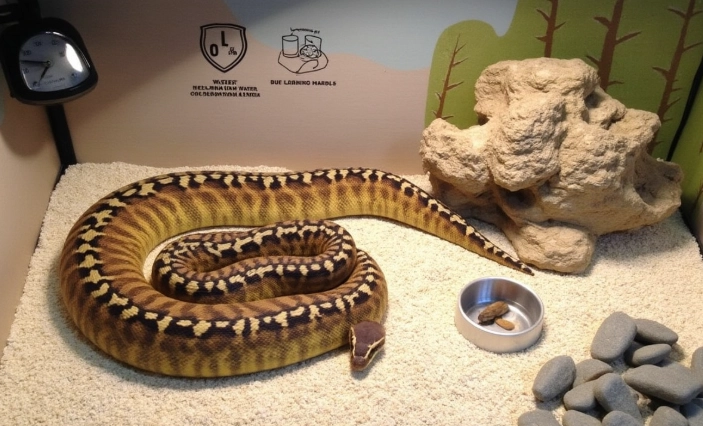
So, is a ball python the easiest snake to care for? If your definition of "easy" is "calm and easy to handle," then yes. If your definition is "eats without fail and has simple habitat requirements," then it might fall to second or third place. They are a wonderful, docile pet, but you need to go in with your eyes open to their quirks.
For authoritative health and husbandry information, the AVMA's reptile care overview provides a solid veterinary foundation, and species-specific forums on sites like MorphMarket are filled with breeder insights.
3. The California Kingsnake: The Easy-Keeper Powerhouse
Don't let the "king" name intimidate you. California Kingsnakes (Lampropeltis californiae) are, in many ways, the workhorse of the beginner snake world. They are incredibly hardy, have simple, dry environmental needs, and possess a feeding response that is… let's call it enthusiastic. You will never wonder if they're hungry.
Their care is strikingly simple. A temperature gradient similar to a corn snake's, and they thrive in low humidity. They are also prolific breeders in captivity, so they are very affordable and available in beautiful banded and striped patterns.
The main consideration with kingsnakes is their feeding instinct. They are opportunistic predators in the wild, and that carries over. This means two things: 1) You should not house them with other snakes (they are ophiophagous—they eat other snakes), and 2) You need to practice good feeding hygiene. Use feeding tongs and avoid handling them when they're in "food mode" (often for a day or two after eating). With clear cues, they are perfectly safe to handle and can be quite docile.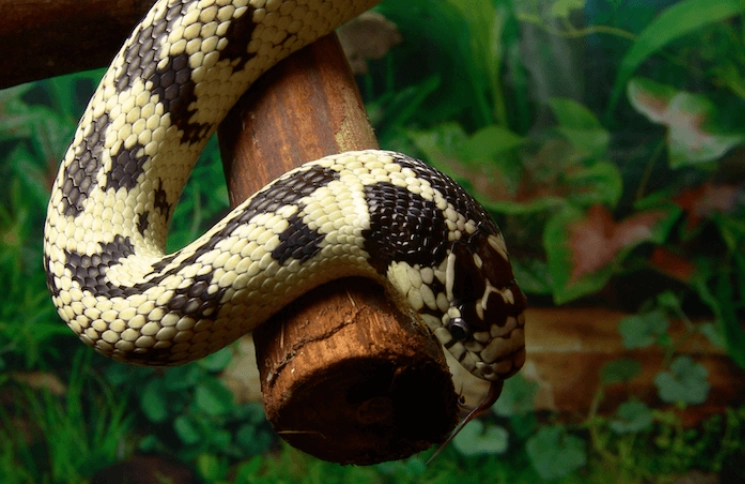
If you want a snake that is bulletproof in terms of health and feeding, and you don't mind a snake with a bit of an attitude, the California Kingsnake is a top-tier answer to what is the easiest snake to care for.
The Starter Kit: What You Actually Need to Buy
Let's get practical. Here’s a non-negotiable shopping list for any of these three snakes. Skimping here leads to problems.
- Enclosure: A front-opening terrarium (like from Zen Habitats or Dubia.com) or a well-ventilated plastic tub/Rack system is best. Glass tanks with screen tops work but require more effort to maintain heat/humidity. SECURE LOCKS ARE MANDATORY.
- Heating: An under-tank heat pad connected to a thermostat is the bare minimum. Overhead heating (a Deep Heat Projector or Ceramic Heat Emitter on a thermostat) is often better as it warms the air and surfaces more naturally. Never use heat rocks.
- Thermostat: This is not optional. It's the device that plugs into the wall and your heater, regulating the temperature to prevent burns. This is your most important piece of equipment.
- Hides: At least two—one on the warm end, one on the cool end. Snakes need tight, secure places to feel safe. A hide should be just big enough for them to curl up inside.
- Substrate: Aspen shavings work well for corn and kingsnakes. Coconut husk or cypress mulch is better for ball pythons due to humidity. Avoid cedar or pine (toxic).
- Water Bowl: Heavy enough not to tip, big enough for the snake to soak in.
- Digital Thermometer/Hygrometer: The little analog dials are notoriously inaccurate. Get a digital one with a probe.
See? It's not a huge list. The initial setup is the biggest cost and effort. Daily maintenance is minimal.
Common Questions (Stuff You're Actually Wondering)
Let's tackle the real-world questions that pop up after you've read the basic care sheets.
Do pet snakes smell bad?
Not if you keep their enclosure clean. Snake poop has an odor, but spot-cleaning it promptly prevents any lingering smell. The snake itself has no odor. A smelly snake enclosure is a dirty enclosure—it's a sign you need to clean more often.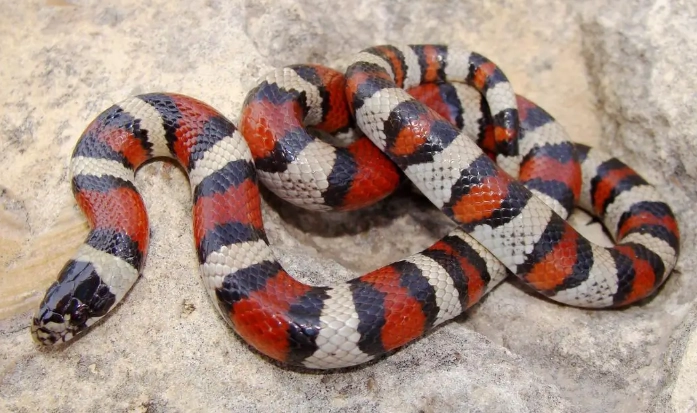
How often do I actually feed it?
This depends on age and size. A general rule: feed a prey item that is roughly as wide as the snake's widest part. Juveniles eat every 5-7 days. Adults eat every 10-14 days. It's not a daily chore like with a dog.
What about vet bills?
You need an exotic vet. Annual check-ups are a good idea. The most common issues are respiratory infections (from incorrect humidity/temps) and mites (from unclean environments or new additions). Good husbandry prevents most problems. It's not like a cat that needs yearly shots, but have a vet fund.
Can I handle it every day?
Not right after feeding (wait 48 hours). Otherwise, short, gentle handling sessions a few times a week are great for taming. Don't overdo it—they are solitary animals and don't "crave" interaction. Handle for your enjoyment, but read the snake's body language. If it's stressed, put it back.
How long do these snakes live?
This is a long-term commitment. Corn snakes and kingsnakes often live 15-20 years. Ball pythons regularly live 20-30 years. You're not getting a hamster.
Final Thoughts: Making Your Choice
So, after all this, what is the easiest snake to care for?
If you want the most straightforward, no-surprises, eager-to-eat companion: get a Corn Snake.
If you prioritize a calm, slow-moving, handleable pet and are prepared to patiently navigate occasional feeding fasts: get a Ball Python.
If you want a tough, resilient snake with simple environmental needs and a legendary appetite: get a California Kingsnake.
There's no single right answer, but there is a right answer for you. Visit a reptile expo if you can. See the snakes in person. Talk to breeders. Hold one (if the breeder allows). You'll get a feel for their energy.


Join the Conversation