Quick Guide
- Why Ignoring Cat Teeth is a Big Mistake
- The Most Common Cat Dental Problems (And How to Spot Them)
- Your At-Home Cat Dental Care Toolkit
- When Home Care Isn't Enough: The Professional Dental Cleaning
- Answering Your Burning Questions About Cat Dental Health
- Putting It All Together: Your Cat's Dental Health Action Plan
Let's be honest. How often do you actually look inside your cat's mouth? I mean, really look. For most of us, it's a quick glance when they yawn, and we might notice a bit of stinky breath and think, "Well, that's just cat breath." I used to think the same thing until my vet showed me the X-rays of my cat's hidden dental problems. It was a wake-up call.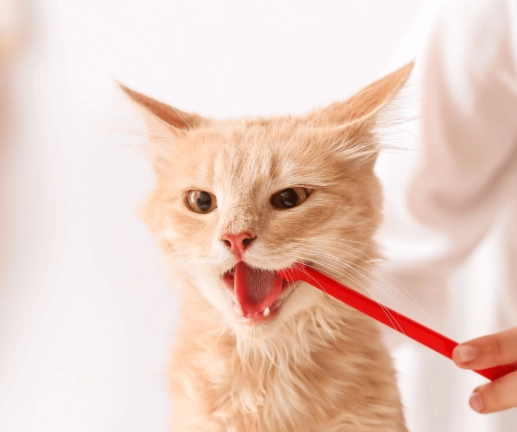
Your cat's dental health is a huge part of their overall wellbeing. It's not a cosmetic issue. Problems in the mouth can lead to pain you'd never know about (cats are masters at hiding discomfort), infections that spread to vital organs, and a serious hit to their quality of life. We're talking about more than just yellow teeth. We're talking about a domino effect that can impact their heart, kidneys, and liver. The American Veterinary Medical Association (AVMA) consistently highlights the systemic risks of untreated oral disease in pets.
And here's the kicker: by the age of three, over 70% of cats have some form of dental disease. That's not a small number. That's most cats. So if you're wondering whether this applies to your feline friend, chances are, it does.
Why Ignoring Cat Teeth is a Big Mistake
Think about how you'd feel with a constant toothache. You'd be grumpy, you might not want to eat, and your whole body would feel under stress. Cats experience the same thing, but they can't tell us. They just soldier on. The pain from dental issues like broken teeth, inflamed gums, or abscesses is real and chronic.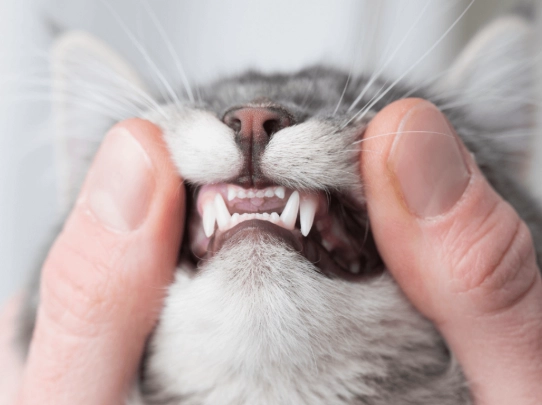
Beyond the pain, there's the infection risk. Bacteria from plaque and tartar buildup don't stay put. They enter the bloodstream through bleeding gums—a process called bacteremia. Once in the blood, these bacteria can lodge in the heart valves (causing endocarditis), filter through the kidneys, or settle in the liver. Studies referenced by institutions like the Cornell Feline Health Center have drawn clear connections between severe periodontal disease and damage to these distant organs.
So, investing in your cat's dental health isn't just about avoiding a big vet bill for a cleaning (though that's part of it). It's about adding healthy, comfortable years to their life. It's about preventing that silent, slow-moving threat.
The Most Common Cat Dental Problems (And How to Spot Them)
You don't need to be a vet to spot the warning signs. You just need to know what to look for. Some problems are obvious, others are sneaky.
Feline Periodontal Disease: The Slow Creep
This is the granddaddy of common cat dental issues. It starts simply with plaque—that soft, sticky film of bacteria. If not removed within about 24-48 hours, it hardens into calculus, or tartar. Tartar is rough and irritates the gum line, causing inflammation called gingivitis. You'll see red, swollen gums, maybe some bleeding. This stage is reversible with a professional cleaning and good home care.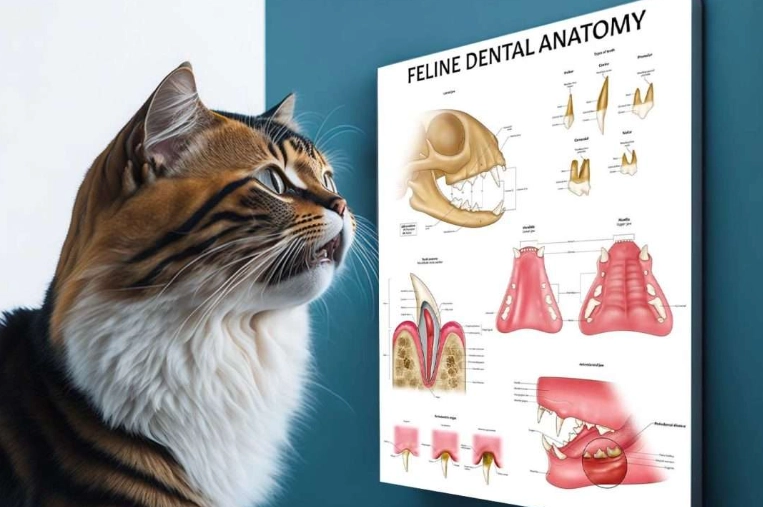
Leave it untreated, and it becomes periodontitis. This is where the real damage happens. The inflammation and infection dig down below the gum line, destroying the ligaments and bone that hold the tooth in place. This damage is permanent. The tooth becomes loose, painful, and may eventually fall out or need extraction. The cat's overall cat dental health is severely compromised at this point.
Tooth Resorption: The Mysterious Eater
This one is weird and particularly common in cats. Also known as FORLs (Feline Odontoclastic Resorptive Lesions), these are painful holes or erosions that start at the tooth's surface and literally eat into it, often at the gum line. They look like little pink dots or cavities. The cause isn't fully understood, but it's incredibly painful. A cat might chatter its jaw, drool, or have difficulty eating, especially with hard food. Sometimes, the only sign is that they swallow their food whole to avoid chewing on the painful side. The American Veterinary Dental College (AVDC) provides detailed resources on identifying these lesions, which often require tooth extraction.
I remember my cat suddenly being hesitant with her dry food. She'd pick up a kibble, drop it, and try again. I thought she was being fussy. Turns out, she had a resorptive lesion on a back molar. She was in pain every time she bit down.
Stomatitis: The Nightmare Inflammation
This is the big one, the severe end of the dental disease spectrum. Feline Chronic Gingivostomatitis (FCGS) is a severe, painful inflammation of the entire mouth—the gums, the back of the throat, the tongue. It's an over-the-top, inappropriate immune response to even small amounts of plaque. Imagine having canker sores covering the entire inside of your mouth. That's stomatitis.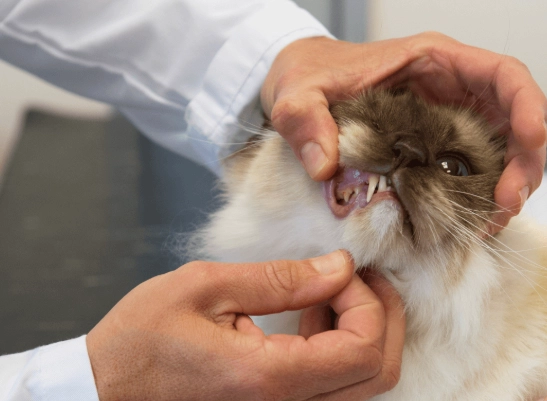
Cats with this condition are miserable. They often drool bloody saliva, have terrible breath, lose weight because eating is agony, and may paw at their mouths. Treatment is challenging and often involves managing the immune response with medication or, in many cases, extracting most or all of the teeth to remove the plaque-retentive surfaces. It sounds extreme, but most cats feel dramatically better afterward and can eat soft food just fine. It's a quality-of-life surgery.
| Problem | What It Is | Key Signs to Watch For | Typical Treatment |
|---|---|---|---|
| Periodontal Disease | Inflammation & infection of tissues around the tooth. | Red/swollen gums, bad breath, tartar, tooth mobility. | Professional cleaning, possible extractions, home care. |
| Tooth Resorption (FORLs) | Painful erosion of the tooth structure. | Pink spots on teeth, jaw chattering, drooling, food avoidance. | Tooth extraction is almost always necessary. |
| Stomatitis (FCGS) | Severe, widespread mouth inflammation. | Bright red gums/ throat, painful eating, weight loss, bloody drool. | Immune suppression, full-mouth extractions often provide best relief. |
| Fractured Teeth | Broken tooth, often from trauma or chewing hard objects. | Visible break, pain on one side of mouth, chewing oddly. | Root canal or extraction to prevent infection and pain. |
What's the biggest sign something's wrong? A change in behavior. Is your cat suddenly a messy eater? Dropping food? Chewing on one side? Hiding more? Not grooming as well? These subtle shifts can be the only clue you get that their mouth hurts.
Your At-Home Cat Dental Care Toolkit
Okay, so we know the problems. The good news is, a lot of this is preventable. Home care is the cornerstone. It's like us brushing our teeth—not always fun, but non-negotiable for health. You don't have to do everything perfectly, but doing something is infinitely better than doing nothing.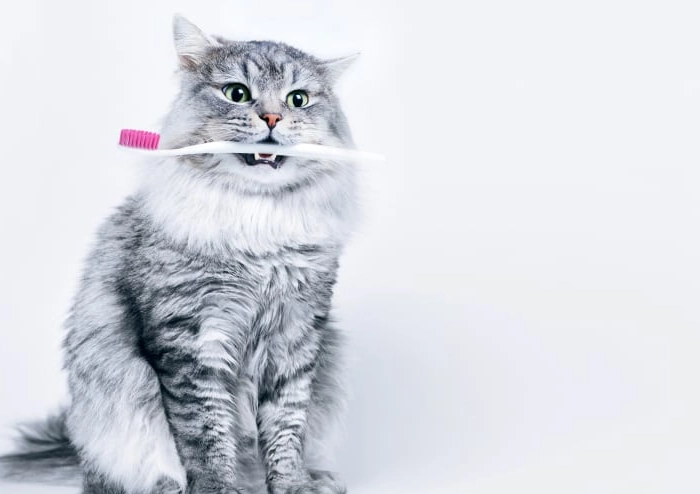
Brushing: The Gold Standard (Yes, Really)
I can hear the groans. "My cat would never let me!" I said that too. The key is to start slow, be patient, and use the right tools. Brushing is the single most effective thing you can do at home to remove plaque before it turns into tartar.
- Toothbrush: A soft-bristled baby toothbrush or a finger brush made for pets. Some cats prefer one over the other.
- Toothpaste: MUST be pet-specific. Human toothpaste contains fluoride and xylitol, which are toxic to cats. Pet toothpaste comes in appealing flavors like poultry, seafood, or malt.
- Treats & Patience: Your most valuable tools.
Start by just letting your cat lick the toothpaste off your finger for a few days. Get them to love the taste. Then, gently rub your finger along their gums and teeth. After they're comfortable with that, introduce the brush with paste on it. Focus on the outside surfaces of the teeth, especially the big cheek teeth (carnassials) and canines. Aim for 30 seconds, a few times a week. Even once a week makes a difference.
Is it a battle sometimes? Sure. My older cat tolerates it; my younger one thinks it's a game where she tries to eat the brush. We manage. The goal is consistency, not perfection.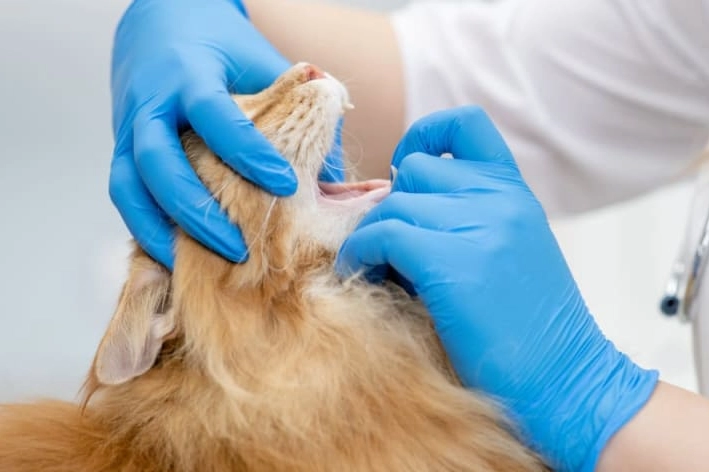
Diet & Dental Foods: Do They Work?
This is a hot topic. The short answer is: some do, but they're not a substitute for brushing. Look for diets that have the VOHC (Veterinary Oral Health Council) seal of acceptance. This means the food or treat has been clinically tested and proven to reduce plaque or tartar.
How do they work? Some dental kibbles are larger and have a specific texture that encourages chewing and provides a mechanical scrubbing action. Others contain additives like polyphosphates that bind to calcium in saliva, helping to prevent tartar from hardening on the teeth. They can be a helpful part of a comprehensive plan, especially for cats who absolutely will not tolerate brushing. But don't be fooled by marketing. If a bag just says "promotes dental health" without the VOHC seal, it likely hasn't been proven to do much.
Water Additives, Gels, and Dental Treats
The market is full of products claiming to help. Here's my take:
- Water Additives: You add a solution to your cat's drinking water. They can help reduce bacteria but are often the weakest link because the concentration is diluted, and not all cats will drink the treated water. If your cat is a good drinker, it's an easy add-on.
- Oral Gels or Sprays: Applied directly to the teeth/gums. These often contain enzymes or antiseptics. They're better than nothing and good for cats who hate brushing, but they don't provide the mechanical plaque removal of brushing.
- Dental Treats: Like dental diets, look for the VOHC seal. Some chews can help, but be mindful of calories. A treat is not a meal replacement.
My rule of thumb? Brushing is top tier. VOHC-approved diets or treats are a good second line of defense. Everything else is supplemental support.
When Home Care Isn't Enough: The Professional Dental Cleaning
No matter how diligent you are, most cats will eventually need a professional cleaning by a veterinarian. Tartar is like concrete; once it's there, only scaling tools can remove it. This isn't a cosmetic spa day—it's a medical procedure called a Comprehensive Oral Health Assessment and Treatment (COHAT).
And it's done under general anesthesia. Let me be clear: non-anesthetic dental cleanings are not safe or effective for cats. A proper cleaning requires scaling below the gum line (where the disease lives), which is painful and impossible in a awake, stressed animal. Anesthesia allows for a thorough, pain-free cleaning, full-mouth X-rays, and a proper examination of every tooth. The American Animal Hospital Association (AAHA) has dental care guidelines that strongly advocate for anesthesia for all dental procedures.
What happens during a cleaning?
- Pre-anesthetic bloodwork to ensure your cat is healthy enough for anesthesia.
- General anesthesia and monitoring of vital signs (heart rate, blood pressure, oxygen levels).
- Full-mouth dental X-rays. This is critical! Over 60% of dental disease is below the gum line and invisible to the naked eye. X-rays reveal abscesses, resorptive lesions, and bone loss.
- Scaling to remove tartar above and below the gums.
- Polishing to smooth the tooth surface, making it harder for plaque to stick.
- Probing around each tooth to check for pockets of disease.
- Extraction of any diseased, broken, or loose teeth as necessary, with proper pain management.
The cost can be significant, often ranging from a few hundred to over a thousand dollars depending on extractions and location. Pet insurance that covers dental illness or a dedicated savings fund can be lifesavers. Think of it as a crucial investment, not an optional expense.
Answering Your Burning Questions About Cat Dental Health
"My cat has terrible breath. What does it mean?"
Persistent bad breath (halitosis) is almost never normal. It's usually the first and most obvious sign of bacterial buildup, gingivitis, or infection. While the occasional "fishy" breath after a meal is fine, a constant foul odor means a trip to the vet is in order. It could be simple gingivitis or something more serious like an abscessed tooth.
"Can I use human toothpaste or baking soda on my cat's teeth?"
Absolutely not. Human toothpaste contains fluoride, which is toxic if swallowed in quantity. More dangerously, many contain xylitol, an artificial sweetener that is highly toxic to pets and can cause a rapid, life-threatening drop in blood sugar and liver failure. Baking soda is high in sodium and can upset your cat's electrolyte balance. Always use toothpaste formulated specifically for cats.
"My cat won't let me brush. What are my alternatives?"
Don't give up! Try a different tool (finger brush vs. pet toothbrush). Try a different flavor of paste (poultry vs. fish). If brushing is truly a non-starter, focus on the next best things: a VOHC-approved dental diet, dental treats, and perhaps an oral gel. Discuss options with your vet. Something is always better than nothing for maintaining cat dental health.
"How often does my cat need a professional dental cleaning?"
There's no one-size-fits-all answer. It depends entirely on your cat's individual genetics, diet, and how effective your home care is. Some cats with great home care and no predisposition might need one every few years. Others with severe stomatitis or rapid tartar buildup might need one annually. Your vet will recommend a schedule based on yearly oral exams.
"Is dry food better than wet food for teeth?"
This is a pervasive myth. The common belief is that kibble scrubs teeth like a toothbrush. In reality, most cats don't chew dry food enough for it to matter; they crunch it once or twice and swallow. The carbohydrate content in some dry foods can even contribute to plaque. The moisture in wet food is generally better for overall health. The food's effect on teeth has more to do with its specific formulation (like a VOHC dental diet) than its texture alone. You can feed wet food and still have excellent cat dental health with proper care.
"The single most important thing an owner can do for their cat's long-term health and comfort is to pay attention to their mouth. Prevention is always easier, safer, and less expensive than treatment."
Putting It All Together: Your Cat's Dental Health Action Plan
This might feel like a lot. Don't get overwhelmed. Start small. Pick one thing to focus on this week.
Step 1: The Sniff Test & Look-See. This week, gently lift your cat's lip and look at their teeth and gums. Note the color. Pink is good. Red is bad. Smell their breath. Make a mental note of what you see.
Step 2: Vet Check. At your cat's next annual wellness visit (or schedule one if it's been a while), ask your vet for a specific oral exam. Talk about what you saw at home.
Step 3: Start a Home Care Habit. Buy a cat toothbrush and toothpaste. Start with the "licking off the finger" phase. Be patient. Celebrate small wins.
Step 4: Plan for the Future. If your vet recommends a professional cleaning, start budgeting for it. Look into pet insurance options that cover dental illness (not just accidents).
Improving your cat's dental health is a journey, not a one-time event. There will be setbacks. Your cat might hate the brush one day. That's okay. The fact that you're reading this means you care, and that's the most important ingredient. By taking proactive steps, you're not just caring for their teeth—you're safeguarding their comfort, their vitality, and their future. You're giving them the gift of a pain-free, healthy smile for all their nine lives.
And honestly, isn't that what we all want for our furry family members?
Join the Conversation