Jump to Sections
So you're bringing home a tiny ball of fluff. Exciting, right? Also, maybe a little terrifying. I remember picking up my first kitten, Milo. I had a cardboard box, a bag of the cheapest food I could find, and exactly zero clue what I was doing. He screamed the whole car ride home, hid under my bed for two days, and I was convinced I'd broken him. Turns out, I just hadn't read a proper kitten care guide.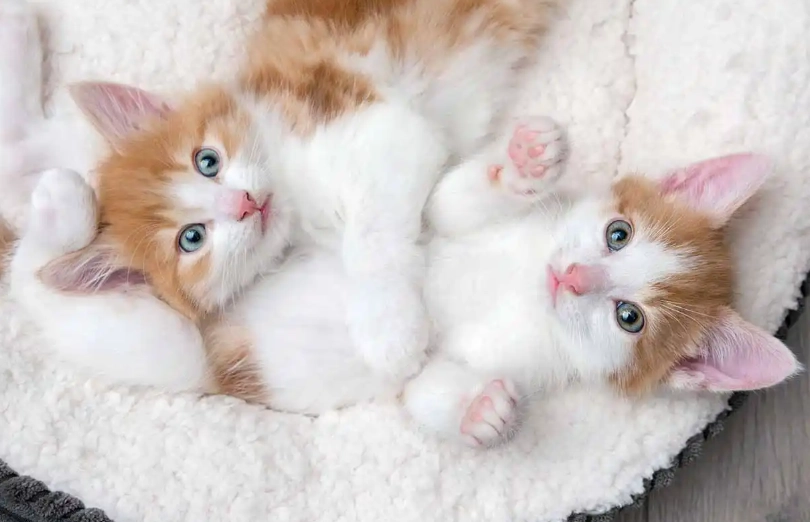
That's what this is. Not a dry, clinical manual, but a chat from someone who's been through the chaos (and joy) multiple times. We're going to cover everything—the stuff you know you need, and the stuff you don't know you need until it's 2 AM and you're searching "why is my kitten biting my feet?". Whether you're a first-timer or just need a refresher, this guide aims to be your go-to resource.
Before You Bring That Kitten Home
Jumping straight to the cute part is tempting, but a little prep saves a ton of stress. Think of it as baby-proofing, but for a creature that can jump five times its height.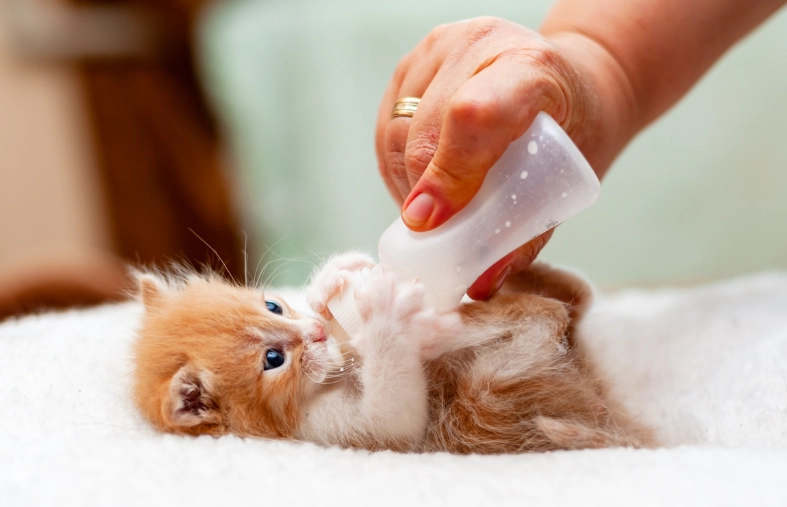
The Essential Shopping List (The Real One)
Pet store lists can be overwhelming, pushing fancy gadgets you'll never use. Here's what you genuinely need for day one, broken down by priority.
Non-Negotiables:
- Food & Water Bowls: Get shallow, wide ceramic or stainless-steel bowls. Plastic can cause feline acne (yes, that's a thing) and holds bacteria. I made the plastic bowl mistake once. Cue a vet visit for a weird chin rash.
- High-Quality Kitten Food: Look for labels that say "complete and balanced for growth" or "for all life stages." The first ingredient should be a named meat (like chicken, salmon), not a by-product or grain. Wet food is fantastic for hydration, but a mix with dry is okay. The Association of American Feed Control Officials (AAFCO) statement on the bag is your best friend here.
- Litter Box & Litter: One box per cat, plus one extra. So start with two, even for one kitten. Get a low-sided box for easy access. For litter, unscented, clumping clay is a safe, popular start. Kittens have sensitive noses; strong perfumes can put them off entirely.
- Carrier: Not for "someday," for day one. A hard-sided carrier is safest. Line it with a soft towel. Please don't drive home with a loose kitten in your car—it's dangerous for everyone.
The "You'll Be Glad You Have It" Tier:
- Scratching Post(s): Not one. Multiple. Different textures (sisal, carpet, cardboard). Place them near sleeping areas and common rooms. This is your first line of defense for your sofa.
- Bed: They'll sleep anywhere, but a soft bed in a quiet corner gives them a safe spot. A simple cardboard box with a soft blanket works wonders.
- Toys: Wand toys (like Da Bird) are magic for bonding and burning energy. Avoid string or yarn they can swallow. A few small, soft balls and a crinkle toy round out the starter kit.
- Basic Grooming: A soft brush and nail clippers made for cats. Start handling their paws and brushing them early, even if they don't need it, to get them used to it.
The First 24 Hours: Survival Mode
You're home. The carrier is on the floor. Now what?
Open the carrier door and let them come out on their own. Don't pull them out. Set up a "base camp" in a small, quiet room (like a bathroom or spare bedroom) with their litter box, food, water, and bed. This gives them a safe space to decompress without the overwhelm of a whole new house.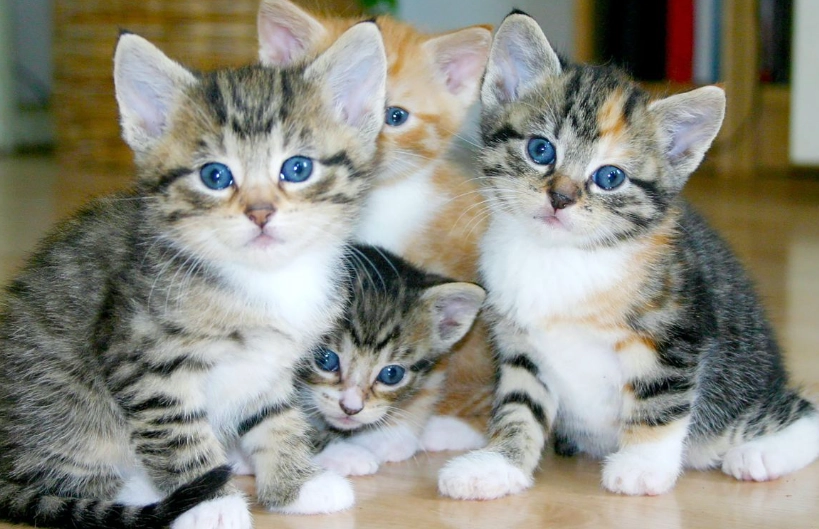
They might hide. They might not eat. They might cry. This is all normal. Just sit quietly in the room with them, maybe read a book or play on your phone, letting them get used to your presence and scent. Offer a little wet food on your finger. Don't force cuddles.
Patience is key.
Introduce them to the rest of the house slowly, over a few days, once they seem confident in their base camp. Supervise these explorations!
The Daily Grind: Your Kitten Care Routine
This is the heart of any practical kitten care guide—what you actually do every day.
Feeding: More Than Just Filling a Bowl
Kittens have tiny tummies and massive energy needs. They need to eat small amounts, frequently.
| Age | Meals Per Day | Food Type | Key Notes |
|---|---|---|---|
| 6-12 weeks | 4 | Kitten wet food, optionally soaked kitten kibble | Weaning off mom's milk. Food must be soft and highly palatable. |
| 3-6 months | 3 | Kitten-specific wet & dry food | Major growth phase. Don't restrict food; free-feeding dry is okay if weight is good. |
| 6-12 months | 2-3 | Transition to adult food can begin near 12 months | Growth slows. Monitor body condition to avoid overfeeding. |
Always, always have fresh water available in a bowl away from their food. Cats have an instinct to avoid water near food (contamination in the wild). Some love cat water fountains, which encourage drinking.
Litter Box 101: Avoiding Common Disasters
A clean litter box is a used litter box. Scoop at least once daily, preferably twice. Dump and wash the box with mild soap weekly (no strong chemicals).
If your kitten isn't using the box, ask yourself: Is it clean enough? Is it in a loud, high-traffic area? Did you change the litter type suddenly? Is there an underlying medical issue? Rule out problems before assuming it's behavioral. The Cornell Feline Health Center has excellent resources on litter box problems.
Play, Socialization, and Sleep (Mostly Sleep)
Play isn't optional; it's how kittens learn motor skills, hunt, and bond. Aim for 2-3 short, intense play sessions (10-15 mins) per day with a wand toy. Always end with a "catch" (let them pounce on the toy) and a small treat to simulate a successful hunt. This burns energy and prevents them from seeing your hands and feet as toys.
Socialization means gently exposing them to different people, sounds (vacuum, doorbell), and handling (touching paws, looking in ears, brushing). Do this positively, with treats. The prime window is 2 to 7 weeks, but it continues.
And they will sleep. Up to 20 hours a day. Let them.
Health & Wellness: Partnering With Your Vet
This is the most critical part of responsible kitten care. A good vet is your ally.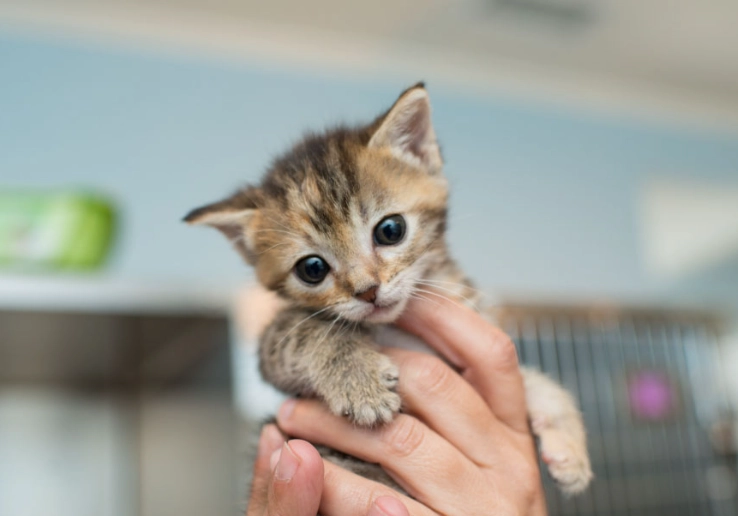
Vaccinations and Deworming
Kittens get antibodies from their mother's milk, but these fade, leaving them vulnerable. A core vaccination schedule typically looks like this:
- 6-8 weeks: First FVRCP vaccine (protects against rhinotracheitis, calicivirus, panleukopenia). Deworming.
- 10-12 weeks: Second FVRCP vaccine. Possibly first FeLV (Feline Leukemia) vaccine if they'll be at risk (outdoor access or living with an FeLV+ cat).
- 14-16 weeks: Third FVRCP vaccine. Second FeLV vaccine. Rabies vaccine (as required by law).
This is a template. Your vet will set a precise schedule. Never skip boosters. The American Animal Hospital Association (AAHA) Feline Vaccination Guidelines are the gold standard vets use.
Spaying and Neutering
This isn't just about preventing unwanted litters. It prevents serious health issues (mammary cancer, pyometra in females; testicular cancer, spraying in males) and undesirable behaviors. Most vets recommend the procedure around 5-6 months of age, before sexual maturity. Talk to your vet about the best timing.
Parasite Prevention
Fleas, ticks, and intestinal worms are not just itchy; they can cause anemia and disease. Your vet will recommend a monthly preventative suitable for kittens. Don't use dog products or over-the-counter stuff without vet advice—some are toxic to cats.
Understanding Kitten Behavior: They're Not Being "Bad"
So much perceived "bad behavior" is just natural kitten behavior directed at the wrong target.
Biting and Scratching: This is play and exploration. Yelling or punishing doesn't work. Instead, redirect! When they bite you, let out a high-pitched "ow!" (like a littermate would), immediately stop playing, and redirect them to an appropriate toy. Be consistent. Provide those scratching posts and praise them lavishly when they use them.
The Midnight Zoomies: Cats are crepuscular (most active at dawn and dusk). To manage this, have a vigorous play session right before *your* bedtime to tire them out. Leave out some dry food or a puzzle toy for overnight activity.
Climbing Curtains: They need to climb. If you don't provide an outlet, they'll make one. Cat trees, shelves, and window perches are your friends.
This section of a kitten care guide is vital because frustration over behavior is a top reason kittens are rehomed. Understanding the "why" changes everything.
Common Questions New Owners Actually Ask
The Long Game: From Kitten to Cat
A kitten care guide shouldn't end at one year. The habits you set now define your life together for the next 15-20 years.
Annual vet check-ups are non-negotiable, even for indoor cats. Dental care starts early—get them used to having their teeth touched. Consider dental treats or water additives as they age. Keep them mentally stimulated with puzzle feeders, new toys on rotation, and training (yes, cats can learn sit, high-five!).
Most importantly, enjoy it. The kitten phase is fleeting. The clumsy runs, the oversized ears, the deep, purry sleeps on your chest—it all goes by in a blur. Take lots of pictures. Be patient with the mishaps. You're not just following a care guide; you're building a relationship with a fascinating little creature who will become your loyal, quirky companion for years to come.





Join the Conversation