You just brought home your new feathered friend. There it is, perched in its cage, a beautiful bundle of potential affection—and it looks utterly petrified of you. The internet is full of dreamy stories of instant bird friendships, but your reality is sideways glances and frantic flapping. I get it. I’ve been there with my first cockatiel, who treated my hand like a predator for weeks.
Here’s the truth most generic guides won’t tell you: a deep, lifelong bond isn’t forged in five minutes. But a critical, trust-building connection absolutely can be. The "5-minute bond" is a misnomer. It’s really about a 5-minute interaction designed to do one thing: move the needle from "terror" to "curiosity." Do that consistently, and the bond follows.
This guide breaks down exactly how to structure those crucial first interactions. We'll ditch the vague advice and get into the specific body language, timing, and common mistakes that make all the difference.
What You’ll Learn in This Guide
First, Understand the Feathered Mind: Why Speed Spooks
Birds are prey animals. In the wild, fast movement equals danger. Your excited, direct approach? That’s a predator’s lunge in bird language. The biggest mistake new owners make is interpreting the bird’s fear as dislike or stubbornness.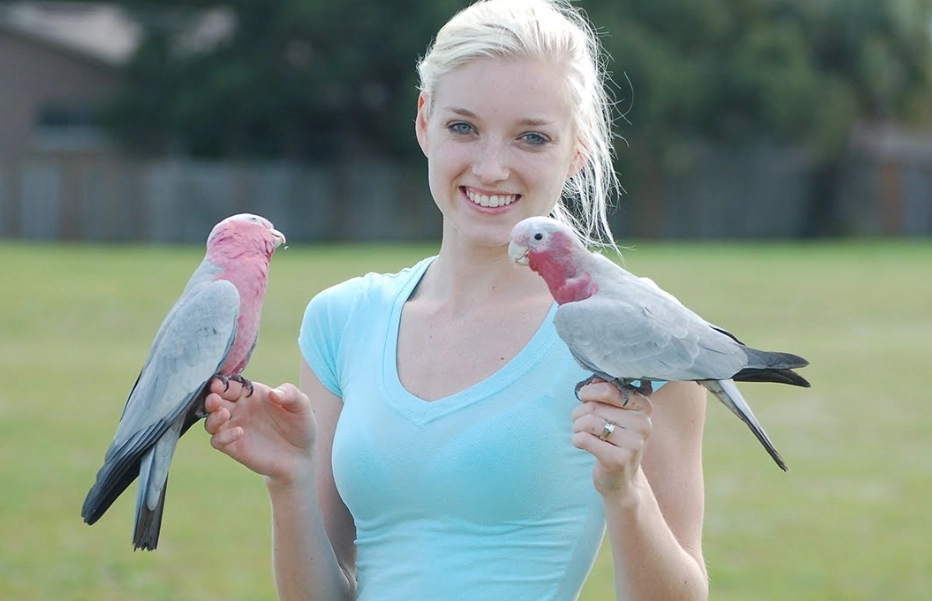
It’s pure instinct.
Your goal in these first 5-minute sessions isn’t to cuddle. It’s to reprogram that instinct. You need to become a predictable, non-threatening source of good things. A 2007 study published in the Journal of Applied Animal Welfare Science on parrot behavior noted that consistent, positive reinforcement significantly reduced fear-based behaviors in captive birds. That’s our blueprint.
The 5-Minute Bird Bonding Method: A Phase-by-Phase Breakdown
Set a timer. Seriously. It keeps you focused and prevents you from lingering too long out of hope, which can undo your progress.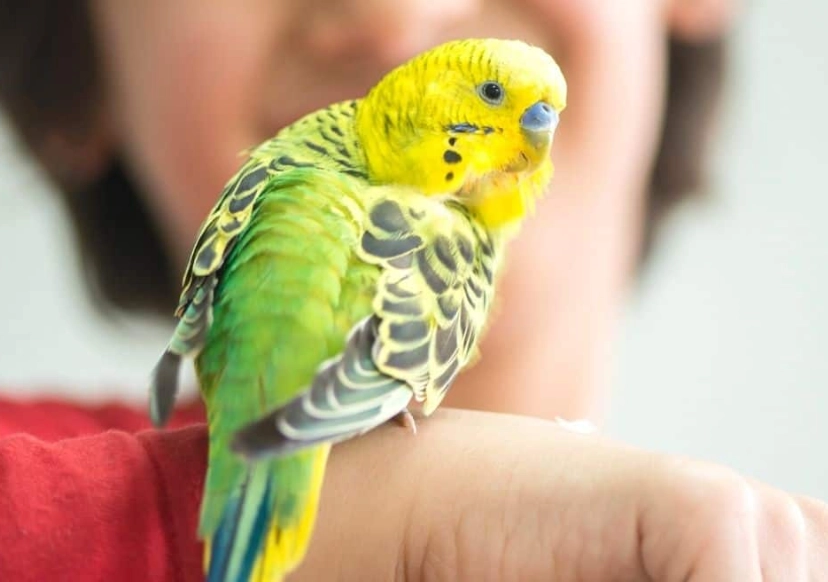
Phase 1: The Setup (Minute 0-1)
Choose a quiet time, not when the household is noisy. Approach the cage slowly and from the side, not head-on. Avoid direct eye contact initially—staring is a predator behavior. Talk in a soft, calm, and consistent tone. I often just narrate what I’m doing in a silly voice. "Okay, buddy, just coming over to say hi. Look, I’ve got this nice millet here." The words don’t matter; the gentle tone does.
Phase 2: The Offer (Minute 1-3)
Have a high-value treat ready. For most birds, this is spray millet, a small piece of walnut, or a bit of unsweetened cereal. Open the cage door slowly. Do not put your hand inside. Instead, hold the treat between your thumb and forefinger and rest your hand gently on the outside of the open door or just inside the entrance.
Stay still. Let the bird make the decision.
This is the hardest part. You wait. It might lean away. It might stare. If, after a minute, it shows no interest, place the treat in a food dish near the door and slowly back your hand away. Success at this stage is simply the bird not panicking at your hand's presence.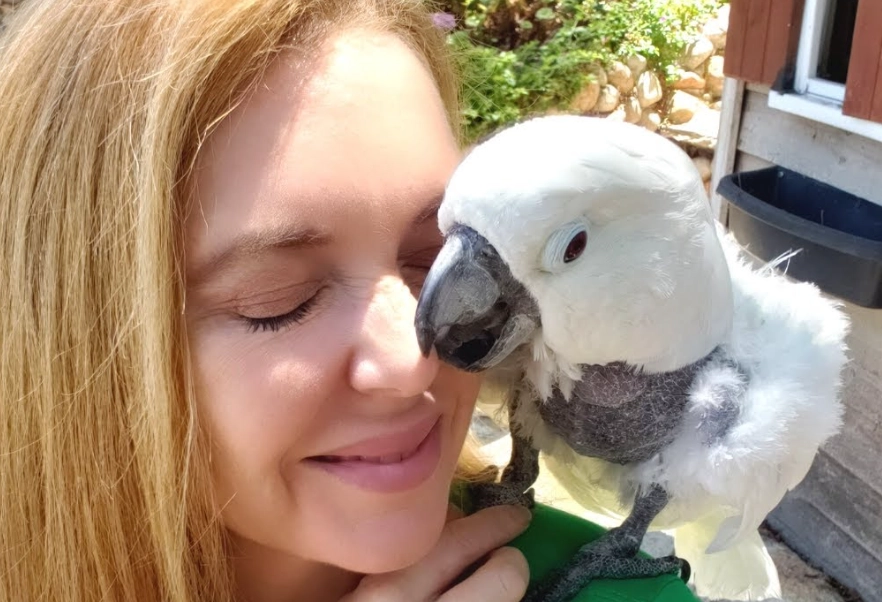
Phase 3: The Interaction (Minute 3-4.5)
If the bird approaches and takes the treat, amazing. Don’t move. Let it eat. If it seems comfortable, you can try very slowly moving your finger (without the treat) to just barely stroke its chest feathers while it eats. If it pulls back, stop.
If the bird didn’t take the treat from your hand but is calm, try just talking. Offer a favorite toy near the door. The interaction is any non-threatening engagement.
Phase 4: The Exit (Minute 4.5-5)
This phase is non-negotiable and often forgotten. End the session while the bird is still calm or curious. Before the timer goes off, say a consistent phrase like "All done!" in a happy tone, slowly withdraw your hand, close the cage door gently, and walk away. You are teaching it that interactions with you have a clear, predictable, and safe end. This builds enormous trust.
Building on the 5 Minutes: Daily Habits for Long-Term Trust
Those 5-minute sessions are your focused training. The rest of the day is about environmental bonding.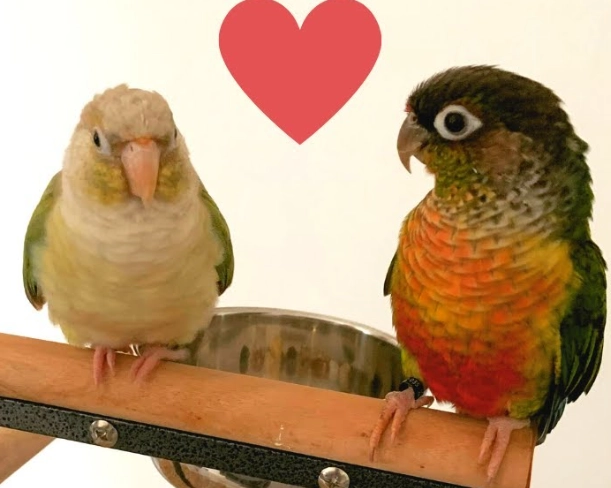
Place the cage correctly. Not in a lonely corner, but in a quiet area of a room where people often are, like the living room, against a wall for security. The bird gets used to your presence passively.
Become the treat fairy. Every time you walk by, drop a favorite treat in its dish. No interaction required. You become associated with good things happening magically.
Try "shoulder time" without pressure. After a few successful 5-minute sessions, open the cage and sit nearby. Read a book. Ignore the bird. Let it decide if it wants to come out and explore you as part of the furniture. My African Grey, Mochi, bonded faster when I stopped trying to get her to step up and just let her climb on my head while I worked.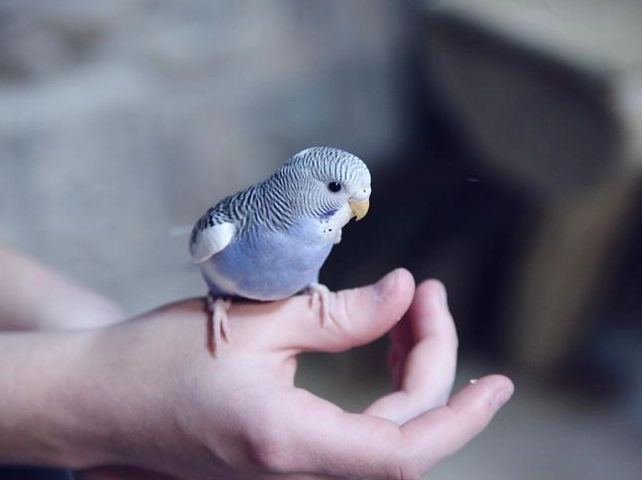
3 Quick-Bonding Traps to Avoid
These are the enthusiasm killers I see all the time.
Chasing the bird. If it flies off its perch, let it go. Forcing it back teaches it that you control its movement, which is terrifying. Use a perch or a treat to lure it back gently.
Overlooking body language. Pinned eyes (rapidly contracting/expanding pupils in parrots), raised feathers, and a crouched, still posture often signal overstimulation or fear, not happiness. Learn your bird’s specific signals.
Inconsistent routine. Birds thrive on predictability. Try to do your 5-minute sessions at roughly the same time each day. The security of routine does more for bonding than any treat.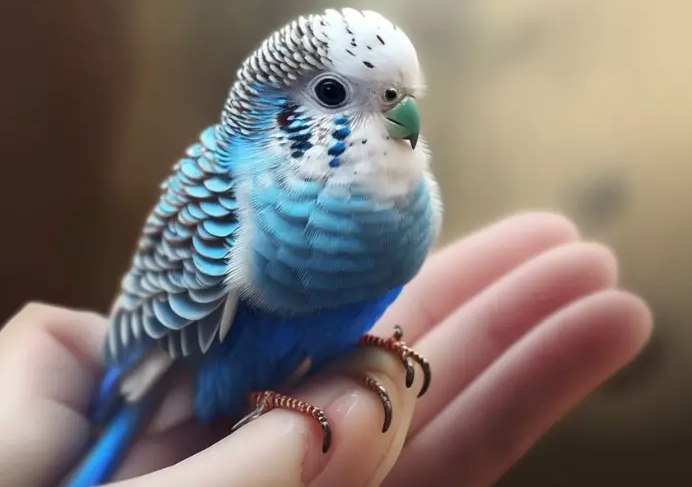
Straight Talk on Bird Bonding: Your Questions
My bird bites when I offer a treat. What now?
Is talking or singing to my bird actually helpful?
Can I bond with a bird I just rescued that has a bad past?
The journey with a bird is a slow dance, not a sprint. Those 5-minute sessions are the individual steps you practice until they become natural. Some days you'll step on each other's toes. Other days, you'll glide. Pay attention to the small victories—the first time it doesn't flinch, the first curious head tilt, the first time it takes a treat without hesitation. That's the bond being built, one peaceful, predictable minute at a time.

Join the Conversation