Switching your dog to a homemade diet can feel like navigating a minefield. One website says grain-free is essential, another warns about taurine deficiency, and your neighbor swears by a raw chicken wing every day. After over a decade working with canine nutritionists and seeing hundreds of dogs transition to home-prepared meals, I've learned that the "best" diet isn't a single recipe—it's a framework built on balance, knowledge, and your specific dog's needs. Let's cut through the noise and build a diet that makes your dog thrive, not just survive.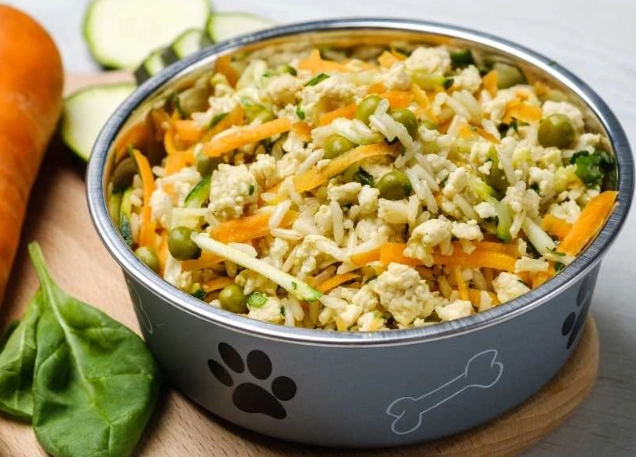
What's Inside This Guide
Why Go Homemade? It's More Than Just Trends
It's not about being fancy. Most owners I talk to are driven by a specific concern. Maybe it's a dog with relentless itchy skin that every vet-brand kibble seems to aggravate. Or a senior dog who's lost interest in the brown pellets they've eaten for years. You know every ingredient going into the bowl. You control the quality of the meat, the freshness of the vegetables, and you eliminate the vague "animal derivatives" and preservatives found in some commercial foods.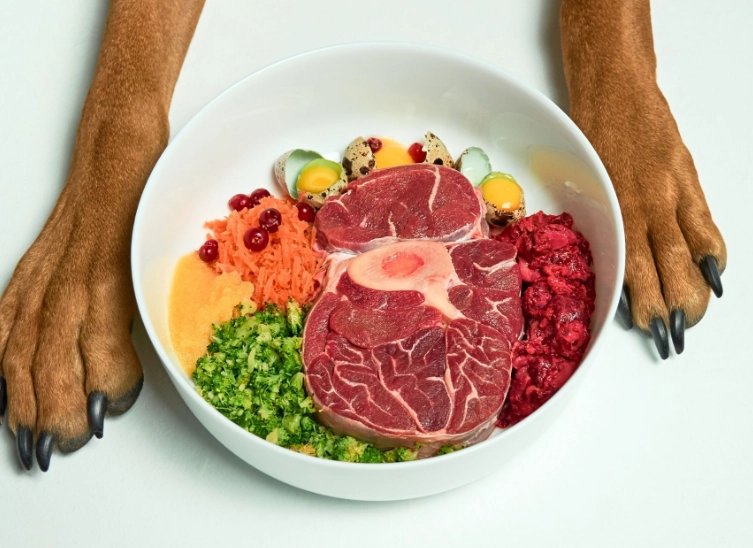
I remember a Labrador named Max with chronic, mild diarrhea. His owner had tried every "sensitive stomach" formula on the market. We switched him to a simple, bland homemade diet of lean ground turkey, pumpkin, and a balanced supplement. The change was within 48 hours. That's the power of knowing exactly what you're feeding.
But here's the critical flip side I tell everyone: Homemade is not inherently healthier. A poorly balanced homemade diet is far more dangerous than a mid-tier commercial kibble. The goal isn't just to cook for your dog; it's to nourish them completely.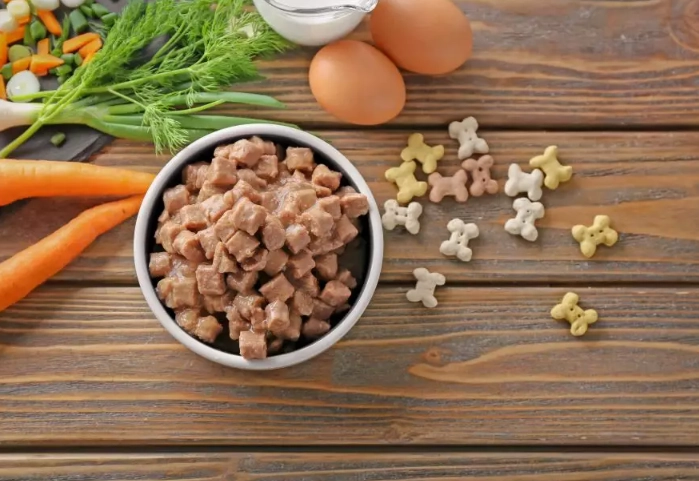
The Non-Negotiable Principles of a Balanced Diet
Forget the 50/50 meat and veg rule you might have heard. That's a fast track to nutritional deficiencies. Dogs require over 40 essential nutrients in specific ratios. The foundation isn't complicated, but it is precise.
The Macronutrient Breakdown (The Big Picture)
Think of this as your plate model. A balanced homemade meal typically breaks down like this:
- Protein (40-50%): Muscle meats (chicken, beef, turkey), fish, eggs. This is for building and repair.
- Organs (10%): This is where many fail. Liver (about 5%) is a nutrient powerhouse. Another 5% should be another secreting organ like kidney or spleen. Don't skip this.
- Bone or Calcium Source (10-15%): If using raw meaty bones (like chicken necks), this is part of your protein. If not, you must add a measured calcium supplement. This is the most common and dangerous oversight.
- Vegetables & Fruits (25-35%): Cooked or puréed for digestibility. Think leafy greens, broccoli, carrots, blueberries. They provide vitamins, fiber, and antioxidants.
The Calcium Myth: The biggest alarm bell I ring for newbies is calcium. Meat is very high in phosphorus and has almost no calcium. Without balancing this with a proper calcium source (bone or supplement), you risk severe, irreversible bone demineralization and kidney stress. It's not a "maybe"—it's a certainty with an all-meat diet.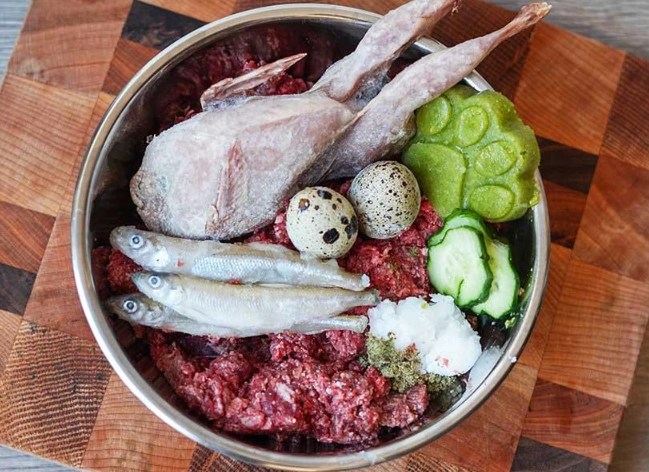
Essential Add-Ins You Can't See
Even with perfect proportions, you'll likely miss key nutrients. A quality canine-specific vitamin and mineral supplement is not optional for most recipes. Look for one that includes:
- Omega-3 fatty acids (from fish oil, not just flaxseed which dogs convert poorly).
- Vitamin E.
- Iodine (often missing from land-based ingredients).
- A full spectrum of trace minerals like zinc and copper.
How to Start a Homemade Diet for Dogs: A Step-by-Step Plan
Jumping in headfirst is a recipe for stress and an upset stomach—for both you and your dog. Follow this phased approach.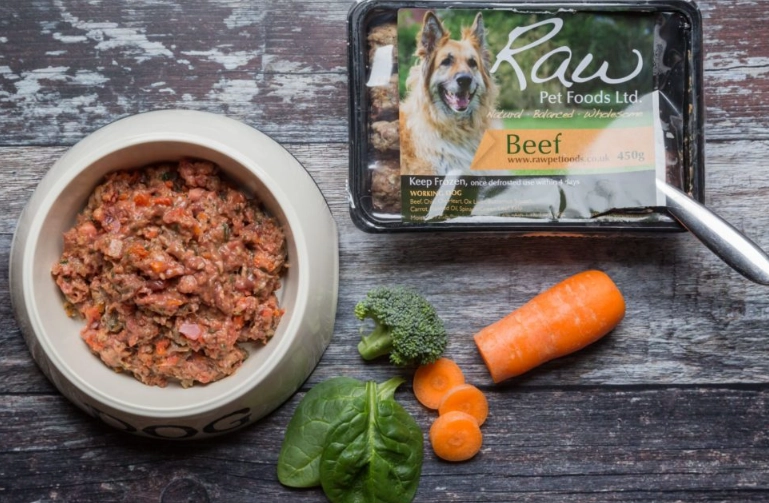
Phase 1: The Consultation & Baseline (Week 1)
Before you dice a single carrot, talk to your vet. Get a full blood panel done. This gives you a health baseline and rules out underlying conditions. Discuss your plan. If your vet is hesitant, ask for a referral to a veterinary nutritionist (you can find one through the American College of Veterinary Nutrition). This upfront cost can save you thousands in corrective care later.
Phase 2: The Test Recipe (Weeks 2-3)
Start with a single, simple protein source your dog has tolerated before. A classic starter recipe:
- Lean ground chicken (with fat drained): 1 pound
- Cooked, mashed sweet potato: 1 cup
- Steamed and puréed green beans: 1 cup
- Chicken liver: 1 oz (about one small lobe)
- Calcium supplement: As directed by your supplement brand for the weight of meat used (e.g., ~1/2 tsp of eggshell powder per pound of meat).
- Canine multivitamin: As directed.
Feed this exclusively for 10-14 days. Monitor stool quality, energy, and skin. This isn't the long-term diet, but a test to ensure your dog handles the transition.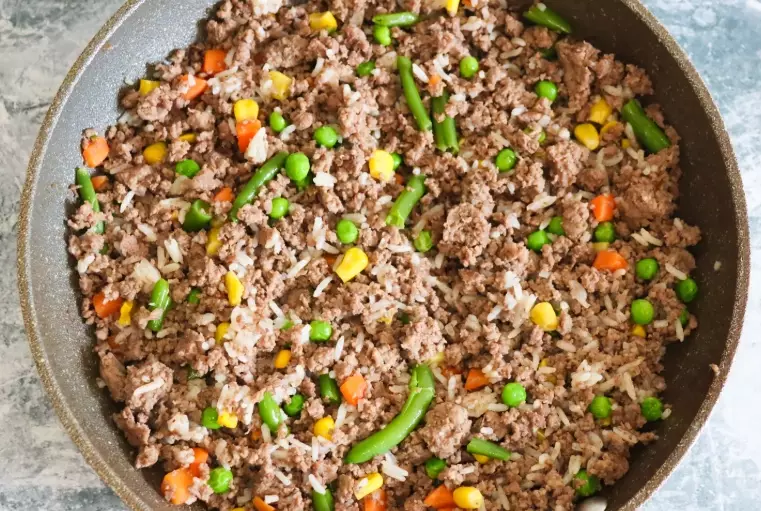
Phase 3: Rotation & Expansion (Month 2 and Beyond)
Once stability is confirmed, start rotating proteins every 2-4 weeks. Swap chicken for turkey, then beef, then fish like sardines or salmon. Rotate veggies too. This "rotation diet" naturally covers a broader nutrient spectrum and minimizes the risk of developing new food sensitivities.
A Reality Check on Cost: A balanced homemade diet is almost always more expensive than kibble. For a 50lb dog, you might spend $2-$4 per day. Be honest with your budget. It's better to do homemade for 50% of meals and use a high-quality commercial food for the rest, than to do 100% homemade poorly.
The 5 Most Common (and Costly) Homemade Diet Mistakes
I've seen these patterns again and again. Avoid them.
| Mistake | Why It's a Problem | The Simple Fix |
|---|---|---|
| 1. The "Chicken and Rice" Forever Diet | Severely deficient in calcium, vitamins, and fatty acids. Leads to weak bones and organ dysfunction. | It's for short-term GI upset only. Never a long-term solution. Follow a complete framework. |
| 2. Guessing on Calcium | Eye-balling or skipping calcium causes metabolic bone disease, especially in puppies and large breeds. | Weigh your meat. Use a precise supplement like eggshell powder or bone meal at the correct ratio. |
| 3. Forgetting Organ Meats | Muscle meat alone lacks Vitamins A, B12, D, and crucial minerals like copper and iron. | Make liver and another organ 10% of the protein portion. Freeze in small portions for easy use. |
| 4. Using Human Multivitamins | Human supplements have different dosages and often contain ingredients like xylitol, which is toxic to dogs. | Invest in a supplement formulated specifically for canine homemade diets. |
| 5. Ignoring Fat Content | Too little fat leads to a dull coat and low energy. Too much can cause pancreatitis. | Aim for a visible amount of fat in the meat. For very lean meats, add a teaspoon of fish oil or olive oil. |
Your Homemade Dog Food Questions, Answered
Moving to a homemade diet is a commitment, a learning process, and one of the most hands-on ways to care for your dog's health. It's not the easiest path, but for many dogs, it's the most rewarding. Start slow, prioritize balance over variety at first, and lean on professional guidance. Your dog's vitality at your own hands is worth every bit of the effort.


Join the Conversation