What You'll Find Inside This Guide
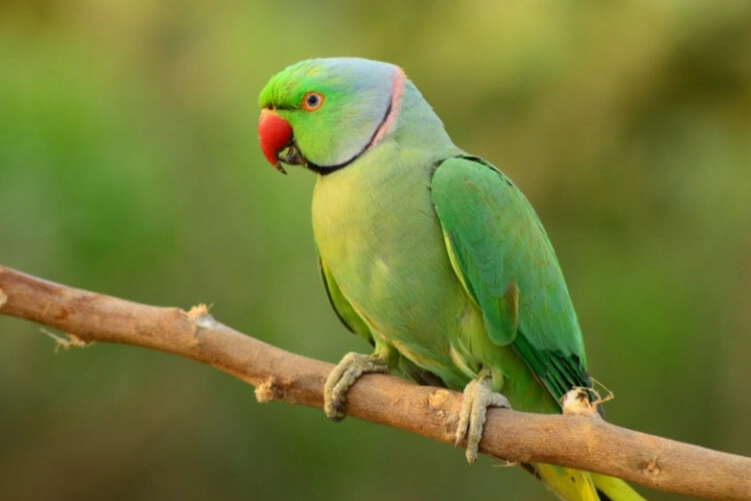
Welcome to the ultimate guide for new parrot owners. This guide is designed to walk you through everything you need to know about caring for your feathered friend. From diet to training, we've got you covered.
Introduction
Bringing a parrot into your home is a long-term commitment that requires dedication and knowledge. These intelligent creatures can live for decades, so it's crucial to get things right from the start. This guide will help you avoid common mistakes and set you up for success.
Diet and Nutrition
Feeding your parrot a balanced diet is the most important aspect of care. Many new owners make the mistake of feeding only seeds, which are high in fat and low in essential nutrients. A proper diet should include:
- High-quality pellets: These should make up about 60% of your bird's diet. Brands like Harrison's and Roudybush are recommended by avian vets.
- Fresh vegetables: Offer a variety daily, including leafy greens, carrots, and peppers.
- Limited fruits: Fruits are high in sugar, so they should be given in moderation.
- Clean water: Change water daily and use a water bottle to prevent contamination.
I remember when I first got my African Grey, I was overwhelmed by the conflicting information online. I made the mistake of feeding too many sunflower seeds, which led to health issues. It took a vet visit and a diet overhaul to get him back on track.
Don't make the same mistake I did.
Housing and Environment
Your parrot's cage is its home. It needs to be spacious, safe, and stimulating. A common error is buying a cage that's too small. The minimum cage size should be at least twice the wingspan of your bird in width, depth, and height.
For larger parrots like Macaws or Cockatoos, you're looking at a cage that's more like an aviary. They need room to move, stretch, and play.
Key features of a good cage:
- Bar spacing appropriate for your bird's size to prevent escape or injury.
- Multiple perches of varying diameters to promote foot health.
- Plenty of toys for mental stimulation.
- Easy access to food and water dishes.
I've seen too many birds in cages that are bare and boring. It's not just about space; it's about enrichment.
Health and Wellness
Regular health checks are vital. Find an avian vet before you even bring your bird home. Annual check-ups can catch issues early, and having a professional relationship established is crucial.
Common signs of illness in parrots include:
- Lethargy or fluffed-up feathers
- Changes in droppings
- Loss of appetite or weight
- Discharge from eyes or nostrils
If you notice any of these signs, don't wait. Contact your vet immediately.
Training and Socialization
Parrots are highly social and intelligent. They need interaction and mental stimulation to thrive. Training isn't just about teaching tricks; it's about building trust and communication.
Start with simple commands like "step up" or "come here." Use positive reinforcement like treats or praise. Never punish your bird; it destroys trust.
Socialization means exposing your bird to different people, environments, and experiences in a controlled and positive way. A well-socialized bird is less likely to develop behavioral issues like screaming or feather plucking.



Join the Conversation