Quick Guide
- The Core of a Parrot's Diet: It's Not What You Think
- The Real Crowd-Pleasers: Fruits & Veggies (The Top Tier)
- Beyond Produce: The Protein and Healthy Fat Squad
- The 'Absolutely Never' List: Foods That Can Kill
- How to Actually Get Your Parrot to Eat the Good Stuff
- Species-Specific Twists on Favorite Foods
- The Daily Meal Plan: Putting It All Together
- Final Thoughts: It's a Journey, Not a Quiz
You know that feeling when your parrot gives you the side-eye for the tenth time, completely ignoring the expensive pellet mix you just bought? Yeah, me too. I've been there, staring at a bowl of untouched food, wondering what on earth these feathered divos actually want to eat. The question "What are parrots favorite food?" isn't just about spoiling them—it's the core of keeping them healthy, happy, and squawking with joy for years.
I remember when I first got my African Grey, Mango. I thought I was doing great with a seed mix from the pet store. Big mistake. He picked out all the sunflower seeds (of course) and left the rest. His feathers lost some shine, and he seemed less playful. That's when I dove headfirst into the world of avian nutrition, talked to breeders, vets, and made my own mistakes. Turns out, a parrot's favorite food isn't one single thing. It's a whole colorful, crunchy, sometimes messy spectrum. And getting it wrong can have real consequences.
Here's the truth bomb right at the start: If you're asking "what are parrots favorite food," you need to think beyond "favorite" in the human sense of chocolate or pizza. For parrots, their ultimate favorite foods should be the ones that make up a balanced, species-appropriate diet that keeps them thriving. It's about nutrition first, taste second. But luckily, the healthy stuff can also be the delicious stuff.
The Core of a Parrot's Diet: It's Not What You Think
Let's clear up the biggest myth first. For decades, people thought a bowl of seeds was a complete meal. It's not. Seeds are like junk food for parrots—high in fat, low in vital nutrients like vitamin A and calcium. A seed-only diet is a fast track to liver disease, obesity, and a shortened lifespan. It'd be like us living on potato chips.
The modern understanding, backed by organizations like the Association of Avian Veterinarians (AAV), is that a high-quality, formulated pellet should be the staple, making up about 50-70% of their daily intake. These pellets are designed to be nutritionally complete. Think of them as the main course, the reliable base of every meal.
But here's the catch—most parrots don't naturally flock to pellets if they're used to seeds. The transition requires patience. You mix, you offer, you persist. It's worth it. Once pellets are the base, you can build the exciting, flavorful part of their diet on top of that solid foundation.
The Real Crowd-Pleasers: Fruits & Veggies (The Top Tier)
This is where you get to answer "what are parrots favorite food" with some real color. Fresh vegetables should be the cornerstone of the fresh food portion of their diet. Fruits are treats—sweet, delicious, but often sugary.
The Ultimate Parrot Veggie Hit List: These are almost universally loved and packed with nutrients. Offer them daily, raw or lightly steamed (some birds prefer the softer texture).
- Sweet Potato & Carrots: Beta-carotene powerhouses. Cook them until soft but not mushy. The sweet flavor is a major win.
- Broccoli & Cauliflower: The florets and stems. Great for chewing. Some birds love the tiny "trees."
- Leafy Greens: Kale, Swiss chard, collard greens, dandelion greens (untreated!). Chop them up or offer a big leaf to shred.
- Bell Peppers: All colors! The seeds and flesh are both safe and fun to demolish. Red and yellow are sweeter.
- Peas & Corn: Fresh or frozen (thawed). My cockatiel would sell his soul for a pea pod to crack open.
Fruits are the weekend dessert. Offer them in smaller quantities, a few times a week.
Parrot-Approved Fruit Favorites:
- Berries: Blueberries, raspberries, strawberries. Small, antioxidant-rich, and perfect for foraging.
- Melons: Cantaloupe, honeydew, watermelon (with seeds removed). High water content, very refreshing.
- Papaya & Mango: Tropical birds go nuts for these. Remove the pit and offer small cubes. The enzymes can be beneficial.
- Pomegranate: A foraging masterpiece. They love picking out the juicy arils.
- Apple & Pears: Always, always remove the seeds first, as they contain traces of cyanide. The flesh is perfectly safe and crunchy.
Beyond Produce: The Protein and Healthy Fat Squad
Parrots aren't just fruit and veggie machines. In the wild, they'd consume insects, nuts, and even some meat occasionally. We need to mimic that balance.
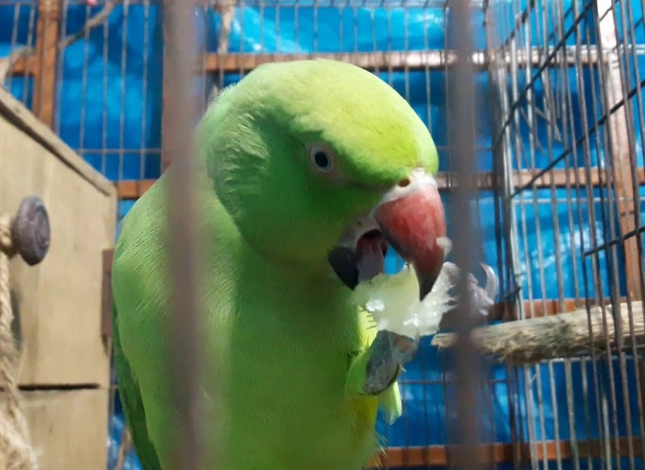
Cooked Legumes & Grains: Cooked beans (like kidney, black, pinto—never raw!), lentils, quinoa, and brown rice are fantastic sources of plant-based protein and fiber. Make a big batch and freeze it in portions.
Nuts & Seeds (The Right Way): Yes, we said seeds are bad as a staple. But as occasional, high-value treats and training tools, they're brilliant. Think of them as the $20 bill in their foraging toy. Almonds, walnuts, pecans, and pumpkin seeds (in-shell for extra work) are great. Just one or two a day for a medium-sized parrot is plenty.
Cooked Eggs & Chicken: This one surprises some people. A bit of hard-boiled egg (with shell crushed for calcium) or plain, cooked chicken breast is an excellent source of animal protein, especially important during molting or breeding seasons. My Amazons get a little scrambled egg (no butter or salt) once a week and they act like it's Christmas.
The "Absolutely Never" List: Foods That Can Kill
This is the most critical part of answering "what are parrots favorite food"—knowing what can never, ever be on the menu. Their metabolism is incredibly sensitive. Even small amounts of these can be toxic.
POISON. BANNED. DO NOT FEED. Commit this list to memory and make sure everyone in your household knows it.
| Food Item | Why It's Dangerous | Potential Consequences |
|---|---|---|
| Avocado | Contains persin, a fungicidal toxin. | Heart damage, respiratory distress, sudden death. |
| Chocolate & Caffeine | Contains theobromine and caffeine (methylxanthines). | Vomiting, diarrhea, hyperactivity, cardiac arrest. |
| Onions & Garlic | Contains thiosulphate, which damages red blood cells. | Hemolytic anemia (destruction of red blood cells), weakness. |
| Alcohol | Extremely toxic to their small liver and nervous system. | Depression, lack of coordination, organ failure. |
| Xylitol (Artificial Sweetener) | Causes a rapid insulin release in many animals. | Hypoglycemia (low blood sugar), liver failure. |
| Salty, Sugary, or Fatty Human Junk Food | Their bodies can't process high levels of salt, sugar, or unhealthy fats. | Obesity, heart disease, diabetes, behavioral issues. |
| Fruit Pits & Apple Seeds | Contain cyanogenic glycosides (trace amounts of cyanide). | Respiratory failure. Always remove pits from peaches, plums, cherries, etc. |
See, it's not just about finding their favorite food; it's about vigilantly keeping the dangerous ones away. A resource like the MSPCA-Angell or the World Parrot Trust has great lists of toxic items if you want to dive deeper.
How to Actually Get Your Parrot to Eat the Good Stuff
Knowing what to feed is half the battle. The other half is convincing your feathered overlord to actually eat it. Parrots are naturally suspicious of new foods (neophobia).
Strategies That Actually Work (Most of the Time)
Eat It Yourself (Dramatically): Seriously. Sit with your bird and make a huge show of eating the broccoli or sweet potato. "Mmm! So good!" They are flock animals and learn by mimicking. If you're eating it, it must be safe and delicious.
Presentation is Everything: Chop veggies into different sizes and shapes. Skewer them on a stainless-steel kabob. Hang big leafy greens from the cage top. Mix colors together. A boring bowl of chopped stuff is easy to ignore. A foraging toy stuffed with goodies is an exciting challenge.
Start Young & Be Patient: If you have a baby parrot, introduce a huge variety immediately. For older birds, it can take 10-20 presentations of a new food before they even taste it. Don't give up after two tries.
The Hunger Trick (Use Carefully): Offer the new healthy foods in the morning when they're hungriest. Remove other favorite foods (like seeds) for a few hours to encourage exploration. Never starve your bird, but a little strategic timing helps.
Species-Specific Twists on Favorite Foods
While the core principles apply to all parrots, some species have particular leans. A one-size-fits-all answer to "what are parrots favorite food" doesn't capture the nuance.
African Greys & Cockatoos: Often love their veggies and grains. They can be picky but appreciate complex textures. My Grey adores cooked quinoa mixed with tiny diced veggies.
Macaws: Big beaks need big jobs. They love whole nuts in the shell, large chunks of sweet potato, and corn on the cob. The destructive chewing is part of the fun for them.
Budgies & Cockatiels (Small Parrots): Can be more seed-addicted. Finely chop veggies or grate them. Sprouted seeds (millet, canary seed) are a fantastic, healthier transition food from dry seeds. They often go crazy for spray millet (use as a high-value treat).
Eclectus Parrots: A special note here. They have unusually long digestive tracts and are prone to vitamin over-supplementation. Many experts, including resources from the Parrot Society, recommend a diet higher in fresh foods and soaked/ sprouted legumes and lower in synthetic vitamins (like those in some pellets). Consult an avian vet for an Eclectus-specific plan.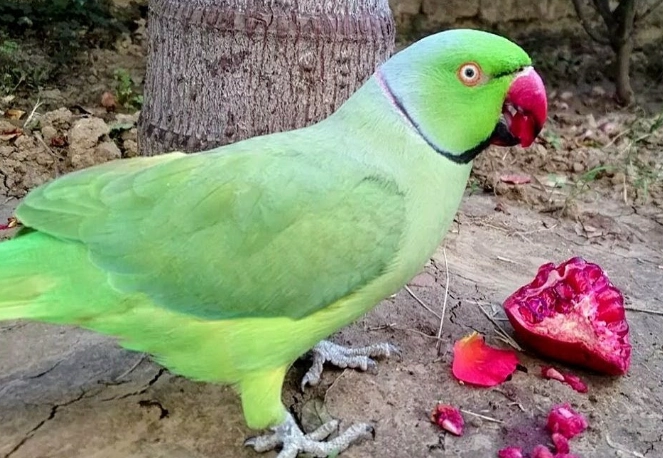
The Daily Meal Plan: Putting It All Together
Let's get practical. What does a day of answering "what are parrots favorite food" look like in a bowl?
Morning: A dish of high-quality pellets, always available. Alongside it, a fresh chop. This is a pre-made mix of finely chopped veggies, legumes, and grains. A typical chop might have: chopped broccoli, grated carrot, diced bell pepper, cooked quinoa, and a few peas. Make a batch weekly and freeze it.
Late Afternoon/Evening: Remove any uneaten fresh chop (to prevent spoilage). You can offer a small piece of fruit as a snack or a single nut in a foraging toy.
Weekly/Bi-weekly: Offer a cooked food treat—a spoonful of mashed sweet potato, a bit of scrambled egg, or a cooked bean mix.
Answering Your Burning Questions (FAQ)
Final Thoughts: It's a Journey, Not a Quiz
Asking "what are parrots favorite food" is the first, best step you can take as a parrot owner. It shows you care about more than just filling a bowl. The answer isn't a simple list; it's a framework of staples, fresh additions, strategic treats, and absolute bans.
You'll have wins (the first time they devour a piece of kale) and setbacks (the bowl of expensive organic blueberries flung to the cage floor). That's normal. The goal is a trend toward better nutrition over time.
Invest in a good pellet. Spend time prepping a weekly veggie chop. Learn their individual quirks—maybe your bird hates grapes but loves pomegranate. Use that knowledge. And for heaven's sake, keep the avocado guacamole far, far away.
When you see your parrot active, playful, with vibrant feathers and a curious mind, you'll know you've figured out their true favorite food: a diet that lets them live their very best, longest life. And honestly, that's the only answer that really matters.
Join the Conversation