Guide Overview
So you're thinking about getting a hamster? That's awesome. But hold on a second. Before you rush to the pet store, there's one crucial decision you need to make, and it's a bigger deal than most first-time owners realize. You need to pick the right hamster breed type. It's not just about choosing the cutest one in the cage (they're all cute, let's be honest). It's about matching a living creature's needs and personality to your lifestyle.
I learned this the hard way. My first hamster was a complete mismatch. I thought all hamsters were basically the same – tiny, fluffy, ran on a wheel. I was wrong. The experience taught me that understanding the different types of hamsters is the single most important step to being a good hamster owner. Get it wrong, and you might end up with a stressed pet and a frustrated you. Get it right, and you'll have a delightful little companion for years.
This guide is here to make sure you get it right. We're going to break down all the common hamster breed types you'll find as pets, dig into their quirks, their needs, and who they're best suited for. No fluff, just the facts you need to make a smart choice.
The Big Five: Meet the Popular Pet Hamster Species
Let's meet the contenders. While there are over 20 species of hamsters in the wild, only a handful have become mainstream pets. Their differences go far beyond just size and color. We're talking about fundamental differences in behavior, social needs, and care requirements.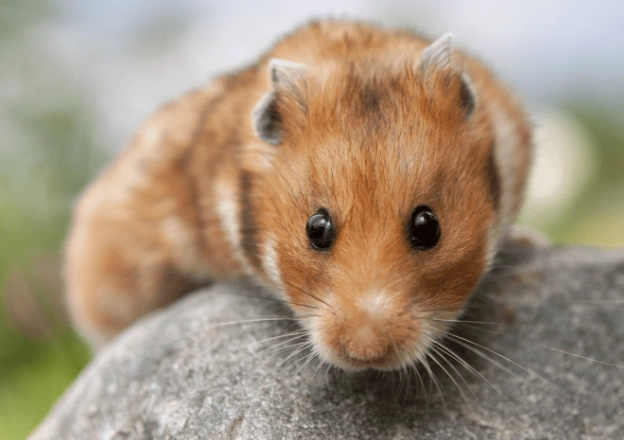
Here’s a quick snapshot to get us started. This table compares the core stats of the main hamster breed types you need to know about.
| Breed Name (Species) | Also Known As | Adult Size | Average Lifespan | Key Temperament Trait |
|---|---|---|---|---|
| Syrian Hamster | Golden Hamster, Teddy Bear Hamster | 5-7 inches (13-18 cm) | 2-3 years | Solitary & Docile |
| Campbell's Dwarf Hamster | Russian Dwarf Hamster | 3-4 inches (8-10 cm) | 1.5-2 years | Active & Social (with same species) |
| Winter White Dwarf Hamster | Djungarian Hamster, Siberian Hamster | 3-4 inches (8-10 cm) | 1.5-2 years | Gentle & Curious |
| Roborovski Dwarf Hamster | Robo Hamster, Desert Hamster | 1.5-2 inches (4-5 cm) | 3-3.5 years | Hyperactive & Skittish |
| Chinese Hamster | Rat-tailed Hamster, Striped Hamster | 4-5 inches (10-13 cm) | 2-3 years | Agile & Independent |
See? Already some big differences, especially in size and lifespan. A Roborovski is tiny and can live a surprisingly long time, while a Campbell's Dwarf is on the shorter end. Now, let's get to know each one personally.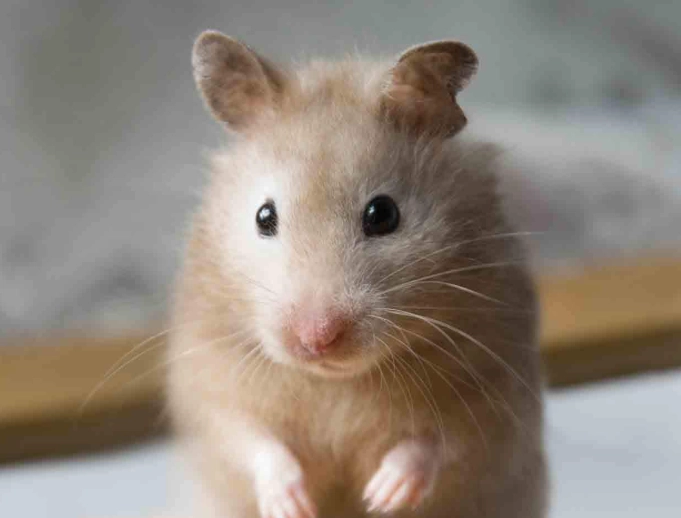
The Solo Star: Syrian Hamster (Mesocricetus auratus)
This is the classic hamster, the one you probably picture first. The Syrian is the big, fluffy teddy bear of the hamster world. They were the first species to be widely domesticated as pets, and for good reason.
What they're like: Syrians are generally the most easy-going and handleable of all the hamster breeds. They tend to be calmer, more inclined to sit in your hand (once they trust you), and their larger size makes them less fragile and easier for kids (with supervision) to interact with. They come in a stunning array of colors and coat types – short-haired, long-haired ("teddy bear"), satin, even rex.
Care specifics: Because they're bigger, they need a bigger home. The old plastic "critter trail" cages are universally considered too small. Experts now recommend a minimum of 450 square inches of unbroken floor space, with many owners opting for large fish tanks or modular bin cages. They need a big wheel (at least 8-10 inches in diameter) to prevent back curvature.
Syrian Hamster: The Good and The Not-So-Good
The Pros: Often the most personable and tolerant of handling. Larger size is less intimidating and easier to hold. Huge variety in looks. Generally hearty and robust. Their solitary nature means you only need to buy/budget for one setup.
The Cons: Require significantly more space (bigger cage, bigger wheel, bigger everything). Can be prone to "cage aggression" if their space is too small. Some long-haired varieties require occasional gentle grooming to prevent matting. Absolutely cannot have cage mates.
I made the mistake of putting two young Syrian sisters together, thinking they'd be friends. It was fine for a month. Then one night, the chasing started. I had to emergency-separate them. It was stressful for everyone involved. Learn from my error.
The Dynamic Duo (Sometimes): Campbell's & Winter White Dwarfs
This is where things get interesting and where a lot of confusion lies. Campbell's Dwarf (*Phodopus campbelli*) and Winter White Dwarf (*Phodopus sungorus*) are two distinct species, but they look very similar and are often mislabeled in pet stores. They're sometimes even hybridized. However, they have subtle differences.
Campbell's Dwarf: The more common of the two in pet shops. They have a rounder face, smaller ears, and a distinct dark dorsal stripe. Their base color is often more of a greyish-brown. Temperament-wise, they can be a bit more energetic and occasionally nippy if not tamed regularly. They are incredibly fast and love to explore.
Winter White Dwarf: Named for their amazing ability to molt into a mostly white coat in winter (though this rarely happens in captivity due to consistent light and temperature). They have a more pronounced egg-shaped body, a slightly narrower dorsal stripe, and their fur often has a silvery quality. In my experience, they tend to be slightly more gentle and curious than Campbell's, but individual personality varies wildly.
The Social Question: This is the biggest draw for many. Unlike Syrians, these dwarf hamster breed types can sometimes live in same-sex pairs or small groups – but only if they are littermates raised together from a very young age. Even then, it's not a guarantee. You must be prepared with a second, identical cage setup in case they fall out and start fighting. I generally advise new owners to house them singly to avoid any risk. The myth of the "happy hamster pair" can lead to trouble.
They need a wheel with a solid running surface (at least 6.5 inches) and plenty of tunnels and hideouts. Their small size means they can escape through tiny bar spacings, so cage choice is critical.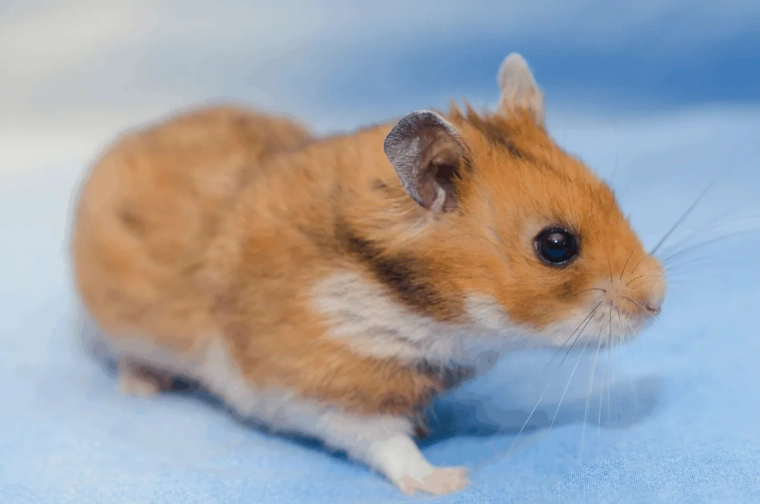
The Speedy Blur: Roborovski Dwarf Hamster (Phodopus roborovskii)
Meet the hyperactive, caffeine-free espresso shot of the hamster world. Robos are the smallest and fastest of all pet hamster breeds. They are unbelievably cute, with sandy-colored fur, white "eyebrows," and no dorsal stripe.
What they're like: Don't get a Robo expecting a cuddly lap pet. They are primarily watch-and-enjoy animals. They are incredibly skittish, lightning-fast, and notoriously difficult to tame. Taming requires immense patience, and even then, most will never truly enjoy being held. They are fascinating to observe, however. Their social structure is more complex, and they often do very well in same-sex pairs or groups (again, littermates introduced young). Watching a group of Robos interact, burrow, and run is like watching a tiny, furry documentary.
Care specifics: Their extreme speed and small size demand escape-proof housing. A deep layer of sand (chinchilla bath sand) is a great addition to their bedding for digging and rolling. Their wheel must have a solid surface and be large enough (at least 6.5 inches) for their sprinting. Because they are less handleable, ensuring their enclosure is a paradise of enrichment is key to their welfare.
The Agile Climber: Chinese Hamster (Cricetulus griseus)
The Chinese hamster is a bit of an outlier. It's technically not a "dwarf" species, but it's smaller than a Syrian. It has a much more mouse-like body shape – longer, thinner, and with a notably longer, almost prehensile tail (though still very short compared to a mouse).
What they're like: Chinese hamsters are intelligent, agile climbers, and can be quite independent. They are generally more timid than Syrians but can be tamed with consistent, gentle effort. They are solitary animals and should be housed alone. Their unique body shape means they are excellent climbers, but this also means they can be master escape artists, able to shimmy up cage bars and squeeze through openings you'd think are impossible.
They are less commonly found in pet stores, so you might need to seek out a specialist breeder. In some regions, they are regulated similarly to wild mice due to their potential as an agricultural pest, so check local laws.
Their care is similar to Syrian hamsters in terms of solitude and space requirements, but you must pay extra attention to cage security. They appreciate more vertical elements like safe branches and ropes to climb on.
How to Choose Your Hamster Breed Type: It's More Than Just Color
Okay, you've met the candidates. Now, how do you pick? Stop looking at the colors for a second. Ask yourself these questions instead.
- What's your experience level? If you're a first-time owner, a Syrian is often the most forgiving choice due to their generally calmer demeanor and ease of handling. Roborovski hamsters are firmly in the "experienced owner" category.
- Who is the hamster for? For a child (with adult supervision and primary care), a Syrian is usually the best bet. The smaller, faster dwarfs and Chinese hamsters can be too fragile and quick for little hands, leading to escapes or drops.
- What are your expectations? Do you dream of a pet you can hold and interact with? Syrian or a tamed dwarf. Do you want a fascinating ecosystem to watch? A pair of Robos or a single dwarf in a heavily enriched tank might be perfect.
- How much space can you commit? All hamsters need spacious cages, but a Syrian's requirements are the largest. Do you have room for a 40-gallon breeder tank or a similarly sized bin cage?
- What's your budget? While purchase price is similar, ongoing costs differ. A Syrian needs more bedding, a bigger wheel, and more food. All need an emergency vet fund, but exotic vets can be pricey.
Think of it as matching energy levels. Are you a calm, patient person who wants a buddy to chill with? Or are you okay with a pet that's more of a mesmerizing living art installation?
Common Questions About Hamster Breed Types (Answered)

Final Thoughts: It's About Commitment, Not Just Cuteness
Choosing among the different hamster breed types is the first and most significant commitment you make to your future pet. It sets the stage for everything that follows – the size of the cage, the type of interaction, the daily routine.
My biggest piece of advice? Don't buy on impulse from a pet store. Do your research first (you're doing it now!). If possible, look for ethical breeders or small animal rescues where the animals are often better socialized and their lineage (and thus, true species) is known. A pet store "Russian Dwarf" could be a Campbell's, a Winter White, or a mix.
Remember, you're choosing a living being that will rely on you for its entire life, which, while short to us, is their whole world. Picking the right type of hamster that fits your life isn't just smart; it's the foundation of a rewarding relationship for both of you. Get this choice right, and you're on your way to being a fantastic hamster owner.
Good luck! And when you bring your new friend home, give them a few days of peace to settle in before you start trying to interact. A little patience goes a long way in the hamster world.



Join the Conversation