So, you're thinking about getting a snake. Maybe you saw a gorgeous corn snake at an expo, or a friend has a ball python that's just so calm. It's an exciting idea—a pet that's quiet, doesn't need walks, and has a certain majestic appeal. But hold on. Bringing a snake home isn't like getting a hamster. It's a 10, 20, sometimes 30-year commitment to an animal with very specific, non-negotiable needs. I've been keeping reptiles for over a decade, and I've seen the same mistakes made again and again. This isn't meant to scare you off. It's to make sure you and your future snake thrive. Let's cut through the noise and talk about what actually matters.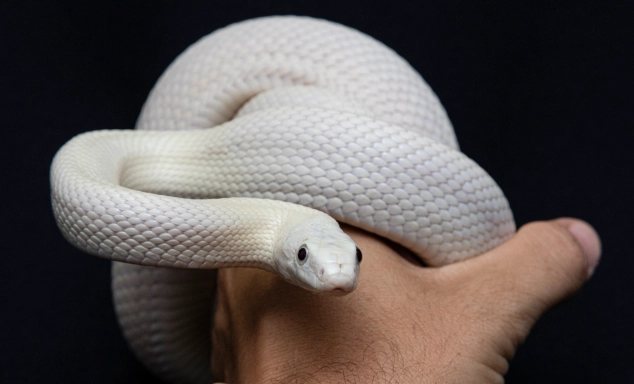
Your Quick Navigation Guide
The Real Commitment (And Cost)
First, let's talk lifespan and money. A common king snake or corn snake can live 15-20 years. A ball python? 20-30 years easily. You're signing up for a pet that might outlive your car, your job, maybe even your current relationship. This is a long-term roommate.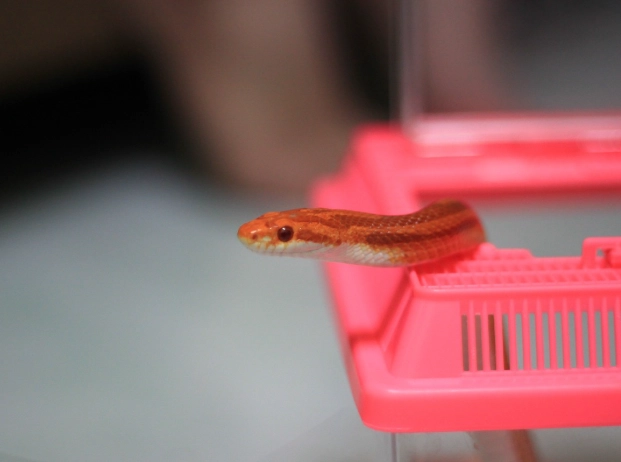
The initial setup is where most people underestimate. It's not just a tank and a heat rock (never use a heat rock, by the way—they cause terrible burns). You're building a complete, controlled environment. Here's a realistic breakdown for a beginner-friendly snake like a corn snake:
- The Enclosure: A 20-gallon long tank is a bare minimum starter for a young snake, but an adult will need a 40-gallon breeder or larger. Front-opening PVC cages are better for heat/humidity but cost more. Budget $100-$300.
- Heating & Lighting: You need a reliable heat source (under-tank heater or ceramic heat emitter) paired with a thermostat—this is non-negotiable to prevent fires and burns. A simple day/night light cycle helps. Budget $80-$150.
- Hides & Substrate: At least two snug hides (one warm side, one cool side), a water bowl, and appropriate bedding like aspen shavings or coconut fiber. Budget $50-$80.
- The Snake Itself: A captive-bred corn snake from a reputable breeder: $50-$150.
We're already at $280 to $680 for the initial setup. Then there are ongoing costs: electricity for the heat, frozen rodents ($2-$5 per feeding), annual vet check-ups (find an exotics vet first—they cost more), and replacing substrate and equipment over time.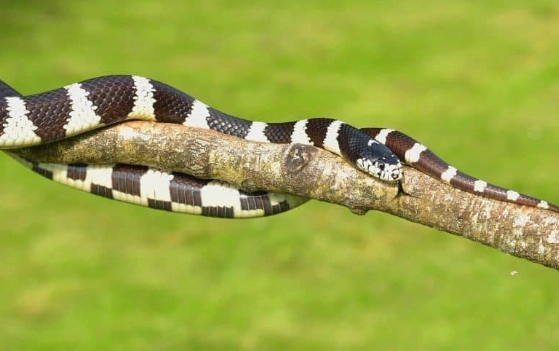
A subtle mistake I see: People focus on the price of the snake and skimp on the enclosure setup. They buy a beautiful $300 morph ball python and put it in a $50 tank with a $10 heat mat and no thermostat. The snake gets stressed, refuses to eat, and develops a respiratory infection. The vet bill is $300. Investing in the right environment first prevents so many problems.
How to Choose the Right Snake for You
Not all snakes are the same. Your lifestyle and experience level should dictate your choice, not just which one looks coolest. Ask yourself: How much space do I have? How comfortable am I feeding frozen/thawed rodents? Do I want a snake I can handle often?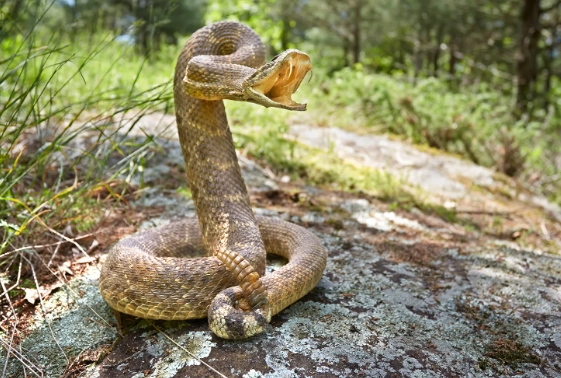
Here’s a comparison of the top three recommended beginner species:
| Species | Adult Size | Temperament | Key Care Need | Good For... |
|---|---|---|---|---|
| Corn Snake | 3-5 feet | Typically very docile, curious, active. | Secure lid (escape artists!), moderate humidity. | First-time owners, frequent handlers. |
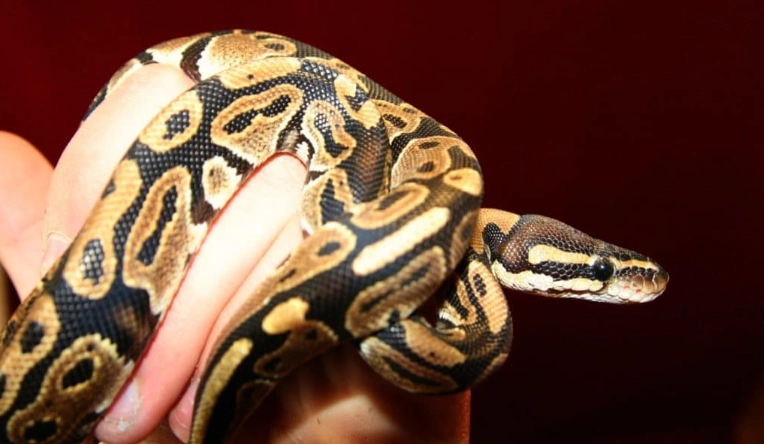
| Ball Python | 3-5 feet | Generally calm, but can be shy; known to "ball up." | Higher humidity (60-70%), precise warm spot (~90°F). | Owners who don't mind occasional fasting, enjoy observing. |
| California Kingsnake | 3-4 feet | Active and bold, great feeders. | Escape-proof enclosure, can be food-aggressive if handled during feeding time. | Owners who want a vigorous eater and an active display animal. |
Where to buy matters. Avoid big-chain pet stores for snakes. Seek out reputable breeders at reptile expos or online through platforms like MorphMarket. A good breeder will provide feeding records, hatch dates, and answer all your questions. You want a captive-bred animal—it's healthier, less stressed, and doesn't deplete wild populations.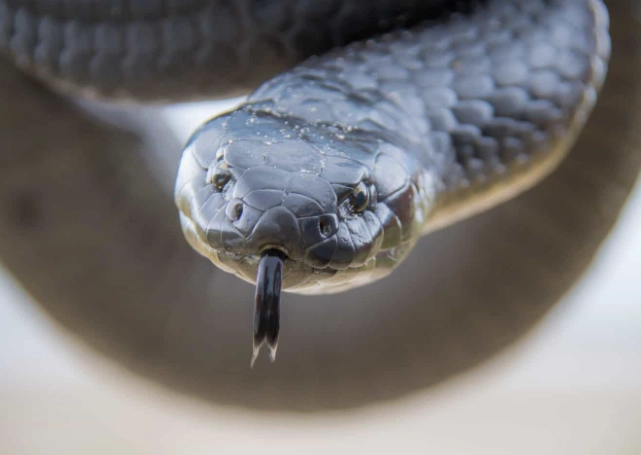
How to Set Up the Perfect Snake Enclosure
Setting up the tank before the snake arrives is crucial. This gives you time to dial in temperature and humidity. Think of it as a bio-secure habitat.
The Non-Negotiables: Heat, Humidity, and Hides
Heat: Snakes are ectothermic. They need an external heat source to digest food and function. You must create a temperature gradient. One end of the tank (the "warm side") should have a surface temperature of 85-90°F for most common species, measured with a digital infrared thermometer. The other end (the "cool side") should be around 75-80°F. The snake moves between them to regulate its body temperature. Use an under-tank heater (UTH) or overhead ceramic heat emitter, always plugged into a thermostat. The thermostat probe should be secured at the warm spot to prevent overheating.
Humidity: This is species-specific and often botched. Too low, and your snake can't shed properly, leading to retained eye caps and skin that can cause infections or cut off circulation. Too high, and you get scale rot or respiratory infections. A corn snake needs 40-50%, a ball python 60-70%. Use a digital hygrometer. Mist the enclosure, provide a humidity box (a plastic container with damp sphagnum moss), or use a deeper substrate that holds moisture.
Hides and Security: A hide isn't just decoration. It's a security blanket. Your snake should fit snugly inside, touching the sides. You need at least two identical hides—one on the warm side, one on the cool side. If you only provide one nice hide on the warm side, the snake may choose security over thermoregulation and stay there, leading to digestive issues.
Feeding and Daily Care: Beyond the Mouse
Feeding day is the big event. Most beginner snakes eat frozen/thawed rodents. It's safer (no risk of the prey fighting back) and more convenient.
The Process: Thaw the frozen rodent in a sealed bag in warm water. Never use a microwave. Use long feeding tongs to offer it. Some snakes prefer it presented head-first, wiggled slightly. Feed in the enclosure. The old advice to feed in a separate tub to avoid "cage aggression" is largely debunked and causes more stress. After feeding, give your snake at least 48 hours of complete privacy to digest.
How often? A young, growing snake might eat every 5-7 days. An adult may eat every 10-14 days. Ball pythons are infamous for going off food for months, especially during winter. It's stressful for a new owner, but often normal if the snake's weight is stable.
Daily care is minimal: check temperatures/humidity, ensure fresh water is available. Spot clean waste as you see it. A full substrate change happens every 4-8 weeks.
Spotting Common Health Problems Early
Snakes hide illness well. You have to be a detective. Here are the big three to watch for:
- Mites: Tiny black or red parasites that look like moving pepper. You'll see them in the water bowl or on your hands after handling. Quarantine new plants or decor, and treat immediately with reptile-safe mite spray—not flea shampoo.
- Respiratory Infection (RI): Signs include wheezing, clicking sounds when breathing, mucus bubbles from the nose or mouth, and holding the head up at an odd angle. Often caused by low temperatures or high humidity. Requires a vet for antibiotics.
- Stuck Shed (Dysecdysis): A bad shed comes off in many pieces, leaving patches, especially over the eyes (retained eye caps). This is almost always a humidity problem. Provide a humidity box and check your hygrometer.
Having a relationship with an exotics vet before you have an emergency is part of responsible ownership. The Association of Reptilian and Amphibian Veterinarians (ARAV) has a find-a-vet tool on their website.



Join the Conversation