It's the phone call every dog owner dreads. You're at work, and your pet sitter says your dog isn't acting right—lethargic, refusing food. Your mind races to the worst possibilities. As someone who's spent years working alongside veterinarians, I've seen the heartbreak firsthand. The shock isn't just in the diagnosis; it's often in the realization that subtle signs were missed for weeks. The most common fatal dog diseases often don't start with a dramatic collapse. They begin with a slight cough that comes and goes, a meal skipped here and there, a little less energy on walks. By the time the symptoms are undeniable, the disease may have a significant head start.
This guide isn't meant to scare you. It's meant to empower you. We'll cut through the vague lists and dive into the specifics of the canine illnesses most likely to claim a dog's life. We'll look at what they really look like day-to-day, the critical treatment windows most owners don't know about, and the practical, often overlooked steps you can take to tilt the odds in your dog's favor.
What You'll Learn in This Guide
The 5 Most Common Fatal Dog Diseases: A Quick Comparison
Before we get into the gritty details, here's a snapshot. This table compares the key aspects of the top contenders. Notice how the early signs are often easy to dismiss.
| Disease | Most Common Early Signs | Typical Age of Onset | Key Factor in Survival |
|---|---|---|---|
| Cancer (e.g., Lymphoma) | Swollen lymph nodes (feel like firm peas under jaw/behind knees), weight loss, lethargy. | Middle-aged to Senior (varies widely) | Speed of diagnosis and type of cancer. Some are very treatable if caught early. |
| Congestive Heart Failure (CHF) | Coughing (especially at night/after resting), reduced stamina, rapid breathing. | Senior (small breeds often earlier) | Management of medication and lifestyle. It's about quality of life extension. |
| Chronic Kidney Disease (CKD) | Increased thirst/urination, subtle weight loss, bad breath (uremic odor). | Senior | Slowing progression through diet and managing secondary issues like hypertension. |
| Parvovirus | Severe lethargy, vomiting, bloody diarrhea (often with a distinctive smell). | Puppies & Unvaccinated Dogs | Aggressive, early veterinary intervention is critical. Hours matter. |
| Leptospirosis | Fever, muscle tenderness, vomiting, increased thirst. Can progress to liver/kidney failure. | Any age, unvaccinated | Early antibiotic treatment before organ damage sets in. |
I remember a case of a young Labrador with leptospirosis. The owner thought it was just a stomach bug. By day three, the dog's eyes were jaundiced. We fought hard, but the kidney damage was too severe. The vaccine existed. That's the part that stays with you.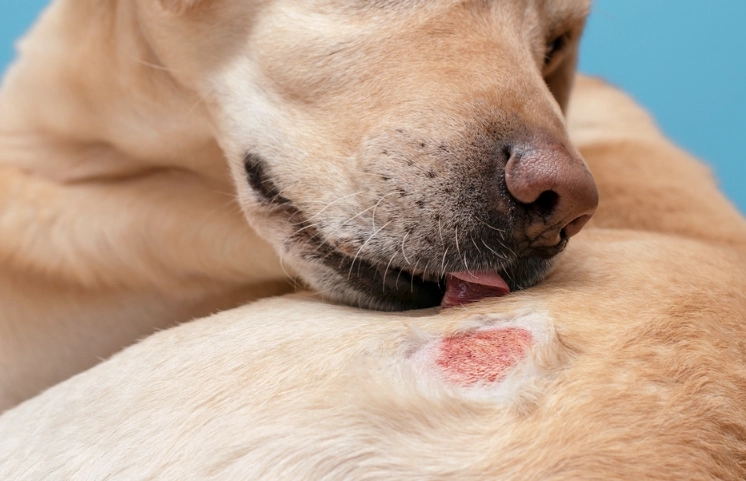
Cancer in Dogs: It's Not One Disease
When we say "cancer," it's like saying "infection"—it covers a vast territory. The American Veterinary Medical Association (AVMA) estimates nearly 1 in 4 dogs will develop neoplasia. But survival rates aren't a single number.
Lymphoma: The Treatable One
Lymphoma often presents with those swollen lymph nodes I mentioned. The good news? It's frequently very responsive to chemotherapy. The bad news? Remission isn't cure. Most protocols aim for a good quality of life for 12-18 months. The cost is significant, and the emotional rollercoaster is real. One subtle point vets don't always emphasize: if you choose chemo, ask about the specific protocol's "rescue" options. Some protocols burn bridges for later treatments if the cancer returns.
Osteosarcoma (Bone Cancer): The Aggressive One
Common in large breeds like Great Danes and Greyhounds. The first sign is often a subtle lameness that doesn't improve with rest. An X-ray usually shows a characteristic "moth-eaten" bone. The standard of care is amputation followed by chemo. Even with that, metastasis to the lungs is common. The survival time post-diagnosis is often measured in months, not years. The decision here is intensely personal and revolves entirely around preserving quality of life for whatever time remains.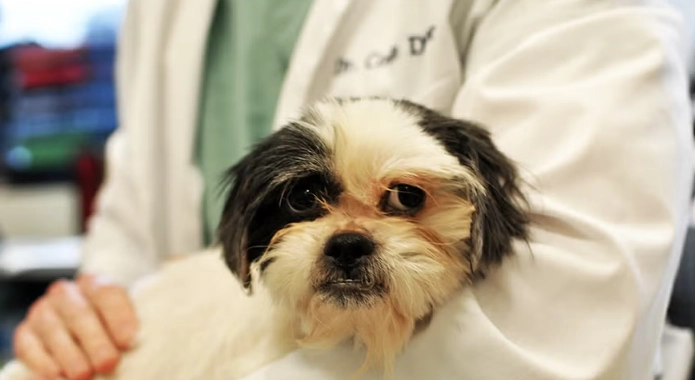
Hemangiosarcoma: The Silent Catastrophe
This is the one that terrifies vets. It's a cancer of blood vessel cells, often starting in the spleen or heart. A dog can seem perfectly fine—running, playing—and then collapse because a tumor on the spleen ruptures, causing massive internal bleeding. There are often zero early signs. Some owners report their dog seemed "a little off" for a day or two. If caught on an ultrasound before a rupture, emergency surgery and chemo can buy some time. But the prognosis is guarded at best.
Congestive Heart Failure: Managing the Inevitable
Valve disease, particularly in small breeds like Cavalier King Charles Spaniels, and dilated cardiomyopathy in large breeds like Dobermans, are the main culprits. CHF isn't the heart stopping; it's the heart failing to pump efficiently, causing fluid to back up into the lungs (pulmonary edema) or abdomen.
The cough is key. It's often a soft, wet cough that happens when the dog lies down or gets up. People mistake it for kennel cough or just "getting old." I've seen dogs put on cough suppressants by well-meaning owners, which only masks the deadly symptom.
Treatment involves a cocktail of drugs: diuretics (like furosemide) to pull fluid off the lungs, pimobendan to help the heart muscle squeeze better, and often an ACE inhibitor. The goal is control, not cure. Success is measured in extra months or years of good life. The hardest conversation is knowing when the medications are no longer keeping pace with the disease—when the dog is coughing despite meds, can't walk across the room without resting, or loses interest in food.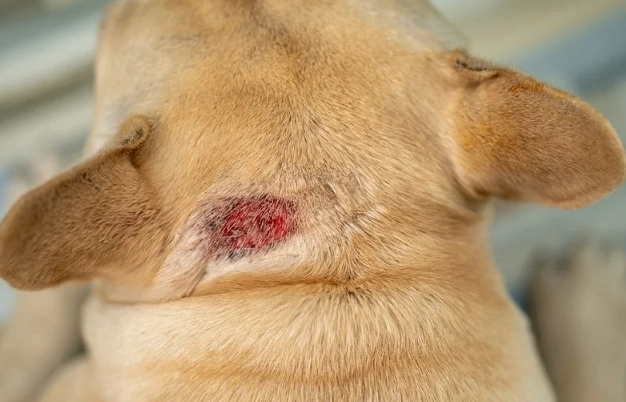
Kidney Failure: The Slow Creep vs. The Sudden Crash
You need to understand the two types, because your response must be different.
Chronic Kidney Disease (CKD) is a gradual, irreversible loss of function. The kidneys are amazing compensators, so by the time bloodwork shows elevated creatinine, about 75% of function is already gone. The early signs are polyuria and polydipsia (PU/PD)—drinking and peeing a ton. Owners might just notice the water bowl is empty faster or there are more puddles on the floor. Management is lifelong: a prescription kidney diet (low phosphorus, high-quality protein), medications for blood pressure and protein loss, and sometimes subcutaneous fluids given at home.
Acute Kidney Injury (AKI) is a sudden shutdown, often from toxins (antifreeze, lilies, certain human medications), severe infection, or shock. This is a dire emergency. The dog becomes acutely ill—vomiting, lethargic, anorexic. Treatment is aggressive IV fluids in a hospital, sometimes for days, to try and flush the kidneys and hope they recover. The survival rate depends entirely on the cause and how quickly treatment starts.
Parvovirus & Leptospirosis: The Vaccination Conversation
These two are grouped because they represent a frustrating category: largely preventable fatal diseases.
Parvovirus attacks the intestinal lining and the immune system. The diarrhea isn't just loose; it's often hemorrhagic and has a specific, sickly-sweet metallic smell that experienced vet techs can recognize. Puppies die from dehydration and septic shock. Treatment is intensive, expensive supportive care: IV fluids, antibiotics, anti-nausea meds, plasma transfusions. The survival rate in a good hospital can be over 90% if treatment begins early. The problem? Owners wait 24 hours thinking it's just a bug. That delay can be fatal.
Leptospirosis is a bacterial disease spread via the urine of wildlife (rats, raccoons). It's zoonotic, meaning you can get it from your dog. The bacteria attack the liver and kidneys. The vaccine is considered a "non-core" vaccine, so some owners skip it. I've heard the debate: "My dog is city-bound, no risk." But rats are everywhere. The vaccine isn't perfect—it covers the most common serovars—but it's vastly better than nothing. The initial symptoms are flu-like, making early diagnosis tricky.
Your Actionable Prevention Strategy
Knowledge is useless without action. Here’s your plan, distilled from watching what works for the dogs that beat the odds.
- Vaccinate Smartly: Follow your vet's core vaccine protocol (DHPP, rabies). Have a frank talk about the leptospirosis vaccine based on your local risk. Don't let your puppy's vaccination schedule lapse.
- Parasite Control, Every Month: Heartworm preventatives are non-negotiable. Heartworm disease is a slow, fatal heart and lung disease that is 100% preventable. Use flea/tick control to reduce disease vectors.
- Know Your Dog's Normal: Weigh your dog monthly. Track water intake. Know their normal gum color (should be pink, not pale or yellow). Notice their energy level and appetite. Write down changes, however small.
- Senior Exams are Not Optional: When your dog hits 7 (sooner for giants), switch to bi-annual vet visits. Ask for a senior blood panel and urine test every year. This is how you catch CKD and early metabolic changes long before symptoms appear.
- Diet Matters, But Be Skeptical: Feed a high-quality, AAFCO-complete diet. Be wary of extreme fads. For large-breed puppies, control growth to reduce future joint and bone cancer risks. Obesity is a major contributor to chronic disease.
The common thread? A partnership with a veterinarian you trust. Don't just go for shots. Have conversations.

Join the Conversation