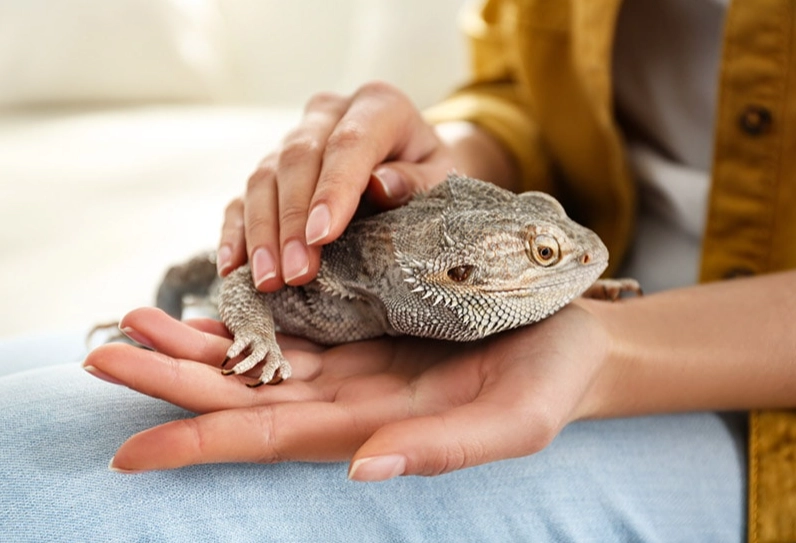
Let's cut straight to the point. You must wash your hands with soap and water after handling your bearded dragon or touching anything in its enclosure because of the very real risk of salmonella infection. This isn't a maybe, it's a must. Bearded dragons, like many other reptiles, can carry Salmonella bacteria in their digestive tracts without showing any signs of illness themselves. These bacteria are then shed in their droppings. When you touch your dragon, its habitat, its food, or anything it's crawled over, you can pick up these microscopic hitchhikers on your hands. If you then touch your mouth, prepare food, or handle a baby's bottle without washing up first, you risk ingesting the bacteria and getting seriously sick. This guide isn't about scaring you away from your pet; it's about giving you the facts and the simple routines to enjoy your scaly friend safely for years to come.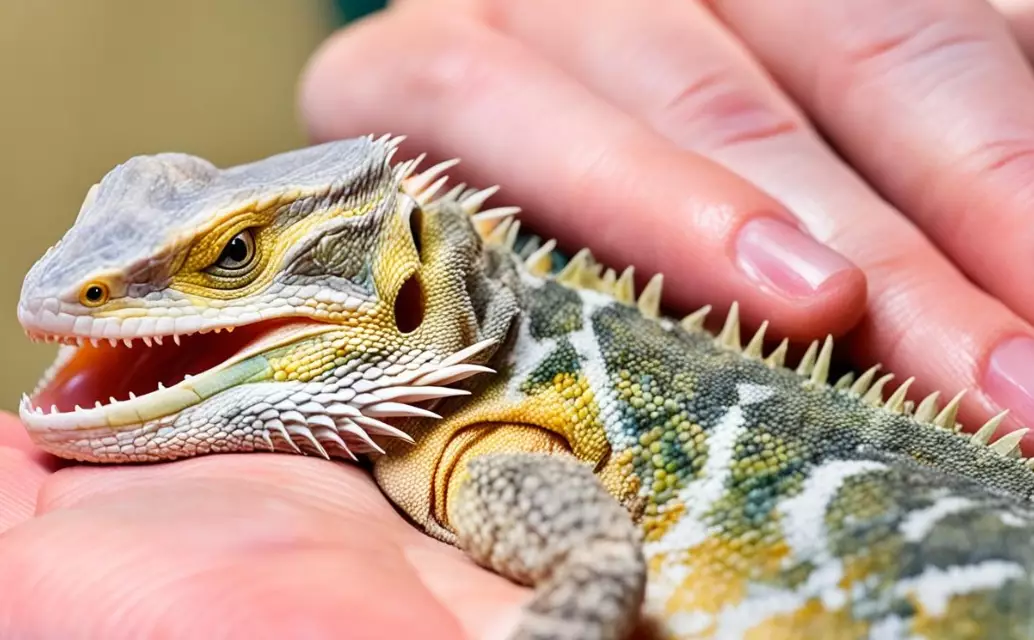
Quick Guide to Bearded Dragon Hand Hygiene
The Salmonella Risk: Why Bearded Dragons Can Make You Sick
I've been keeping reptiles for over a decade, and the number one mistake I see new owners make is underestimating this. They think, "My dragon is clean, I keep its tank spotless, so what's the issue?" The issue is invisible. Salmonella is a type of bacteria that's perfectly normal in a bearded dragon's gut flora. It doesn't harm them. The problem starts when that bacteria leaves the dragon and finds its way to a human host.
The primary mode of transmission is the fecal-oral route. Sounds gross, but it's the truth. Tiny, invisible particles from your dragon's feces can get on its skin, on the branches in its tank, on your hands when you pick it up, and even in the water dish. A study cited by the Centers for Disease Control and Prevention (CDC) consistently links reptile and amphibian contact to salmonellosis outbreaks, especially in children. The bacteria are tough and can survive on surfaces for quite a while.
The symptoms of a salmonella infection (salmonellosis) are no joke. They typically include:
- Diarrhea (often severe)
- Fever
- Abdominal cramps
- Vomiting
These can start 6 hours to 6 days after exposure and last 4 to 7 days. For most healthy adults, it's a miserable week. But for high-risk groups, it can be life-threatening, leading to hospitalization from severe dehydration or the infection spreading to the bloodstream. I had a friend, a fellow breeder, who ended up in the ER because he got lax about washing up after a long day of cleaning multiple enclosures. It was a harsh reminder.
| High-Risk Individuals | Why They're at Greater Risk |
|---|---|
| Children under 5 years old | Immature immune systems, more likely to put hands and objects in their mouths. |
| Adults over 65 | Weakening immune systems, often with other health conditions. |
| Pregnant women | Immune system changes, risk to the fetus. |
| People with compromised immune systems (e.g., from cancer treatment, HIV, organ transplants) | Bodies are less able to fight off infections. |
Here's a subtle point most care sheets miss: stress can increase bacterial shedding. If your dragon is stressed from a recent move, a vet visit, or even just being handled more than it likes, it may shed more salmonella in its droppings. So, that "cuddly" session might ironically be a higher-risk time if you're not careful.
How to Properly Wash Your Hands After Handling Your Bearded Dragon
Hand sanitizer is not enough. Let me repeat that, because it's crucial. Alcohol-based hand sanitizers do not effectively kill all types of germs, and they are particularly less effective against some pathogens like Cryptosporidium (another potential reptile-borne bug) and don't physically remove debris and bacteria like soap and running water do. The CDC and the Association of Reptilian and Amphibian Veterinarians (ARAV) are clear on this: soap and water is the gold standard.
Here's the drill, every single time:
The Non-Negotiable Post-Dragon Handwash
1. Go Straight to the Sink. Don't touch your face, your phone, the fridge handle, or your kid on the way. Make a beeline for the bathroom or kitchen.
2. Use Warm Water and Plenty of Soap. The temperature helps lift oils from your skin where bacteria can hide. Any soap works—it doesn't need to be antibacterial. The mechanical action is key.
3. Scrub for at Least 20 Seconds. This is longer than you think. Sing "Happy Birthday" twice. Scrub the backs of your hands, between your fingers, and under your nails. This last one is vital—bacteria love to hide under fingernails.
4. Rinse Thoroughly. Let the running water carry the soap and loosened germs down the drain.
5. Dry with a Clean Towel or Paper Towel. If you're using a hand towel in a shared bathroom, make sure it's fresh. A paper towel is often the safest bet to avoid re-contamination.
This routine applies not just after holding your dragon, but after any contact with its world: cleaning the tank, changing the water, handling its food (especially live insects or fresh veggies), or even just moving a decoration. I treat the entire reptile room as a "wash your hands after" zone.
Beyond Handwashing: How to Minimize Salmonella Risk in Your Home
Handwashing is your primary defense, but a layered approach is smarter. Think of it like securing your house—you lock the doors (handwashing), but you also close the windows and maybe get an alarm.
Designate a "Reptile Zone." If possible, keep your bearded dragon's enclosure in a room that isn't a kitchen, dining room, or bathroom. A spare bedroom, office, or finished basement is ideal. This physically contains the risk. Never clean tanks, dishes, or decorations in the kitchen sink or bathtub. Use a dedicated plastic tub or a utility sink.
Supervise Interactions, Especially with Kids. Kids adore bearded dragons, and that's wonderful. But an adult must be present to ensure no face-touching, no kissing the lizard (yes, it happens!), and to escort the child directly to wash hands afterward. Make it a fun, non-negotiable part of the "dragon time" ritual.
Keep the Habitat Clean. A cleaner tank means fewer bacteria in the environment. Spot-clean feces daily. Do a deep-clean of the entire enclosure and all furnishings with a reptile-safe disinfectant (like those diluted chlorhexidine or F10SC solutions) on a regular schedule. Always wash your hands after cleaning, even if you wore gloves.
Be Smart About Cross-Contamination. Have a specific set of tools (tongs, feeding dishes, cleaning brushes) just for your dragon. Don't use them for anything else. Store them separately. When you handle feeder insects, wash your hands afterwards too—the insect gut can also harbor pathogens.
I learned this the hard way early on. I used the same sponge to wipe down a tank ledge and later my kitchen counter. Nothing happened that time, but the sheer stupidity of it hit me later. Now, my reptile supplies live in a separate, clearly marked bucket.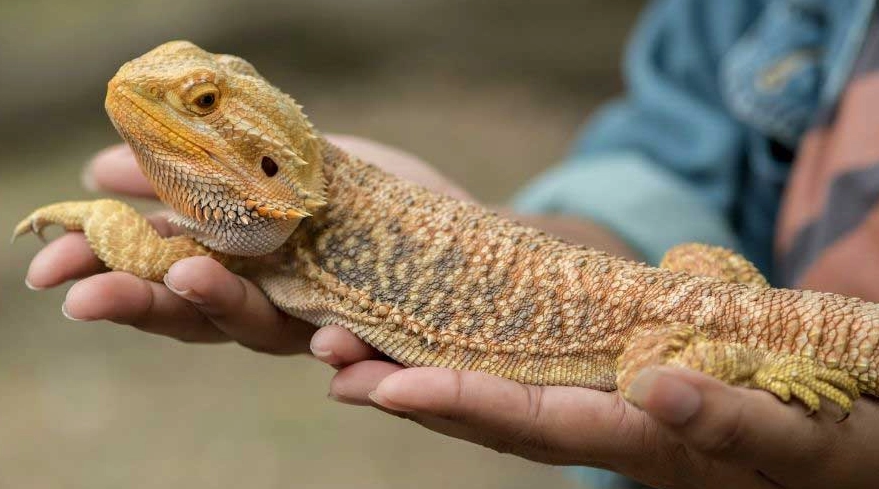
Your Bearded Dragon Hygiene Questions Answered
My bearded dragon looks and smells clean. Do I still need to wash my hands?
Can I use hand sanitizer instead of soap and water if I'm not near a sink?
Should I get my bearded dragon tested for salmonella?
What if I only touched the outside of the tank or a decoration?
Are some bearded dragons "safer" than others?
The bottom line is simple. Washing your hands with soap and water after touching your bearded dragon isn't a suggestion born from paranoia; it's a basic, evidence-based public health practice. It protects you, your family, and lets you enjoy the incredible experience of keeping one of these amazing reptiles without unnecessary worry. It takes 20 seconds. Just do it.




Join the Conversation