You're holding a spray bottle and a grimy cage tray, wondering if that bottle of Dawn under your sink is a shortcut or a serious mistake. It's a question that pops up in every bird owner's forum: Is Dawn dish soap safe for cleaning bird cages? The short answer is yes, but with a massive, non-negotiable asterisk. Used incorrectly, it can be harmful. Used correctly, it's a powerful tool. I've been keeping birds for over a decade, and I've seen the good, the bad, and the ugly when it comes to cage hygiene. Let's cut through the noise and get to the facts.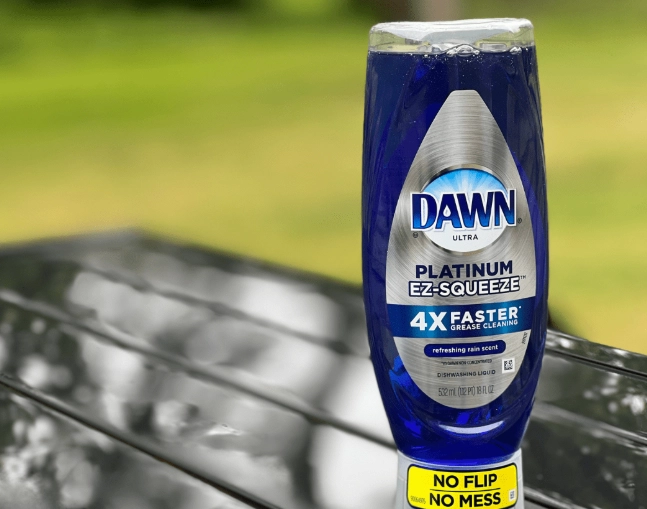
What You'll Find in This Guide
Why Cleaning a Bird Cage is a Different Beast
You can't treat a bird cage like a kitchen counter. Birds have a respiratory system that's incredibly efficient and incredibly fragile. According to the Association of Avian Veterinarians, birds are susceptible to airborne toxins because of their unique air sac system. Fumes we barely notice can accumulate and cause serious harm to them.
Then there's the preening. A bird will run its beak over every bar, every toy, every food dish. Any chemical residue left behind doesn't just sit there; it ends up inside your bird.
The goal isn't just a cage that looks clean. It's a cage that is biologically safe for a creature that weighs a few ounces and has a metabolism like a hummingbird on espresso.
The Straight Talk on Dawn Dish Soap
So, where does Dawn fit in? The classic blue Dawn Original is frequently mentioned by avian vets and rescue organizations. It's a go-to for cleaning oil off wildlife during spills. That's a strong endorsement for its ability to cut grease and its relative mildness when rinsed thoroughly.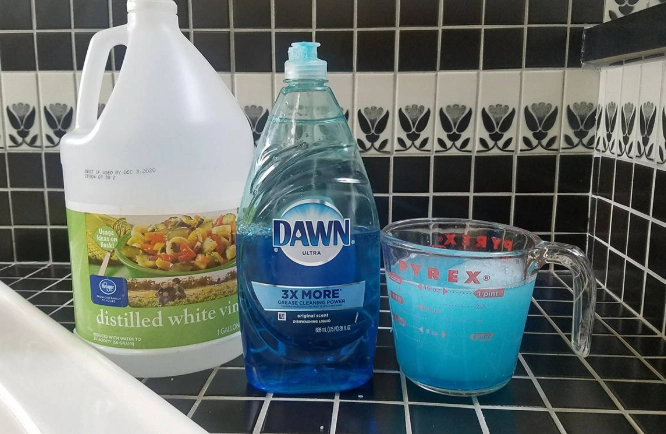
But here's the critical nuance everyone misses: They use it on wildlife because they have the protocol and setup to rinse it off completely. That's the part most bird owners at home fumble.
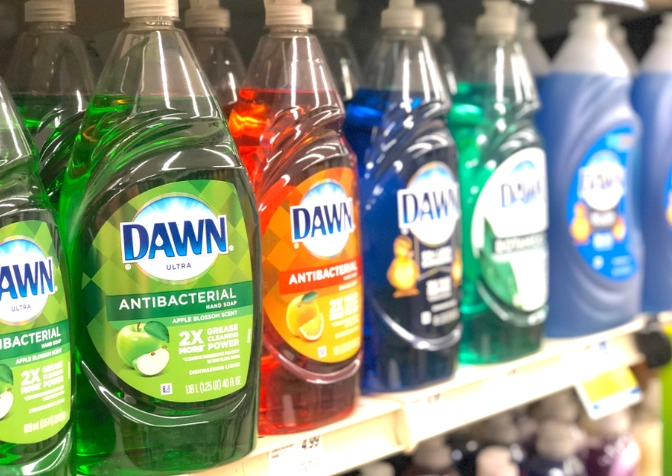
The danger isn't Dawn itself when used correctly. The danger is in the variants. Dawn comes in a dozen scents and formulas—Apple Blossom, Lavish Lavender, Platinum Powerwash. These are a hard no. The perfumes and extra-strength additives in these can leave behind fumes and residues that are toxic to birds. Stick to the basics.
Your Step-by-Step Safe Cleaning Protocol
If you decide to use Dawn, this is your bible. Missing a step risks your bird's health.
The Golden Rule: Dilution is Key
You're not washing a pan of bacon grease. For cage cleaning, you need a mild solution. A good starting ratio is 1 part Dawn to 10 parts warm water. In a standard spray bottle (16 oz / 500ml), that's about 1.5 tablespoons of soap. The water should be warm, not scalding hot, to help the soap work without creating harsh fumes.
The Step-by-Step Cleaning Process
- Move the Bird First. This seems obvious, but I've seen people try to clean around their pet. Move your bird to a completely separate, safe room. You don't want them breathing in any aerosolized cleaner or getting stressed.
- Disassemble Everything. Take out all perches, toys, food bowls, and the tray. The grime hides in joints and corners.
- Pre-Clean Dry Debris. Scrape off solid droppings and food waste. Use a dedicated cage scraper or paper towels. This prevents you from just smearing dirt around with your soapy solution.
- Apply & Scrub. Spray your diluted Dawn solution onto the cage bars, tray, and accessories. Let it sit for a minute to break down grease. Use a scrub brush designated for the cage (not your kitchen sink brush!). Pay extra attention to perches and areas around food bowls.
- The Most Important Step: The Rinse. This is where most people fail. You must rinse with clean, warm water for at least twice as long as you scrubbed. I'm serious. Use a showerhead attachment on a hose or in a bathtub, or take the cage outside. You need running water to carry the soap away. Wiping with a wet cloth is not sufficient. Look for the absence of suds. If you see any bubbles, keep rinsing.
- Dry Completely. Let the cage and all parts air dry fully in a well-ventilated area before reassembling. Damp corners can breed bacteria and mildew. You can use a clean towel to speed up the process, but ensure no lint is left behind.
- Final Check. Before bringing your bird back, do the smell test. Put your nose right up to the bars. If you smell anything remotely soapy or chemical, it needs more rinsing and drying.
A Real-World Scenario: The Weekly Deep Clean
My African Grey's large flight cage gets this full Dawn treatment every Sunday. It takes me about 45 minutes from start to finish, with at least 15 of those minutes dedicated solely to rinsing. I use a hose with a spray nozzle in my backyard. The cage sparkles, and more importantly, it passes my smell test. When I bring Percy back, he climbs right in and starts chattering, with no signs of respiratory distress or avoidance—his way of giving it the all-clear.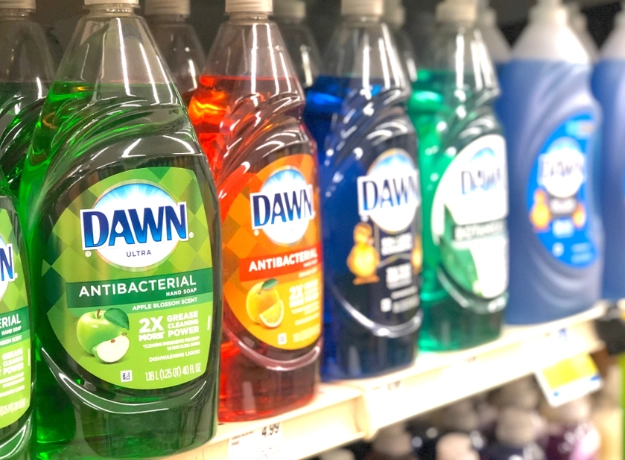
What to Use If You're Not Comfortable with Dawn
Maybe the rinsing process seems like too much risk. I get it. You have solid alternatives.
| Option | How to Use It | Best For | My Personal Take |
|---|---|---|---|
| White Vinegar | Mix 1 part vinegar with 1 part water. Spray, let sit 10 mins, scrub, rinse well. | Disinfecting, cutting mineral deposits, mild de-greasing. Safe, cheap, and effective. | My go-to for daily spot-cleaning and weekly food/water bowls. The smell dissipates quickly after rinsing. |
| Commercial Bird-Safe Cleaners (e.g., Poop-Off, Nature's Miracle Bird Cage Cleaner) | Follow label directions. Usually spray-on, wipe-off formulas. | Convenience, tackling tough, dried-on droppings. Formulated specifically for avian safety. | Great for quick clean-ups. More expensive per use, but the peace of mind is worth it for many. |
| Steam Cleaners | Use a handheld steam cleaner with just water. The high-temperature steam loosens grime and kills pathogens. | Sanitizing without any chemicals. Excellent for disinfecting. | A fantastic investment if you can afford it. The ultimate in chemical-free cleaning, but still requires wiping and drying. |
Mistakes Even Experienced Owners Make
I've made some of these myself early on. Learn from them.
Mistake 1: The "Just a Quick Wipe" Rinse. This is the big one. Soap residue is invisible. If you don't use copious running water, you're leaving a toxic film behind. A damp cloth moves soap around; it doesn't remove it.
Mistake 2: Cleaning with the Bird Nearby. The stress and the potential for inhaling fumes are real dangers. Always relocate your bird first.
Mistake 3: Using Scented or "Power" Formulas. That Dawn Platinum might get your pans shinier, but the extra surfactants and fragrances are a nightmare for a bird's lungs. Original only.
Mistake 4: Not Drying Thoroughly. A damp environment is a breeding ground for bacteria and mold, which can cause respiratory infections. Patience is key.
Your Top Questions, Answered
What if I accidentally used a scented Dawn on the cage?
Is it safe to clean the cage with my bird still in the room, just in a travel carrier?
How often should I do this deep clean versus a daily clean?
My bird seems scared of the clean cage and won't go back in. What's wrong?
Are the "baby-safe" or "plant-based" dish soaps a better choice than Dawn?
Cleaning your bird's cage isn't just a chore; it's a core part of preventative healthcare. Whether you choose a drop of Dawn, a splash of vinegar, or a dedicated bird-safe product, the principles are the same: dilute properly, rinse relentlessly, and dry completely. Your bird's vibrant chirps and good health will be your reward.
Join the Conversation