Let's be honest. Cleaning the bird cage is nobody's favorite chore. It's messy, it can be smelly, and it feels like a never-ending task. But after a decade of living with my flock of cheeky parakeets, I've learned this isn't just about keeping things tidy. A clean cage is the single most important factor in preventing a huge range of health issues for your bird, from respiratory infections to nasty parasites. Most guides get the basics right, but they miss the subtle details that make the difference between a "looks clean" cage and a truly hygienic environment. I've seen too many new owners focus only on the poop tray, completely missing the grime buildup on cage tops and perches where bacteria love to hide.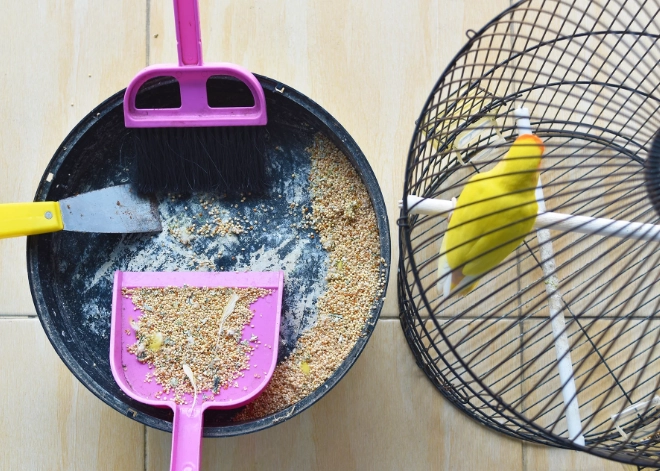
What's Inside This Guide
Why a Clean Cage is Non-Negiotiable for Parakeet Health
Parakeets have incredibly sensitive respiratory systems. They're like tiny, feathered canaries in a coal mine (the phrase exists for a reason). Ammonia from urine in droppings, mold from damp food, and dust from feathers and dander—all of this builds up fast in the warm, enclosed space of a cage. Inhaling these irritants day in and day out is a direct path to chronic health problems.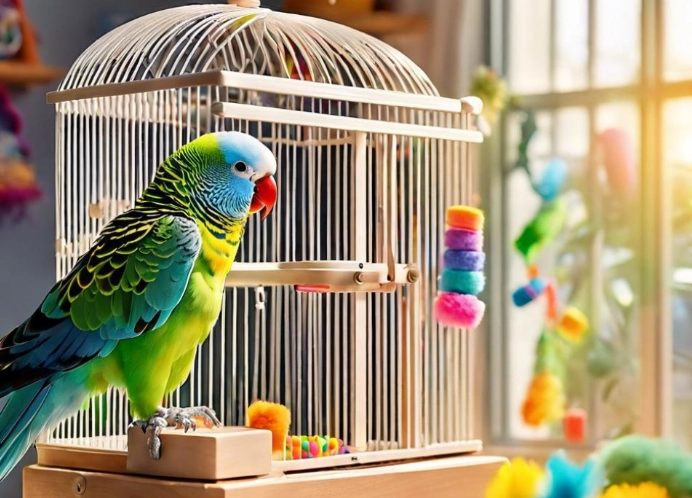
Think about it. Your bird spends 90% of its life in that cage. Would you want to live in a bathroom that never got properly cleaned?
Beyond breathing, dirty perches can cause bumblefoot, a painful bacterial infection on their feet. Spoiled food can lead to digestive issues. A grimy environment stresses your bird, weakening its immune system and making it more susceptible to everything else. The goal isn't just to clean when it looks dirty. It's to establish a routine that prevents it from ever getting to that point.
Your Step-by-Step Parakeet Cage Cleaning Protocol
This is your daily and weekly battle plan. I break it down into daily quick tasks and a more thorough weekly session. Having a system is everything, otherwise it becomes overwhelming.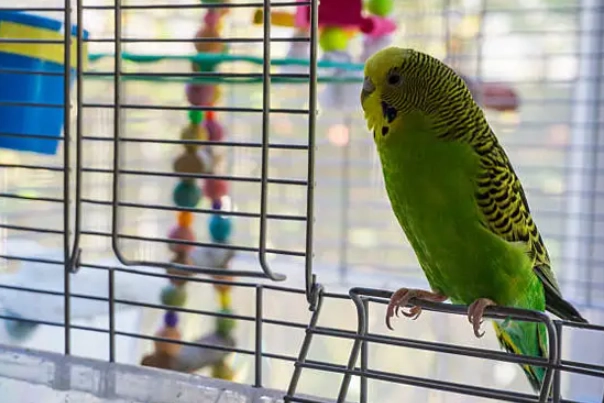
The Daily 5-Minute Tidy
Do this every morning, ideally before you let your bird out for playtime.
- Food and Water: Dump out old water—don't just top it up. Scrub the water dish with a dedicated brush and refill with fresh water. Remove any empty seed hulls from the food dish and top up with fresh food. Wet food like chopped veggies should be removed after a couple of hours.
- Poop Patrol: Use a damp paper towel to wipe off any obvious droppings from perches, the cage floor, and the bars around favorite perching spots.
- Floor Liner: If you use a loose substrate like corn cob, spot-clean wet or soiled patches. If you use paper, a quick visual check for any major messes is enough until the weekly change.
The Weekly Deep Clean (The Non-Negotiable)
This takes me about 30-45 minutes for a standard flight cage. Pick a day, maybe Sunday morning, and stick to it.
Step 1: Bird Relocation. Move your parakeet to a completely separate, safe room. The cleaning process involves fumes (even from natural cleaners) and stress. A travel cage or a secure bathroom works.
Step 2: Strip it Down. Remove everything: perches, toys, food/water dishes, cuttlebones, the floor grate, and the bottom tray.
Step 3: Pre-Clean Debris. Take the empty cage outside or into a tub/shower. Use a dry brush or a vacuum with a brush attachment to remove loose feathers, seed dust, and dried droppings. This prevents you from just making muddy sludge later.
Step 4: The Wash. Here's where most people go wrong with harsh chemicals. For 95% of weekly cleans, a simple solution of hot water and distilled white vinegar (1:1 ratio) or a drop of mild, fragrance-free dish soap (like Dawn original) is perfect. Scrub every inch—bars, corners, roof, the floor grate. A dedicated scrub brush and old toothbrushes for crevices are your best friends. Rinse extremely thoroughly with clean water. Any soap residue is bad news.
Step 5: Clean the Accessories. Scrub perches (sand them down if they're crusty), toys, and dishes with the same vinegar/soap solution. Rinse well.
Step 6: Dry Completely. This is critical. A damp cage breeds mold. Wipe down with dry towels and let it air-dry in the sun if possible. Meanwhile, your bird gets some extended out-of-cage time.
Step 7: Reassemble with Fresh Liner. Use plain paper (newspaper, paper towels, butcher paper) as a cage liner. It's cheap, lets you monitor droppings, and is easy to replace. Avoid cedar or pine shavings—the aromatic oils are toxic to birds.
| Task | Frequency | Key Tool / Solution | Pro Tip |
|---|---|---|---|
| Water & Food Dish Wash | Daily | Hot water, bottle brush | Have a spare set to rotate while one dries. |
| Poop Spot-Cleaning | Daily | Damp paper towel | Focus on high-perch areas and food station. |
| Full Cage Scrub | Weekly | Vinegar/Water (1:1) or mild soap | Scrub in the shower for easy rinse-down. |
| Perch & Toy Scrub | Weekly | Same as cage, old toothbrush | Sand wooden perches monthly to remove crust. |
| Deep Disinfection* | Monthly or as needed | F10 SC Veterinary Disinfectant (diluted) | *Only after a thorough soap/vinegar clean first. |
The Deep Clean: Going Beyond the Basics
Once a month, or if a bird has been sick, you need to escalate. This is where a proper disinfectant comes in. The keyword here is bird-safe. Forget bleach, ammonia, phenols, or aerosol sprays near the cage. Ever.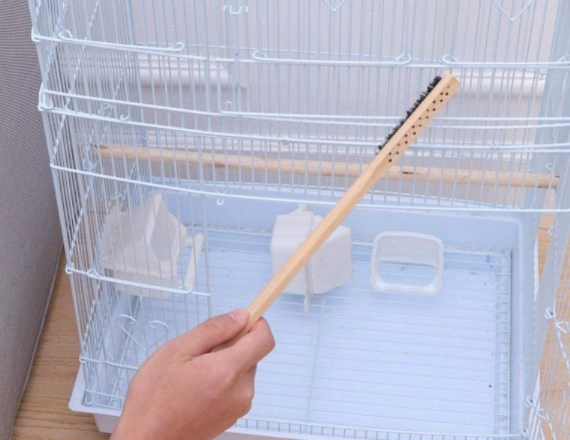
My go-to, and the one recommended by avian vets, is a product like F10 SC Veterinary Disinfectant. It's a hospital-grade disinfectant that's effective yet safe when diluted properly. The process is two-stage: clean first, then disinfect. You cannot disinfect dirt.
- Complete the entire weekly scrub with soap/vinegar to remove all organic matter.
- Rinse and dry.
- Apply the properly diluted F10 solution to all surfaces. Let it sit for the recommended contact time (usually 10 minutes).
- Rinse even more thoroughly than before. No residue can remain.
- Dry completely before letting your bird back in.
Common Cage Cleaning Mistakes (And How to Fix Them)
Let's cut through the common errors I see all the time.
Mistake 1: Only cleaning the tray. The highest concentration of bacteria and dust is often on the cage top and the upper bars/ perches where your bird spends most of its time. Clean from the top down.
Mistake 2: Using the same sponge for bird cage and dishes. Cross-contamination is real. Have a dedicated set of scrub brushes, sponges, and gloves just for cage duty. Color-code them.
Mistake 3: Putting a wet bird back in a damp cage. After a bath or misting, your parakeet needs to dry off in a warm, draft-free room. A damp bird in a damp cage is asking for trouble.
Mistake 4: Not cleaning the toys and swings. These get mouthed, pooped on, and covered in food. They need the same weekly scrub as everything else. Rotate toys to keep things fresh and give you time to clean them properly.
Mistake 5: Assuming "natural" cleaners are always safe. Essential oils (tea tree, eucalyptus, etc.) are highly toxic to birds. Citrus-based cleaners can be irritants. Stick to the proven basics: vinegar, mild soap, or approved veterinary disinfectants.
Your Parakeet Cage Cleaning Questions, Answered
Can I use Dawn dish soap to clean my parakeet's cage?
The original, blue Dawn dish soap is generally considered safe by many avian enthusiasts and vets if you rinse it impeccably well. It's a powerful degreaser. However, I reserve it for especially greasy messes (like around a seed feeder). For weekly cleans, white vinegar and water is gentler, leaves no risky residue, and is cheaper. The key with any soap is the rinse—triple rinse, then rinse again.
My parakeet freaks out when I clean its cage. How can I make it less stressful?
This is super common. Move the bird to another room before you start. Keep a routine so it becomes predictable. After cleaning, place a favorite treat or a new foraging toy inside the fresh cage to create a positive association. Over time, they learn that the big disruption leads to a nice clean home and a reward.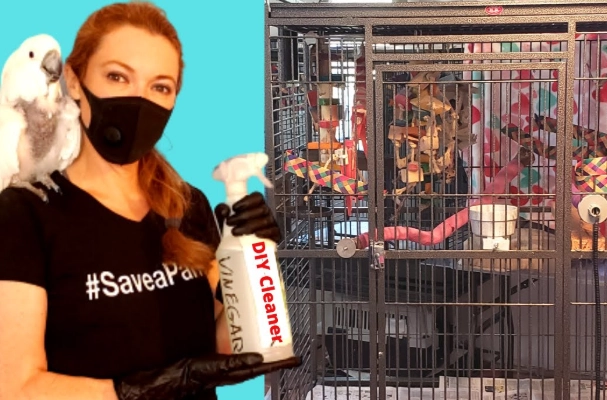
How often should I replace my parakeet's perches?
Replace natural wood perches when they become overly soiled, chewed up, or you can't sand them clean anymore. This might be every 6-12 months. Having a rotation of several perches helps extend their life. Plastic or cement perches last longer but still need weekly scrubbing to remove built-up grime.
Is it okay to use a pressure washer or hose on my outdoor aviary?
For large outdoor flights, a hose is practical. But the force can drive dirt and pathogens deeper into porous wood. Always follow a high-pressure rinse with a manual scrub with a bird-safe cleaner and a final low-pressure rinse. And ensure everything is bone-dry before your birds return—this can take a full sunny day.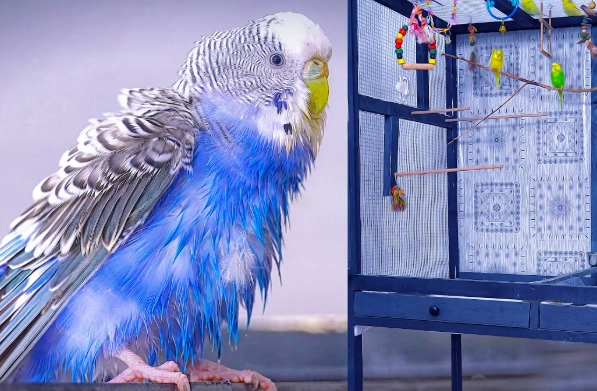
What's the best way to clean dried-on poop from cage bars and perches?
Don't chip at it dry—that just sends particles into the air. Soak a paper towel in your vinegar solution and lay it over the dried dropping for 10-15 minutes. It will soften and wipe right off. For really stubborn buildup on perches, a light sanding after cleaning does the trick.


Join the Conversation