Here's the hard truth every parrot owner needs to hear: your kitchen is full of landmines for your bird. That healthy snack on your plate, the chocolate bar in the cupboard, even the fumes from a hot pan – they can all be deadly. I've been in avian rescue for over a decade, and the number of emergencies caused by "just a little bite" is heartbreaking. This isn't about being paranoid. It's about understanding that parrots have a metabolism completely different from ours. What's fine for us can shut down their organs in hours.
Let's cut through the noise and get specific.
Your Quick Safety Guide
The Absolute No-Gos: Foods That Are Toxic to Parrots
This list isn't up for debate. If you see your bird eat any of these, consider it a veterinary emergency. Don't wait for symptoms.
| Food | Toxic Component | What It Does |
|---|---|---|
| Chocolate (All kinds) | Theobromine & Caffeine | Overstimulates nervous system & heart. Causes vomiting, diarrhea, seizures, death. |
| Avocado (All parts) | Persin | Damages heart muscle & respiratory system. Leads to difficulty breathing, sudden death. |
| Onions, Garlic, Chives | Organosulfoxides | Destroys red blood cells, causing hemolytic anemia (weakness, pale gums, collapse). |
| Caffeine (Coffee, tea, soda) | Caffeine | Cardiac arrest. Even small amounts can be fatal for small birds. |
| Alcohol | Ethanol | Depresses organ systems. Tiny amounts cause intoxication, respiratory failure. |
| Apple Seeds, Peach/Cherry Pits | Cyanogenic Glycosides | Releases cyanide when digested. Causes dizziness, difficulty breathing. |
| Raw/Dry Beans (e.g., kidney beans) | Phytohaemagglutinin | Severe gastrointestinal poisoning. Cooked beans are safe. |
| Mushrooms | Various toxins | Can cause liver failure or neurological damage. Not worth the risk. |
| Salt (in high amounts) | Sodium Chloride | Excessive thirst, dehydration, kidney failure, death. Chips, pretzels are dangerous. |
| Xylitol (Sugar-free products) | Xylitol | Causes rapid insulin release, leading to hypoglycemia (low blood sugar), liver failure. |
Notice I included all parts of the avocado. The pit and skin have the highest concentration of persin, but the flesh is plenty toxic. I've seen a cockatiel die from a single bite of guacamole. It's that serious.
Why Are These Foods So Dangerous for Parrots?
It's not that parrots are fragile. They're just built differently. Their metabolism is a high-speed engine compared to ours. They process things quickly, which means toxins hit their system fast and hard.
Take theobromine in chocolate. Humans can metabolize it relatively easily. A parrot's liver simply can't break it down. It builds up in their bloodstream, acting as a powerful stimulant until their heart gives out.
Or onions. The sulfur compounds cause oxidative damage to red blood cells, making them burst. A bird's red blood cells have nuclei, making them more susceptible to this damage than ours. Anemia sets in quietly – the bird gets weak, stops eating, and by the time you notice, it's often too late.
Size matters immensely. The toxic dose for a 150-pound human is minuscule for a 150-gram cockatiel. That "tiny piece" of chocolate is a massive, concentrated dose for them.
The "Healthy" Foods That Can Harm Your Parrot
This is where even experienced owners slip up. Foods marketed as healthy for us can be problematic or outright dangerous for birds.
Fruit Pits and Seeds
Apple flesh? Great. Apple seeds? Problem. The cyanide risk is real, especially if the seeds are chewed. Always core apples and remove pits from peaches, plums, cherries, and apricots before offering the fruit.
Rhubarb
The leaves are highly toxic due to oxalic acid. The stalk isn't much better. Just avoid it altogether.
Uncooked Potato and Tomato Leaves/Stems
These contain solanine and other glycoalkaloids, which are gastrointestinal irritants and nervous system toxins. Cooked potato flesh (plain!) is okay in moderation. Ripe tomato fruit is fine. But never give the green parts.
Certain Nuts
Peanuts, especially raw or in the shell, can harbor Aspergillus fungus, which produces aflatoxin – a potent carcinogen. If you feed peanuts, make sure they are human-grade, unsalted, and from a reputable source. Better yet, stick to safer nuts like almonds, walnuts, or pecans (unsalted, in-shell for enrichment is best).
What About "People Food"? Navigating the Gray Areas
You're eating a salad. Your parrot is eyeing it intently. What's safe to share?
The rule is: plain, unseasoned, and in moderation. Your salad dressing, with its salt, garlic powder, and vinegar, is a no-go. But a piece of plain cucumber or carrot from the batch before you dressed it? That's fine.
Cooked meats? A tiny shred of plain, unseasoned, cooked chicken or turkey is an acceptable protein boost occasionally. No skin, no fat, no bones, and absolutely no processed meats like ham or sausage (loaded with salt, nitrates, and garlic).
Bread or Pasta? Empty calories. A tiny bit of whole-wheat pasta won't hurt, but it offers no nutritional value for them. It just fills them up so they don't eat their pellets and veggies.
The biggest trap is "just this once." Parrots are smart. If they get a salty french fry once, they'll remember and beg forever. It's easier to establish a firm rule: human plates are off-limits. Their food comes from their bowl.
What Should I Do If My Parrot Ate Something Toxic?
Panic doesn't help. Action does.
- Identify what they ate and how much. Grab the wrapper or the food item. This is crucial info for the vet.
- Call your avian veterinarian IMMEDIATELY. If it's after hours, call the nearest emergency avian clinic or a pet poison hotline like the ASPCA Animal Poison Control Center (888-426-4435). There may be a fee, but it's worth it.
- Do NOT induce vomiting unless instructed by the vet. You can cause aspiration (fluid in the lungs).
- Keep your bird warm, quiet, and in a dark carrier. Stress worsens their condition. Have someone else drive if possible.
- Bring the toxic substance with you to the vet.
Time is tissue. The faster you act, the better the chance of survival. Don't "wait and see." By the time symptoms like lethargy, vomiting, or tremors appear, significant damage may already be done.
Building a Truly Safe Parrot Diet
Focus on what they can eat. A balanced diet is their best defense.
Foundation (60-70%): A high-quality, formulated pellet diet. Brands like Harrison's, Roudybush, or TOP's are vet-recommended. Pells provide balanced nutrition.
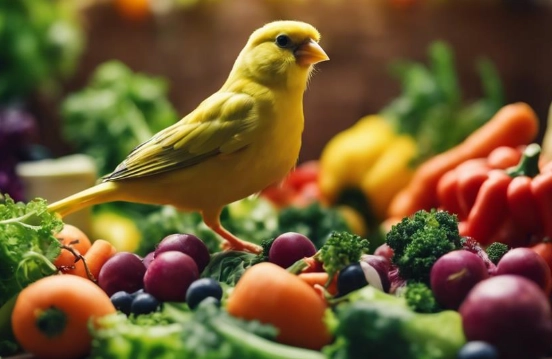
Daily Veggies (20-30%): Dark leafy greens (kale, chard, cilantro), chopped peppers, broccoli, carrots, sweet potato (cooked), squash.
Fruits & Treats (10% or less): Berries, melon, papaya, mango (pit removed). Use these as rewards, not staples.
Healthy Fats/Occasionals: A bit of soaked/sprouted seed mix, a nut in the shell for foraging, a whole grain like cooked quinoa or brown rice.
Variety is key. Chop up a big "chop" of fresh veggies and freeze it in portions. It saves time and ensures they get a mix.
Your Top Questions Answered
Feeding your parrot isn't about fear. It's about informed, loving care. When you know what to avoid, you can relax and enjoy offering the wide array of wonderful, colorful, healthy foods that will keep your feathered companion thriving for years to come. Start with a clean slate today – clear those dangerous foods from their reach and fill their bowl with safe, vibrant goodness.

Join the Conversation