Let's be honest, most of us grab a bag of gerbil food off the shelf thinking it's all the same. I did that for years. Then my vet asked me to read the ingredient list on my usual brand. The first ingredient was corn, followed by wheat middlings, and then a vague "animal fat." My gerbils loved picking out the sunflower seeds and leaving the rest. That's when I realized I wasn't feeding them; I was letting them snack on junk food. Finding the best gerbil food isn't about the prettiest package or the cheapest price. It's about understanding what's inside and how it matches what a gerbil's body actually needs to thrive, not just survive.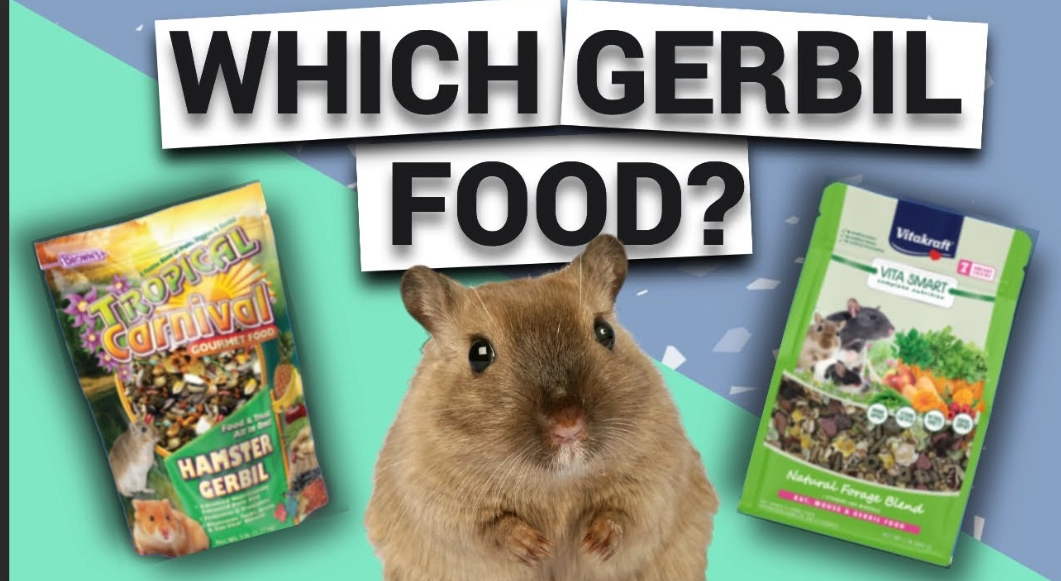
This guide is the result of a decade of keeping gerbils, countless conversations with exotic vets, and digging into nutritional studies from institutions like the University of California, Davis, School of Veterinary Medicine. We're going beyond basic pet store advice.
What's Inside?
What Do Gerbils Really Need to Eat?
Gerbils are not just small hamsters. In the wild, Mongolian gerbils are opportunistic omnivores. Their diet is a mix of dry seeds, grasses, and the occasional insect for protein. This means the best gerbil diet is a balanced, varied one that mimics this.
The core of their diet should be a high-quality lab block or pellet. Think of this as their complete nutritional insurance policy. A good block is formulated to provide all essential vitamins and minerals in every bite, preventing selective feeding (picking out only the tasty bits).
Around this base (about 80-90% of the diet), you add a seed and grain mix. This isn't the main course; it's the foraging enrichment. It satisfies their natural instinct to hunt for food. Finally, small amounts of animal protein (like dried mealworms) and fresh vegetables round things out.
Key Nutritional Targets: Look for a food with 14-16% protein and 4-7% fat. Fiber should be around 10-15%. Too much fat (common in seed-heavy mixes) leads straight to obesity and liver problems.
How to Read a Gerbil Food Label: Beyond the Marketing
The front of the bag is an advertisement. The back, specifically the Guaranteed Analysis and Ingredient List, is the truth.
Ingredient List Rule #1: Ingredients are listed by weight. The first 3-5 ingredients make up the bulk of the food.
Ingredients to Look For (The Good Stuff)
- Named Protein Sources: "Soybean meal," "alfalfa meal," "dried egg product." Specific is good.
- Whole Grains: Oat groats, barley, millet. These provide complex carbs and fiber.
- Varied Seeds: Flaxseed (for omega-3s), pumpkin seeds, sesame seeds.
Ingredients to Be Wary Of (The Fillers)
- Undefined Meals: "Animal fat," "animal digest," "poultry by-product meal." These are low-quality, vague ingredients.
- Excessive Sugars: Molasses, cane sugar, fructose. Gerbils don't need added sugar; it promotes diabetes and weight gain.
- Artificial Colors: Red 40, Blue 2. Completely unnecessary. Gerbils are colorblind to reds and greens!
I learned this the hard way when my first gerbil, Gizmo, became a picky seed-only fiend from a colorful, sugary mix. Switching him to a plain lab block was a battle, but his coat improved dramatically in a month.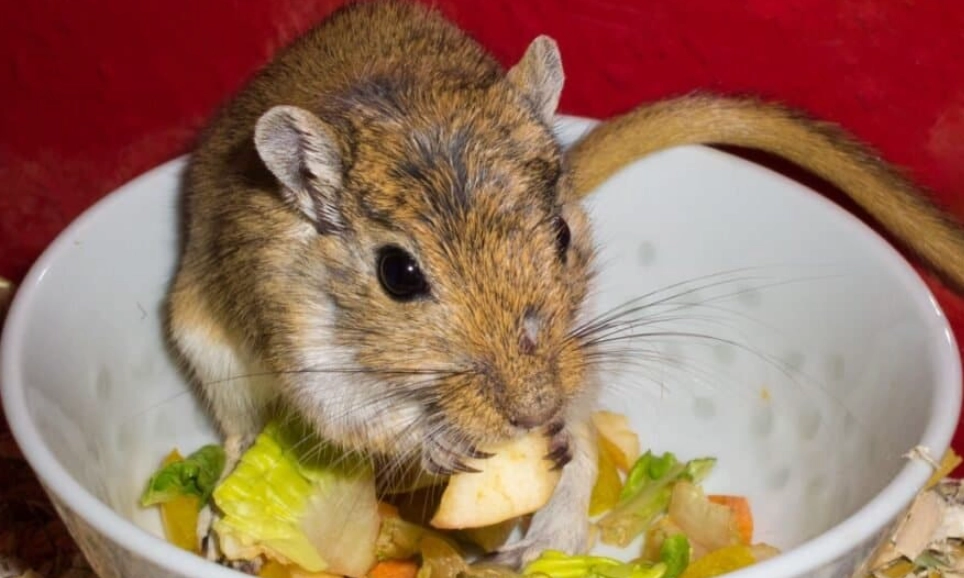
Comparing Top Gerbil Food Brands: A Side-by-Side Look
Here’s a breakdown of popular options based on ingredient quality, formulation, and real-world use. This isn't just a spec sheet; it's what I've seen work (and not work) in my own colony.
| Brand & Product | Type | Key Pros | Key Cons / Things to Know | Best For |
|---|---|---|---|---|
| Oxbow Essentials Hamster & Gerbil Food | Uniform Pellet | Vet-recommended. High fiber (15%). No artificial colors/flavors. Uniform pellets prevent selective feeding. | Some gerbils find the pellets boring initially. It's a complete food, so you must provide foraging enrichment separately. | Owners prioritizing guaranteed balanced nutrition and preventing obesity. |
| Science Selective Gerbil Food | Extruded Pellet | Research-backed formulation. Contains prebiotics for gut health. Good protein (15%) and fiber (11%) balance. | Slightly more expensive. The uniform shape and color can look bland to us (but nutrition doesn't need to be colorful). | Those wanting a science-focused diet with digestive health support. |
| Mazuri Rat & Mouse Diet | Lab Block | Extremely high-quality ingredients. Used by many breeders and rescues. Excellent protein source (soybean meal). | Formulated for rats/mice, so fat content (6%) is fine but monitor portion size. Blocks are quite hard, great for dental wear. | Experienced owners or breeders comfortable with a lab-block-centric approach. |
| Higgins Sunburst Gourmet Gerbil Food | Seed/Grain Mix | Great variety of seeds, grains, and veggies. No artificial colors. Good as a supplemental mix. | NOT a complete diet. Low protein (13%), high in tasty seeds. Can cause severe selective feeding if used alone. | Use as the 10-20% foraging mix component alongside a primary lab block like Oxbow or Mazuri. |
My personal setup? I use Mazuri lab blocks as the staple (about a tablespoon per gerbil per day), and I sprinkle a small pinch of Higgins Sunburst mix in their bedding for foraging. This combines nutritional completeness with mental stimulation.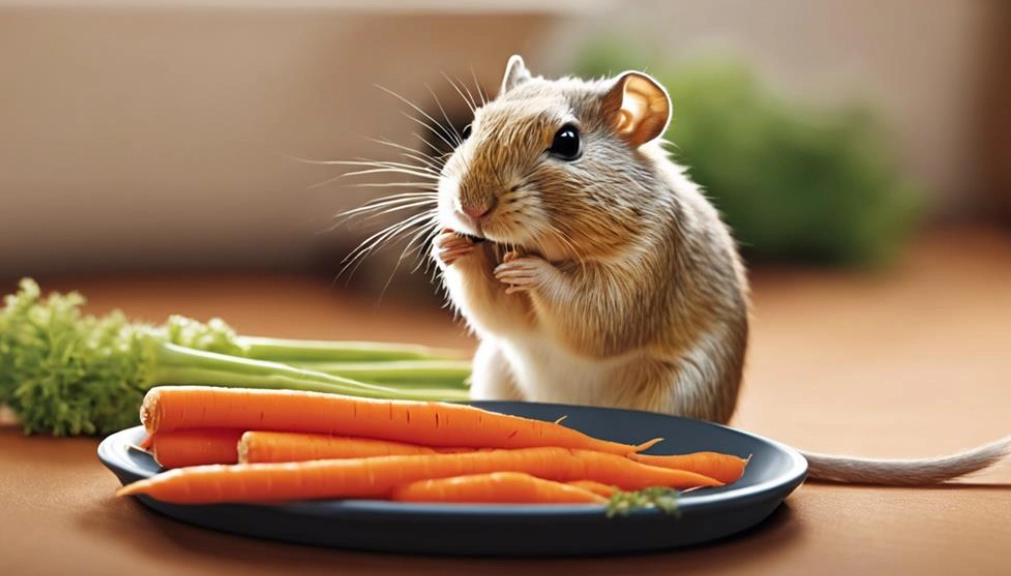
Your Practical Daily Feeding Guide
How much to feed is where theory meets practice. Overfeeding is the #1 dietary problem.
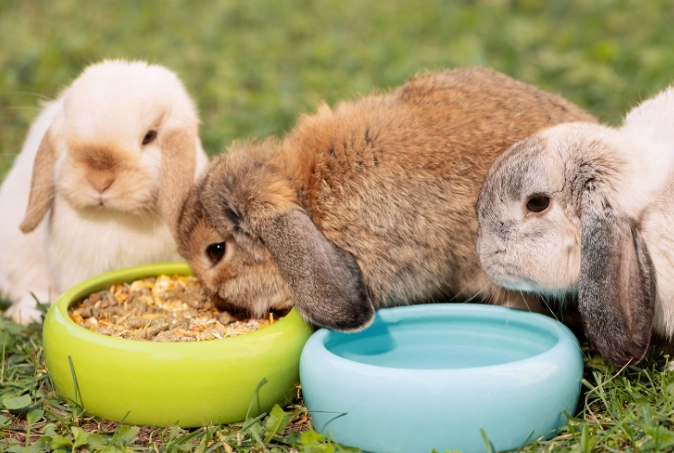
- Base Food (Lab Block/Pellet): 1 tablespoon per gerbil per day. Place it in a heavy ceramic dish.
- Seed Mix (Supplemental): 1-2 teaspoons per gerbil, 2-3 times a week. Scatter this in their bedding to encourage natural foraging behavior.
- Animal Protein: 1-2 dried mealworms or a tiny piece of hard-boiled egg, twice a week.
- Fresh Foods: A thumbnail-sized piece of vegetable (broccoli floret, kale) 2-3 times a week. Always remove uneaten fresh food within 24 hours.
Monitor their weight. You should be able to feel their ribs with a slight fat covering. If they feel round and soft, cut back on the seeds and treats.
3 Common Feeding Mistakes You're Probably Making
- Using a Seed-Only Mix as the Main Diet. This is like feeding a child only french fries. It's deficient in vitamins/minerals and too high in fat. Gerbils will pick out the fatty seeds (sunflower, pumpkin) and leave the rest, making the nutritional imbalance worse.
- Overfeeding Treats. A commercial "yogurt drop" or a big piece of fruit is a massive sugar bomb. Treats should be tiny and infrequent. A single plain Cheerio or a small piece of unsalted nut is plenty.
- Not Providing Hard Items for Chewing. Diet isn't just about what they ingest; it's about dental health. Lab blocks are great, but also provide apple wood sticks or seagrass chews. Their teeth never stop growing.
Supplementing with Safe Fresh Foods & Treats
A great way to enrich their diet is with safe, fresh foods. Introduce any new food in a tiny amount to check for diarrhea.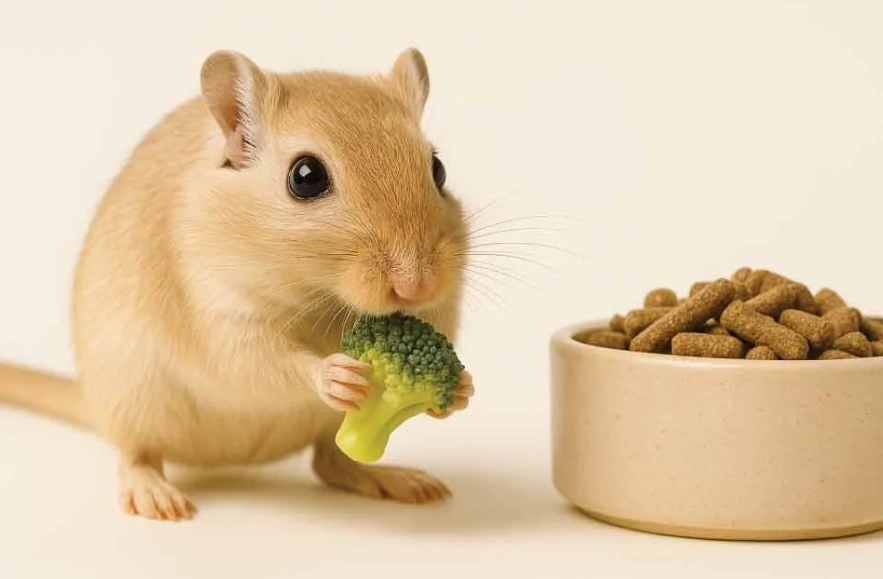
AVOID: Citrus fruits, raw beans, onion, garlic, leeks, rhubarb, chocolate, candy. These are toxic or harmful.
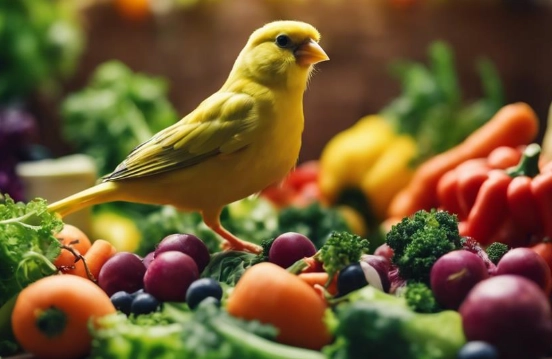
Great Options: Broccoli, cauliflower, kale, romaine lettuce, cucumber, bell pepper (seedless), carrot (sparingly, it's sugary), apple (no seeds), banana (tiny piece, very sugary).
Protein Boosts: Dried mealworms (from the bird section), a tiny bit of plain cooked chicken, hard-boiled egg, or plain tofu.
Your Gerbil Food Questions Answered
 How can I tell if my current gerbil food is causing health problems?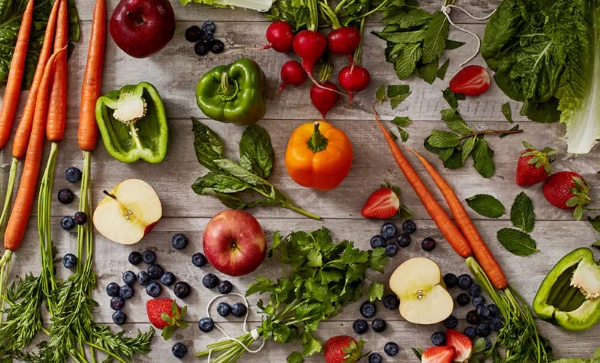


Join the Conversation