You brought home that tiny, purring ball of fluff. The days are filled with play, but as night falls, the question hits you: where on earth should this little creature sleep? It's not just about picking a corner. Get it wrong, and you're looking at midnight meows, scratched furniture, or worse, a scared or unsafe kitten. I've fostered over two dozen kittens, and I can tell you the "best" spot isn't the same for every home. It's about safety, comfort, and setting a routine that works for both of you, long-term. Let's cut through the generic advice and talk about what actually works.
Your Quick Sleep Guide
Why the First Nights Are Critical
Think of the first week as setting the sleep template. Kittens are in a new, giant world without their mom and littermates. Where they sleep becomes their secure base. A common misconception is that letting them cry it out "toughens them up." That's nonsense for a baby animal. According to feline behavior resources from the International Cat Care, security and consistency are paramount for kitten development. A positive, predictable sleep association now prevents anxiety-based behaviors later, like destructive scratching or inappropriate elimination.
I made this mistake with my first foster, Milo. I put him in a spacious room alone, thinking he'd appreciate the freedom. He spent the night scaling curtains and yowling at the door. The problem wasn't the room; it was the sudden isolation in a strange place. We had to backtrack.
Kitten Bedroom Options: A Side-by-Side Look
Let's break down the pros, cons, and real-world logistics of each common sleeping location. This isn't about a single best answer, but the best answer for your situation.
| Sleeping Location | Best For... | Key Advantages | Potential Drawbacks & Mitigation |
|---|---|---|---|
| A Confined, Kitten-Proofed Room (e.g., bathroom, small office) | Most new owners, multi-pet households, ensuring ultimate safety overnight. | Prevents nighttime mischief and danger (chewing cords, getting stuck). Easy to clean. Provides a defined "safe zone." | Can feel isolating. Fix: Spend time in the room before bed, leave a worn t-shirt with your scent, use a pheromone diffuser like Feliway. |
| A Large Dog Crate or Playpen (set up as a mini studio) | Studio apartments, or when you need to keep the kitten in your bedroom but contained. | Keeps kitten close for reassurance while limiting movement. Perfect for establishing litter box habits (litter box at one end, bed at the other). | Requires kitten to accept confinement. Fix: Make the crate a happy place with treats and meals inside during the day, never use it as punishment. |
| Your Bedroom (Free Roam or in Your Bed) | Single-kitten households, owners who want strong bonding, very social kittens. | Maximizes bonding. Your presence is comforting. You can monitor them closely. | Sleep disruption from pouncing on feet/face. Risk of rolling over on them. Fix: Provide a enticing warm bed next to yours as an alternative. |
| An Open Cat Bed in a Living Area | Older kittens (4+ months) with proven good night-time habits, very confident personalities. | Maximum freedom. Feels most "natural" for the cat. | High risk for the first few months. You won't hear if they get into trouble or need the litter box. |
- Warmth: Kittens can't regulate body temperature well. A microwavable heat pad (wrapped in towels) or a covered bed is better than a flat blanket.
- Safety: No dangling cords, small objects they can swallow, toxic plants, or high shelves they can fall from.
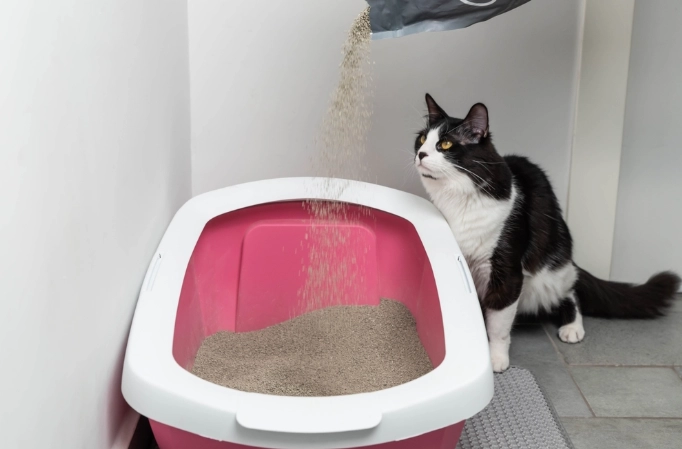
- Essentials Within Reach: Water, litter box, and bed should be in close, but separate, proximity. Don't put food right next to the litter box.
How to Create a Kitten Bedtime Routine That Sticks
Routine is everything. Cats are creatures of habit. Your goal is to signal, "Playtime is over, calm time is here." Here's what a successful 45-minute wind-down looks like at my house.
The Pre-Bed Play Session (30 mins before target sleep time)
Don't just wiggle a toy. Engage in vigorous, interactive play that mimics hunting. Use a wand toy to make them run, jump, and pounce. You want them to be slightly panting. This drains the energy that would otherwise turn into 3 AM zoomies.
The Last Call and Settling (15 mins before)
Play winds down. Offer the final meal of the day (if on a schedule) or a small treat. Then, guide them to their sleep space. For the first few nights, sit with them for 5-10 minutes. Speak softly, offer some gentle pets if they seek it, but don't rile them up. Place them in their bed.
Turn off the light and leave. Yes, leave. Even if they meow. Returning when they cry teaches them that meowing works. It's tough, but consistency is key. They usually settle within 10-15 minutes if they're truly tired.
What Most New Owners Get Wrong (And How to Fix It)
I see these patterns all the time.
Mistake 1: Changing the location too often. "Night one in the bathroom, night two in the crate, night three on the couch." This is incredibly confusing. Pick a spot and stick with it for at least two weeks to build a habit.
Mistake 2: Using the sleep space as daytime punishment. If you put them in "their room" for time-outs, they'll associate it with negative feelings. Keep it a positive sanctuary.
Mistake 3: Ignoring the power of scent. A blanket that smells like their littermates (ask the breeder/shelter) or a soft toy can be more comforting than the fanciest bed.
Mistake 4: Giving in to the midnight choir. The single biggest error. You wake up, give them attention or food to quiet them. You've just trained them to wake you up. If you're sure they're safe and fed, you must wait it out. Earplugs are a valid parenting tool.
When and How to Change Your Kitten's Sleeping Arrangements
Your 8-week-old kitten sleeping in a crate is fine. Your 6-month-old juvenile cat might need more space. Transition gradually. Start by leaving the crate door open but keeping their bed inside. Then, move the bed just outside the open crate. Then, to its final location. Each step should take a few nights. Watch for signs of stress—hiding, not sleeping, excessive meowing—and slow down if you see them.
The goal is an adult cat who feels secure sleeping in your home, whether that's on your bed, a cat tree, or their own special chair.
Your Kitten Sleep Questions, Answered
So, where should your kitten sleep? Start with safety and security—a confined, cozy, warm space. Build a rock-solid routine. Be more stubborn than they are about the rules. It's not just about getting through the night; it's about teaching your cat that night time is for rest, a lesson that pays off for their entire life. And yours.



Join the Conversation