Let's be honest. The phrase "exercise your cat" sounds a bit ridiculous at first. We picture treadmills and tiny sweatbands. But if your cat has packed on a few extra pounds—or more than a few—you know it's no joke. Feline obesity is a slow-moving health crisis, linked directly to diabetes, arthritis, and a shorter lifespan. I've worked with cats for over a decade, and the single biggest mistake I see is owners treating cat exercise as an afterthought, just tossing a toy for a minute before giving up. Real, effective cat weight loss exercise isn't about duration; it's about understanding the predator wired into your sofa loaf.
Your Quick Guide to a Fitter Feline
Why Cat Exercise is Non-Negotiable for Weight Loss
You can't out-diet a sedentary lifestyle, even for a cat. Cutting calories alone leads to muscle loss and a grumpy, hungry animal. Exercise builds lean muscle, which burns more calories at rest. More importantly, it taps into your cat's fundamental biology.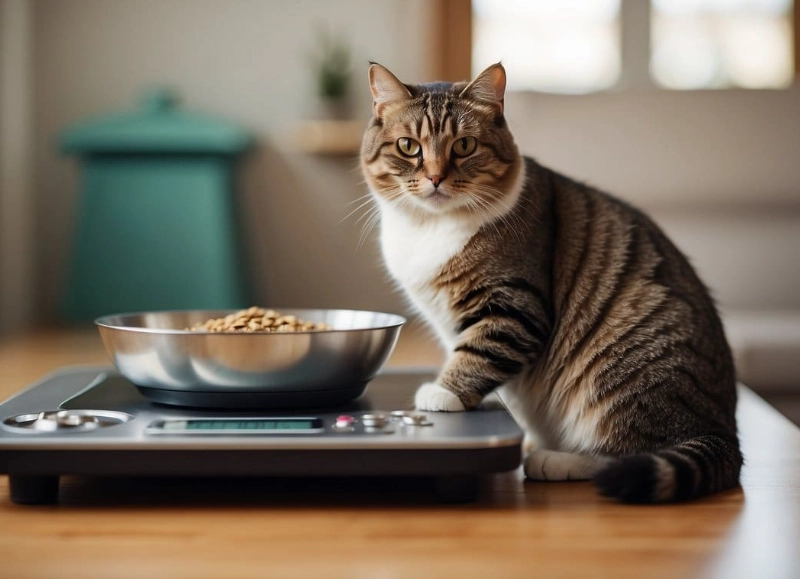
Cats are obligate carnivores and crepuscular hunters. Their bodies are designed for short, intense bursts of activity—the "stalk, pounce, kill" sequence—followed by long periods of rest. Modern indoor life strips that away. The food bowl is always full. The "prey" never moves. The result? A bored cat whose only stimulating activity is walking to the food bowl.
Exercise fixes this. It provides mental enrichment, reduces stress-related behaviors, and crucially, creates the calorie deficit needed for weight loss without severe food restriction. According to the Association for Pet Obesity Prevention, over 60% of cats in the US are overweight or obese. The solution starts with movement.
How to Assess Your Cat's Weight and Fitness Level
Before you start any cat weight loss exercise program, you need a baseline. Guessing doesn't work.
First, the Hands-On Test. Run your hands along your cat's side. Can you easily feel their ribs with a slight fat covering, like the back of your hand? Or do you have to press through a soft layer, like a fluffy blanket? If it's the latter, your cat is likely overweight. Look at them from above. You should see a visible waist behind the ribs. From the side, the abdomen should tuck up, not hang down.
Second, the Vet Visit. This is non-negotiable. Schedule a check-up. Your vet will give an exact weight, determine an ideal target weight, and rule out underlying conditions (like thyroid issues) that could affect weight loss. They can also calculate your cat's precise daily calorie needs—a number you'll need later.
Third, the Activity Audit. For three days, jot down what your cat does. How many hours are spent sleeping? How many minutes involve active play, chasing, or climbing? Be honest. Most owners are shocked to see their cat is active for less than 15 minutes a day.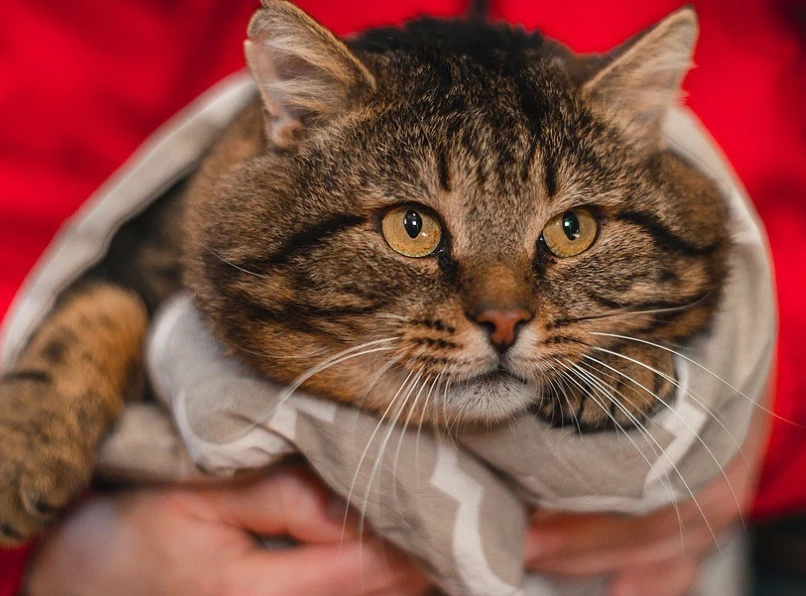
How to Create a Safe and Effective Exercise Plan
Throwing a laser pointer around for five minutes isn't a plan. It's chaos. A plan is structured, gradual, and tailored.
Start with two 10-minute sessions per day. Not all at once. Break them into smaller chunks if needed. A very overweight or sedentary cat might start with three 5-minute sessions. The goal is consistency, not marathon sessions that leave you both exhausted.
Always, always warm up. Start with slower, easier movements to get your cat's joints and muscles ready. A dragging string or a slow-moving wand toy works.
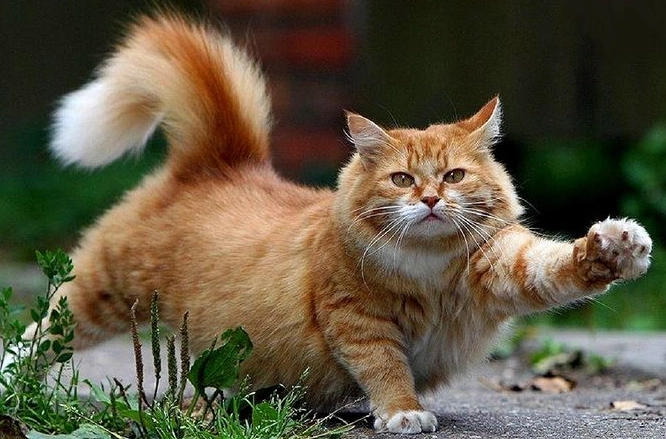
Here’s a sample framework for your first week, adaptable to your cat's response:
| Day | Morning Session (10 min) | Evening Session (10 min) | Notes |
|---|---|---|---|
| Mon | Wand toy: ground-level stalking & pouncing | Treat-dispensing ball (rolled slowly) | Focus on engagement, not intensity. |
| Tue | Laser pointer (ALWAYS end with a tangible toy/treat) | Crinkly tunnel chase with a ball | Never let laser "prey" disappear without a "catch." |
| Wed | Repeat Monday's wand toy routine | Feather teaser on a stick, encouraging small jumps | Introduce slight vertical movement. |
| Thu | Rest Day / Light play (5 min max) | Rest Day / Food puzzle only | Muscles need recovery too. |
| Fri | New toy rotation: motorized mouse | Wand toy with faster, erratic movements | Keep it novel to prevent boredom. |
| Sat | Interactive session with a sibling cat (if applicable) | Cardboard box "fort" exploration with hidden toys | Use environment to encourage movement. |
| Sun | Repeat a favorite from the week | Gentle grooming session as cool-down | End the week on a positive note. |
The Best Cat Exercise Methods for Weight Loss
Not all play is equal for burning calories. Here’s what actually works, ranked by effectiveness and engagement.
1. Interactive Wand Toys (The Gold Standard)
This is your most powerful tool. The key is your movement. Don't just wiggle it. Mimic prey: dart it behind furniture, make it "scurry" along the baseboard, "fly" it erratically in the air, then let it "hide" under a rug. Let your cat "catch" it frequently to complete the hunting sequence and avoid frustration. A 10-minute session of intense stalking and pouncing can be more effective than 30 minutes of half-hearted chasing.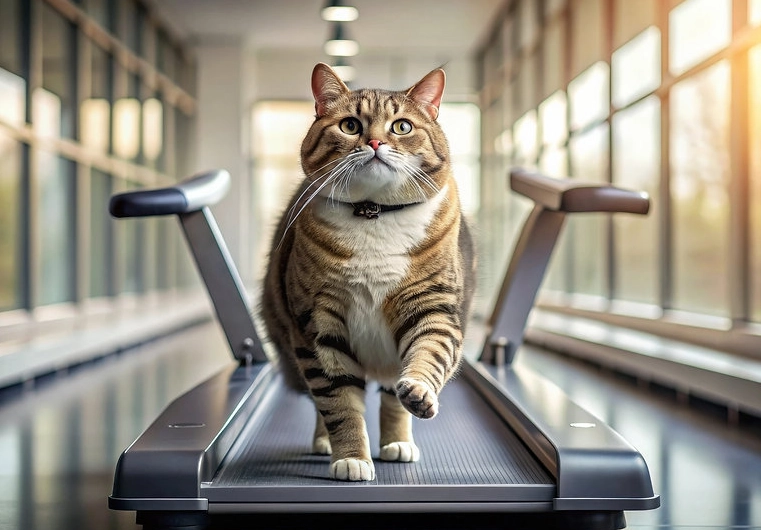
2. Food Puzzles and Treat Balls
Exercise the body and the brain. Instead of a bowl, put your cat's entire meal or a portion of it into a puzzle feeder. They have to bat, roll, and work for every kibble. This turns eating into a 20-minute activity session. Start with easy puzzles (like a simple ball with holes) and progress to more complex ones. It dramatically slows eating and provides mental stimulation.
3. Chase Games with Self-Propelled Toys
Motorized mice, rolling balls, and battery-operated fluttering butterflies can be great for independent play when you're busy. The downside? Cats often figure out the pattern and lose interest. Use them as a supplement, not the main event. Rotate them in and out of circulation to keep them novel.
What about cat wheels?
They can be fantastic for high-energy breeds like Bengals or Savannahs, but they're a significant investment and many cats ignore them. It's not a guaranteed solution. Before buying, see if a friend has one you can test, or look for used models online.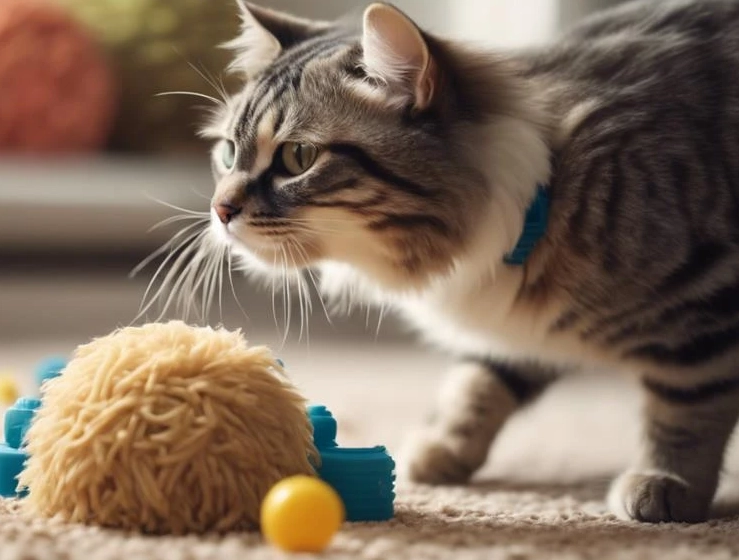
4. Environmental Enrichment (The Stealth Exercise)
This is about making your home itself a gym. Create vertical space with cat trees, shelves, or window perches. Place them so the cat has to jump from one to another to reach a favorite spot. Put their food bowl on a different level than their water bowl. Hide small treats on a cat tree to encourage climbing. This creates low-intensity, all-day movement that adds up.
The Crucial Diet & Exercise Combo
Exercise alone won't shed the pounds if your cat is still eating too much. You must address both sides of the equation.
Work with your vet to get that target daily calorie number. Then, measure every single meal. Eyeballing is how we got here. Use a proper measuring cup or a kitchen scale for wet food.
Incorporate a portion of those daily calories into your exercise plan. Use their regular kibble or a few special treats as the "reward" for a successful hunt with the wand toy. This creates a powerful positive association: play = food. It also ensures you're not adding extra calories on top of their diet.
Consider the food itself. Higher protein, lower carbohydrate diets (often found in quality wet foods) can help cats feel fuller and maintain muscle mass during weight loss. Resources like the WSAVA Global Nutrition Committee guidelines can help you choose an appropriate diet, but your vet's recommendation is paramount.
Weight loss should be slow—aim for about 1-2% of body weight per week. Weigh your cat monthly (a baby scale works well) to track progress and adjust food intake as they lose weight and their calorie needs decrease.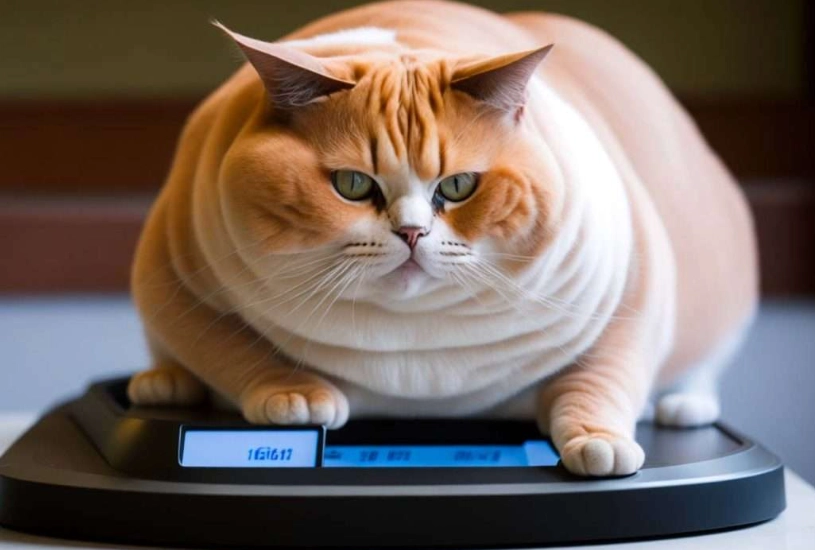
Your Cat Exercise Questions, Answered
My cat gets bored with toys quickly. What can I do?
This is the most common issue. Cats are novelty seekers. You need a "toy rotation" system. Keep 80% of the toys put away in a box. Every few days, swap out the available toys. An "old" toy brought out after a two-week hiatus becomes new again. Also, how you present the toy matters more than the toy itself. A piece of string dragged like a dying mouse is more exciting than an expensive electronic toy moving in a predictable circle.
Is a laser pointer good or bad for cat exercise?
It's a tool with a major caveat. Lasers are excellent for triggering the chase instinct and getting a cat running. However, they violate the core hunting principle: there is no capture. The prey vanishes, which can lead to frustration and obsessive behavior. If you use a laser, always end the session by pointing it at a physical toy or a treat, letting your cat "pounce" on something tangible. This provides closure to the hunt.
How do I exercise a lazy, food-motivated cat who won't play?
Start with food. Use their motivation to your advantage. Toss a single kibble across the room so they have to walk to it. Do this for an entire meal. Use a food puzzle that requires minimal effort at first. Combine a wand toy with a food reward—drag the toy toward you, and when they follow, give a tiny treat. You're building the connection between movement and reward. Start with absurdly short sessions—even 30 seconds of engagement is a win. Patience is everything.
My cat only plays at 3 AM. How can I change this schedule?
This is a classic crepuscular rhythm meeting a modern schedule. You need to exhaust their energy reserves before your bedtime. Have a vigorous, interactive 15-minute play session right before you go to sleep. Follow it with their last small meal of the day (using a puzzle feeder). This mimics the natural hunt-eat-groom-sleep cycle and should encourage them to sleep through the night with you.
How long until I see weight loss results from cat exercise?
Manage your expectations. With a consistent combination of controlled diet and daily exercise, you might notice behavioral changes first—more energy, more playful moods—within a couple of weeks. Visible physical changes and scale movement usually take 4-8 weeks. This is a marathon, not a sprint. The goal is permanent lifestyle change, not a quick fix that rebounds.



Join the Conversation