Let's be honest: brushing a cat's teeth is a battle few of us win. The hissing, the hiding, the scratched hands. After a decade working in veterinary clinics and fostering senior cats with chronic dental issues, I've seen the consequences of giving up on oral care. But I've also seen a simple, overlooked tool prevent a lot of pain and expensive vet bills: cat dental powder. It's not magic fairy dust, and some brands are frankly useless. But when you understand how it works and which one to pick, it can be a game-changer for your cat's health.
What's Inside This Guide
- What Exactly is Cat Dental Powder and How Does It Work?
- How to Choose the Best Cat Dental Powder: A 3-Step Selection Guide
- How to Use Cat Dental Powder: A Stress-Free, Step-by-Step Method
- Does Cat Dental Powder Really Work? Setting Realistic Expectations
- Frequently Asked Questions About Cat Dental Powder
What Exactly is Cat Dental Powder and How Does It Work?
Cat dental powder is a fine, tasteless powder you sprinkle on your cat's wet or dry food. Its primary job isn't to scrub teeth like a toothbrush. Instead, it works through biochemistry and microbiology, which is far more interesting.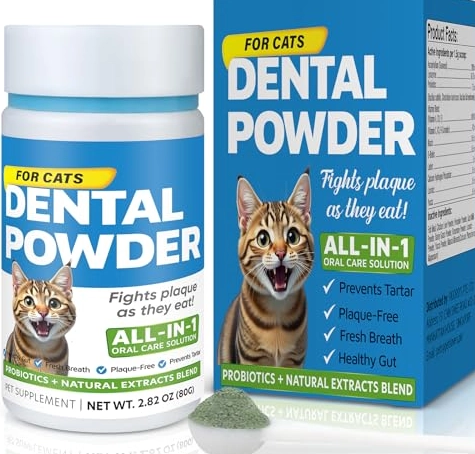
Think of plaque as a sticky biofilm—a bustling city of bacteria living on the tooth surface. The goal of an effective dental powder is to disrupt that city. Most powders use one or both of these strategies:
The "Slippery Slope" Approach (Mechanical/Abrasive): Some powders contain very fine, soft abrasives like diatomaceous earth or calcium carbonate. They're gentle enough not to damage enamel but can help polish the tooth surface slightly as the cat chews, making it harder for new plaque to stick. This is a minor effect, in my experience.
The "Bacteria Bouncer" Approach (Enzymatic/Biochemical): This is where the real action happens. High-quality powders contain natural enzymes (like glucose oxidase, lactoperoxidase) or specific seaweed extracts (like Ascophyllum nodosum). These ingredients work in the saliva. They either break down the gluey matrix that holds plaque together or prevent bacteria from adhering to the tooth in the first place. The Journal of the American Veterinary Medical Association has published studies showing the efficacy of certain seaweed-based ingredients in reducing plaque and tartar accumulation.
Key Insight: The powder doesn't need to be abrasive to work. In fact, the most effective ones I've seen rely on enzymatic action. They're working while your cat is sleeping, long after the meal is finished.
How to Choose the Best Cat Dental Powder: A 3-Step Selection Guide
The pet aisle is overwhelming. Here’s how to cut through the marketing and find a powder that actually does something.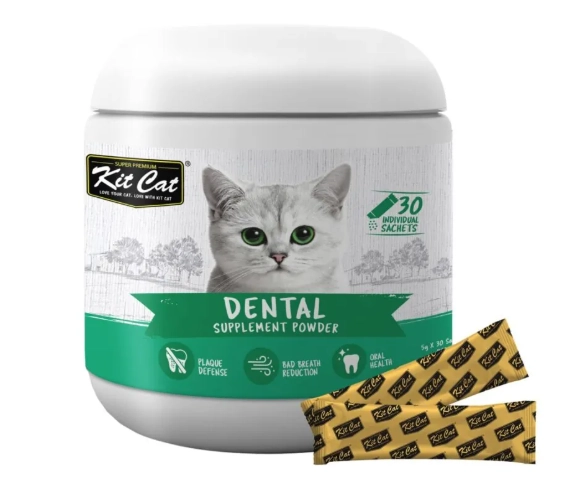
Step 1: Decode the Ingredient List (The Non-Negotiables)
Ignore the front of the package. Turn it over. You're looking for active ingredients with proven science. Here’s what matters:
- Proven Plaque Inhibitors: Look for Ascophyllum nodosum (a brown seaweed), zinc amino acid complex, or specific enzyme blends (often listed as "glucose oxidase," "lactoperoxidase system"). These have research behind them for interfering with plaque formation.
- Probiotics for Oral Health: Strains like Bacillus coagulans or Lactobacillus species. These are beneficial bacteria that can help crowd out the harmful plaque-forming bacteria in the mouth. This is a newer, promising area.
- What to Avoid: Powders that are just dried parsley or mint for "fresh breath" without any of the above active ingredients. They might make the breath smell better temporarily but do nothing for the plaque under the gumline causing the odor.
Step 2: Evaluate Texture and Taste (The Practicalities)
The powder must be ultra-fine and completely tasteless/odorless. Cats have incredibly sensitive noses and palates. A coarse powder feels like sand in their food. A powdery scent of algae or minerals will make a picky eater walk away. I've had clients swear a product "didn't work" when the cat simply stopped eating the food it was on.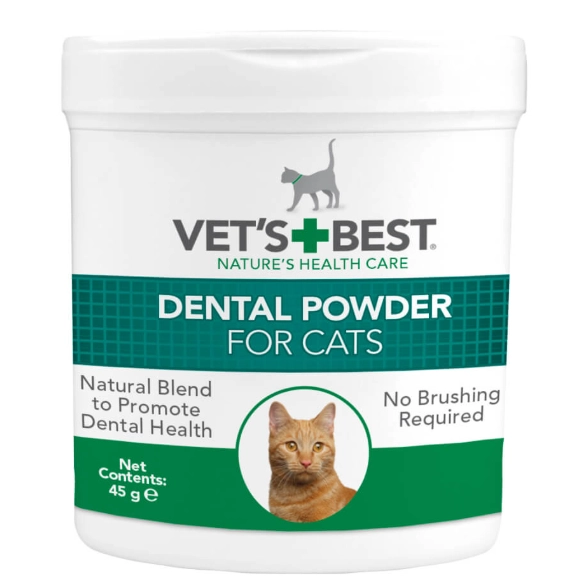
Step 3: Compare Value & Dosage
Don't just look at the jar price. Check the daily serving size. One powder might cost $30 for a 2oz jar with a 1/4 tsp daily dose, while another is $25 for a 4oz jar with a 1/8 tsp dose. The second is far more economical long-term.
| Ingredient/Feature | Why It Matters | What to Look For |
|---|---|---|
| Active Plaque Fighter (e.g., Seaweed, Enzymes) | This is the core mechanism. Without it, you're buying expensive garnish. | Ascophyllum nodosum, Zinc amino acid complex, Glucose oxidase, Lactoperoxidase. |
| Probiotics | Supports a healthy oral microbiome, crowding out bad bacteria. | Specific strains listed (e.g., Bacillus coagulans). "Probiotic blend" is too vague. |
| Texture | Must be fine like confectioner's sugar, not gritty. | Read reviews mentioning "fine powder" and "cat didn't notice." |
| Taste/Odor | Any strong smell will deter cats. | Tasteless and odorless claim. Avoid strong herbal or "green" smells. |
How to Use Cat Dental Powder: A Stress-Free, Step-by-Step Method
Getting this wrong is the biggest reason people see "no results." You can't just dump it on top of a pile of kibble.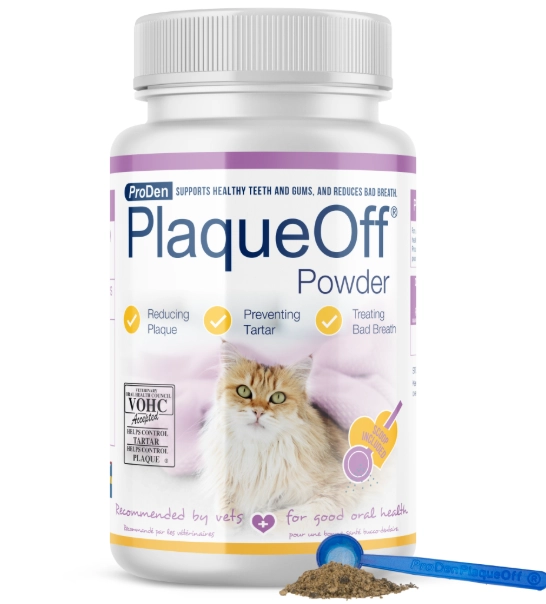
For Wet Food (The Easiest Method):
1. Place the wet food in the bowl.
2. Sprinkle the exact measured amount of powder evenly over the surface.
3. Use a fork to gently fold and mix the powder into the food until it's fully incorporated. The goal is to coat every morsel lightly, not have pockets of powder.
4. Serve immediately. The enzymes start working once mixed with saliva.
For Dry Food (Requires More Finesse):
1. Measure the dry kibble into the bowl.
2. Add a very small amount of water, bone broth (no onion/garlic), or a teaspoon of wet food to act as a binder. Just enough to make the kibble slightly damp.
3. Sprinkle the powder over the dampened kibble.
4. Stir or shake the bowl vigorously to coat every piece. The moisture makes the powder stick.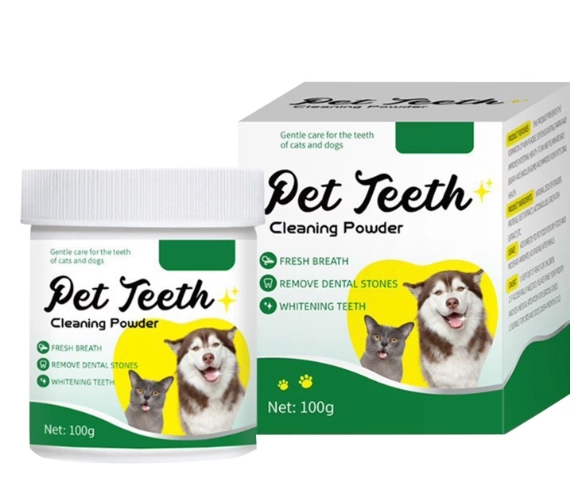
Common Mistake: Sprinkling powder on dry kibble without a binder. Most of it falls to the bottom of the bowl, and the cat never ingests it. You're essentially wasting the product.
Start slow. On day one, use a quarter of the dose to ensure your cat accepts it. Full efficacy requires daily, consistent use. It's not an "as-needed" treatment.
Does Cat Dental Powder Really Work? Setting Realistic Expectations
Yes, but with crucial caveats. It is a preventative maintenance tool, not a cure for existing disease.
If your cat already has significant tartar buildup (hard, brown crust on the teeth) or red, inflamed gums (gingivitis), powder alone won't fix that. That requires a professional veterinary dental cleaning under anesthesia. The powder's job is to slow down the re-accumulation of plaque after a cleaning or to help maintain already healthy teeth.
Think of it like this: Brushing is the gold standard (like daily flossing and brushing for yourself). Dental powder is like using a good therapeutic mouthwash daily—it reaches places brushing might miss and helps control bacterial growth, but it doesn't replace the mechanical action of brushing for everyone. For the cat who won't tolerate a brush, it's the next best thing.
In my practice, I've seen cats on a consistent, high-quality dental powder regimen go 2-3 years between professional cleanings, whereas cats with no home care might need one every year. The savings in vet bills and, more importantly, the reduction in pain and infection risk, are substantial.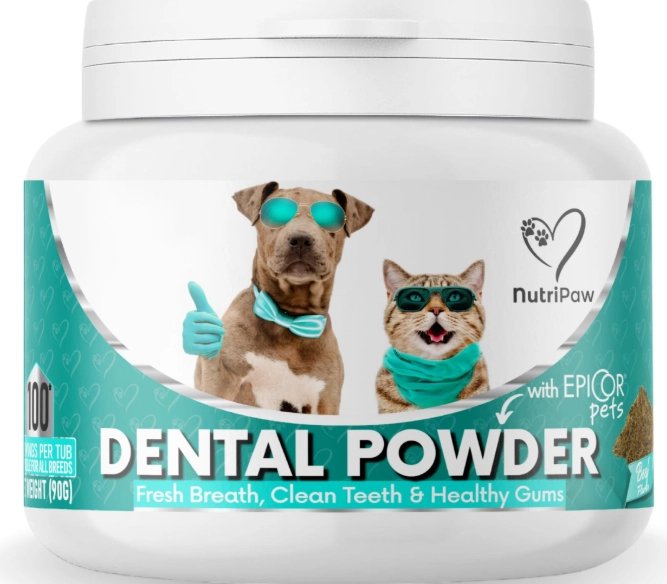
Frequently Asked Questions About Cat Dental Powder
Choosing a cat dental powder isn't about grabbing the first jar you see. It's about understanding the silent battle happening in your cat's mouth and picking a sidekick that actually knows how to fight. Skip the products that are just breath fresheners. Invest in one with transparent, active ingredients. Mix it properly. Be patient. It won't replace annual vet check-ups, but it might just make the "your cat needs a dental" conversation a lot less frequent and frightening.


Join the Conversation