Quick Guide
So you've brought home a little ball of fur. Maybe it's a hamster scurrying in its wheel at 2 AM, a guinea pig whistling for veggies, or a rabbit doing those adorable little binkies. They're cute, they're compact, and they come with a responsibility that's often underestimated. I've been there—thinking a small cage and some pellets were enough. My first hamster, Peanut, taught me otherwise the hard way. That's why I'm pouring everything I've learned (and messed up) over the years into this guide. This isn't just a list of instructions; it's a deep dive into creating a thriving life for your tiny companion. Forget the one-size-fits-all advice. Real small pet care is about understanding the unique, quirky individual in your care.
Let's be honest. Pet stores often sell a fantasy—the cute animal in the colorful, cramped cage. The reality of proper small mammal care is more complex, but infinitely more rewarding. It's about observing, learning, and adapting. Your goal isn't just to keep them alive, but to help them flourish. Their world is the habitat you build, and their wellbeing is directly in your hands. Ready to go beyond the basics? Let's get into the nitty-gritty.
Know Your Pet: It's Not Just a "Small Furry Thing"
This is the biggest mistake new owners make. A hamster is not a tiny guinea pig. A rabbit is not a big hamster. Their needs are wildly different, stemming from their natural history. A guinea pig is a highly social, vocal herd animal from the open grasslands of South America. A Syrian hamster is a solitary, burrowing, nocturnal desert dweller from the Middle East. Treating them the same is a recipe for stress and health problems.
I made this mistake early on. I tried to house two dwarf hamsters together because they were "friends" at the store. It ended in a stressful separation after some nasty squabbles. I simply didn't know their nature. So, before you buy a single piece of bedding, you need to know who you're caring for.
| Pet Type | Key Nature & Origin | Social Needs | Activity Cycle | Critical Care Insight |
|---|---|---|---|---|
| Syrian Hamster | Solitary, burrower, arid regions | Must live ALONE. Will fight. | Strictly nocturnal | Needs deep bedding (10+ inches) for burrowing. A small cage equals a stressed hamster. |
| Dwarf Hamster (Robo, Winter White, Campbell's) | Can be social in same-sex pairs if raised together, but not always. Desert/steppe. | Proceed with caution. Always have a backup plan. | Mostly nocturnal/crepuscular | Incredibly fast and skittish. Needs a secure, escape-proof habitat with a solid bottom. |
| Guinea Pig | Highly social herd animal, grasslands | NEEDS a same-species companion. Isolated pigs get depressed. | Diurnal (day active) | Cannot synthesize Vitamin C. Must get it daily via fresh veggies (bell pepper, kale). |
| Rabbit | Social, prey animal, meadows/woods | Strongly benefits from a bonded partner (spayed/neutered). | Crepuscular (dawn/dusk) | Not a "low-maintenance" pet. Needs large space, hay 24/7, and often litter training. |
| Rat | Highly intelligent, social, burrowers/climbers | Must have at least one same-sex friend. | Mostly nocturnal, but adapts | Prone to respiratory issues. Avoid dusty bedding (cedar, pine). Need mental challenges. |
| Mouse | Social, curious, great climbers | Does best in small, same-sex groups. | Nocturnal | Produce very little urine but have a distinct smell. Need good ventilation and cleaning. |
See what I mean? The foundation of all good small pet care tips starts with this basic biology. Getting this wrong makes everything else an uphill battle.
The Five Pillars of Flawless Small Pet Care
Think of these as the non-negotiable basics. If you nail these five areas, you're 90% of the way to being an amazing pet parent.
Pillar 1: Space & Habitat – It's Their Entire World
The cage sold at the pet store is almost always too small. I'm not exaggerating. The minimums you often see are for survival, not for a good life. Let's talk real numbers.
For a Syrian hamster, the absolute bare minimum floor space recommended by experts is 775 square inches (about 100cm x 50cm). And that's just the floor. They need height for a big wheel and depth for bedding. For guinea pigs, the Humane Society recommends at least 7.5 square feet for one pig, and 10.5 square feet for two. That's not a cage you'll find in a mall.
So what are the options? Forget the standard wire cages with plastic bottoms. Look into:
- Large Aquariums/Tanks (40+ gallon): Great for hamsters and mice, provide deep bedding depth, no bar climbing. Need a secure mesh lid.
- DIY Bin Cages: A large plastic storage bin with mesh panels cut into the sides and lid. Cheap, spacious, and customizable. My go-to for hamster rescues.
- C&C (Cubes & Coroplast) Grid Cages: The gold standard for guinea pigs and rabbits. You can create massive, open-top living spaces tailored to your room.
- Large, Specialized Rabbit Pens: Often called "exercise pens" or "puppy pens," these can be configured into large, open areas.
The habitat isn't just walls. It's what's inside. Substrate is huge. Avoid cedar and pine shavings (the phenols can cause liver and respiratory issues). Aspen shavings are safe. Paper-based bedding is popular and absorbent. For burrowers, a layer of orchard grass hay or paper bedding over a base of aspen is perfect.
Pillar 2: Diet – It's More Than Just Bagged Food
That colorful seed mix in the cute package? Often junk food. It leads to selective feeding (they pick out the fatty, tasty bits and leave the healthy pellets) and malnutrition. Here's the breakdown by species: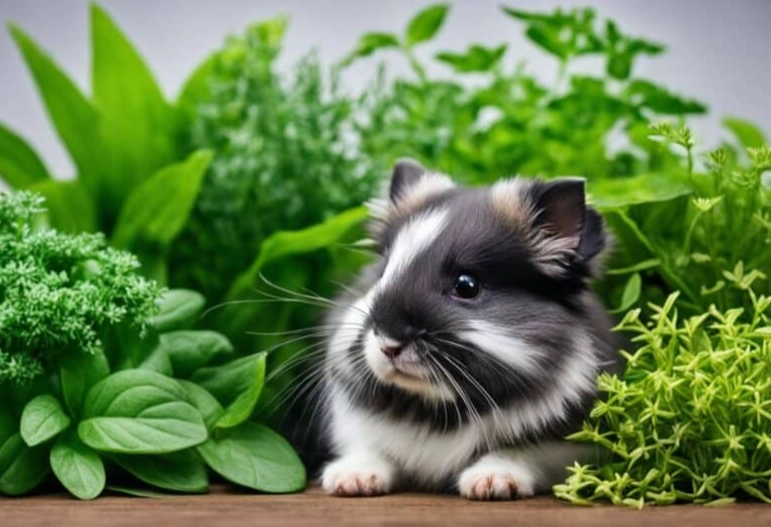
Hamsters & Gerbils: A high-quality, lab-block or pellet as a base (like Mazuri Rat & Mouse or Higgins Sunburst Gourmet blend) ensures they get all nutrients. Supplement with a small, measured amount of seeds, grains, and the occasional protein (mealworm, plain cooked chicken). Fresh veggies in tiny amounts (a teaspoon) daily—think broccoli, cucumber, carrot tops.
Guinea Pigs: This is critical. Their diet is a three-legged stool: 1) Unlimited Timothy Hay (or Orchard Grass): 80% of diet, for digestion and teeth. 2) Vitamin C-Rich Veggies Daily: A cup per pig. Bell peppers (all colors) are the best staple. Add romaine, cilantro, kale. 3) Quality Guinea Pig Pellets: Fortified with Vitamin C (check expiry date, as it degrades). No seeds or colorful bits in the mix.
Rabbits: Almost identical to guinea pigs, but they don't need the Vitamin C fortification. Unlimited hay, fresh leafy greens, limited pellets. Root vegetables (carrots) are treats, not staples.
Rats & Mice: A good lab-block (like Oxbow) is the staple. They thrive on variety—offer cooked pasta, whole grains, bits of fruit, veggies, and lean protein. Rats are especially prone to obesity, so watch portions.
Pillar 3: Enrichment – Boredom is a Disease
A pet with nothing to do will develop stereotypies—repetitive, meaningless behaviors like bar chewing, over-grooming, or pacing. This is a sign of psychological distress. Your job is to create a stimulating environment.
- Foraging is Key: Don't just put food in a bowl. Scatter it in their bedding. Hide it in toilet paper rolls stuffed with hay. Use puzzle feeders. Make them work for it.
- Chew, Chew, Chew: Rodent teeth never stop growing. Provide applewood sticks, seagrass mats, loofahs, and cardboard. Avoid anything painted or with glue.
- Climbing & Hiding: Multi-level habitats (with safe ramps), ropes for rats, platforms, and an abundance of hideouts. They should always feel they can get out of sight. Have multiple hides—one for sleeping, one for the bathroom corner.
- The Right Wheel: For hamsters, mice, and rats, a solid-surface wheel is mandatory. Wire or mesh wheels cause painful foot injuries (bumblefoot). It must be large enough that their back doesn't arch. For a Syrian, that's 10-12 inches in diameter. Silent spinners are worth every penny for nocturnal pets!
These care tips for small pets around enrichment aren't extras; they're requirements for mental health.
Pillar 4: Health Monitoring – You Are Their First Responder
Small pets are masters at hiding illness (a prey animal instinct). By the time they look sick, they're often critically ill. You need to be a detective.
Do a weekly "health check": gently feel their body for any lumps, check their eyes and nose for discharge (a sign of respiratory infection, common in rats and guinea pigs), look at their teeth for overgrowth (especially in rabbits and guinea pigs), and monitor their rear end for cleanliness ("poopy butt" in rabbits can signal diet or mobility issues). Weigh them weekly with a kitchen scale. Sudden weight loss is the first red flag for almost anything.
Find an exotic veterinarian before you have an emergency. Not all vets see "pocket pets." The Association of Exotic Mammal Veterinarians (AEMV) has a locator tool. Have a vet fund. A simple guinea pig bladder stone surgery can cost hundreds.
Pillar 5: Handling & Bonding – On Their Terms
Forcing interaction builds fear. Bonding is about trust, not domination. Start by just sitting by their open habitat, talking softly. Offer treats from your open palm. Let them climb on you voluntarily.
For prey animals (rabbits, guinea pigs), being lifted off the ground is terrifying. Support their entire body. For small rodents, scoop with two hands. Never grab from above like a predator.
I learned patience with my shy rat, Echo. For weeks, she'd just sniff my hand and run. I didn't push it. One day, she climbed into my sleeve and fell asleep. That moment of trust, earned on her time, was worth all the waiting. These tips for small pet care are what transform ownership into a relationship.
Troubleshooting Common Small Pet Problems
Things will go off-script. Here's how to handle some frequent issues.
"My hamster is bar biting and escaping!" This is the classic sign of a cage that's too small, boring, or both. Immediately upgrade the space and add deep bedding, a proper wheel, and hiding spots. Bar biting is a stress behavior, not a "fun habit."
"My guinea pigs are rumbling and chasing each other." Some dominance behavior is normal, especially during introductions or hormonal phases. Ensure you have a large enough cage with multiple hideouts and food/water stations. Serious, persistent fighting with biting and fur pulling, however, may mean they need to be separated. Spaying/neutering can help.
"My rabbit isn't eating or pooping." This is a VETERINARY EMERGENCY. Gastrointestinal stasis (GI stasis) can kill a rabbit within 24 hours. It means their gut has slowed or stopped. Do not wait. Get to your exotic vet immediately. In the meantime, try to syringe-feed water and critical care formula if you have it, and gently massage their belly.
"My pet's cage smells terrible immediately after cleaning." You might be cleaning too thoroughly. Using harsh soaps and stripping all the scent stresses them. Do a partial clean—remove soiled bedding but leave some clean bedding to retain their scent. Use vinegar and water for cleaning; it neutralizes ammonia odors effectively.
Your Small Pet Care Questions, Answered

Final Thoughts: The Commitment is Real
Bringing a small pet into your home isn't a casual hobby. For that animal, you are their entire universe. Their health, happiness, and lifespan (which can be 5-8 years for a guinea pig or rat, 2-3 for a hamster) depend on the choices you make every day.
The most valuable of all small pet care tips I can give is this: observe. Spend time just watching them. Learn their routines, their preferences, their little personalities. Does your guinea pig popcorn when you bring parsley? Does your hamster stuff its cheeks in a particular way? That connection, that understanding, is the real joy of sharing your life with these incredible little creatures. It turns a chore list into a labor of love.
It's not always easy. There will be escaped insects for the lizard, midnight wheel noise, vet bills, and the heartbreak of a short lifespan. But in return, you get a unique window into a tiny, vibrant world. You get to be the reason a life is lived well. And honestly, there's nothing better than that.



Join the Conversation