Quick Guide
Let's be honest. When most people think about getting a cat, they picture the cuddles and the purrs. The idea of litter box training a cat feels like a footnote, something that just… happens. And for a lucky majority, it does. Cats have this natural instinct to bury their waste. It's hardwired. So in many cases, you plop the box down, plop the kitten near it, and you're golden. But then there's the other side of the coin. The side where your brand-new sofa becomes the new preferred bathroom, or the corner behind the TV starts smelling… interesting.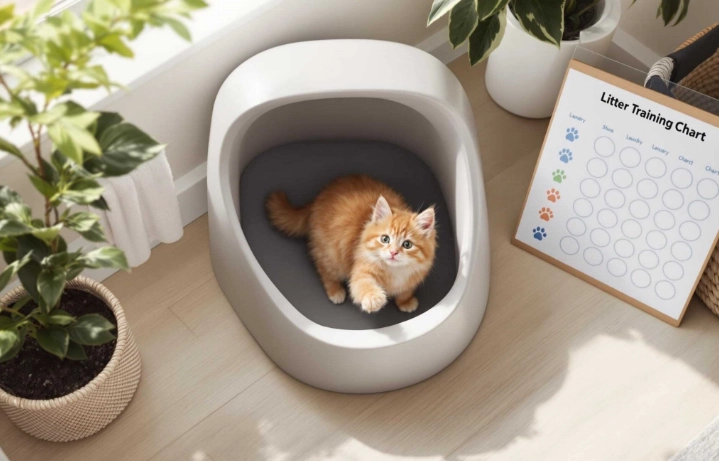
That's where this guide comes in. I've been through it all—the easy kittens that got it right away, the stubborn rescues that wanted nothing to do with any box I offered, and everything in between. This isn't just a theoretical rundown. It's a practical, step-by-step map for navigating the sometimes-stinky world of cat toilet habits. We'll cover the simple stuff for new kittens, the more nuanced approach for adult cats, and most importantly, how to troubleshoot when things go wrong. Because that's usually what people are really searching for when they type "litter box training a cat" into Google—they've got a problem.
Setting the Stage for Success: It's More Than Just a Box
Before you even bring your cat home, or before you start any formal litter box training attempt, you need to get the environment right. Think of this as building the foundation. A shaky foundation means problems later. I learned this the hard way with my cat, Milo. I bought the cheapest, smallest box I could find, filled it with the most heavily perfumed litter (because who wants smell, right?), and stuck it in a dark, scary corner of the laundry room next to the rumbling dryer. Guess how that went? He used it once, then never again.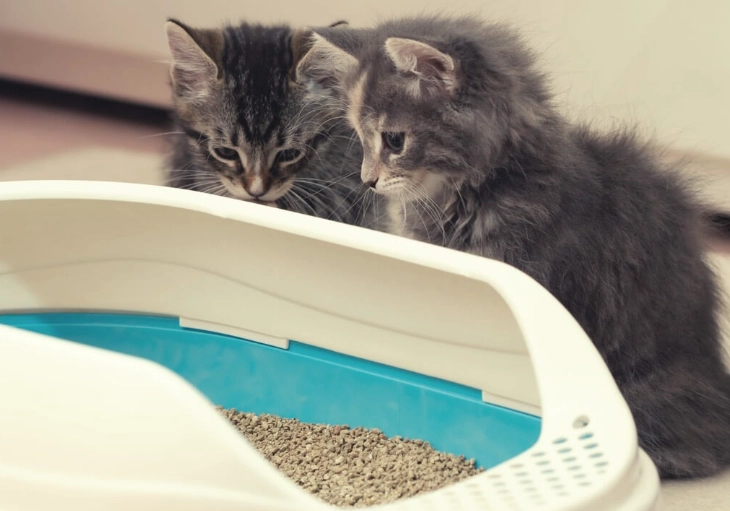
The Goldilocks Principle for Litter Boxes
The box itself is crucial. It's not one-size-fits-all.
Size matters, a lot. The rule of thumb is that the box should be at least 1.5 times the length of your cat from nose to tail base. A common mistake is getting a box that's too small. An adult cat should be able to turn around comfortably, dig, and cover without feeling cramped. For large breeds like Maine Coons, you might need to look at extra-large storage bins instead of traditional boxes.
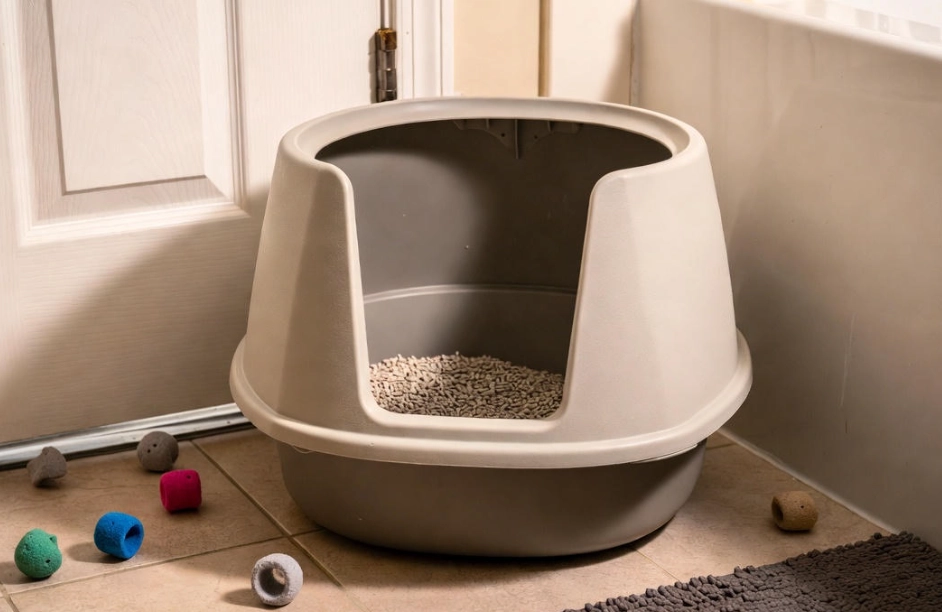
Covered vs. Uncovered. This is a big debate. Covered boxes give humans privacy and can contain some scatter. But many cats hate them. They trap odors inside (which is horrible for a cat's sensitive nose), can feel confining, and don't allow for easy escape if they feel threatened. I generally recommend starting with a large, open box. If scatter is a major issue, you can try a high-sided box or one with a top-entry design, which many cats tolerate better than a hooded one.
How many boxes? The unofficial but almost universally accepted rule is one box per cat, plus one extra. So, for one cat, have two boxes. For two cats, have three. This prevents resource guarding, gives options if one box is dirty, and is just plain good hygiene. Place them in different, quiet locations.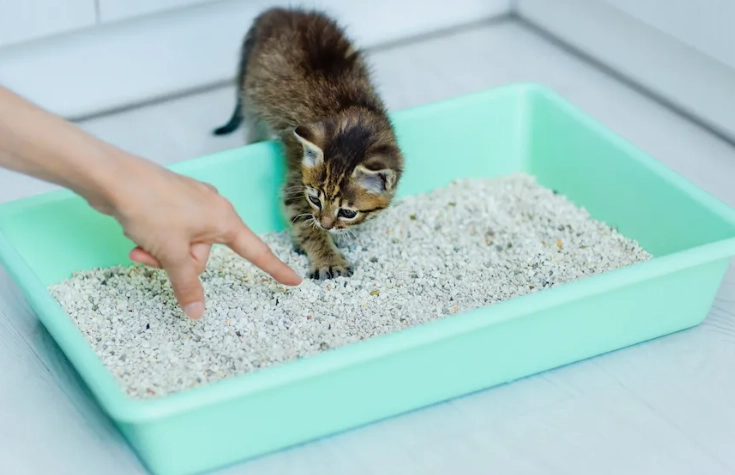
The Great Litter Debate: Clumping, Clay, Silica, Pine?
Walk down the pet aisle and the choices are overwhelming. Your cat has a strong opinion here, and theirs is the only one that counts. When you're litter box training a cat, especially an adult with established preferences, the wrong litter can be a deal-breaker.
| Litter Type | Pros | Cons | Best For |
|---|---|---|---|
| Unscented Clumping Clay | Most popular, easy to scoop, controls odor well by forming solid clumps. | Dusty, heavy, not biodegradable. Tracking can be an issue. | Most cats, especially as a starting point. The default choice for a reason. |
| Silica Gel Crystals | Excellent odor control, very low dust, lightweight, lasts a long time. | Can be expensive. Some cats dislike the feel or sound of the crystals. | People seeking low maintenance and superior odor control, if their cat accepts it. |
| Natural/Plant-Based (Pine, Wheat, Corn) | Biodegradable, often low dust, natural odor control (like a pine smell). | Clumping ability varies. Can attract bugs if not stored properly. Some cats are allergic. | Eco-conscious owners, cats with respiratory issues (low dust). |
| Recycled Paper Pellets | Highly absorbent, very low dust, good for cats recovering from surgery. | Doesn't clump, so you change the whole box frequently. Poor odor control over time. | Kittens (safe if ingested), post-surgical cats, or as a temporary option. |
My advice? Start with an unscented, clumping clay litter. It's the closest thing to a universal winner. Heavy perfumes are meant for humans, not cats, and can irritate their respiratory system and deter them from the box. The American Society for the Prevention of Cruelty to Animals (ASPCA) explicitly recommends unscented litter for this reason. You can find more on their general cat care guidelines here.
Location, location, location. Put the box in a quiet, low-traffic area where the cat feels safe. Not next to the loud washing machine. Not in the middle of the playroom. A corner of a spare room, a bathroom, or a quiet hallway. It should be easily accessible 24/7. Also, don't put food and water bowls right next to the litter box. Would you want to eat in your bathroom?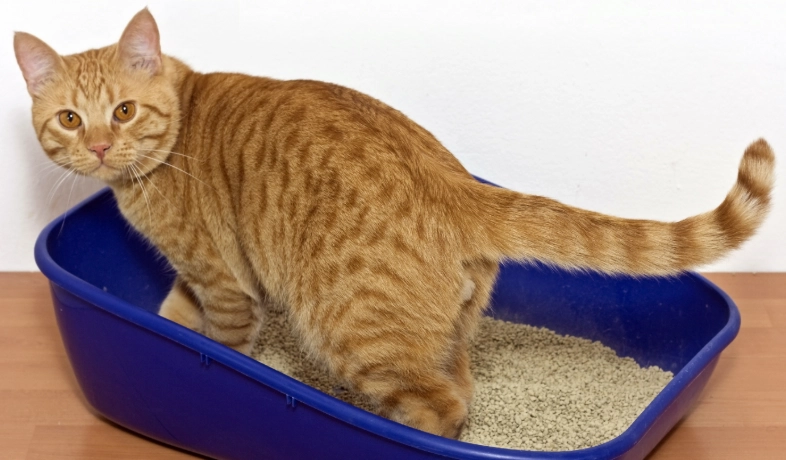
The Step-by-Step Guide: Training Kittens vs. Adult Cats
The core process of litter box training a cat is similar, but your starting point and patience level will differ.
How to Litter Train a Kitten (The Easy Mode)
With kittens, you're mostly reinforcing instinct.
- The Introduction. As soon as you bring the kitten home, place them gently in the clean litter box. Let them sniff and explore. Don't force them to stay. Just let them get the idea that "this thing is here."
- Timing is Everything. Kittens have tiny bladders and need to go frequently: after waking up, after playing, and after eating. Watch for signs like sniffing the ground, circling, or crouching. When you see these, gently pick them up and place them in the box.
- The Digging Instinct. After they finish their business, you can take their front paw and gently make a digging motion in the litter. This triggers that innate burying behavior. Most will catch on quickly.
- Praise, Don't Punish. When they use the box correctly, offer quiet praise, a gentle pet, or a tiny treat. Never, ever punish a kitten for an accident. They won't connect the punishment with the act; they'll just learn to be afraid of you and will hide to go to the bathroom.
- Clean Accidents Thoroughly. Use an enzymatic cleaner specifically designed for pet urine. Regular cleaners just mask the smell to humans; to a cat, the scent markers are still there, inviting a repeat performance.
Really, that's it. Consistency is key. Most kittens are fully reliable within a few weeks.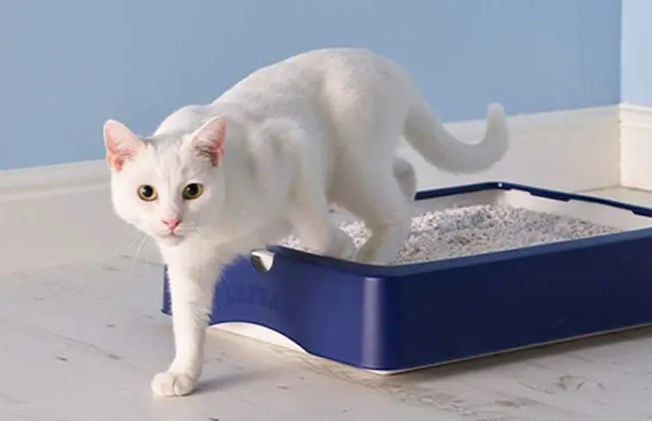
Litter Box Training an Adult Cat (or a Stray/Rescue)
This can be trickier. An adult cat might have bad habits, fears, or strong preferences. The process is more about creating irresistible conditions and managing the environment.
- Start Confined. For a new adult cat, especially one from a shelter or stray situation, start them in a small, comfortable room (like a bathroom or spare bedroom) with all their essentials: food, water, bed, toys, and the litter box. This reduces stress and makes the box the only logical choice. Keep them here for at least a few days until they are consistently using the box.
- Offer Choice. If you're dealing with a cat that's already having issues, try the "litter box cafeteria." Set up 2-3 identical boxes side-by-side but fill them with different types of litter (unscented clumping, silica crystals, maybe a natural pine). See which one the cat chooses to use. You've just discovered their preference.
- Play Detective with Placement. Is the current box location too noisy? Too exposed? Too difficult to get to? Try a new, quieter location. Sometimes just moving the box a few feet into a more secluded spot works wonders.
- Meticulous Cleanliness. Adult cats are often more fastidious than kittens. Scoop at least once a day, preferably twice. Completely change the litter and wash the box with mild soap and water weekly. A dirty box is the number one reason cats start going elsewhere.
- Patience and Positive Reinforcement. The same rule applies: praise for success, no punishment for accidents. Clean accidents with enzymatic cleaner.
What if the cat was previously an outdoor cat? The process is similar, but you might try using a soil or sand-based litter initially, as it feels more familiar, then slowly transition to a more standard litter by mixing it in.
When Things Go Wrong: Solving Common Litter Box Problems
This is the heart of the matter for so many cat owners. Your cat was using the box, and now they're not. Or they never really started. Let's break down the usual suspects.
The Cat is Going RIGHT NEXT TO the Box
This is a classic sign of box dissatisfaction. The cat wants to do the right thing (they're going in the general area) but finds the actual box unacceptable. Ask yourself:
- Is the box clean enough? (Scoop more!)
- Is the box too small or covered?
- Does the cat have arthritis or pain making it hard to step in and out? (A low-entry box can help).
- Is the litter type or depth wrong? (Most cats prefer 2-3 inches of litter).
Spraying (Marking Vertical Surfaces) vs. Inappropriate Elimination
This is critical to distinguish. Spraying is a communication behavior, not a bathroom behavior. The cat stands, tail quivering, and backs up to a vertical surface (wall, furniture, curtain) and sprays a small amount of urine. It's often linked to stress, anxiety, or territorial disputes (even with outdoor cats seen through a window).
Inappropriate elimination is when the cat squats and pees or poops on a horizontal surface (floor, bed, bathmat) as if it were a litter box. This is usually a box problem or a medical problem.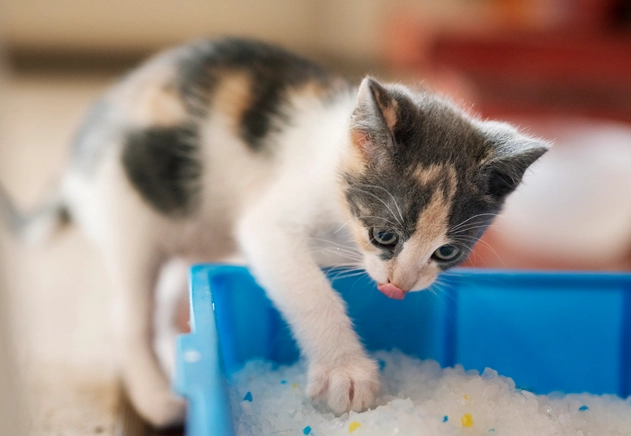
My Cat is Pooping Outside the Box
If the vet gives a clean bill of health, consider these causes:
- Box Cleanliness: Cats are often even pickier about poop than pee. A box with old poop is a major turn-off.
- Number of Boxes: In a multi-cat home, one cat might be guarding the box, preventing another from using it. The "plus one" rule is essential here.
- Litter Type: Maybe they don't like the feel on their paws for defecation.
- Box Location: If the box is in a place where the cat feels ambushed (e.g., another cat blocks the exit), they'll find a safer spot.
- Stress or Anxiety: Changes in the household, new pets, or even new furniture can trigger this. Providing more vertical space, hiding spots, and using synthetic pheromone diffusers (like Feliway) can help reduce environmental stress.
Solving litter box problems is a process of elimination (pun intended). You change one variable at a time and observe. Did moving the box help? Did switching to unscented litter help? Did adding a second box in a different room help?
Answers to Questions You're Probably Asking
The single most important thing you can do to ensure success with litter box training a cat is to listen to what your cat is telling you—through their actions, their preferences, and their aversions. It's a partnership, not a dictatorship.
Look, at the end of the day, litter box training a cat boils down to understanding feline nature. They want to be clean. They want to bury their waste. Our job is to provide a setup that makes that easy, appealing, and stress-free for them. It's about removing obstacles, not forcing compliance. When you hit a snag, take a deep breath, go back to the basics—vet check, clean box, right litter, good location—and start your detective work. It can be frustrating, I won't lie. But solving the puzzle and restoring harmony to your home is incredibly rewarding. Your cat will be happier, and you'll save your carpets. That's a win-win.

Join the Conversation