So you're thinking about getting a reptile. Smart move. They're fascinating, often low-maintenance compared to a dog, and watching a bearded dragon bask is weirdly therapeutic. But walking into a pet store or browsing online listings can be overwhelming. Which one won't die if you make a rookie mistake? Which one might actually enjoy being handled? I've been keeping reptiles for over a decade, and I've seen the good, the bad, and the escape-artist snakes. Let's cut through the noise. The best beginner reptiles aren't just the cheapest or the smallest—they're the ones that forgive common errors, have straightforward needs, and have personalities that mesh with a first-time owner.
My first reptile was a leopard gecko I got in college, and I made every mistake in the book. Wrong substrate, wrong heat source, you name it. He survived (thankfully), but it taught me that "hardy" doesn't mean "impossible to kill." It means they communicate their needs clearly and bounce back if you correct course quickly. That's the key we're looking for.
Your Quick Guide to Getting Started
Top 5 Best Reptiles for Beginners
This list is based on a combination of temperament, care difficulty, availability, and cost of initial setup. We're prioritizing animals that are commonly captive-bred (better for health and temperament), eat readily available food, and don't require massive, expensive enclosures right off the bat.
1. Leopard Gecko (Eublepharis macularius)
The quintessential starter lizard. Why are they perfect? They're small (8-10 inches), have simple housing needs, and are almost always docile. Unlike many lizards, they have eyelids—they'll blink at you! They're insectivores (crickets, mealworms, dubia roaches), so no need to deal with messy salads. A 20-gallon long tank is perfect for life. The biggest pro? They're tough. As long as you provide a warm hide and a cool hide, a calcium dish, and proper heating from an under-tank heater (not a heat lamp!), they thrive. My old leopard gecko lived to be 22. The con? They're nocturnal, so you won't see much daytime activity.
2. Bearded Dragon (Pogona vitticeps)
The "puppy dog" of the reptile world. If you want a lizard that's active during the day, has personality, and seems to enjoy interaction, this is it. They're larger (18-24 inches), so they need a bigger enclosure—a 120-gallon tank (4x2x2 feet) is the modern recommended minimum for an adult. Their care is more complex: they need powerful UVB lighting, a temperature gradient from 100°F basking to 80°F cool side, and a varied diet of insects and chopped vegetables. The setup cost is higher, but the reward is a reptile that will watch TV with you, bob its head, and even cuddle. Just be ready for the poop—it's sizable.
3. Corn Snake (Pantherophis guttatus)
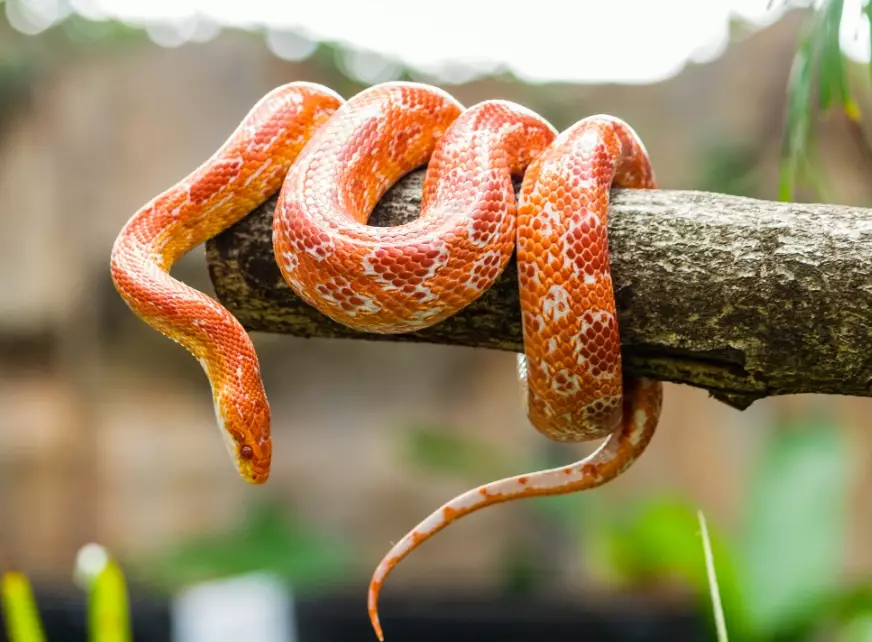
The ideal first snake. Forget the horror movies; corn snakes are gentle, curious, and rarely bite. They're escape artists, though—latch the lid securely. They grow to a manageable 4-5 feet, perfect for handling. A 40-gallon breeder tank works for an adult. They eat frozen/thawed mice, which is convenient and safe. Their temperature needs are simple: a warm side around 85°F and a cool side around 75°F. With countless beautiful color morphs (like amelanistic, anery, and lavender), you can find one that truly catches your eye. They're also prolific breeders, so captive-bred babies are everywhere and affordable.
4. Blue-Tongued Skink (Tiliqua spp.)
Think of a heavy-bodied, slow-moving sausage with legs and a brilliant blue tongue they flash when startled. Indonesian and Northern species are most common. They're incredibly hardy and have a great feeding response—they're omnivores, eating high-quality canned dog food, insects, snails, and veggies. They don't climb, so a long, low enclosure (like a 75-gallon) is key. They need moderate humidity and a basking spot. Their main downside is price; a captive-bred juvenile can cost several hundred dollars. But you're paying for a unique, interactive pet that's less flighty than many lizards.
5. Russian or Hermann's Tortoise (Testudo horsfieldii / Testudo hermanni)
For someone who wants a truly long-term, diurnal pet that's more about observing than handling. These small tortoise species (6-10 inches) are herbivores, mowing down a diet of weeds, leafy greens, and flowers. They require significant space—a properly set up outdoor pen for summer is ideal, with a large indoor tortoise table for winter. They need high heat, strong UVB, and low humidity. The commitment is massive (they can live 50+ years), and they're not cuddly. But if you want a fascinating, grazing pet that you can literally garden for, a tortoise is unmatched. Avoid "supermarket" species like the Sulcata, which quickly becomes gigantic.
| Reptile | Adult Size | Min. Enclosure | Diet | Key Temperament Trait |
|---|---|---|---|---|
| Leopard Gecko | 8-10 inches | 20-gallon long | Insects (crickets, worms) | Docile, nocturnal, easy handler |
| Bearded Dragon | 18-24 inches | 120-gallon (4'x2'x2') | Insects & Vegetables | Diurnal, interactive, "puppy-like" |
| Corn Snake | 4-5 feet | 40-gallon breeder | Frozen/Thawed Mice | Curious, gentle, excellent handler |
| Blue-Tongued Skink | 18-24 inches | 75-gallon | Omnivore (dog food, veg, insects) | Hardy, slow-moving, unique |
| Russian Tortoise | 6-8 inches | Large Tortoise Table (8 sq ft+) | Herbivore (weeds, greens) | Diurnal, long-lived, observational |
How to Choose Your First Reptile
Don't just pick the prettiest one. Match the animal to your lifestyle and what you want from pet ownership.
Ask yourself these questions:
How much daily time do you have? A bearded dragon needs fresh salads daily and insect feedings. A leopard gecko needs insects every 2-3 days and spot-cleaning. A snake eats once a week. A tortoise needs fresh food daily and enclosure maintenance.
What's your budget for setup? The animal is often the cheapest part. For a bearded dragon, a proper PVC enclosure, UVB light, heating, and decor can easily surpass $500-$700 initially. A leopard gecko setup can be under $300. Factor in ongoing costs for food, substrate, and bulb replacements (UVB bulbs lose strength long before they burn out, replace every 6-12 months).
Do you want to handle your pet? Leopard geckos, bearded dragons, and corn snakes typically tolerate or enjoy handling. Blue-tongued skinks can be handled but are more ground-bound. Tortoises generally do not enjoy being picked up and carried around.
What about feeding? Are you comfortable dealing with live insects? Can you store frozen mice in your freezer? Will you commit to preparing fresh salads? Your answers will immediately rule options in or out.
Here's a personal tip: Visit a reptile expo. Don't buy on impulse, but go to see the adult size of the animals, talk to dedicated breeders (not pet store staff), and get a feel for them. A breeder who asks *you* questions about your setup is a good sign.
Essential Reptile Care Equipment (The Non-Negotiables)
Getting this wrong is where 90% of beginners fail. It's not about fancy decor; it's about replicating core aspects of their native environment.
Enclosure: Bigger is always better. That tiny "starter kit" is almost always inadequate. Glass tanks are fine for arid species, but for animals needing humidity (like some skinks), PVC or front-opening enclosures hold heat and moisture much better. Screen tops let all your heat and humidity escape.
Heating: Reptiles are ectotherms. They can't regulate their own body temperature. You must provide a temperature gradient—a warm end and a cool end so they can move to where they feel best. Use thermostats! An unregulated heat mat can cause severe burns. For basking lizards (bearded dragons, skinks), a ceramic heat emitter or halogen bulb on a thermostat is essential.
Lighting: This is the most overlooked cost. Diurnal, desert species like bearded dragons and tortoises require high-output UVB lighting (like a ReptiSun 10.0 T5 or Arcadia 12%) to synthesize vitamin D3 and metabolize calcium. Without it, they develop Metabolic Bone Disease (MBD), a painful, crippling condition. Nocturnal species (leopard geckos, corn snakes) don't need dedicated UVB if their diet is properly supplemented, but it doesn't hurt. Change UVB bulbs every 6-12 months.
Substrate: Flooring matters. For beginners, avoid loose sand (except for specific setups with expert monitoring)—it causes impaction if ingested. Use paper towel, slate tile, or reptile carpet for absolute beginners. For burrowers like leopard geckos, a soil/sand/clay mix can work later. For humidity, coconut fiber or cypress mulch.
Hides & Enrichment: At least two hides: one on the warm side, one on the cool side. This gives them security. Add branches, rocks, and fake plants to break up sight lines and encourage natural behaviors.
Common Beginner Mistakes to Avoid
I've made these. My friends have made these. Let's skip them.
Mistake 1: Prioritizing the enclosure's look over the animal's needs. That beautiful desert backdrop is great until you realize your bearded dragon can see its reflection all day and gets stressed. Or the tall, narrow "reptile mansion" is useless for a species that needs floor space, not height.
Mistake 2: Using heat rocks. Just don't. They are notorious for causing thermal burns. Under-tank heaters are fine for leopard geckos and snakes, but only when connected to a thermostat.
Mistake 3: Skimping on the thermostat. This is the single most important piece of equipment for safety. A $30 pulse thermostat will save your pet's life and your investment.
Mistake 4: Handling too soon. Give your new pet at least a week, preferably two, to settle in without being handled. Let them learn their new home is safe. Start with short, 5-minute sessions.
Mistake 5: Trusting pet store advice blindly. Many employees are trained to sell products, not provide species-specific expertise. Cross-check everything with reputable online care guides from sources like Reptifiles or forums like Reptile Forums UK/US. Look for care sheets backed by experienced keepers and breeders.
FAQs About Beginner Reptiles
Are leopard geckos or bearded dragons better for a child's first reptile?
What is the biggest mistake new reptile owners make with heating and lighting?
I'm squeamish about feeding insects or mice. What's the best beginner reptile for me?
How often do I really need to clean the enclosure?
Can I house two reptiles together?
The journey into reptile keeping is incredibly rewarding. It's less about cuddling and more about creating a tiny, functional world and observing a fascinating creature thrive within it. Do your homework before you buy, invest in the right equipment from the start, and choose one of these five forgiving species. You'll set yourself—and your new scaly friend—up for decades of success.
Start by researching one species that caught your eye here. Find a reputable breeder, not a big-chain pet store. Save up for the proper enclosure and lights. The upfront work is what makes this hobby sustainable. Good luck!


Join the Conversation