Let's cut to the chase. The most common question I get from new ball python owners isn't about fancy enclosures or humidity—it's "What do I feed this thing, and how often?" After keeping these snakes for over a decade and helping hundreds of owners troubleshoot, I can tell you that a proper feeding schedule is the bedrock of their health. Get it wrong, and you'll face everything from regurgitation to a snake that simply refuses to eat for months. This guide isn't just another generic chart. It's the detailed, experience-backed roadmap I wish I had when I started, covering not just the what and when, but the critical why behind every recommendation.
What You'll Find in This Guide
The Core Ball Python Feeding Chart: Age, Size & Frequency
Forget the one-size-fits-all advice. A hatchling and a five-year-old adult have completely different metabolic needs. This chart is your baseline, but remember, it's a guide, not a rigid law. Individual snakes vary.
| Life Stage / Snake Weight | Prey Type | Prey Size Guide | Feeding Frequency | Notes & Adjustments |
|---|---|---|---|---|
| Hatchling (70-150g) | Frozen/Thawed Mouse Pinkies, Fuzzies, or Rat Pups | Prey width = snake's widest girth or slightly larger. Start with mouse pinkies/fuzzies. | Every 5-7 days | Critical growth phase. Don't underfeed. Some hatchlings do better on rat pups from the start for easier transition later. |
| Juvenile (150-500g) | Transition to Frozen/Thawed Rats (Pups, Small) | Prey weight ≈ 10-15% of snake's body weight. A 300g snake gets a 30-45g rat. | Every 7-10 days | This is the prime time to switch from mice to rats. Rats are more nutritious and appropriate for their growing size. |
| Sub-Adult (500-1000g) | Frozen/Thawed Rats (Small to Medium) | Prey weight ≈ 7-10% of body weight. A 800g snake gets a 55-80g rat. | Every 10-14 days | Growth slows. Overfeeding here leads to obesity. Start stretching the interval. |
| Adult (1000g+) | Frozen/Thawed Rats (Medium to Large) | Prey weight ≈ 5-7% of body weight for males, up to 10% for large females. A 1200g male gets a 60-85g rat. | Every 14-21 days (2-3 weeks) | Maintenance phase. Females being bred may eat more frequently/heavily in preparation. Most pet adults are fine on a 3-week schedule. |
| Oversized/Obese Adult | Smaller Rats | Prey weight ≈ 3-5% of body weight. Drastically reduce meal size. | Every 21-28 days (3-4 weeks) | Weight loss program. Increase time between meals, not just reduce prey size. Consult a reptile vet. |
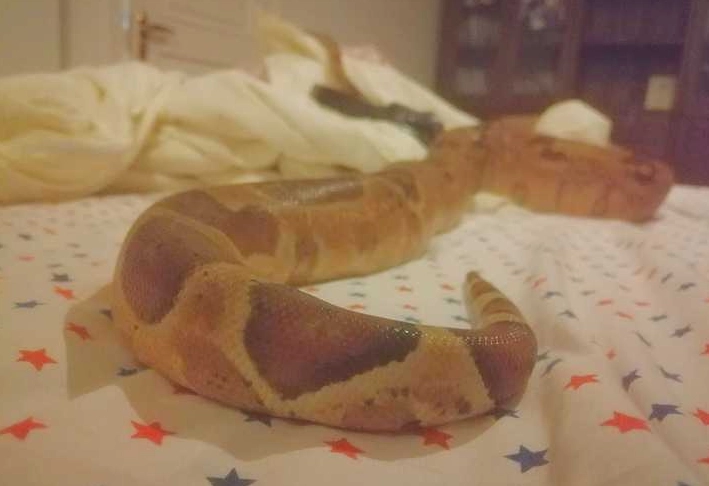
Here's the nuance most charts miss: the percentages are starting points. I had a male ball python who, as an adult, would visibly look "too lean" if I fed him only 5% of his weight every three weeks. He maintained perfect body condition at 7%. You need to learn to read your snake's body condition. Look for a softly rounded triangle shape, not a sharp ridge or a bulging, sausage-like tube. The American Veterinary Medical Association (AVMA) resources on reptile body condition can be helpful, though they're not snake-specific.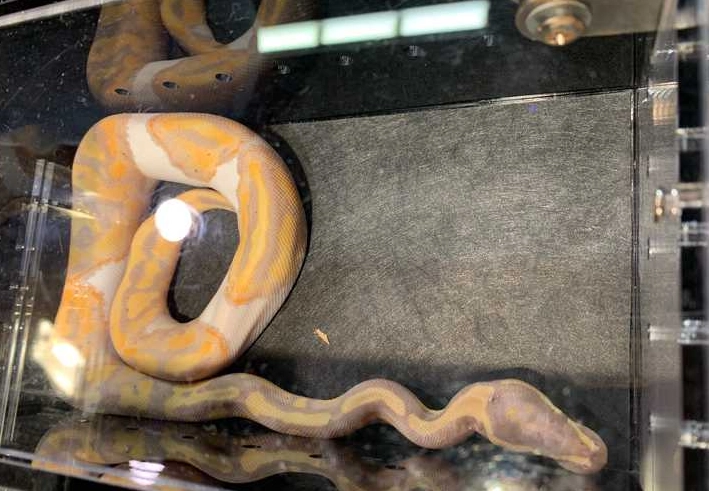
How to Choose the Right Prey Type & Size
It's not just about grams. The type of prey matters for nutrition and practicality.
Mice vs. Rats: The Eternal Debate
Starters often use mice because they're smaller. But here's my strong, non-consensus opinion: switch to rats as early as possible, ideally by the time your snake hits 150-200 grams. Why? Adult ball python heads are built for eating rats. Mice are like snacks—they have a higher fat-to-protein ratio and less overall nutritional density. A snake fed only mice its whole life often needs to eat multiple mice per meal as an adult, which is more stressful and less efficient than one appropriately sized rat. The transition can be tricky—some snakes are picky. Tricks include scenting a rat with used mouse bedding or offering a freshly killed mouse followed immediately by a rat (known as "tailing").
Frozen/Thawed vs. Live: A Safety Imperative
I will never recommend feeding live prey to a pet ball python. It's unnecessary and cruel. A live rodent can inflict severe, even fatal, wounds on a snake, especially if the snake isn't hungry or is in shed. Frozen/thawed (F/T) is safer, more humane, and convenient. You can buy in bulk from reputable suppliers like Layne Labs or Perfect Prey and store them. The key is thawing properly: place the frozen rodent in a sealed plastic bag in the refrigerator overnight, then warm it in warm (not hot) water for 10-15 minutes before offering. Use tongs to present it head-first, mimicking live movement.
Feeding Techniques: From Thawing to Handling Refusals
How you feed is as important as what you feed.
In the enclosure or out? Always feed inside the primary enclosure. Moving to a separate "feeding tub" is outdated advice that causes unnecessary stress and increases the risk of a defensive bite during transfer. Your snake can distinguish between handling time and feeding time based on context (like you opening the enclosure with tongs vs. your bare hand).
The presentation: Use long feeding tongs. Dangle and wiggle the warmed prey near the snake's head. A hungry ball python will usually track it, then strike and constrict. Some are more cautious and prefer to take it gently from the tongs. Let them have their style.
After the meal: This is critical. DO NOT HANDLE YOUR SNAKE FOR AT LEAST 48 HOURS. I'd even say 72 hours for a large meal. Handling can cause regurgitation, a serious setback that stresses their digestive system and requires a 2-week wait before the next feeding attempt.
What to Do When Your Ball Python Won't Eat
Hunger strikes are the number one worry. Before you panic, run through this checklist:
- Season: It's normal for adults, especially males, to fast during cooler months (winter), sometimes for several months. As long as weight loss is minimal (under 10%), don't force it.
- Shed Cycle: Many ball pythons refuse food when in "blue" (opaque eyes) and for a day or two after.
- Husbandry: Is the temperature gradient correct (88-92°F hot side, 78-80°F cool side)? Is the humidity 50-60% (higher during shed)? Incorrect temps are the most common cause of chronic refusal.
- Stress: Is the enclosure too open? Add more hides (tight-fitting on all sides) and clutter (fake plants). Are you handling too often?
- Prey Type/Size: Try a different size or type. Sometimes switching from a rat to a mouse (or vice versa) can jump-start a picky eater.
If all else fails, wait. Offer food again in 7-10 days. A healthy ball python can go months without food. Only intervene if there is significant weight loss (more than 15-20% of body weight). Then, see a reptile vet.
3 Common Feeding Mistakes You're Probably Making
These are the subtle errors I see constantly, even from experienced keepers.
1. Feeding Too Frequently Based on Activity. A ball python cruising its cage at night isn't necessarily "hungry"—it might be exploring, stressed, or looking for better humidity. Stick to the schedule in the chart, not your snake's behavior. Overfeeding leads to fatty liver disease and a shortened lifespan.
2. Relying Solely on Weight Percentages. The chart gives percentages, but a 5% meal for a 2000g obese snake is still a 100g rat—way too big for its compromised metabolism. For overweight snakes, you must reduce meal size and increase intervals dramatically. Visual body condition trumps the calculator.
3. Powerfeeding for Rapid Growth. Some breeders feed juveniles every 4-5 days to get them to breeding size faster. This is terrible practice for a pet owner. It forces growth, stresses organs, and almost guarantees health problems later. Let your snake grow at its natural pace. A slower-grown, properly proportioned snake is a healthier snake.
Your Ball Python Feeding Questions, Answered
 How do I know if my ball python is overweight?
Feeding your ball python correctly is a skill that blends science with observation. Start with the chart, but always watch your individual snake. Their body condition, behavior, and digestion are your best guides. A consistent, appropriate feeding schedule is the single greatest gift you can give your snake for a long, healthy life. Ditch the anxiety, use this guide, and enjoy the process.



Join the Conversation