You're thinking about getting a snake. It's a fantastic idea – they're quiet, clean, and watching them explore is endlessly fascinating. But the internet is full of conflicting advice, and walking into a pet store can be overwhelming. I've been keeping snakes for over a decade, and I've helped dozens of first-timers set up their first enclosures. Let's cut through the noise. The truth is, picking the right first snake isn't just about the "easiest" one; it's about matching a snake's needs with your lifestyle and commitment level.
This guide won't just list snakes. We'll dive into the why behind each recommendation, give you the exact setup details you need to budget for, and tackle the questions most guides gloss over.
What's in this guide?
What Makes a Snake a Good Beginner Pet?
Forget the flashy colors or the biggest size. When you're starting out, you want a reptile that forgives the small errors you're bound to make. A good beginner snake has a specific set of traits.
First, it needs a docile temperament. You want a snake that's known for being calm when handled, not one with a reputation for being nippy or defensive. This makes the experience enjoyable for you and less stressful for the animal.
Second, it should have straightforward husbandry requirements. This means its temperature and humidity needs are easy to achieve and maintain with basic equipment. You shouldn't need a PhD in climate control.
Third, it must be a reliable feeder. Nothing is more frustrating and worrying for a new owner than a snake that refuses to eat. Beginner-friendly snakes typically accept pre-killed frozen/thawed rodents without much fuss.
Finally, consider size and lifespanA manageable adult size (between 3 to 5 feet is a sweet spot) means an enclosure that fits in your home and a pet you can handle confidently. Also, remember you're making a 15-20 year commitment with some species.
A quick note on sourcing: Always, always buy from a reputable breeder, not a big-box pet store. Breeders can provide detailed health and feeding history. Look for breeders at reptile expos or on trusted online forums. A healthy start is everything.
Top 3 Beginner Snakes for First-Time Owners
Based on the criteria above, these three species consistently stand out. I've ranked them not just on ease, but on the overall package for a novice.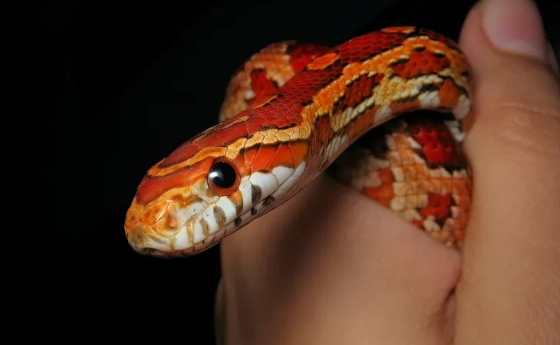
1. The Corn Snake (Pantherophis guttatus)
The champion. If there was a perfect "starter kit" snake, this is it. I got my first corn snake, Amber, twelve years ago, and she's the reason I fell in love with reptile keeping.
Why they're great: Their temperament is legendary for being curious and gentle. They come in a mind-boggling array of colors and patterns (morphs), so you can find one that truly speaks to you. Their care is incredibly simple.
Care Sheet Snapshot:
- Adult Size: 4 to 5.5 feet.
- Lifespan: 15 to 20 years.
- Tank Size: A 40-gallon breeder tank (36"x18"x16") is the minimum for an adult. Bigger is always better.
- Temperature: Warm side: 85°F (29°C), Cool side: 75°F (24°C). A simple under-tank heater on a thermostat works perfectly.
- Humidity: 40-50%. A large water bowl and occasional light misting usually suffice.
- Food: Frozen/thawed mice. An adult eats a large mouse every 10-14 days.
- Cost to Start: Snake: $50-$150. Full setup (tank, heat, thermostat, hides, substrate): $300-$500.
The one tiny drawback? They can be escape artists. You must have a very secure lid.
2. The Ball Python (Python regius)
The popular choice, and for good reason. They are famously docile, often curling into a "ball" when nervous (hence the name). Their stocky, soft build makes them satisfying to hold.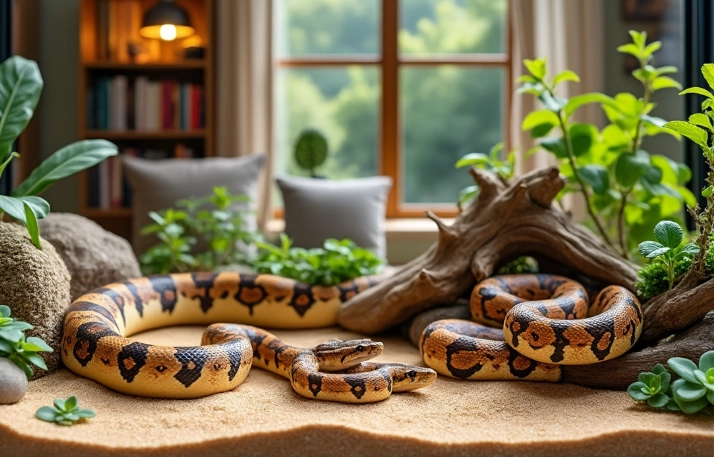
Why they're great: Unbeatable calmness. They move slowly and deliberately. They also have an incredible variety of morphs.
Here's the non-consensus part everyone misses: Ball pythons have a reputation for being "easy," but they are slightly more sensitive than corn snakes. Their main hurdle? Humidity. They need 50-60%, and in a screen-topped glass tank, that can be a struggle. Many first-time owners face a stuck shed because of this. The fix? Use a PVC enclosure or cover most of the screen top with HVAC tape.
Care Sheet Snapshot:
- Adult Size: 3 to 5 feet (females larger).
- Lifespan: 20 to 30 years.
- Enclosure: A 4x2x2 foot PVC enclosure is ideal for an adult. Glass tanks work but require more humidity management.
- Temperature: Warm side: 88-92°F (31-33°C), Cool side: 78-80°F (25-27°C).
- Humidity: 50-60%. Crucial. Use a deep moisture-holding substrate like coconut husk and a large water bowl.
- Food: Frozen/thawed rats. Adults eat medium rats every 2-3 weeks. They are known for occasional hunger strikes, which can panic new owners.
- Cost to Start: Snake: $100-$300+. Setup (PVC enclosure recommended): $500-$800.
3. The Kenyan Sand Boa (Eryx colubrinus)
The low-maintenance gem. If you want a snake that's almost all display and very little hands-on drama, this is your pick. They spend 90% of their time burrowed in the substrate, peeking out with those cute, googly eyes.
Why they're great: Their care requirements are arguably the simplest. They stay small, eat well, and require very low humidity. They are incredibly hardy.
The catch? They aren't a "handle me every day" snake. They are calm when held but can be squirmy because they are natural burrowers. They are a "look, don't touch as often" pet, which actually suits some beginners perfectly.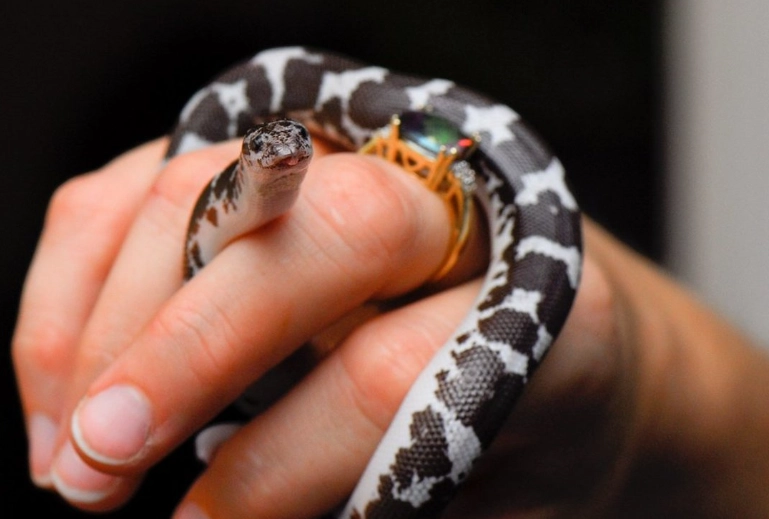
Care Sheet Snapshot:
- Adult Size: 2 to 3 feet (females are much larger and thicker than males).
- Lifespan: 15 to 20 years.
- Tank Size: A 20 to 40-gallon long tank is plenty for life.
- Temperature: Warm side: 95°F (35°C) right under the heat source, Cool side: 80°F (27°C). They need a hot spot to digest.
- Humidity: 30-40%. Very easy to maintain.
- Food: Frozen/thawed mice. They have a strong feeding response.
- Cost to Start: Snake: $80-$200. Full setup: $250-$400.
| Snake Species | Best For... | Consider If... | Initial Setup Cost Estimate |
|---|---|---|---|
| Corn Snake | The classic first-timer who wants an active, handleable, and colorful pet. | You want the most forgiving and straightforward care routine. | $300 - $500 |
| Ball Python | The owner who values a super-docile, slow-moving companion and doesn't mind a bit more humidity management. | You are patient and willing to invest in a proper enclosure (PVC) from the start. | $500 - $800 |
| Kenyan Sand Boa | The minimalist who loves observing natural burrowing behavior and wants the simplest upkeep. | You are okay with a pet that is more for observation than frequent handling. | $250 - $400 |
Setting Up Your First Snake Tank: A Non-Negotiable Checklist
Buying the snake is the fun part. Setting up its home correctly before it arrives is the most important part. Here’s what you absolutely need, beyond just a tank.
- Secure Enclosure: Glass tank with a locking mesh lid, or a front-opening PVC/plastic enclosure. Escape-proof is non-negotiable.
- Heat Source & Thermostat: This is the biggest beginner mistake: using heat without a thermostat. An unregulated heat mat can burn your snake. A simple on/off thermostat ($30) is essential. Use an under-tank heater or a ceramic heat emitter.
- Two Digital Thermometers/Hygrometers: One for the warm side, one for the cool side. The cheap analog dials are notoriously inaccurate. Digital probes are key.
- Two Hides: One for the warm side, one for the cool side. They should be snug, with just enough room for the snake to curl up inside. A stressed snake with nowhere to hide won't eat.
- Water Bowl: Large enough for the snake to soak in, heavy enough not to tip over.
- Substrate: Aspen shavings for corn snakes and sand boas, coconut husk or cypress mulch for ball pythons. Avoid cedar or pine—they are toxic.
Set this all up, get the temperatures stable for 48 hours, then bring your snake home.
3 Common Beginner Mistakes (And How to Avoid Them)
I've seen these happen time and again.
1. Handling Too Soon. You get your snake home and want to hold it immediately. Resist. Give it a full week with no handling, no poking, just to settle in and take its first meal. This builds trust and prevents a feeding refusal.
2. Overfeeding or Wrong Prey Size. Enthusiasm leads to offering food too often. Stick to the schedule. The prey item should be no wider than the snake's widest part. A mouse that's too large can cause regurgitation, a serious health issue.
3. Misreading Shedding. When your snake's eyes turn blue and its skin looks dull, it's "in blue" – it's nearly blind and stressed. Do not handle or feed during this time. Just ensure humidity is adequate. Handling can damage the new skin underneath.
Vet Care: Have an exotic vet located before you get your snake. Annual check-ups are recommended. Quarantine any new reptile for at least 90 days if you already have others.
Your First Snake: Questions Answered


Join the Conversation