You notice your parrot hasn't touched his favorite seeds all day. Your canary is puffed up in the corner of the cage. Your chicken is sneezing. That sinking feeling hits—something's wrong. Birds are masters at hiding illness, a leftover instinct from the wild where showing weakness makes you a target. By the time symptoms are obvious to us, they're often seriously unwell. Knowing the signs of common bird diseases isn't just helpful; it's critical for giving your feathered friend the best shot at recovery.
I've kept birds for over a decade, from finches to a talkative African Grey, and I've learned the hard way that quick action based on solid knowledge makes all the difference. This guide cuts through the clutter. We'll walk through the most frequent ailments, how to spot them, what a vet will likely do, and—most importantly—how to stop problems before they start.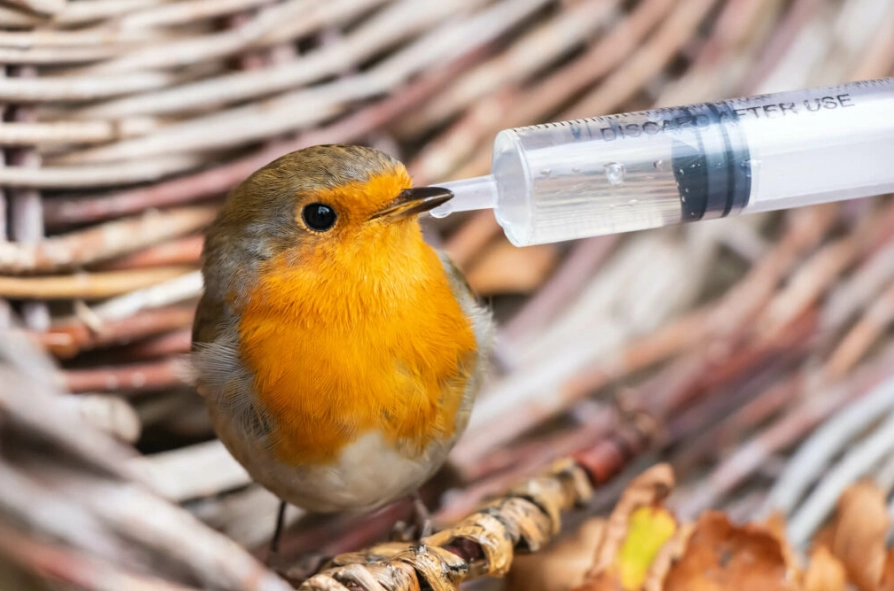
What’s Inside This Guide
How to Spot a Sick Bird: The Silent Signals
Forget waiting for dramatic collapses. Bird illness whispers before it screams. You need to become a detective of tiny changes.
The most reliable red flag is a change in droppings. Yes, it's not glamorous, but it's a direct health report. Normal droppings have three parts: a dark solid fecal portion, a white urate, and clear liquid urine. Be alarmed by: uniformly green or yellow feces (liver issue), black/tarry stools (internal bleeding), increased urine (kidney problem), or undigested seeds in feces (PBFD or pancreatic disease). A photo on your phone of a normal dropping for comparison is a pro move.
Next, watch their energy and posture. A bird sitting fluffed up for hours, sleeping during its normal active period, or sitting on the cage floor when it usually perches high is sending a major distress signal. Tail bobbing with each breath is a sign of respiratory effort.
Then there's the face and feathers. Crusty nostrils, wet or stained feathers around the nares (nostrils) or eyes, squinting, or half-closed eyes are big deals. Feathers that look ragged, chewed, or have stress bars (lines across the feather) can point to nutritional or chronic disease.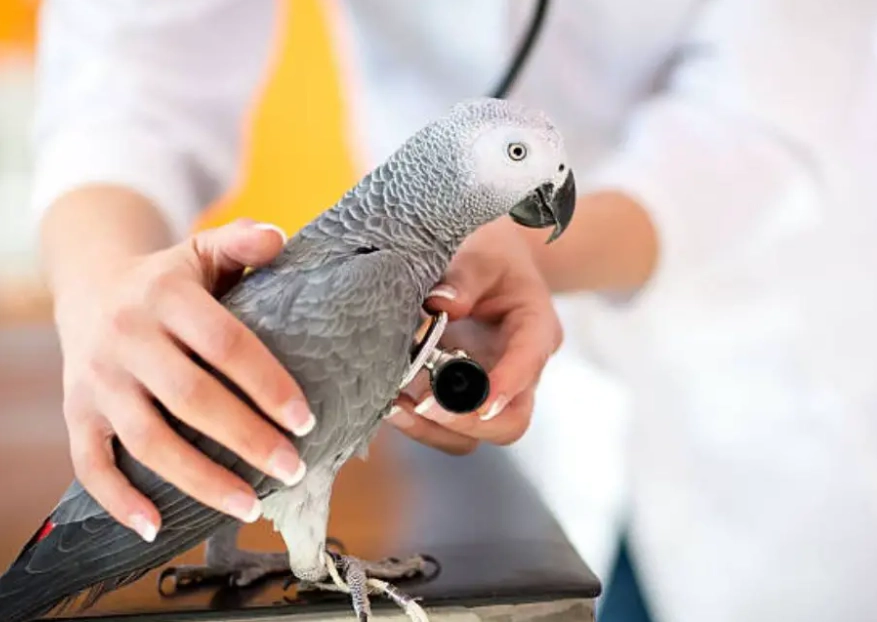
Top 5 Common Bird Diseases & How to Treat Them
Let's get specific. Here’s a breakdown of the illnesses you're most likely to encounter, based on clinical prevalence and what vets see regularly.
| Disease (Common Name) | Primary Symptoms | Typical Veterinary Treatment | Key Prevention Tip |
|---|---|---|---|
| Psittacosis (Parrot Fever) | Green/yellow droppings, eye/nose discharge, lethargy, breathing difficulty. Can be mild or severe. | Antibiotics (e.g., doxycycline) for 45 days. Isolation. Supportive care (fluids, heat). | Quarantine new birds for 45+ days. Minimize stress. Good ventilation. |
| Avian Gastric Yeast (AGY / Megabacteria) | Chronic weight loss despite eating, regurgitation, undigested seeds in droppings, passing whole seeds. | Antifungal medication (amphotericin B or fluconazole). Diet change to pelleted food. | Switch to a formulated pelleted diet. Avoid seed-only diets. Reduce crowding stress. |
| Bumblefoot (Pododermatitis) | Red, swollen, or ulcerated foot pads, lameness, reluctance to perch. | Antibiotics, anti-inflammatories, foot soaks, bandages. Surgery for severe cases. | Provide varied perch diameters (natural wood). Keep perches clean. Ensure proper weight. |
| Psittacine Beak and Feather Disease (PBFD) | Abnormal feather growth, loss, bleeding quills, beak overgrowth/breakage. Immunosuppression. | No cure. Supportive care: managing infections, nutritional support, pain management. | STRICT quarantine for new birds. Test before introducing to flock. Disinfect everything. |
| Respiratory Infections (Bacterial/Fungal) | Sneezing, nasal discharge, tail bobbing, open-mouth breathing, wheezing sounds. | Antibiotics or antifungals based on culture. Nebulization therapy. Environmental cleanup. | Eliminate dust, avoid aerosols/sprays, maintain stable temperature, no drafts. |
One nuance most guides miss: Psittacosis isn't always dramatic. I had a lovebird who was just "a bit quiet" for a week. The only clue was slightly brighter green droppings. A vet check and test revealed a low-grade infection. Waiting for textbook symptoms would have let it spread to my other birds and become a much bigger health crisis (and zoonotic risk).
The Hidden Cost of Seed-Only Diets
AGY and many liver problems trace back to nutrition. Seeds are like bird junk food—high in fat, deficient in vitamins. They create a gut environment where yeast thrives and weaken the liver. The single best thing you can do for long-term health is transition to a high-quality pelleted diet, supplemented with fresh veggies. It's not easy, but it prevents a mountain of issues.
The Real Challenge: How to Give Your Bird Medication at Home
The vet gives you liquid antibiotics. Now what? This is where many treatments fail. Birds hate being grabbed.
First, ask your vet about compounding. Can the medicine be put into a flavored suspension or mixed into a small amount of favorite food (like a bit of mashed fruit or nut butter)? This is the least stressful method.
If you must give it directly:
- Wrap, don't grab. Use a small towel to make a "bird burrito," securing the wings and body gently but firmly. This prevents injury.
- Target the side. Tilt the head slightly. Aim the syringe/dropper into the side of the beak, toward the back. NEVER squirt directly down the throat—they can aspirate.
- Go slow. Give tiny drops, allowing them to swallow. Rushing causes panic and waste.
- Reward, always. After the ordeal, give a favorite treat. It rebuilds trust.
My personal struggle was with a stubborn cockatiel. We found success by mixing her meds into a tiny spoonful of organic baby food (peas). She loved it, and compliance went from a daily battle to a non-issue. Talk to your vet about creative administration.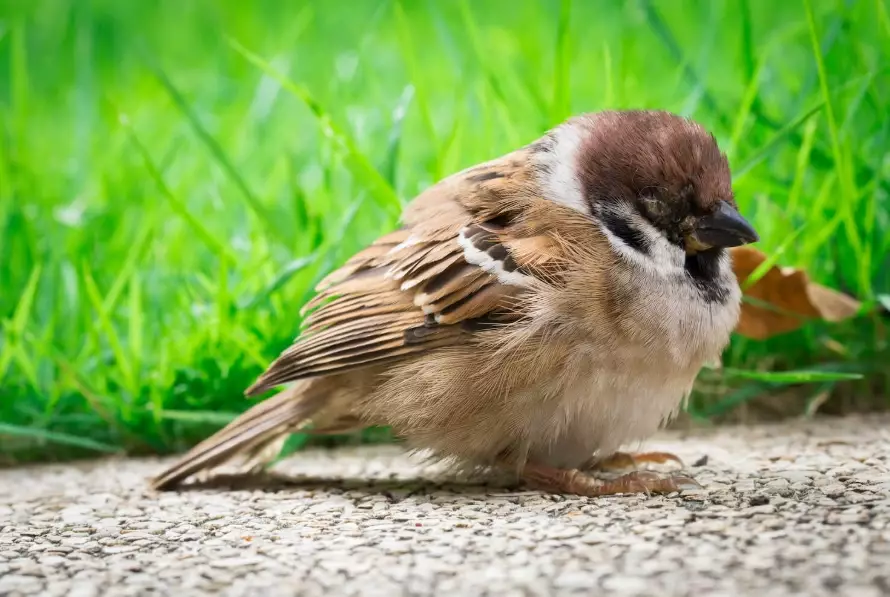
Your Ultimate Bird Disease Prevention Checklist
Treatment is reactive. Prevention is power. Run through this list monthly.
- Diet: At least 60-80% nutritionally complete pellets. Fresh, bird-safe vegetables daily. Limit seeds/fats to treats.
- Cage: Size appropriate for species to allow flight/exercise. Bar spacing safe to prevent head traps.
- Cleaning: Daily water/food bowl wash. Weekly cage bottom and perch scrub with bird-safe disinfectant (e.g., diluted F10SC, vinegar solution). Rinse thoroughly.
- Air Quality: No smoking, non-stick cookware fumes (PTFE toxic), aerosol sprays, or strong candles/incense near birds. Use an air purifier if possible.
- Stress Reduction: 10-12 hours of dark, quiet sleep. Cage in active family area but not in chaos. Provide foraging toys.
- New Bird Protocol: Mandatory 45-day quarantine in separate room with separate air supply. Vet check before introduction.
- Annual Vet Visits: Even for seemingly healthy birds. Weight tracking catches early issues.
- Observe Daily: Know their normal activity, appetite, and droppings. Changes are your early warning system.
Bird Health FAQs: Answers You Won't Find Easily


Join the Conversation