So you've brought home a canary. That burst of yellow, that potential for song—it's exciting. But now the reality sets in. That little life is in your hands. Forget the old idea that canaries are just "easy" birds you stick in a cage with some seed. Modern canary care is more nuanced, and getting it right from the start is the difference between a bird that merely survives and one that truly thrives, filling your home with vitality and music.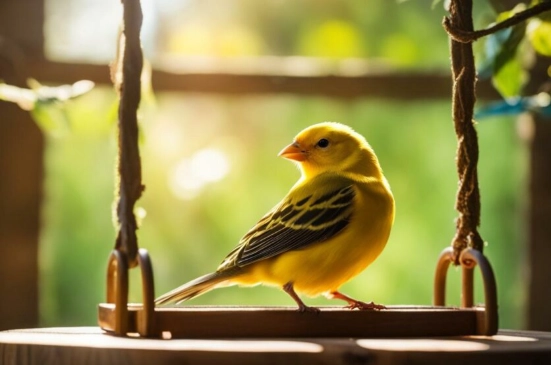
I've kept canaries for over a decade, and I've seen the same subtle mistakes trip up well-meaning beginners. The goal isn't just to avoid obvious dangers; it's to create an environment where your canary's natural behaviors can flourish. Let's walk through the real essentials, the stuff that often gets glossed over.
Quick Navigation
Setting Up the Perfect Canary Cage
Think of the cage as your canary's entire world. Size is the first and most common mistake. A cage marketed for "small birds" is often a prison for a canary that loves to fly horizontally. The absolute minimum should be 24 inches long, 14 inches wide, and 16 inches high. Bigger is always better. I started my first canary in a "pet store special" and upgraded within months when I saw how much more he used the longer flight space.
Bar spacing is critical—no more than 1/2 inch apart to prevent escapes or getting their head stuck.
Cage Placement: The Overlooked Game-Changer
Where you put the cage is arguably as important as the cage itself. A common but terrible spot? The kitchen. Fumes from non-stick cookware (like Teflon) are lethal to birds, even in another room with good ventilation. It's a silent killer many aren't aware of.
Your canary needs light, activity, and safety.
- Good Spot: Against a wall in a living room or family room, at or slightly above eye level. This gives them a view of family life (which they enjoy) and a feeling of security with a solid wall behind them.
- Bad Spot: In a dark corner, in a drafty hallway, in direct sunlight by a window all day, or isolated in a rarely-used room. Loneliness and boredom are real issues for these intelligent creatures.
Pro Tip: Avoid placing the cage directly in front of a window. The full sun can overheat the cage, and being "exposed" on all sides can stress the bird. A side view of a window is perfect.
Furnishing the Habitat
Less is often more. You need to provide perches, but variety is key. Using only the smooth, dowel perches that come with cages can lead to foot sores because the diameter never changes.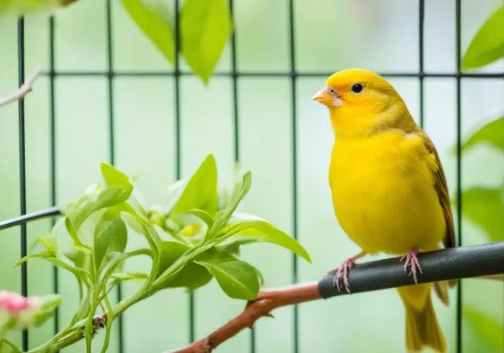
| Perch Type | Material/Example | Benefit |
|---|---|---|
| Natural Wood | Manzanita, dragonwood, apple branches | Varied diameters exercise feet, can be chewed |
| Rope Perch | Cotton or sisal | Soft, flexible, good for gripping |
| Platform Perch | Flat wooden shelf | Gives feet a rest from gripping, great for food dishes |
| Concrete/Pumice | Grooming perch | Helps keep nails filed down (place near food/water) |
Place perches at different heights, but don't clutter the flying space. Put food and water dishes near a perch, not on the cage floor. A shallow dish for bathing is a must—canaries love to bathe and will do so almost daily if given the chance.
Feeding Your Canary: More Than Just Seeds
This is where I see the biggest gap between old and new care standards. An all-seed diet is like feeding a human nothing but crackers. It's high in fat, deficient in vital nutrients like Vitamin A and calcium, and leads to fatty liver disease and a shortened lifespan.
The foundation of a modern canary diet is a high-quality pellet. These are formulated to be nutritionally complete. Brands like Harrisons, Roudybush, or TOP's are excellent. The transition can be tricky—birds are stubborn. Mix pellets with their old seed, gradually increasing the pellet ratio over weeks.
Seeds aren't evil; they should be a treat or part of a mix, not the main course.
The Non-Negotiables: Fresh Foods
Fresh vegetables and greens should be offered daily. This isn't optional enrichment; it's core nutrition.
- Top Picks: Dark leafy greens like kale, spinach, Swiss chard, and romaine lettuce. Broccoli florets, grated carrot, and cucumber slices are also great.
- Fruits (in moderation): Apple slices (no seeds), berries, melon. A tiny piece once or twice a week is plenty.
- Never Feed: Avocado, chocolate, caffeine, alcohol, onion, garlic. These are toxic.
Variety is not just nice; it's necessary.
A cuttlebone or mineral block should always be available for calcium and beak maintenance. Fresh, clean water must be changed every single day, without fail. Bacteria grows quickly in water dishes.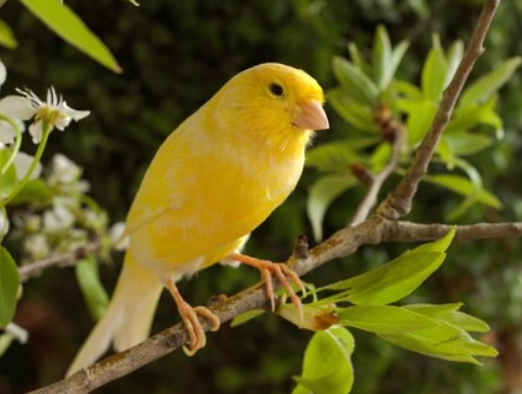
Watch Out: Don't assume your canary knows what fresh food is. You may need to "train" them by clipping a leafy green to the side of the cage or mixing tiny, finely chopped bits with their favorite seed. Persistence pays off.
Health, Grooming, and Wellbeing
Canaries are masters at hiding illness—a survival instinct in the wild. By the time they look obviously sick, they're often critically ill. Your job is to be a detective.
Daily Health Checks
Spend a minute each morning observing. Is your bird active and alert? Is it breathing smoothly (no tail bobbing with each breath)? Are the feathers sleek and held close to the body, not fluffed up for prolonged periods (a sign of trying to stay warm or illness)? Are the eyes bright and clear? Is the vent (under the tail) clean?
Weighing your canary weekly with a small gram scale is the single best way to monitor health. A sudden weight loss is often the first sign of trouble.
Common Canary Health Issues
- Mites: Look for crusty buildup around the beak, eyes, or legs. Red mites are nocturnal and can cause nighttime restlessness.
- Respiratory Issues: Sneezing, wheezing, discharge from nostrils, or labored breathing. Causes range from drafts to serious infection.
- Digestive Problems: Watery droppings, seeds in droppings (indicating malabsorption), or a soiled vent.
Find an avian veterinarian before you have an emergency. Not all vets see birds. Having one lined up is crucial.
Grooming-wise, canaries mostly take care of themselves with baths and perches. You may rarely need to trim nails if they get too long. Never attempt to clip a canary's wings—they are not parrots; flight is essential for their exercise and mental health.
Understanding Behavior and Building Trust
Canaries are not typically "cuddly" pets like a parrot might be. They enjoy your presence and company but often don't like being handled. The bond is based on mutual respect and positive association.
Start by just sitting near the cage, talking softly. Move slowly and predictably. Offer a favorite treat (like a spray of millet) through the bars. Over time, you can try placing the treat in your open palm inside the cage door. Never grab or chase your bird. The goal is for the canary to choose to interact with you.
Singing is a complex behavior. Only male canaries sing the elaborate songs. They sing to claim territory and attract mates. A healthy, happy male will sing most during the breeding season (spring/summer). Lack of song can be due to stress, illness, poor diet, or simply because it's the wrong time of year. Females chirp and call but don't sing.
Providing mental stimulation is key to preventing boredom. Rotate toys (simple ones like swings, bells, or shreddable paper toys), rearrange perches occasionally, and offer foraging opportunities by hiding treats in crumpled paper or a foraging toy.


Join the Conversation