Let's talk about bat habitats. Most people think of dark caves, and that's true for some species. But for the bats likely sharing your neighborhood—like the little brown bat or the big brown bat—their habitat needs are more specific and, frankly, more within your power to influence than you might think. A proper bat habitat isn't just a hole in a tree; it's a secure, thermally stable space that meets their exacting needs for rearing young and surviving winter. Getting it wrong means they simply won't move in, no matter how nice your intentions. This guide cuts through the common advice and gives you the nitty-gritty details from years of observation and trial-and-error, focusing on how you can actually build, protect, and attract bats to a space they'll call home.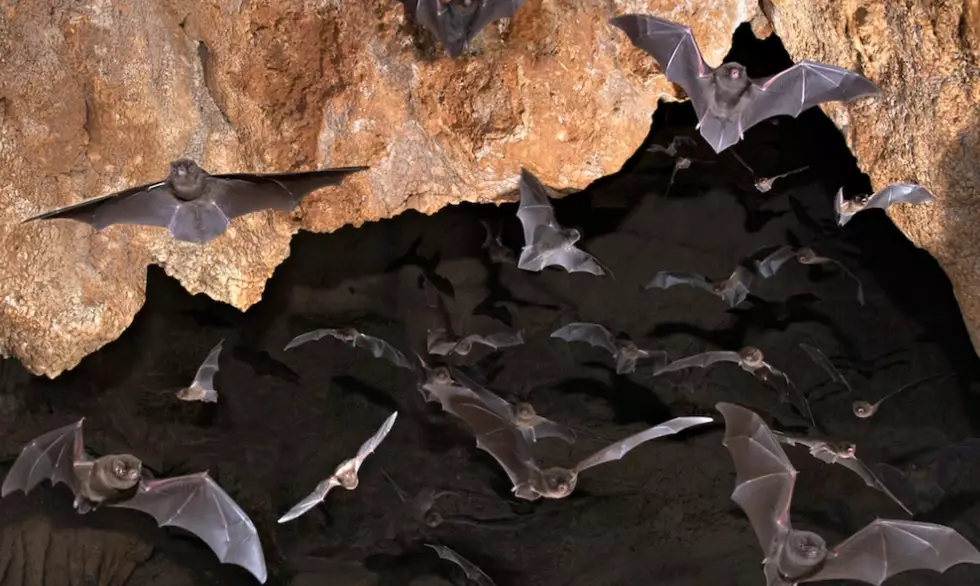
What's Inside This Bat Habitat Guide
Why Your Backyard Needs Bats
Forget the spooky stereotypes. Bats are voracious insect predators. A single little brown bat can eat over 1,000 mosquito-sized insects in just one hour. Think about that during your next backyard barbecue. They're also crucial pollinators for plants like agave (the source of tequila) and many tropical fruits. In many areas, bat populations are under severe pressure from habitat loss, wind turbines, and a devastating fungal disease called White-Nose Syndrome. By providing a quality bat habitat, you're directly supporting local biodiversity and natural pest control. It's one of the most effective forms of wildlife gardening you can do.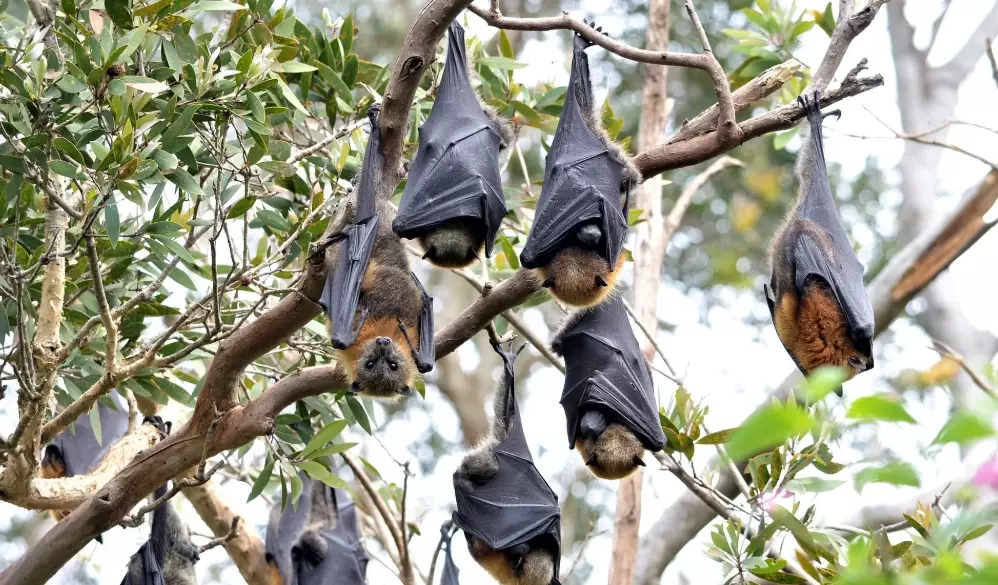
The Anatomy of a Successful Bat House
Most commercial bat houses are decorative failures. They're too small, poorly vented, and made from the wrong materials. Bats need specific conditions, and their real estate standards are high.
Critical Design Elements Most Guides Miss
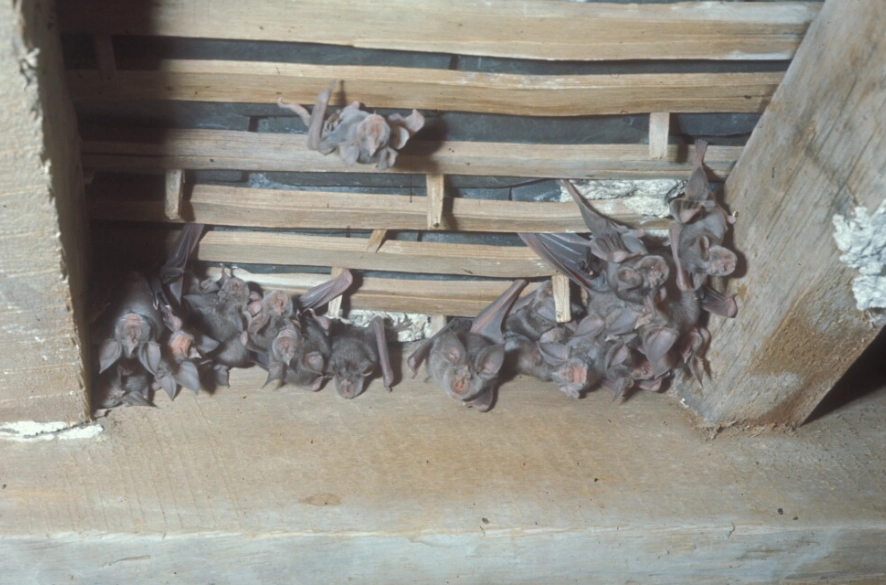
Chamber Size & Roughness: The interior roosting chambers need to be ¾ to 1 inch apart. This tight space lets bats cling easily and huddle for warmth. But here's the key detail everyone misses: the interior wood must be deeply grooved or roughened. Smooth, sanded plywood is useless. Use a sharp tool to cut horizontal grooves about 1/8 inch deep every ½ inch. I've seen houses sit empty for years until the owner re-did the interiors with proper grooves—occupancy happened the following summer.
Color & Thermal Mass: In cooler climates (most of North America and Europe), the bat house must absorb and retain heat. This means using dark, non-reflective paint or stain. A black house in a sunny location creates the warm "nursery" environment mother bats need for their pups. In very hot climates (like the southern US Sun Belt), lighter colors or wood tones may be needed to prevent overheating. Refer to recommendations from Bat Conservation International for color zones.
| Bat House Type | Best For | Minimum Size (Chambers) | Occupancy Potential |
|---|---|---|---|
| Single-Chamber Nursery | Starter house, small spaces | 1 | Up to 50 bats |
| Multi-Chamber (Rocket Box) | High-density colonies, best overall | 3-4 | 200+ bats |
| Artificial Bark or Crevice | Mimicking natural tree roosts | N/A | Small groups, specific species |
| Large Pavilion-Style | Conservation projects, farms | 6+ | 500+ bats |
Construction Materials: Use exterior-grade plywood or rough-sawn cedar. Never use pressure-treated wood—the chemicals can harm bats. Caulk all seams except ventilation gaps, and ensure the roof overhang is sufficient to keep rain from driving into the entrance.
Installation & The 3 Most Common Placement Mistakes
You can build the perfect house, but put it in the wrong spot and it will remain a bat ghost town. Here’s where I see people go wrong, again and again.
- Too Low: Placing a bat house on a fence post or the side of a shed at 8 feet is asking for trouble from predators and human disturbance. Absolute minimum height is 12 feet, with 15-20 feet being ideal. Mount it on a sturdy pole or the side of a building.
- Too Shady: Bats need sun. For most climates, the house needs at least 6-8 hours of direct sunlight daily to reach the proper temperature. A north-facing wall or a spot under dense tree canopy is a guaranteed failure.
- Too Exposed to Wind: A house swinging wildly in the prevailing wind is uninhabitable. Ensure it's securely mounted. If on a pole, consider a stabilizing kit. The entrance should generally face south, southeast, or east to catch the morning sun.
One more pro tip: place your bat house within a quarter mile of a permanent water source—a pond, river, or even a large stream. Bats need to drink on the wing, and proximity to water is a major factor in their habitat selection.
Beyond the Box: Natural Habitat Features
A bat house is great, but a holistic bat habitat is better. Think about the surrounding landscape.
Water Features: A pond or birdbath with a gentle slope gives bats a safe drinking spot. They skim the surface, so avoid steep sides.
Native Night-Blooming Plants: Plant a moon garden with species like evening primrose, night-scented stock, or nicotiana. These attract night-flying moths, a prime food source, and provide a rich foraging zone right outside the roost.
Chemical-Free Zone: This is non-negotiable. Pesticides and insecticides reduce the insect prey base and can poison bats directly. Commit to organic gardening practices in the area surrounding your bat habitat.
Dead Trees (Snags): If safe, leave dead trees standing. They provide natural roosting crevices under loose bark. This is prime real estate for many species and offers alternative options.
Monitoring, Maintenance & Troubleshooting
Don't just put it up and forget it. Check the house annually in late fall or early spring, when bats are not present (never disturb an active roost). Look for wasp nests, which can outcompete bats. Scrape them out in the off-season. Ensure all seams are still sealed.
The sign of success? Bat guano (droppings) on the ground below. They look like dark, shiny mouse droppings but crumble into a fine powder of insect parts. If you see this, congratulations—you've built a functioning bat habitat.
What if nothing happens after three years? Re-evaluate. Is it getting enough sun? Is it high enough? Is the interior properly grooved? Sometimes moving it just 20 feet or painting it a darker color makes all the difference.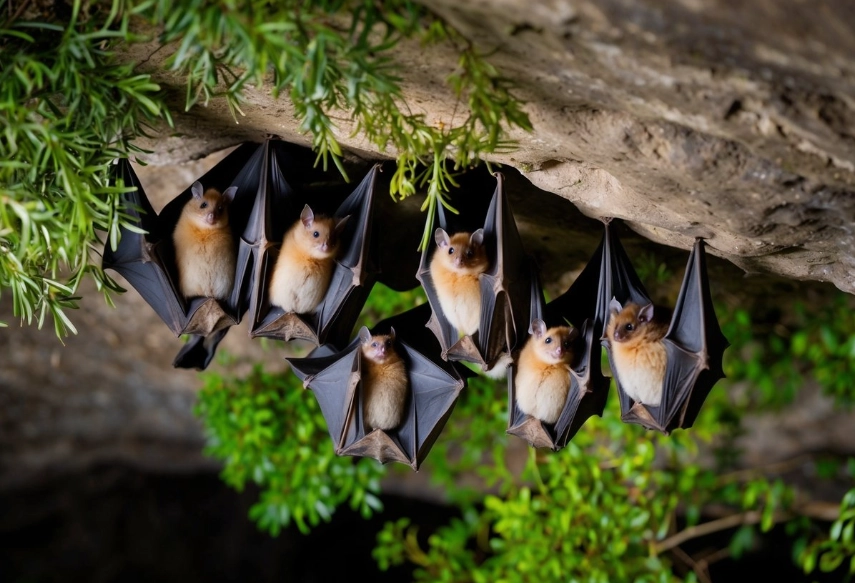
Your Bat Habitat Questions Answered
 What's the single biggest mistake people make when trying to attract bats?


Join the Conversation