You’re thinking about getting a pet, but a dog feels like too much commitment and a cat might not suit your apartment. The world of small pets opens up, promising companionship in a more manageable package. But here’s the catch everyone glosses over: "small" doesn’t automatically mean "easy." A rabbit needs more space than you think, and a lonely guinea pig is a sad sight. This isn’t just another generic small pets list. This is a deep-dive comparison from someone who’s cared for most of these animals, made mistakes, and learned what truly matters beyond the cute photos. We’ll cut through the noise and help you match a pet to your actual life, not just your fantasy.
What’s Inside This Guide?
What Makes a Pet ‘Small’? (It’s Not Just Size)
We usually think of physical size first. An animal you can hold in your hands or that lives in a cage or tank. But the defining characteristic is really the ecosystem you provide. Unlike dogs or cats who share our living space freely, small pets typically live in a primary habitat we set up and control—a cage, terrarium, or hutch. Your job is to engineer a good life within that space.
The biggest mistake I see? People equating a small cage with low responsibility. A Syrian hamster alone needs a minimum of 450 square inches of unbroken floor space, something most commercial cages fail to provide. The ASPCA emphasizes habitat size and enrichment for all captive animals. So, think of “small pet” as “contained pet,” where the quality of the container is everything.
Top 5 Best Small Pets for Beginners
This list prioritizes animals with relatively straightforward care, hardy constitutions, and clear needs. It’s based on common consensus, but I’ve added the nuanced reality check you won’t find in most care sheets.
| Pet | Average Lifespan | Minimum Habitat Size | Social Needs | Biggest Pro | Biggest Con (The Unvarnished Truth) |
|---|---|---|---|---|---|
| Syrian Hamster | 2-3 years | 450+ sq in cage (e.g., 30"x15" tank) | Solitary MUST live alone | Nocturnal, great for busy day-workers. Deeply entertaining to watch burrow. | Extremely prone to stress in small cages. Bite risk if startled from sleep. Can be boring for kids wanting daytime interaction. |
| Guinea Pig | 5-7 years | 8 sq ft for one, 10+ sq ft for two | Highly social, need same-sex pair | Vocal and communicative (wheeking is adorable). Generally gentle and hand-tame. | Messy. They poop constantly. Require daily fresh veggies and unlimited hay, which adds up. Prone to dental issues. |
| Leopard Gecko | 15-20 years | 20-gallon long tank | Solitary | Incredibly low daily maintenance. Fascinating to feed. No UVB light *strictly required* (but recommended). | Long commitment. Live insect diet freaks some people out. Can drop tail if stressed, which is traumatic. |
| Rat | 2-3 years | Large multi-level cage (e.g., Critter Nation) | Extremely social, need same-sex pair | Brilliant, dog-like in affection. Can learn tricks. Clean animals. | Short lifespan leads to heartbreak. Prone to respiratory tumors. Need significant daily out-of-cage time. |
| Mongolian Gerbil | 3-4 years | 20-gallon tank with deep bedding | Social, need same-sex pair or group | Diurnal (active day & night). Incredible diggers and tunnelers—a living ecosystem to watch. | Chew EVERYTHING. Plastic cages are destroyed. Can be fast and jumpy, hard for small kids to hold. |
Let me zoom in on guinea pigs for a second, because they’re a classic “beginner” pet that’s often misunderstood. Yes, they’re sweet. But that 8 square foot minimum? That’s not a small cage. That’s a C&C (Cubes & Coroplast) grid enclosure taking up a chunk of your floor. And they need a friend. A solo guinea pig is an anxious guinea pig, something pet stores still get wrong. Their dietary need for constant hay isn’t just food; it’s essential for wearing down ever-growing teeth and preventing fatal GI stasis. The cost of a large bag of quality timothy hay weekly is a real factor.
Beyond the Basics: Pets for Experienced Owners
Some animals on a small pets list require a bit more know-how, money, or space. They’re incredibly rewarding but come with asterisks.
Rabbits: The “Easy” Pet That Isn’t
Rabbits are often lumped with guinea pigs, but they’re a different league. They should be litter-trained free-roam pets in a rabbit-proofed room, not permanently caged. They need specialist vets (exotics), chew everything (wires, baseboards), and require careful bonding if you get a second. Their 8-12 year lifespan is a major commitment. The joy? Unique personalities, binkies (joy jumps), and true companionship. But they are not starter pets.
Hedgehogs: Nocturnal & Specific
Charming but prickly. They need warmth (above 72°F), a large enclosure with a wheel, and a quiet home as they’re easily stressed. They are solitary and their interaction window is late evening. Legal restrictions apply in some states/cities.
Chinchillas: The Deluxe Rodent
Soft, long-lived (15+ years), and incredibly agile. Their needs are specific: dust baths, cool temperatures, and a diet of specialized chinchilla pellets and hay. They are fragile and not great for young children. Their housing needs are substantial—tall, multi-level cages for jumping.
The Real Cost Breakdown: More Than Just the Purchase Price
That $30 hamster can easily become a $500+ investment in the first month. Let’s get real about setup and ongoing costs for a medium-commitment pet like a guinea pig or rat.
Initial Setup (One-Time & First Month):
- Proper-Sized Enclosure: $80 - $200 (C&C cage, large tank, or quality commercial cage).
- Essential Accessories: $100 - $150 (Water bottle/bowls, heavy food dish, hideouts, tunnels, chew toys, substrate/bedding, initial hay & food supply).
- Pet(s) Themselves: $20 - $80 (from shelter/rescue or ethical breeder).
- Initial Vet Check: $60 - $100. Non-negotiable. Finds hidden issues.
Total Initial Outlay: $260 - $530. This shocks people who budgeted $50.
Monthly Ongoing Costs:
- Food & Hay: $30 - $60 (Fresh veggies, quality pellets, unlimited hay).
- Bedding/Substrate: $20 - $40 (Changed weekly or spot-cleaned daily).
- Treats & Enrichment: $10 - $20 (New toys, chews).
- Vet Fund: $20 (Put aside monthly for emergencies. Exotic vet visits start at $150).
Total Monthly: $80 - $140. This is the reality of responsible ownership.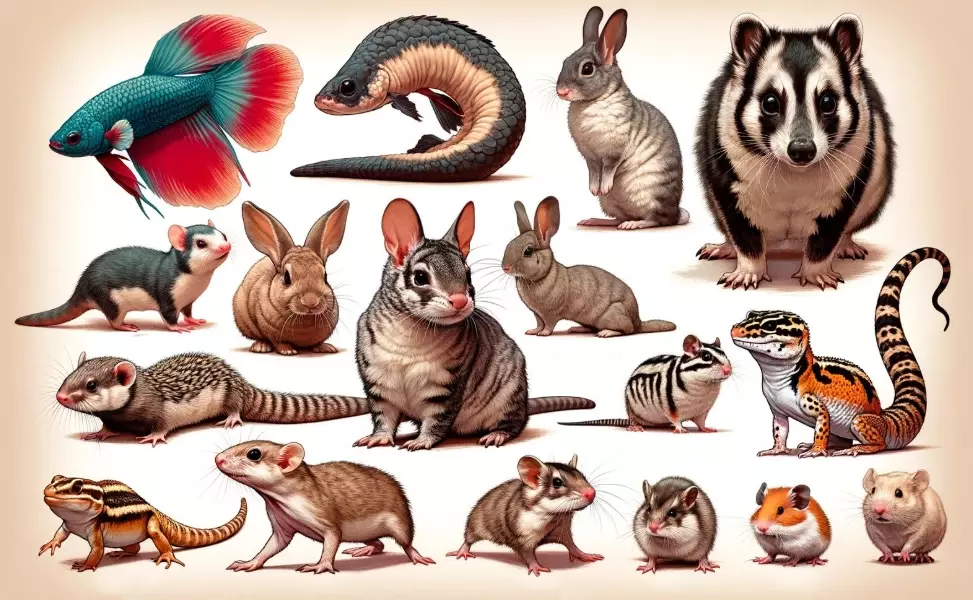
Making Your Decision: A Step-by-Step Checklist
Before you even look at animals, work through this.
- Time Audit: How many minutes per day can you guarantee for feeding, spot-cleaning, and interaction? 15 vs. 60 minutes rules different pets in or out.
- Space Scout: Measure the floor space. Not where a tiny cage fits, but where the recommended minimum habitat fits, plus space around it.
- Budget Run: Can you afford the initial setup and the monthly costs outlined above for the animal’s entire lifespan?
- Allergy & Household Check: Any allergies to hay or bedding? Does your landlord allow it? Are other pets/young children a factor?
- Lifespan Alignment: A 2-year pet vs. a 15-year pet are life choices on different scales.
- Activity Match: Do you want a daytime playmate or a nighttime TV companion?
Only after answering these should you start researching specific pets from the list. Your answers will naturally eliminate options.
Your Small Pet Questions, Answered
I live in a small apartment. Which small pet is truly the quietest and least smelly?
Leopard geckos and snakes are the quietest, producing no vocal noise. For low odor, focus on pets whose waste you can manage mechanically. A properly maintained rodent setup with paper-based bedding changed weekly and daily spot-cleaning shouldn’t smell. The smell culprit is almost always ammonia from urine-soaked bedding left too long. Gerbils are famously low-odor as they produce little urine. Rabbits, if litter-trained and their boxes changed frequently, are also surprisingly odor-neutral. The key isn’t the animal, it’s your cleaning routine.
What’s the #1 mistake new owners make when choosing from a small pets list?
Impulse buying based on cuteness without a habitat ready. They walk into a store, see a cute animal, buy a “starter kit” cage that’s too small, and then struggle with behavioral problems (bar biting, aggression, depression) from day one. The habitat should be fully set up, heated if needed, and running for at least 24 hours before you bring the pet home. This allows you to check temperature gradients and that everything works. Your first act as an owner should be placing a stressed animal into a perfect, ready home, not scrambling to assemble one around it.
 Is it cruel to keep a single guinea pig or rat if I spend lots of time with it?
Yes, it can be. This is a subtle but critical point. You are not a conspecific. You cannot speak their language, groom them in the way they need, or provide the constant, subtle social feedback they require. A human cannot replace a cage mate for highly social animals like guinea pigs and rats. They live in colonies in the wild for security and social bonding. A lone social animal is at high risk for chronic stress, which manifests as lethargy, over-grooming, or increased susceptibility to illness. Most reputable rescues now adopt them out in pairs for this reason. Your interaction is vital enrichment on top of, not instead of, a friend.
Where should I actually buy my small pet? Pet store, breeder, or rescue?
Rescue or ethical breeder, in that order. Pet stores often source from large-scale mills where health and temperament aren’t priorities. Shelters and small animal rescues are overflowing with guinea pigs, rabbits, and rats surrendered by owners who underestimated their needs. You get a pet that’s often already health-checked, sometimes spayed/neutered, and you save a life. If you need a specific species/breed (like a certain rat hair type or a proven healthy gecko lineage), seek an ethical breeder who asks *you* questions, provides lineage info, and keeps animals in pristine conditions. Avoid anyone selling on mass on classified sites.
 The right small pet can bring a decade of joy. The wrong one becomes a source of stress for you and an inadequate life for them. Use this list not as a menu, but as a filter. Match the animal’s innate needs to the life you can reliably provide every single day. Do that, and you’re not just getting a pet; you’re gaining a fascinating, fulfilling relationship.


Join the Conversation