In This Guide
- Why the Wait is Non-Negotiable: Understanding Snake Stress
- The Pre-Handling Checklist: Is Your Snake AND Its Home Ready?
- The Step-by-Step Timeline: From Arrival to First Hold
- Your First Handling Session: A How-To Guide
- Beyond the First Hold: Building a Long-Term Handling Routine
- The Final Word: It's About Trust, Not Time
So you just brought home your new ball python. It's sitting in its enclosure, maybe curled up in a hide, and you're itching to hold it. I get it. That feeling is electric. You've done the research, set up the tank, and now you want to bond with your new scaled friend. The biggest question screaming in your head is probably, "How long should I wait to hold my new ball python?"
Let's cut through the noise right away. If you're looking for a single magic number, you'll find a dozen different answers online – 3 days, a week, two weeks, until it eats twice. It's confusing. Some care sheets are way too vague, and others make it sound like you'll doom your snake to a life of stress if you look at it wrong. The truth is more nuanced, and honestly, more interesting. The right answer isn't just about marking days on a calendar; it's about learning to read your snake and creating an environment where handling becomes a positive experience, not a traumatic one. Rushing this process is the number one mistake new keepers make, and it can set the tone for your entire relationship with the animal.
Why the Wait is Non-Negotiable: Understanding Snake Stress
To understand how long you should wait to hold your new ball python, you need to understand what's happening from the snake's perspective. Imagine being picked up from your familiar surroundings, put in a dark box, experiencing vibrations and temperature changes, and then placed into a completely new environment with strange smells, sights, and humidity. That's massively stressful, even for a reptile.
Stress in snakes isn't just an emotional state; it has serious physical consequences. A stressed ball python:
- Refuses food: This is the most common and frustrating sign for new owners. A snake that doesn't feel secure will not eat.
- Becomes more defensive: It may strike, hiss, or ball up tightly more frequently.
- Has a weakened immune system: Chronic stress makes them susceptible to respiratory infections and other illnesses. Resources like those from the American Veterinary Medical Association (AVMA) highlight the importance of minimizing stress for overall pet health.
- Exhibits erratic behavior: Constant pacing, trying to escape, or staying perpetually hidden.
The settling-in period is your chance to reset this stress meter to zero. Every time you open the enclosure to handle them before they're ready, you're hitting the "stress reset" button. You're telling them their new home isn't a safe, predictable place. That's why the general advice exists – to give them a solid block of completely undisturbed time to acclimate.
Patience is everything.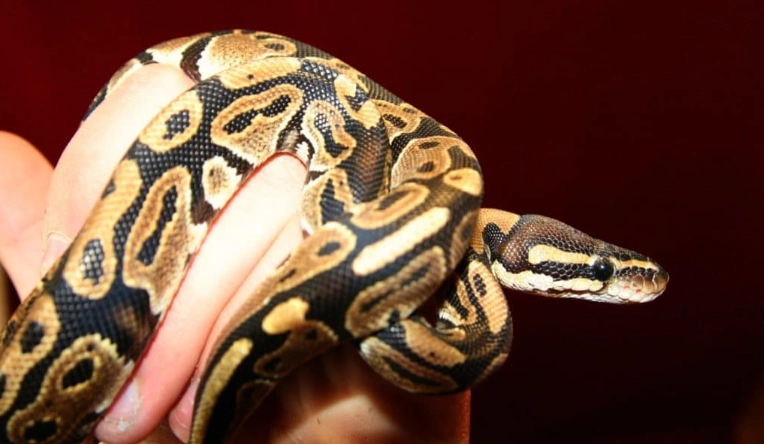
The Pre-Handling Checklist: Is Your Snake AND Its Home Ready?
Before we even talk about the clock, we need to talk about the environment. Asking "how long should I wait to hold my new ball python" is putting the cart before the horse if your husbandry isn't on point. A snake in a subpar enclosure will never truly settle, making any handling attempt stressful.
Your Husbandry Must Be Perfect First
Double-check these. Seriously. I've seen too many new keepers blame the snake for being "mean" when the hot spot was 10 degrees too cold.
- Temperature Gradient: A warm side of 88-92°F (31-33°C) and a cool side of 78-80°F (25-27°C). Use a thermostat-controlled heat source, like an under-tank heater or ceramic heat emitter. No heat rocks!
- Humidity: A steady 60-70%. This is crucial for shedding and respiratory health. A digital hygrometer is a must.
- Hides: At least two identical, snug-fitting hides—one on the warm end, one on the cool end. The snake should be able to touch three sides and the top when curled up. This makes them feel secure.
- Water: A clean, heavy bowl of fresh water large enough for soaking.
- Clutter: Fake plants, branches, cork bark. An open tank is a scary tank. Clutter breaks up sightlines and makes the snake feel hidden as it moves.
If any of these are off, your waiting period hasn't even started. Fix the husbandry first. A great reference for these parameters is the Ball Python Care Sheet from Reptiles Magazine, which consolidates expert husbandry advice.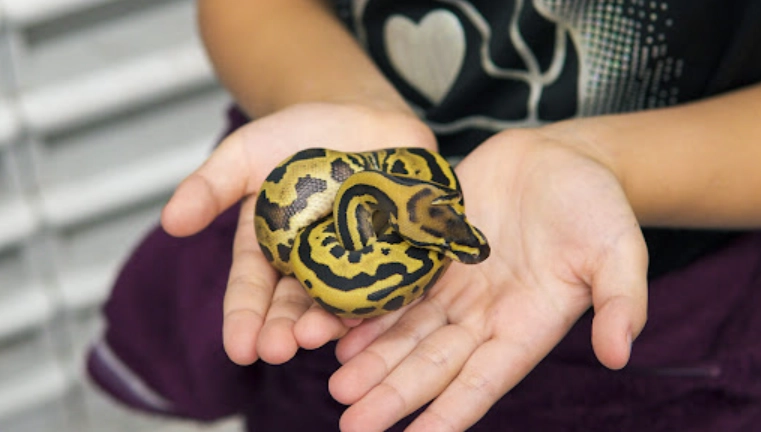
Signs Your Ball Python is Settling In (The Green Lights)
So you've left them completely alone for a few days. No tapping on the glass, no hovering, no attempts to handle. How do you know it's working? Look for these positive signs:
| Sign | What It Means | Good to See? |
|---|---|---|
| Exploring at Night | You notice slight changes in the snake's position overnight. It's moving between hides, checking out the water bowl. This shows curiosity and a feeling of security in its space. | Excellent |
| Calm in the Open | You might see it resting partially out of a hide, or coiled in a corner during the day without looking tense. It's not trying to be invisible. | Very Good |
| Tongue Flicking Calmly | When it does see you, it flicks its tongue slowly and deliberately to gather scent information, rather than jerking its head back or freezing. | Promising |
| Successfully Eats a Meal | This is the BIGGEST green light. A snake that eats is a snake that feels safe enough to let its guard down for a vital function. Most keepers use this as the primary milestone. | The Best Sign |
The Step-by-Step Timeline: From Arrival to First Hold
Okay, let's break down the process. This is the practical answer to how long should I wait to hold my new ball python.
Week 1: The Absolute Quiet Period
Days 1-7: Do not handle. At all. Your only interactions should be absolutely essential: refilling water if needed, and maybe a quick mist for humidity. Do these quickly and calmly. Don't stare. Don't try to "bond" through the glass. The goal is to be a ghost. This week is for the snake to understand the basics: where the heat is, where the hides are, that the giant faces outside the glass aren't a threat.
The Milestone: After the First Successful Meal
This is the most common and sensible trigger for considering the first handling session. Your snake has eaten, digested for 48-72 hours (you must wait for this to avoid regurgitation), and is back to its normal, alert self. This proves a baseline level of comfort.
But is one meal enough? For a bold, well-started snake from a great breeder, maybe. For a shy baby or one that had a rough transition, I'd wait for two consecutive successful meals. That second meal confirms the first wasn't a fluke. It solidifies the "this is a safe place where food happens" mentality.
So, if your snake eats on day 7, digests until day 10, and you wait for a second meal a week later... you're looking at about two weeks minimum. This is where that common "1-2 week" guideline comes from, but now you understand the why behind it.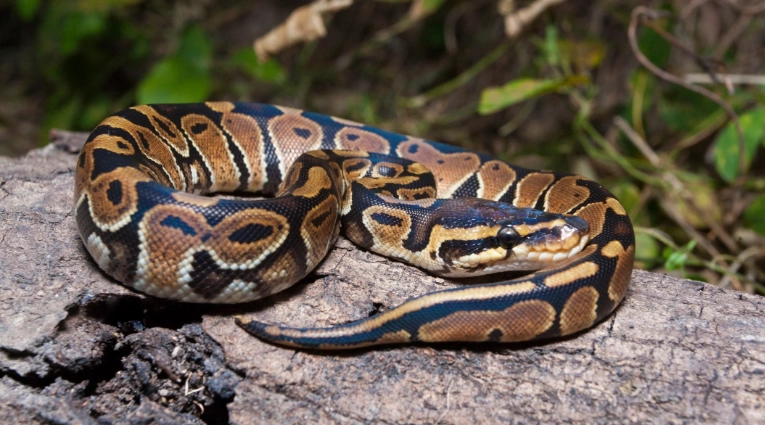
Your First Handling Session: A How-To Guide
The day has come. You've hit the milestones. Now, how do you actually do it without scaring the daylights out of your pet?
- Choose the Right Time: Evening is often best, when they are naturally becoming more active. Don't grab them from a deep sleep during the day.
- Be Confident & Calm: Nervous energy is contagious. Move slowly and deliberately. Open the enclosure without startling them.
- Don't Reach from Above: To a prey animal, a looming hand looks like a bird of prey. Approach from the side, at their level. Gently slide your hand under their midsection.
- Support, Support, Support: Use both hands to support their body fully. Let them move through your hands. Don't grip or restrain.
- Keep it Short: The first session should be 5-10 minutes, max. End on a positive note before they show signs of stress.
- Return Gently: Lower them back into their enclosure, don't drop them. Let them slide off onto a familiar surface.
This first interaction sets the precedent. Make it boring, safe, and short. You're not playing; you're introducing the concept that your hands are not a threat.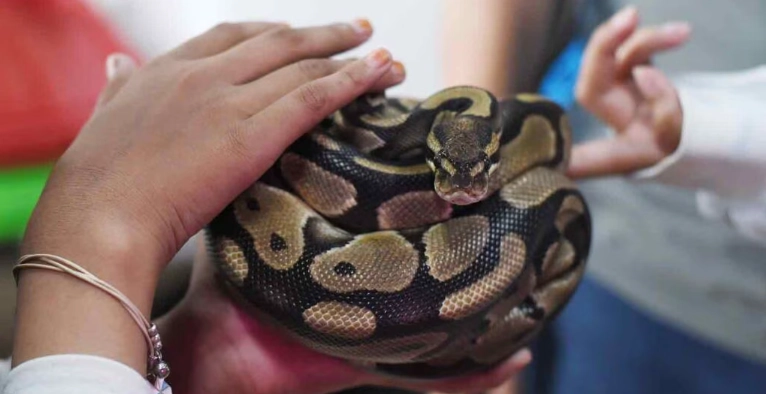
Beyond the First Hold: Building a Long-Term Handling Routine
So you've figured out how long you should wait to hold your new ball python for the first time. What about the second, third, and hundredth time?
Consistency is key. Once they are comfortable with short sessions, you can gradually increase the duration to 15-20 minutes, a few times a week. Avoid handling for 48 hours after feeding and during the blue/shedding phase (when their eyes look milky).
Handling isn't just for your enjoyment; it's a form of enrichment. Let them explore a safe, snake-proofed room (supervised!), climb over your arms, and experience new, safe textures. A well-handled ball python typically becomes incredibly docile and tolerant.
Common Questions & Concerns (The Stuff That Keeps You Up at Night)
Let's tackle some specific worries that go beyond the basic "how long should I wait" question.
The Final Word: It's About Trust, Not Time
Look, when you're searching for how long should I wait to hold my new ball python, what you're really asking is, "How do I start a good relationship with my pet?"
The timeline—a week, two weeks, after two meals—is just a framework. The real metric is your snake's behavior. A snake that eats readily, explores its cage, and doesn't flinch at your normal movements is a snake that is ready for the next step. A snake that's hiding, refusing food, and tense is screaming for more time and space.
I learned this the hard way with my first ball python, Monty. I was impatient. I handled him too soon, he refused meals for a month, and it took me twice as long to gain his trust than if I'd just been patient from the start. It was a lesson in humility.
Your ball python might live for 30 years. What's an extra week or two at the very beginning to ensure those decades are built on a foundation of security and trust? Give them the quiet they need. Nail the husbandry. Let them eat. Then, and only then, introduce handling as a calm, predictable part of their world. You'll be rewarded with a calm, curious, and handleable companion for life.
That's the real answer.



Join the Conversation