Seeing your bird fluffed up in the corner of its cage is a heart-sinking moment. Is it just tired, or is something seriously wrong? The truth is, birds are masters at hiding illness—a survival instinct from the wild. By the time they show clear symptoms, they're often quite sick. Knowing the most common bird diseases isn't about scaring you; it's about empowerment. It's the difference between panic and a calm, informed response that could save your pet's life.
This guide cuts through the generic lists. We'll dive into the specific signs, causes, and—most importantly—the actionable steps for prevention and care for the ailments you're most likely to encounter. Let's get straight to what you need to know.
What's Inside This Guide?
The 5 Most Common Bird Diseases Explained
While there are dozens of avian illnesses, a handful account for the majority of vet visits for pet and aviary birds. Understanding these gives you a huge advantage.
1. Avian Pox (Poxvirus)
This one's visual. You might see wart-like growths on unfeathered areas like the legs, eyelids, or beak. There's also a "wet" form that causes lesions in the mouth and respiratory tract, making breathing difficult. It's spread by mosquitoes or direct contact with infected birds or surfaces. The dry form is often survivable with supportive care (keeping the bird warm, hydrated, and treating secondary infections), but it's a nasty several-week ordeal. The wet form is more severe. Quarantine is non-negotiable.
2. Psittacosis (Parrot Fever)
This is a big one, and it's zoonotic—meaning it can spread to humans. Caused by the bacterium Chlamydia psittaci, it's often called a "silent killer." Symptoms are vague: lethargy, fluffed feathers, eye or nasal discharge, and greenish droppings. It can look like a simple cold but can rapidly lead to liver and respiratory failure. The scary part? Birds can be carriers for years without symptoms, shedding the bacteria when stressed. Diagnosis requires specific tests (not just a standard check-up), and treatment involves a long course of antibiotics like doxycycline. If you suspect it, mention psittacosis to your vet immediately and practice strict hygiene.
A Personal Note: I once consulted on an aviary where a "perfectly healthy" new arrival triggered a psittacosis outbreak. The bird showed no signs but had been stressed from transport. It hospitalized two other birds and made the owner quite ill. This disease single-handedly convinced me of the critical importance of a proper quarantine protocol for every new bird, no exceptions.
3. Aspergillosis
This is a fungal infection, not viral or bacterial. The spores of Aspergillus mold are everywhere—in damp seed, old bedding, and humid environments. A healthy bird's immune system fights them off. But a bird with a weakened immune system (from poor nutrition, stress, or another illness) inhales the spores, and they can grow into fungal plaques in the air sacs and lungs. Symptoms are chronic and progressive: weight loss, labored breathing, voice changes, and increased thirst. Treatment is difficult, involving long-term antifungal medication and sometimes nebulization. Prevention is 100% key: keep food dry, clean the cage regularly, and ensure good ventilation with low humidity.
4. Avian Influenza (Bird Flu)
While often associated with poultry farms, certain strains can affect pet and wild birds. It's a viral infection with a sudden onset: severe lethargy, drastic drop in egg production, swelling of the head, and purple discoloration of the comb and legs. The highly pathogenic strains are often fatal. The primary risk for pet birds is exposure to wild birds or their droppings. If you keep your birds indoors and practice biosecurity, the risk is low. However, it's a reportable disease in many countries due to its impact on agriculture and potential public health concerns. Staying informed through sources like the USDA's Animal and Plant Health Inspection Service is wise for any serious aviculturist.
5. Avian Tuberculosis
This is a slow, wasting disease caused by Mycobacterium avium. It's the classic "going light" disease—the bird eats normally but steadily loses weight and muscle mass over weeks or months. You might see lethargy and diarrhea. It primarily affects the intestines and liver. The tricky part? It's very difficult to treat and is often diagnosed post-mortem. It spreads through contaminated droppings and soil. Because it can also infect humans with compromised immune systems, it's a serious concern. Prevention focuses on impeccable hygiene and avoiding environments where the bacteria might persist (e.g., soil in outdoor aviaries used for years).
| Disease | Primary Cause | Key Symptoms | Critical Action |
|---|---|---|---|
| Avian Pox | Virus (Poxvirus) | Warty growths on skin, mouth lesions, breathing trouble | Isolate immediately, provide supportive care, control mosquitoes |
| Psittacosis | Bacterium (Chlamydia psittaci) | Lethargy, fluffed feathers, eye/nose discharge, green droppings | Tell your vet you suspect it, strict quarantine, antibiotics |
| Aspergillosis | Fungus (Aspergillus mold) | Chronic weight loss, labored breathing, increased thirst | Improve ventilation, reduce humidity, antifungal treatment |
| Avian Influenza | Virus (Influenza A) | Sudden severe lethargy, swelling, purple discoloration | Prevent contact with wild birds, report to authorities |
| Avian Tuberculosis | Bacterium (Mycobacterium avium) | Progressive weight loss despite eating, diarrhea | Focus on prevention through hygiene, difficult to treat |
How to Spot the Early Warning Signs: It's Not Just About the Feathers
Waiting for your bird to look "sick" is waiting too long. You need to become a detective of subtle changes. Here’s what to monitor daily:
The Morning Poop Check: This is your single best diagnostic tool. Normal droppings have three parts: a dark solid fecal portion, a white urate paste, and clear liquid urine. Changes are huge red flags. Green or yellow feces can indicate liver issues (common in psittacosis). Very watery droppings or a lack of urates points to kidney problems. Blood is an emergency.
Behavioral Shifts: Is your chatty parrot quiet? Is your active finch sitting still at the bottom of the cage? A decrease in vocalization, playfulness, or interaction is often the first sign. Conversely, a usually docile bird becoming irritable or aggressive can also signal pain or discomfort.
Physical Tells Beyond Fluffing: Yes, a bird sitting fluffed up for hours is a major sign. But also look at the eyes—are they half-closed or dull? Check the nostrils for any crust or discharge. Listen for clicking, wheezing, or tail-bobbing with each breath (a sign of respiratory effort). Feel the breast muscle; you should feel a plump, rounded keel bone. If it feels sharp like a knife's edge, your bird is losing critical muscle mass.
One mistake I see constantly? Owners dismiss a slight change in appetite or energy as "just a mood." Birds don't have moods like that. A change in baseline behavior is a symptom until proven otherwise.
Your Bird Disease Prevention Strategy: More Than Just a Clean Cage
Treatment is hard. Prevention is manageable. A layered approach works best.
Nutrition is Your Foundation: A seed-only diet is a fast track to immune deficiency. It's like feeding a child only candy. Seeds are high in fat and lack essential vitamins (especially Vitamin A) and minerals. Transition to a high-quality pelleted diet as the staple, supplemented with fresh, bird-safe vegetables (dark leafy greens, sweet potato, bell peppers) and a limited amount of fruit. Good nutrition builds a robust immune system capable of fighting off pathogens it encounters daily.
The Non-Negotiable Quarantine: Every new bird, regardless of source, must be kept in a separate room with separate air space for a minimum of 30-45 days. No shared toys, food bowls, or even your clothing (you can carry pathogens). This isn't distrust; it's responsible ownership. Use this time to observe the new bird and get a wellness check from an avian vet, including baseline tests if possible.
Stress Reduction is Medicine: Chronic stress suppresses the immune system. What causes stress? Loneliness (birds are flock animals), lack of mental stimulation (provide foraging toys!), inconsistent routines, loud noises, and predatory sights (like a cat constantly staring). A happy, engaged bird is a healthier bird.
Environmental Mastery: Keep the cage clean, obviously. But go deeper. Avoid aerosol sprays (cleaners, perfumes, non-stick cookware fumes) near your bird—their respiratory systems are incredibly sensitive. Maintain moderate humidity (40-60%) to discourage fungal growth. Ensure the cage is in a draft-free area but with good overall room ventilation.
Think of prevention as a shield. Nutrition, quarantine, and low stress are the strongest layers.
Your Bird Health Questions Answered
My bird is sneezing occasionally. Should I rush to the vet?
An occasional sneeze to clear dust is normal, like for us. But frequent sneezing, especially if accompanied by wetness around the nostrils, discharge, or any sound when breathing, warrants a vet visit. Watch for other signs: is it active and eating? If sneezing is the only symptom and the bird is otherwise normal, monitor closely for 24 hours. If anything else changes, or if the sneezing continues, make the call.
I found a small lump on my bird's chest. What could it be?
Don't panic, but do schedule a vet appointment promptly. It could be a benign fatty lipoma, an abscess from an infection, a cyst, or, less commonly, a tumor. The vet will likely perform a fine-needle aspirate—using a tiny needle to extract cells to examine under a microscope. This is a relatively simple procedure that can provide a lot of information. Never try to squeeze or treat a lump at home.
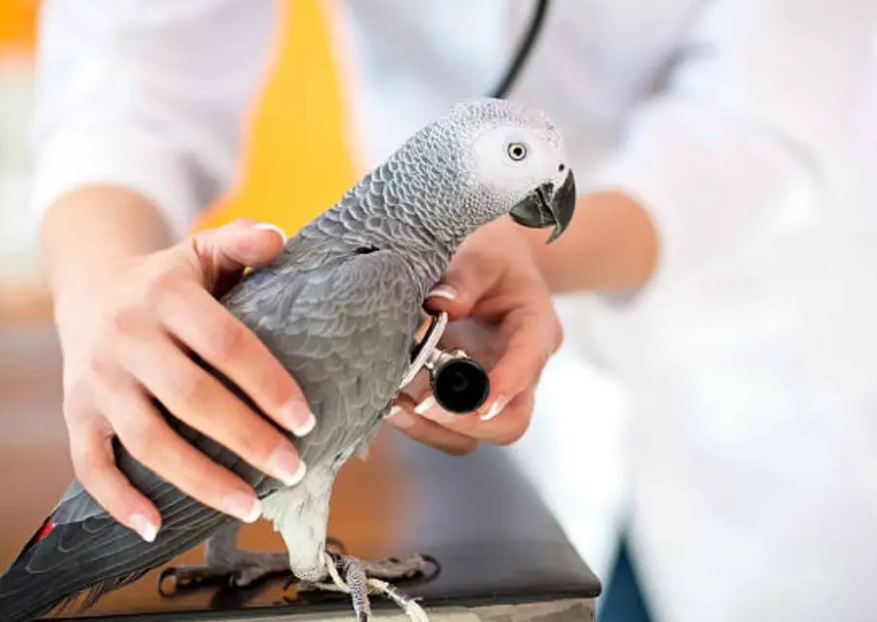 Is it safe to use over-the-counter antibiotic ointments from the pharmacy on my bird's wound?
Almost never. Many human topical antibiotics contain pain relievers like lidocaine or steroids that are highly toxic to birds. Birds preen their feathers and will ingest the ointment. Even "plain" antibiotic ointments aren't formulated for avian skin and can cause more harm. For a minor cut, clean gently with sterile saline solution and contact your avian vet for guidance on a safe product. For anything more than a tiny scratch, the vet is your first stop.
How can I tell if my bird is in pain? They seem so stoic.
They are masters of disguise. Look for subtle clues: a change in posture (hunched), guarding a body part (not putting weight on a foot), reduced activity, sitting on the cage floor when they normally perch, grinding the beak excessively (not to be confused with content beak grinding), a change in eye appearance ("pinny" eyes—constricted pupils), or sudden aggression when a painful area is approached. Any major behavior change is your clue that pain might be the cause.
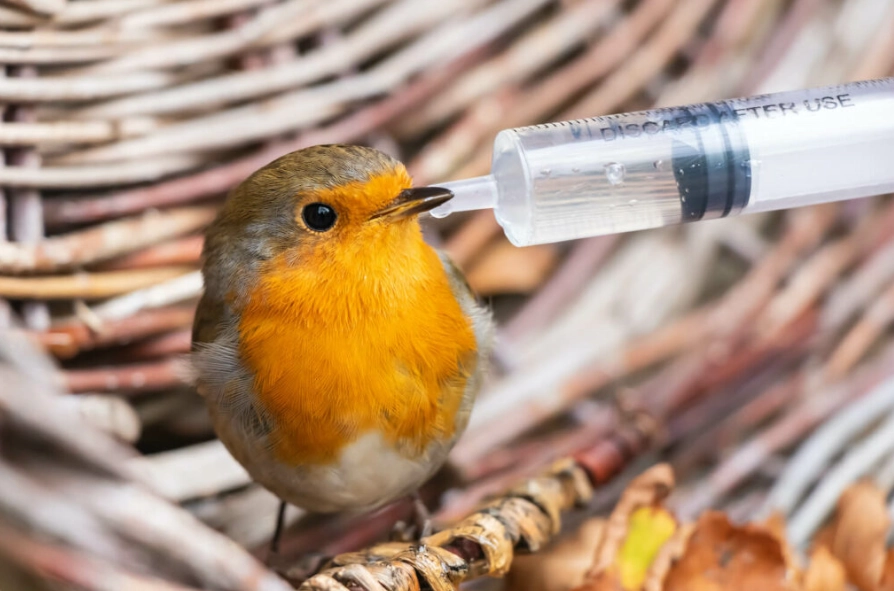 My vet is not a specialist "avian vet." Is that okay for general care?
For routine check-ups and basic care, a good general exotics vet can be fine. However, birds are physiologically very different from cats and dogs. Dosing for medications, anesthetic protocols, and knowledge of species-specific diseases vary greatly. For any serious illness, unexplained symptoms, or complex procedures, seeking out a board-certified avian specialist (look for DABVP - Avian Practice) is a worthwhile investment. They have the advanced training and equipment specifically for birds. It's the difference between a general practitioner and a cardiologist.


Join the Conversation