Let's be honest. When you first bring a parrot home, the food question hits you hard. Pet stores push those colorful seed mixes, but you get this nagging feeling there's more to it. You're right. Figuring out what food you can feed your parrot at home is the single most important thing you'll do for their health. It's not just about filling a bowl; it's about preventing disease, boosting their mood, and adding years to their life. I learned this the hard way with my first cockatiel, who turned his nose up at anything green until I cracked the code.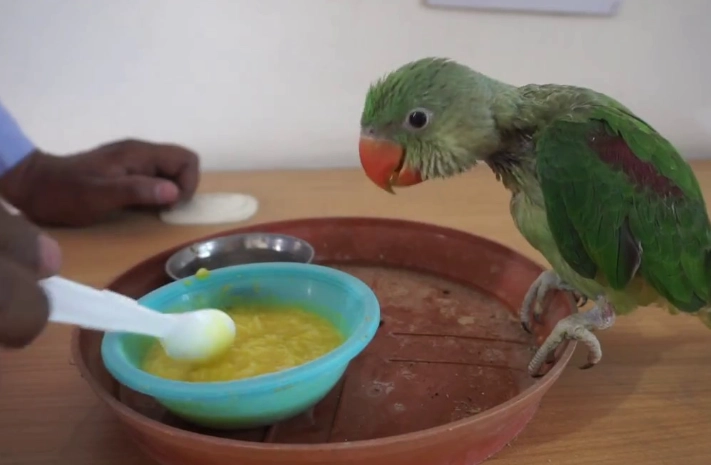
Quick Navigation
- The Foundation: Understanding Parrot Nutrition Basics
- The Safe List: Your Go-To Foods from the Kitchen
- The Danger Zone: Foods You Must Never Feed
- Putting It All Together: Sample Daily Menus
- Tips for Picky Eaters (Because They All Are)
- Common Questions About Feeding Parrots at Home
- Final Thoughts on a Healthy Parrot Diet
This isn't about complicated science. It's about translating what they'd eat in the wild into stuff you can grab from your fridge or local market. We'll cut through the noise and give you a straight list—what's safe, what's a sometimes treat, and what's absolutely forbidden. No fluff, just practical info you can use today.
The Foundation: Understanding Parrot Nutrition Basics
Before we dive into the pantry, let's get one thing straight. Parrots are not seed-eating machines. In the wild, seeds are a seasonal food, high in fat. A diet of just commercial seed mix is like a human living only on french fries and donuts. It leads to obesity, fatty liver disease, and vitamin deficiencies (especially Vitamin A). The goal is a balanced, varied diet.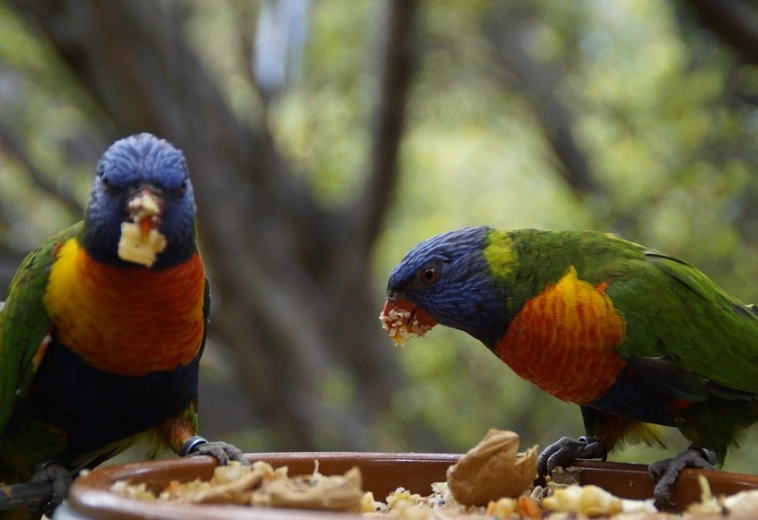
The widely accepted model for what food you can feed parrots at home is often broken down like this:
- High-Quality Pellets (40-60%): These are formulated to be nutritionally complete. Think of them as the daily multivitamin and base of the diet. Not all pellets are great, though. Some are just dyed seed mush. Look for reputable brands.
- Fresh Vegetables (20-35%): This is where the magic happens. Veggies should be the cornerstone of the fresh food you offer daily. The darker and leafier, usually the better.
- Fresh Fruits (5-10%): Treat fruits like nature's candy. They're great but often high in sugar. A few small pieces a day is plenty.
- Cooked Grains, Legumes & Healthy Treats (5-15%): This includes cooked brown rice, quinoa, beans (cooked only!), pasta, and a few nuts for training.
That percentage model is a guide, not a rigid rule. My Amazon parrot, for instance, would gladly make vegetables 80% of his world. My conure? He needs more convincing.
The Safe List: Your Go-To Foods from the Kitchen
This is the fun part. Let's break down exactly what food you can feed parrots at home by category. Wash everything thoroughly to remove pesticides.
Vegetables (Offer Daily)
Most vegetables are a green light. Serve them raw, steamed, or baked (no oil, salt, or butter). Steaming can actually make some veggies like sweet potato and broccoli easier to digest and more appealing.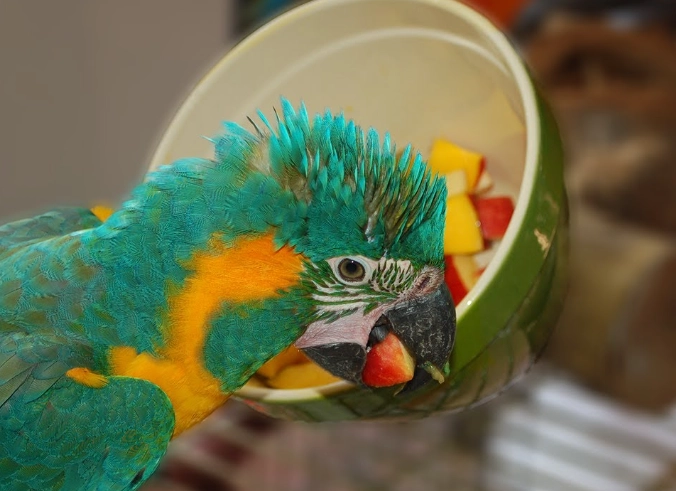
| Vegetable | Key Benefits | Preparation Tips |
|---|---|---|
| Leafy Greens (Kale, Spinach, Chard, Romaine, Dandelion greens) | Packed with Vitamins A, C, K, calcium, and iron. Essential for immune health and feathers. | Chop finely or offer a large leaf to shred. Rotate greens; too much spinach can interfere with calcium absorption. |
| Cruciferous Veggies (Broccoli, Cauliflower, Brussels Sprouts) | Excellent source of antioxidants and fiber. The florets and stems are both edible. | Lightly steam to enhance flavor and soften. My birds love the tiny "trees." |
| Orange & Red Veggies (Carrots, Sweet Potato, Bell Peppers, Pumpkin) | Very high in Beta-Carotene (converts to Vitamin A). Critical for eye, skin, and respiratory health. | Grate raw carrots, bake sweet potato chunks (cooled), offer bell pepper strips with seeds. |
| Others (Zucchini, Cucumber, Corn, Green Beans, Peas) | Great for hydration (cucumber) and variety. Corn is a starchy treat, not a main veg. | Offer raw or lightly steamed. For corn, offer a small piece on the cob for foraging fun. |
Fruits (Offer in Moderation)
Remove all pits and seeds from fruits like apples, cherries, peaches, and apricots, as they can contain trace amounts of cyanide. The fleshy fruit itself is safe.
- Top Picks: Berries (all types), melon (cantaloupe, watermelon), papaya, mango, pomegranate arils, kiwi. These are nutrient-dense.
- Good Treats: Apple slices, banana, grapes (cut in half), orange segments, pear.
- Occasional Treats: Dried fruits like raisins or cranberries (unsulfured, no sugar added). They are very sugary, so one or two is plenty.
I find berries are almost universally loved. Frozen berries, thawed, are a cheap and easy option.
Grains, Legumes & Proteins
This category adds substance and protein. Always cook beans and legumes thoroughly—raw or undercooked beans are toxic.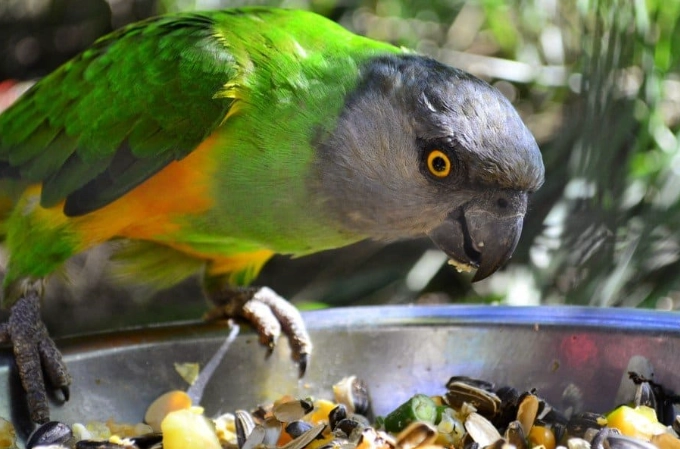
What you can safely cook up:
- Cooked Grains: Brown rice, quinoa, barley, oats, whole wheat pasta.
- Cooked Legumes: Lentils, chickpeas, black beans, kidney beans (no salt or seasoning).
- Healthy Proteins: A little bit of cooked egg (scrambled or hard-boiled, great for molting), a small piece of cooked chicken bone-in (for chewing, not the meat focus).
- Nuts: Almonds, walnuts, pecans, pistachios (unsalted, in-shell for large parrots is great mental exercise). These are high-fat treats, not staples.
The Danger Zone: Foods You Must Never Feed
This list is short but critical. Some common human foods are poisonous to parrots. When considering what food you can feed parrots at home, these are the absolute no-gos.
- Avocado: All parts contain persin, a fungicidal toxin that causes heart failure and respiratory distress in birds. This is arguably the most dangerous.
- Chocolate & Caffeine: Contains theobromine and caffeine, which can cause vomiting, diarrhea, heart arrhythmias, seizures, and death.
- Onions & Garlic: In large amounts, they can cause hemolytic anemia, destroying red blood cells. Avoid raw, cooked, or powdered forms.
- Alcohol & Xylitol: Obviously toxic. Xylitol is an artificial sweetener found in some sugar-free products.
- Salty, Sugary, or Fatty Junk Food: Chips, fries, candy, fried foods. They contribute to obesity and offer zero nutrition. A tiny taste won't kill, but it's a bad habit.
- Apple Seeds & Fruit Pits: As mentioned, they contain amygdalin, which breaks down into cyanide.
- Rhubarb: The leaves are highly toxic.
- Dried Beans (Uncooked): Contain hemagglutinin, which is poisonous.
It's also wise to avoid high-fat seeds like sunflower and safflower as diet staples. They're like parrot crack—addictive and unhealthy in large quantities. Fine as a rare training treat.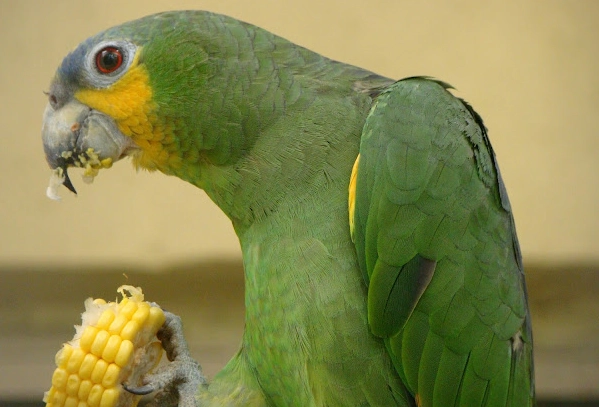
Putting It All Together: Sample Daily Menus
Theory is great, but what does this look like in a bowl? Here are two examples for different-sized birds. Remember, remove uneaten fresh food after a few hours to prevent spoilage.
For a Medium Parrot (e.g., Conure, Caique)
Morning: 1-2 tablespoons of high-quality pellets in the main dish.
Late Morning (Fresh Food Chop): A mix of 1 tbsp chopped kale, 1 tsp grated carrot, a few small broccoli florets, 1-2 blueberries, and a teaspoon of cooked quinoa. Mix it up!
Afternoon/Evening: Refill pellets if needed. Offer a shredding toy stuffed with a leafy green.
Treats: A tiny piece of almond for training, or a chunk of apple.
For a Large Parrot (e.g., Amazon, African Grey)
Morning: 1/4 cup of pellets.
Late Morning (Big Fresh Food Bowl): A hearty chop with chopped sweet potato (cooked), bell pepper strips, green beans, dandelion greens, a chunk of melon, and a tablespoon of cooked chickpeas.
Afternoon: A foraging toy filled with pellets and a few nuts in-shell.
Evening: A small serving of pellets or a piece of whole grain toast to nibble.
See? It's not about one magical food. It's about mixing textures, colors, and nutrients. The question of what food can you feed parrots at home has many delicious answers.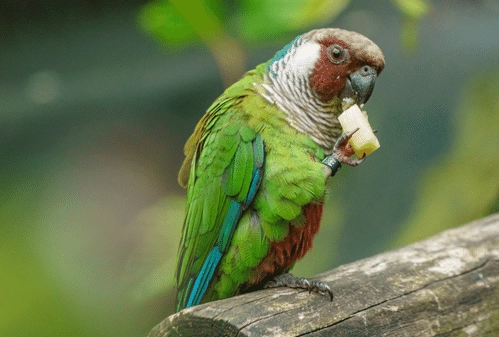
Tips for Picky Eaters (Because They All Are)
If your parrot is a seed junkie, switching to healthy food takes patience. Cold turkey removal of seeds can stress a bird. Here's what worked for me:
- Eat Together: Parrots are flock animals. Sit with them and enthusiastically eat the same veggies. They want what you're having.
- Chop Finely: Sometimes big, strange-looking pieces are intimidating. A fine chop mixed with a tiny amount of their old seed can get them exploring.
- Try Different Textures: If they won't eat raw carrot, try it steamed or grated. My bird ignored broccoli until I steamed it slightly.
- Be Persistent: It can take dozens of presentations before they try something new. Don't give up after three tries.
- Use Hunger Wisely: Offer the new healthy foods in the morning when they're hungriest. Put pellets/seeds in later.
Common Questions About Feeding Parrots at Home
It depends entirely on what it is. Plain cooked rice, pasta, or unseasoned vegetables? Yes. Anything with salt, butter, oil, garlic, onion, or spices? No. A good rule is to prepare a small portion of your veggies separately before you season them. Sharing your seasoned dinner is a bad idea.
Fresh water must be provided daily, and the bowl scrubbed regularly to prevent bacterial slime. Remove all uneaten fresh fruits and vegetables after 4-6 hours, especially in warm weather. Pellets can stay longer but check for spoilage or contamination.
If your parrot is on a balanced diet of pellets and a wide variety of fresh foods, probably not. In fact, oversupplementing can be harmful. The exception might be calcium for egg-laying hens, but that's a vet topic. The best source of vitamins is real food. The American Veterinary Medical Association (AVMA) provides general guidance on companion bird care, emphasizing the importance of a veterinarian-formulated diet, which you can read more about on their bird care page.
Start by slowly introducing new foods alongside the seeds. Mix a small amount of finely chopped veg into the seed. Gradually increase the veg and decrease the seed over weeks. You can also try sprouting the seeds you feed—sprouted seeds are more nutritious and can be a bridge to veggies. Organizations like the Lafeber Company, while a commercial brand, have extensive, vet-written resources on avian nutrition and converting seed eaters that align with best practices.
Sure! Chia seeds and flax seeds (ground) are excellent sources of omega-3s. A tiny sprinkle on their chop is great. Blueberries and kale are antioxidant powerhouses. Sweet potato is a fantastic source of vitamin A. But remember, the real "super" is the variety.
Final Thoughts on a Healthy Parrot Diet
Figuring out what food you can feed parrots at home is a journey. You'll have waste. You'll have frustration when they throw your lovingly prepared chop on the floor. But you'll also have breakthroughs—the first time they tear into a bell pepper or go nuts for a pomegranate seed.
The effort pays off in a vibrant, energetic, long-lived bird with bright eyes and even brighter feathers. It's the best form of preventative medicine there is. Start small, introduce one new food a week, and observe what your feathered friend enjoys. Their preferences will guide you.
Your kitchen is full of safe, healthy options. Now you know what to reach for. Happy feeding!


Join the Conversation