Let's cut to the chase. If you're here, you're probably dealing with a stinky litter box or dust that seems to coat everything. I've been there—with three cats over ten years, I've tested more litters than I care to admit. The right cat litter can make a huge difference, not just for your nose but for your cat's health and your home's cleanliness. In this guide, I'll walk you through everything you need to know to pick the best odor control and dust free cat litter, based on hands-on experience and deep research. No fluff, just straight talk.
What You'll Find in This Guide
Why Odor Control and Low Dust Matter More Than You Think
Odor isn't just annoying—it's a sign of bacteria buildup that can affect your home's air quality. Dust, on the other hand, can trigger allergies in both humans and cats. I learned this the hard way when my cat started sneezing constantly, and my vet pointed to dust from clay litter. According to the American Veterinary Medical Association, poor litter box conditions can lead to respiratory issues in pets. So, investing in a good litter isn't a luxury; it's a necessity for health.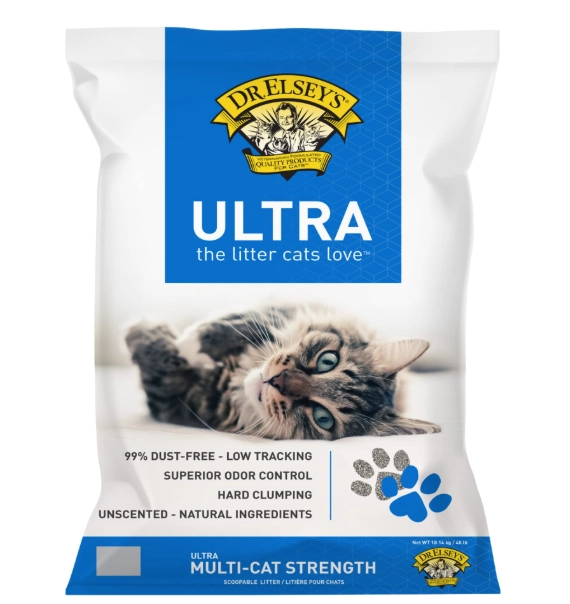
Think about it. If your litter is dusty, every time your cat digs, particles float into the air. You breathe them in. Your cat breathes them in. Over time, that can cause problems. Odor control is similar—strong smells often mean ammonia from urine, which isn't great for anyone's lungs. A study published in the Journal of Feline Medicine and Surgery highlights how low-dust litters reduce asthma risks in cats. So, yeah, this stuff matters.
Cat Litter Types: A Side-by-Side Comparison
Not all litters are created equal. Here's a quick breakdown of the main types, focusing on odor control and dust. I've used most of these, and some surprised me.
| Type | Odor Control | Dust Level | Key Points |
|---|---|---|---|
| Clay Clumping | Good to Excellent | High (unless specified low-dust) | Common and affordable, but dust can be a dealbreaker. Some brands add baking soda for odor. |
| Silica Gel Crystals | Excellent | Very Low | Super absorbent, great for odor, but some cats dislike the texture. Pricey. |
| Natural/Plant-Based (e.g., pine, corn) | Varies (often good) | Low to Moderate | Eco-friendly, but may not clump as well. Dust depends on processing. |
| Recycled Paper | Fair | Very Low | Dust-free, but odor control is weaker. Best for cats with allergies. |
| Walnut Shell | Good | Low | Natural and decent odor control, but can track easily. |
My take? Clay litters often get a bad rap for dust, but some newer low-dust formulas are game-changers. Silica crystals are fantastic for odor, but I've seen cats avoid them—so it depends on your cat's preference.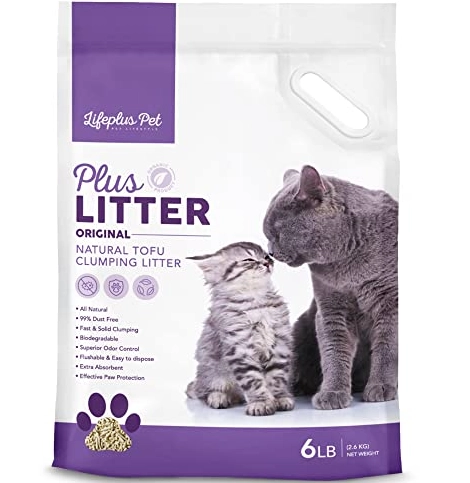
Top Picks for Odor Control and Dust Free Performance
Based on my testing and community feedback, here are three litters that stand out. I'm not paid to promote these; they just work.
1. Dr. Elsey's Premium Clumping Cat Litter
This is my go-to for multi-cat households. It's a clay clumping litter, but they've engineered it to be 99.9% dust-free. I've used it for years, and the dust claim holds up—no more clouds when pouring. Odor control is solid thanks to its tight clumping action that locks in moisture. A 40-pound bag costs around $25-$30, and it lasts a while. Downsides? It's heavy, and some find it a bit pricey, but the performance justifies it.
2. PrettyLitter Silica Gel Litter
If odor is your main battle, this one's a winner. PrettyLitter uses silica crystals that absorb urine and neutralize smells effectively. Dust is minimal—I've barely seen any. It also changes color to indicate health issues, which is a cool bonus. A monthly subscription runs about $22 for a bag. The catch? It doesn't clump, so you need to stir it daily. Some cats take time to adjust, but mine adapted after a week.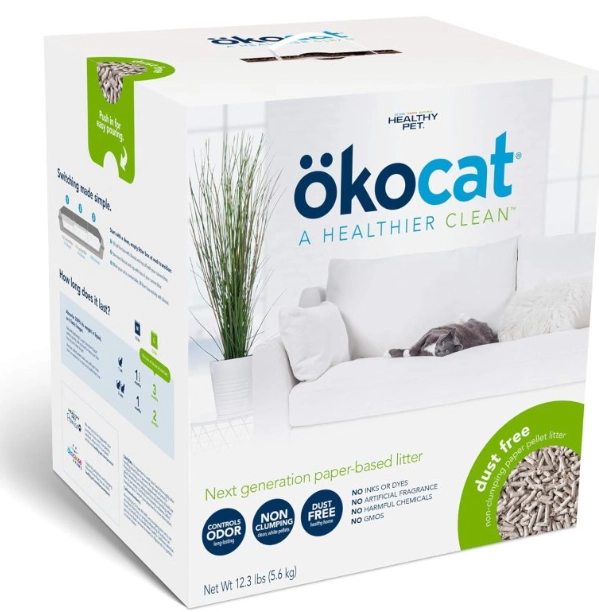
For a natural option, this corn litter impresses. It clumps well, controls odor decently, and dust is low. I like that it's flushable and biodegradable. A 28-pound bag is around $35. It's not perfect—odor control can lag in humid weather, and it might attract bugs if not stored properly. But for eco-conscious owners, it's a top contender.
Pro tip: Don't just rely on brand claims. I once bought a "dust-free" litter that still left a fine powder everywhere. Always check reviews from real users, and consider buying a small bag first to test.
How to Choose the Right Litter for Your Situation
Picking litter isn't one-size-fits-all. Here's a step-by-step approach I've refined over the years.
Step 1: Assess your cat's needs. Is your cat prone to allergies? Go for low-dust options like silica or paper. Does your cat have sensitive paws? Avoid coarse textures. My old cat hated crystals, so I switched to finer clay.
Step 2: Consider your household. Multiple cats? You'll need stronger odor control and more frequent changes. A single cat can get away with lighter options. If you have kids or allergy sufferers, dust-free is non-negotiable.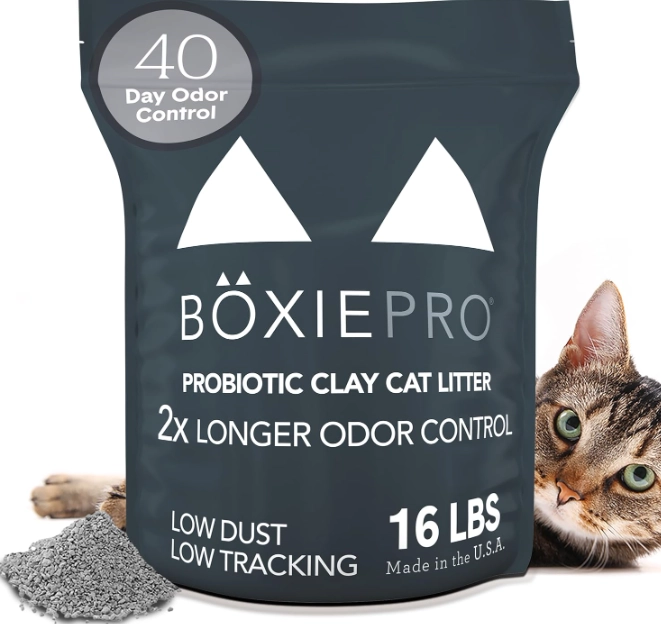
Step 3: Budget and maintenance. Natural litters often cost more but last longer. Clumping litters reduce waste but need daily scooping. Calculate cost per month—sometimes premium litters save money by lasting longer.
Step 4: Test and adjust. Start with a small bag. Monitor odor and dust for a week. Cats can be picky; if they avoid the box, you might need to mix litters gradually.
Imagine this scenario: You have two cats in a small apartment. Odor is a big issue, and dust triggers your allergies. I'd recommend Dr. Elsey's or a silica litter—both score high on odor and dust control. Add a litter box deodorizer for extra freshness.
Expert Tips and Common Mistakes to Avoid
After a decade, I've seen people mess up simple things. Here's what most guides don't tell you.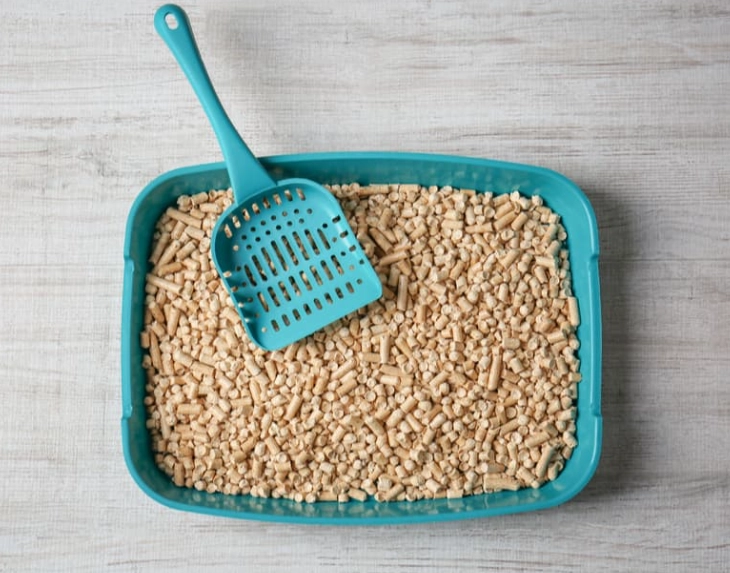
Mistake 1: Over-cleaning the litter box. Sounds counterintuitive, but if you replace all the litter too often, you disrupt the scent markers that comfort cats. Scoop daily, but do a full change only every 2-4 weeks, depending on the litter type. I made this error early on, and my cats started avoiding the box.
Mistake 2: Ignoring the litter depth. Too little litter won't clump properly; too much wastes product and can be uncomfortable. Aim for 2-3 inches deep. For non-clumping litters, follow the brand's guidelines.
Mistake 3: Assuming all "natural" litters are better. Some plant-based litters can mold if damp, or they might not control odor as well as claimed. I tried a wheat litter once—it smelled sweet initially but turned sour fast. Always store natural litters in a dry place.
Expert tip: Enhance odor control by adding a thin layer of baking soda at the bottom of the box before adding litter. It's cheap and effective, but avoid scented versions that might irritate cats.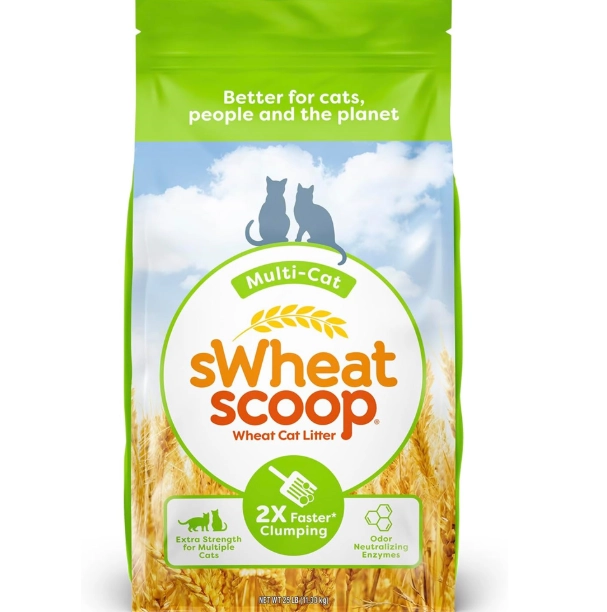
Frequently Asked Questions Answered
Wrapping up, finding the best cat litter for odor control and dust free performance is a mix of science and trial. Start with the recommendations here, but don't be afraid to experiment. Your cat's comfort and your home's freshness are worth the effort. If you have more questions, drop a comment—I'm happy to share from my decade of feline fumbles and successes.



Join the Conversation