Choosing the right cat litter isn't just about odor control or convenience. It's a health decision. I've seen too many cats in the clinic with respiratory issues, urinary tract problems, or paw infections that trace back to a poor litter choice. When a vet recommends a cat litter, they're looking beyond the marketing claims. They're considering dust levels, chemical additives, texture, clumping ability, and how all of that interacts with your cat's biology. A "vet recommended" label should mean it promotes wellness, not just masks smells.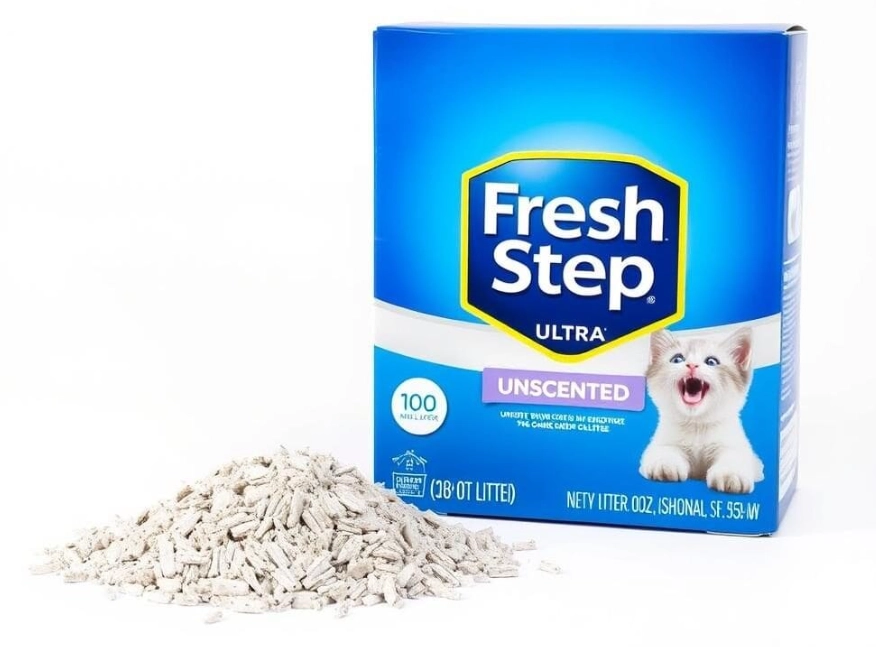
What's Inside This Guide
Why Vet Recommendations Matter More Than Marketing
Walk down the pet aisle and every bag screams "best," "odor-free," "natural." It's overwhelming. A vet's perspective cuts through that noise. They see the aftermath of bad choices.
Let's break that down.
Dust is a silent culprit. Many clay litters produce fine silica dust. Cats inhale this while digging, and it settles in their lungs. Long-term, this can cause or exacerbate asthma and bronchitis. You breathe it in too when you pour and scoop. A vet-recommended litter prioritizes low or no dust.
Chemicals and fragrances are irritants. Heavily scented litters, or those with chemical odor neutralizers, can irritate a cat's sensitive respiratory tract and paws. Some cats develop allergic reactions. Worse, cats groom their paws, ingesting whatever is on them. Vets look for litters free from synthetic perfumes and harsh chemicals.
Texture and composition affect urinary health. This is a big one, often missed. Cats can be picky about texture. If they dislike the feel, they might hold their urine, leading to urinary tract issues. Some litters, like certain crystals, can be excessively drying on delicate paw pads. Vets also consider pH-neutral litters, as some urinary conditions are sensitive to pH changes in the litter box environment.
A recommendation from a professional who has treated litter-related illnesses carries a different weight than a slogan on a bag.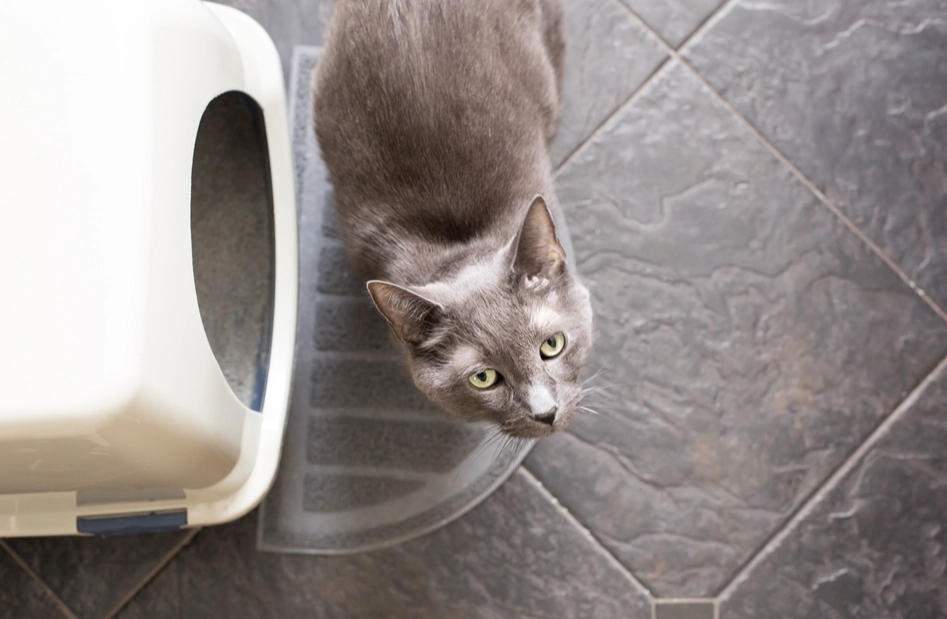
Top Vet-Recommended Cat Litter Brands & Why
Based on discussions with colleagues, clinic use, and feedback from clients managing specific health conditions, a few names consistently come up. It's not one-size-fits-all. Here’s a breakdown of why these litters earn vet nods.
| Brand & Product | Key Vet-Approved Features | Best For Cats Who... | A Note from the Clinic |
|---|---|---|---|
| Dr. Elsey's Precious Cat Ultra | Exceptionally low dust, hard clumping, no added fragrances or chemicals. Specifically formulated to attract cats to the box. | Have respiratory sensitivities (asthma), are picky about using the box, or need a reliable, simple clay litter. | This is our go-to "default" recommendation for cats without special needs. The lack of perfume is a major win. |
| World's Best Cat Litter (Corn Formula) | Made from corn, biodegradable, low dust, clumps well, flushable (check local regulations). Natural odor control. | Owners seeking a natural, plant-based option, cats with dust allergies, or multi-cat households needing good odor control. | The corn-based formula is gentle on paws. We see fewer complaints of tracking compared to some lightweight litters. |
| PrettyLitter | Silica gel crystals, ultra-low dust, exceptional moisture absorption and odor control. Color-changing health indicator. | Monitoring for potential urinary tract issues (UTI, crystals, pH imbalance), busy owners, or cats/owners with severe dust allergies. | The health monitoring aspect is unique. It's not a diagnostic tool, but it can provide an early warning to see a vet. The dust level is virtually zero. |
| Frisco Unscented Clumping Clay Litter | Budget-friendly, unscented, low dust for a clay litter, strong clumping. Readily available. | Households on a budget that still want a vet-conscious choice (unscented, low-dust), or for managing multiple boxes. | A solid, no-frills option that proves you don't have to spend a fortune to avoid perfumes and excessive dust. |
| Ökocat Super Soft Clumping Wood Litter | Made from reclaimed wood, very low dust, soft texture, highly absorbent, biodegradable. | Cats with respiratory issues, owners wanting a sustainable option, or cats who prefer a softer substrate underfoot. | The texture is a hit with cats recovering from paw injuries or declawed cats (though we don't recommend the procedure). It's like walking on fine sawdust. |
Remember, a brand being on this list doesn't guarantee it's perfect for your cat. My own cat, Whiskers, turned his nose up at a popular corn litter I tried. He's a clay traditionalist. The point is these brands have attributes vets prioritize.
How to Choose the Right Vet-Recommended Litter for Your Cat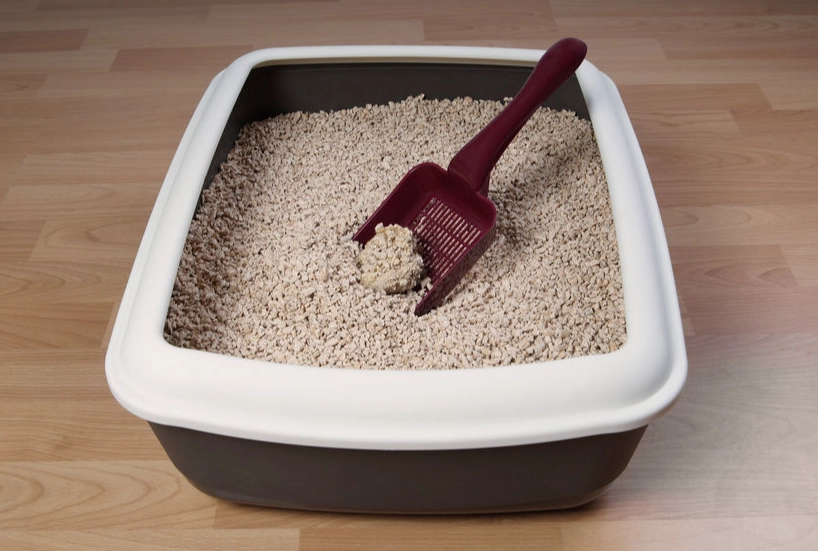
You've seen the list. Now, how do you match it to your feline overlord? Don't just grab the first one. Think like a detective.
Assess Your Cat's Health Profile
Is your cat a senior with arthritis? A softer, finer litter might be easier on tender joints. A young cat with a history of upper respiratory infections? Dust-free is non-negotiable. A cat previously treated for urinary crystals? You'll want to discuss litter choice with your vet as part of the overall management plan. The Cornell Feline Health Center has great resources on managing feline lower urinary tract disease, where environment plays a key role.
The Multi-Cat Household Equation
More cats mean more waste and stronger odors. You need a litter that clumps very firmly and quickly to prevent ammonia buildup (which irritates eyes and lungs). You might also need more boxes. A common vet-recommended strategy is to use a highly absorbent clumping litter and scoop twice daily, without fail.
The Transition Test
Cats hate sudden change. If you're switching, mix the new litter with the old over 7-10 days, increasing the ratio of new to old. Watch closely. If they start avoiding the box or seem distressed, you may need to try a different type. The goal is a litter they use consistently and comfortably.
Pro Tip Most Owners Miss: Feel the litter yourself. Rub it between your fingers. Does it feel sharp or gritty? Would you want to dig in it? Then pour a cup into a clean box and smack the side. See how much dust puffs into the air. This simple two-minute test tells you more than any ad.
Common Cat Litter Mistakes Even Experienced Owners Make
After a decade in practice, patterns emerge. Here are the subtle errors I see repeatedly.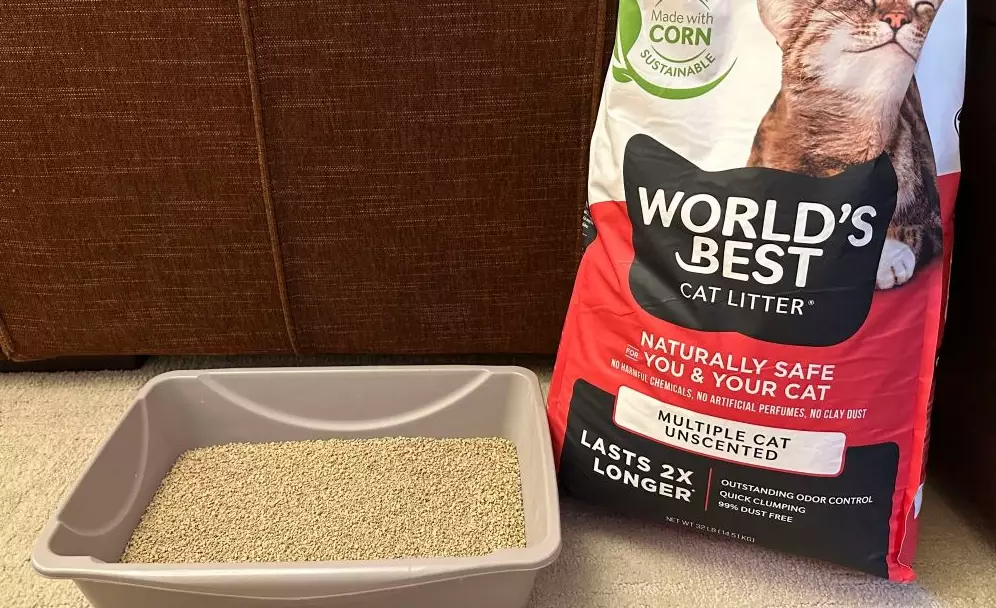
- Over-relying on fragrance. Masking odor instead of removing waste is a band-aid. Heavy scents often signal more chemicals, not better performance. A good unscented litter, combined with frequent scooping, solves the odor problem at the source.
- Choosing litter based solely on human convenience. The lightest litter for easy carrying might track everywhere or feel strange to your cat. The cheapest mega-brand might be a dust bowl. The balance between your needs and your cat's needs is key.
- Ignoring the "vet recommended" loophole. Some brands pay for a seal of approval or have a single vet on staff. Look for litters recommended by independent veterinary associations, widely used in clinics, or consistently praised by practicing vets for specific health reasons. The American Animal Hospital Association (AAHA) doesn't endorse products, but their guidelines on feline environmental needs inform what vets look for.
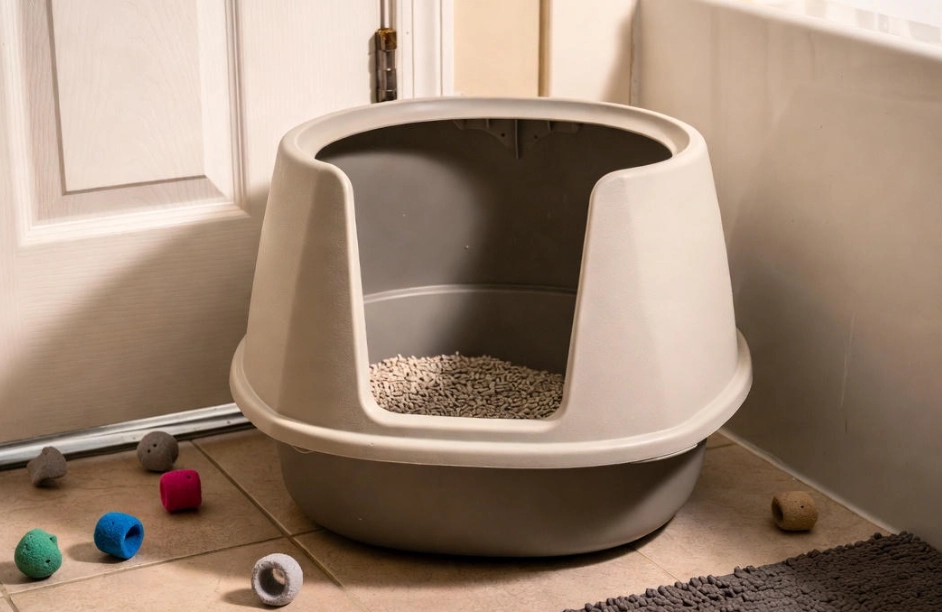
- Not considering the litter box itself. The best litter in a too-small, covered, or poorly placed box will fail. Ensure the box is 1.5 times the length of your cat, uncovered for most cats, and in a quiet, accessible location.
Getting the litter right is one part of the puzzle. The other is management.
Your Vet-Recommended Cat Litter Questions, Answered
 Are natural or biodegradable litters always the healthier vet choice?


Join the Conversation